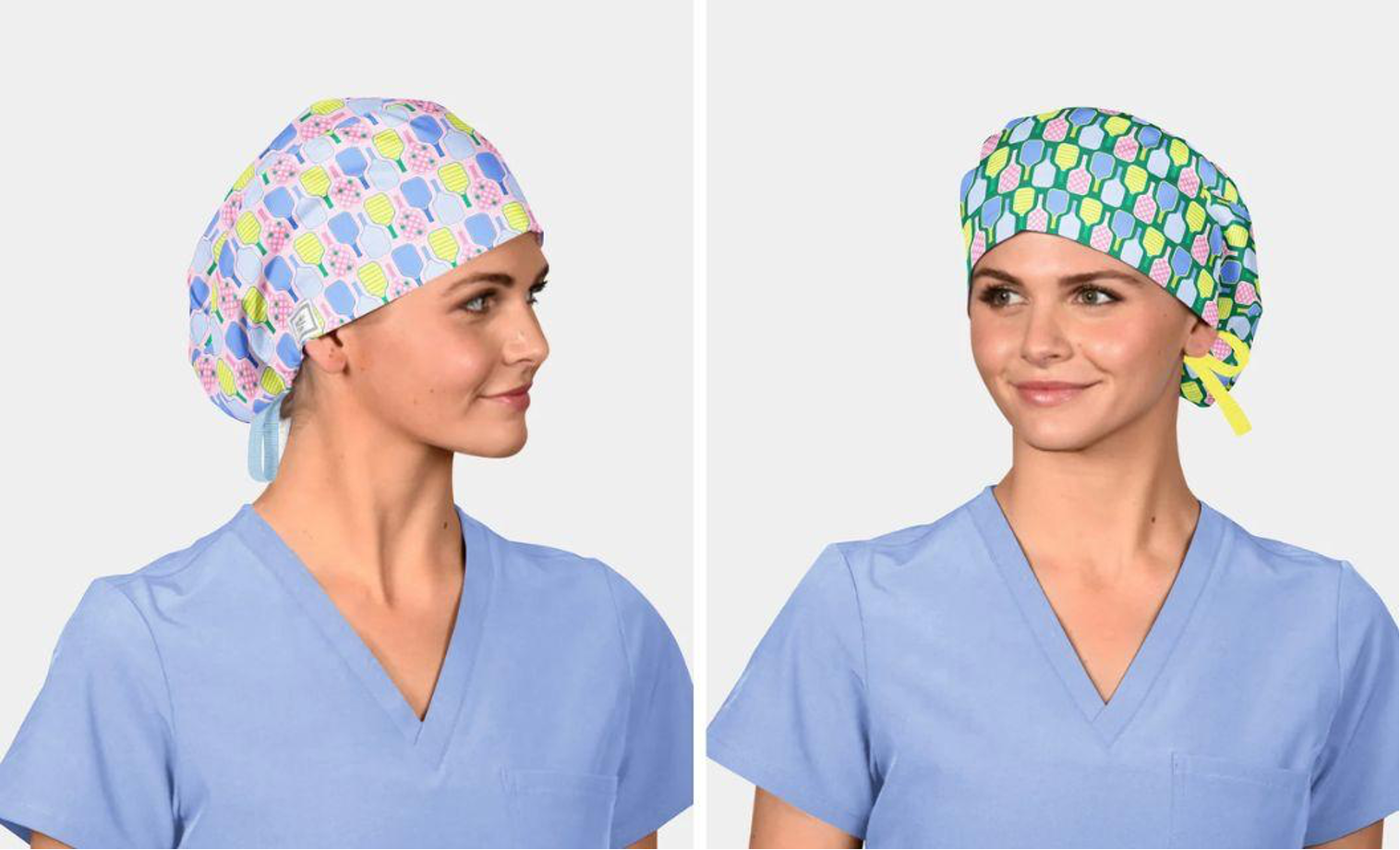
Introduction
Healthcare professionals with long hair often face challenges that standard scrub caps do not fully solve. During long hospital shifts or surgical procedures, tight caps, poor airflow, slipping fabric, and scalp tension can quickly become uncomfortable distractions. For nurses, surgical teams, and clinical staff, the right scrub cap is not simply about appearance. It is about comfort, breathability, secure hair coverage, and long-shift practicality.
As more healthcare workers prioritize comfort-focused medical apparel, scrub caps designed for thicker or longer hair have become increasingly popular. Features like adjustable fits, breathable fabrics, and extra room for buns or ponytails can make a noticeable difference throughout a demanding workday. This guide explores what nurses and surgical professionals actually need in scrub caps for long hair and which features matter most in real clinical environments.
Why Long Hair Requires a Different Type of Scrub Cap
Healthcare professionals with long hair often need more support and flexibility than standard scrub caps provide. Thick hair, ponytails, braids, and buns can create extra volume, making tight caps uncomfortable during long shifts. Many nurses and surgical staff experience slipping, pressure around the scalp, or overheating when wearing poorly fitted caps for extended periods.
Long hair can also trap heat more easily, especially in busy hospital environments where masks and PPE are worn for hours at a time. Many healthcare workers notice discomfort most often during back-to-back patient rounds or long procedures, when there is little time to readjust clothing or accessories. Because of this, breathable fabrics and adjustable fits become much more important. Scrub caps designed specifically for longer or thicker hair generally provide better airflow, improved comfort, and more secure coverage throughout demanding clinical shifts.
Features That Matter Most in Scrub Caps for Long Hair
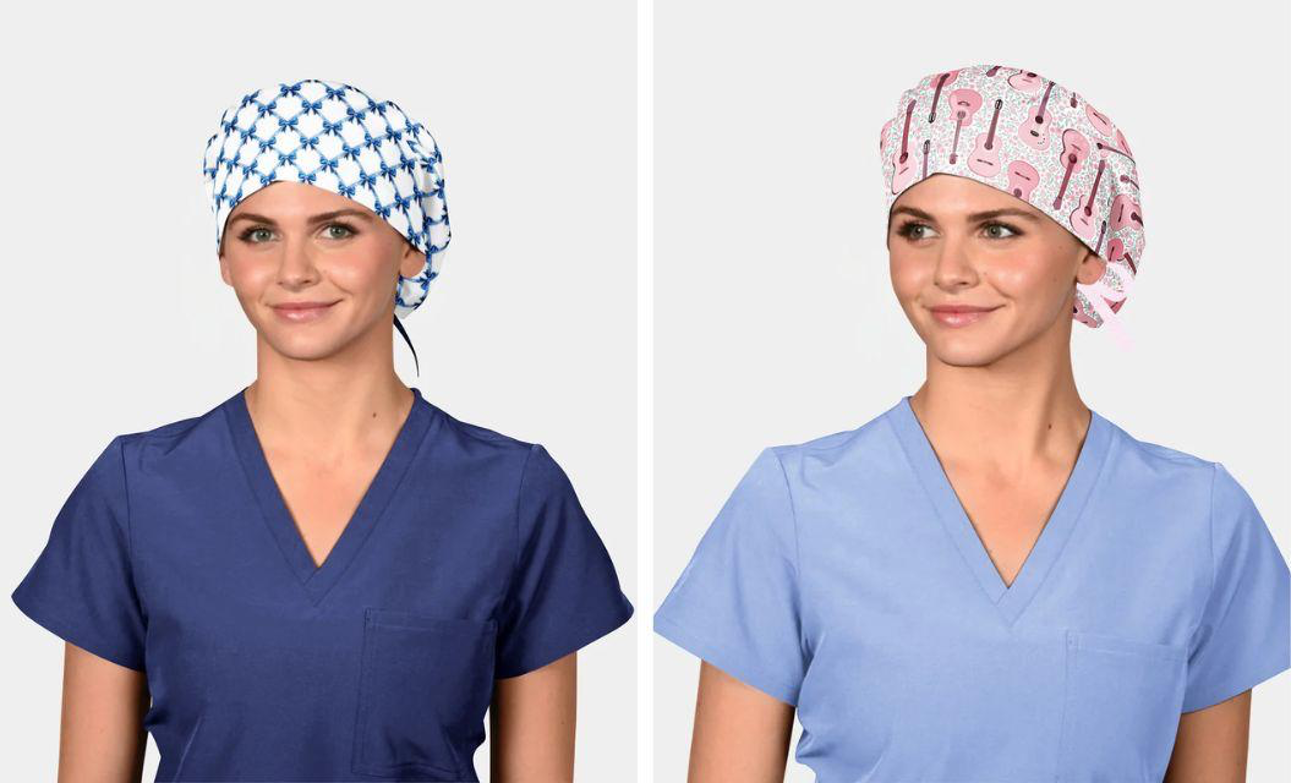
Not all scrub caps are designed with long-shift comfort in mind. While some focus mainly on appearance, healthcare professionals usually prioritize practical features that improve comfort and reduce distractions during busy workdays.
Extra Room for Hair Volume
One of the biggest differences between standard and high-quality scrub caps is the amount of space available for hair. Nurses and surgical staff with buns, braids, curls, or thick ponytails often need additional room to avoid excessive pressure around the scalp and neckline.
Features that help include:
- Expanded back panels
- Ponytail pouches
- Bouffant-style designs
- Stretch fabric sections
Caps with extra space generally feel more comfortable during long shifts because they reduce tightness and help keep hair secure. Many healthcare workers also find that roomy caps create less pulling around the hairline by the end of a 12-hour shift.
Adjustable Tie-Back Closures
Adjustability is important for healthcare workers who wear scrub caps for extended periods. Elastic-only caps may feel secure initially, but they can become uncomfortable after several hours, especially around the temples or behind the ears.
Tie-back closures allow professionals to customize the fit depending on:
- Hair thickness
- Hairstyle placement
- Desired tightness
- Head shape
This flexibility helps reduce pressure while improving overall comfort during physically demanding shifts. Adjustable designs are also useful for workers who alternate between braids, buns, or ponytails throughout the week.
Breathable Fabrics for Long Shifts
Breathability becomes increasingly important in warm clinical environments where healthcare workers wear masks, protective eyewear, and PPE for long periods. Heavy fabrics can trap heat quickly, especially for professionals with thick or long hair.
Many nurses notice heat buildup most often during busy overnight shifts or extended operating room procedures, where airflow is limited, and movement is constant. Lightweight cotton blends and moisture-wicking fabrics are often preferred because they improve ventilation while reducing discomfort from sweat and trapped heat.
Some modern scrub hats for nurses now include softer performance fabrics that remain comfortable even after repeated washing and long-term use.
Sweat Management and Moisture Control
Long hospital shifts often involve constant movement, making sweat control an important factor in overall comfort. Caps with moisture-wicking linings or built-in sweatbands can help reduce irritation around the forehead and hairline.
This becomes especially valuable in operating rooms or emergency departments, where healthcare workers may spend hours wearing masks, goggles, and additional protective layers. Even minor discomfort around the forehead can become distracting during high-focus clinical tasks.
A well-ventilated scrub cap helps reduce moisture buildup and improves long-term wearability during physically demanding shifts.
Secure Fit Without Excessive Tightness
The ideal scrub cap should feel secure without causing headaches or pulling hair too tightly. Overly tight caps can create discomfort around the scalp, ears, and neck, especially during long shifts with constant movement.
Some healthcare workers experience pressure headaches near the temples after wearing restrictive caps all day. This is particularly common when tight scrub caps are combined with high buns or tightly secured ponytails.
Healthcare professionals with thick or textured hair often prefer adjustable styles because they provide a more balanced fit without excessive compression. A secure but comfortable cap allows workers to stay focused without constant readjustment throughout the day.
Why Comfort Matters More During 12-Hour Shifts
Comfort becomes increasingly important as shifts become longer and more physically demanding. Nurses and surgical teams often spend entire days moving between patient rooms, operating areas, emergency departments, and clinical workstations, with few opportunities for adjustment or breaks.
Small issues that seem minor at the beginning of a shift can become significantly more noticeable after several hours. Heat buildup, pressure around the ears, slipping fabric, or scalp tension may gradually affect concentration and overall comfort during patient care.
This is one reason healthcare professionals are paying closer attention to medical apparel designed for long-term wearability rather than appearance alone. Comfortable scrub caps help reduce distractions while supporting better focus throughout demanding clinical workflows.
Common Types of Scrub Caps for Long Hair
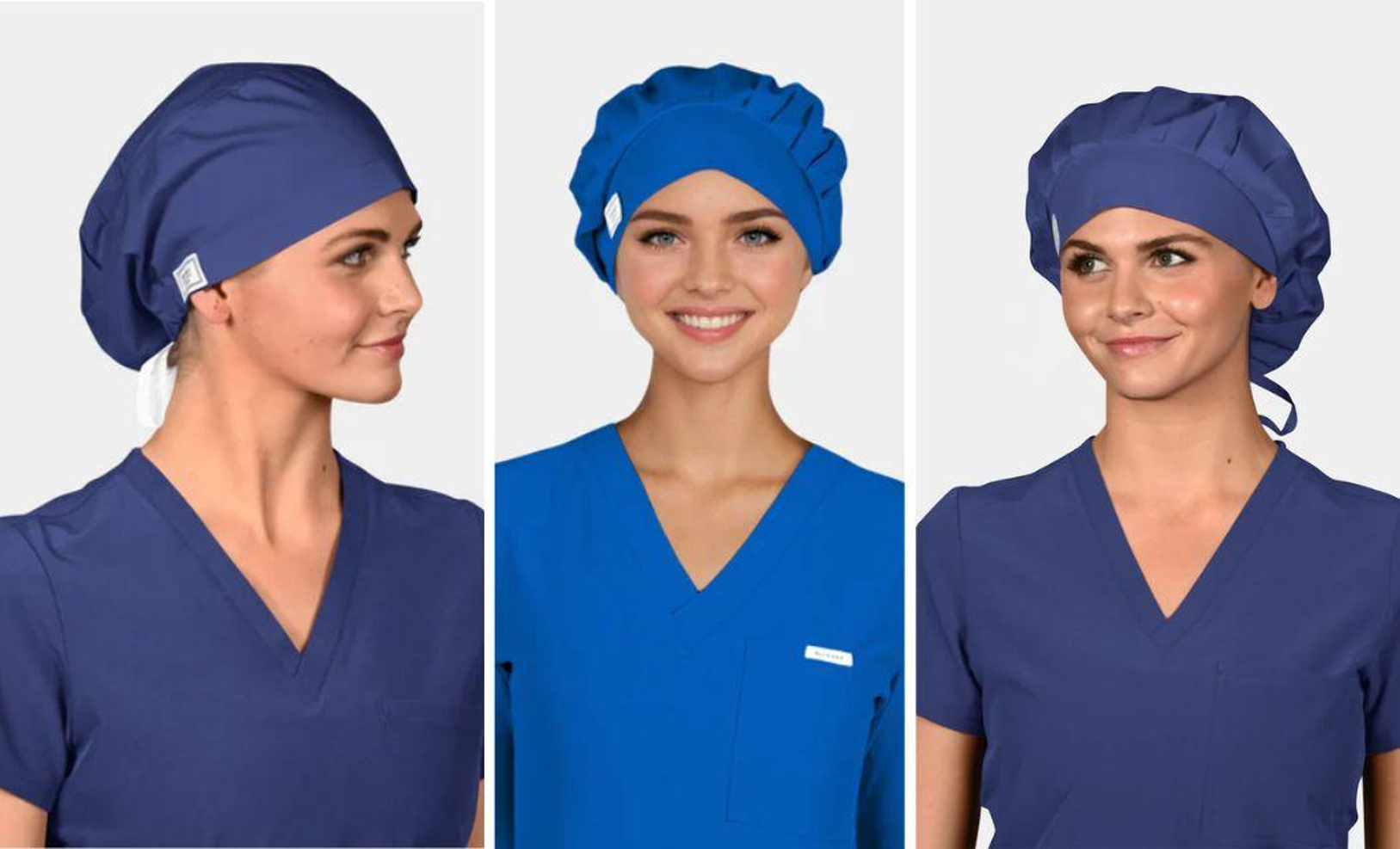
Different scrub cap styles offer different benefits depending on hair type, workplace requirements, and comfort preferences. Choosing the right style often comes down to how much hair support and breathability a healthcare worker needs during daily shifts.
Ponytail Scrub Caps
Ponytail scrub caps are a popular option for professionals with long hair because they include extra space specifically designed for ponytails or buns. These caps help distribute hair weight more evenly while reducing tension around the scalp.
Many nurses prefer ponytail designs because they:
- Improve comfort
- Reduce slipping
- Keep hair organized
- Allow better airflow
These features can be especially helpful during long hospital shifts, when comfort becomes increasingly important.
Bouffant Scrub Caps
Bouffant scrub caps provide a roomier fit that works particularly well for thick, curly, or textured hair. They are commonly used in surgical settings because they fully contain larger hairstyles without creating excessive pressure.
Healthcare professionals often appreciate bouffant caps for:
- Extra storage space
- Reduced scalp tension
- Better comfort during extended wear
- Flexible hair accommodation
Although they have a looser appearance than fitted styles, many workers find them significantly more comfortable for long procedures.
Euro-Style Scrub Caps
Euro-style scrub caps offer a more fitted and streamlined appearance while still providing moderate flexibility. These caps are often preferred by healthcare professionals who want a secure fit without excessive bulk.
However, workers with very thick or long hair may prefer Euro-style caps with stretch panels or adjustable back sections for additional comfort and better hair containment.
Pixie Scrub Caps
Pixie caps are lightweight and simple, making them a practical choice for shorter hairstyles or moderate hair lengths. However, they may feel restrictive for professionals with very thick or waist-length hair.
Some healthcare workers still prefer pixie styles for shorter shifts or lighter clinical environments where less hair support is needed.
What Nurses and Surgical Teams Actually Prioritize
Beyond marketing trends, most healthcare professionals prioritize comfort and practicality over appearance alone. A scrub cap that feels uncomfortable after several hours can become a major distraction during patient care or surgical procedures.
Many nurses prioritize caps that:
- Stay secure during movement
- Reduce scalp tension
- Improve airflow
- Work comfortably with masks and PPE
Surgical teams often focus on breathability and stability because long operating room procedures can cause heat buildup and pressure around the forehead more noticeable over time.
Hair protection is another important factor. Tight or poorly fitted caps can contribute to:
- Hair breakage
- Friction
- Scalp irritation
- Tension headaches
This is why many healthcare professionals now look for softer fabrics and adjustable designs that provide better long-shift comfort. Brands like Blue Sky Scrubs are often part of these conversations as healthcare workers increasingly prioritize durable, breathable, and comfort-focused scrub hats for nurses.
Best Fabric Choices for Comfort and Hygiene
Fabric quality directly affects how comfortable a scrub cap feels during extended wear. The right materials can improve airflow, reduce overheating, and hold up better after repeated washing.
Cotton Blends
Cotton blends remain one of the most popular choices because they balance softness, breathability, and durability. Many healthcare workers appreciate cotton-rich fabrics for everyday comfort during long clinical shifts.
Benefits include:
- Better airflow
- Comfortable texture
- Easy maintenance
- Reliable durability
Moisture-Wicking Materials
Moisture-wicking fabrics help pull sweat away from the scalp, making them useful in warm hospital environments or high-movement clinical settings.
These materials are especially helpful for:
- Surgical teams
- Emergency departments
- Long operating room procedures
- Busy hospital shifts
Stretch Fabrics
Stretch fabric sections help scrub caps fit more comfortably around thicker hairstyles without creating excessive pressure. Flexible materials allow caps to adapt more naturally to different hair types and head shapes.
Lightweight Performance Fabrics
Some modern scrub caps use lightweight performance materials designed to improve airflow while reducing bulk. These fabrics can help healthcare workers stay cooler during physically demanding shifts or extended procedures.
Common Mistakes People Make When Choosing Scrub Caps for Long Hair
Finding the right scrub cap often requires more than simply choosing a design that looks appealing online. Many healthcare professionals discover that comfort and functionality matter much more during real clinical work.
Choosing Style Over Comfort
Some fashionable scrub caps may not provide enough support, breathability, or adjustability for long hospital shifts. A stylish cap that constantly slips or traps heat can quickly become frustrating during patient care.
Ignoring Hair Volume
Healthcare workers sometimes underestimate how much space their hairstyle requires. Caps that feel comfortable with loose hair may become tight and restrictive when worn with buns or braids for an entire shift.
Choosing Poor Fabric Quality
Low-quality materials may lose shape, trap heat, or become rough after repeated washing. Since scrub caps are frequently cleaned for hygiene, durability is an important factor for long-term comfort.
Wearing Caps That Are Too Tight
Some professionals assume that tighter caps provide better security, but excessive tightness often causes headaches, scalp pressure, and discomfort during extended wear. A secure fit should still feel comfortable throughout an entire shift.
Tips for Keeping Long Hair Comfortable Under a Scrub Cap
Even a high-quality scrub cap works better when paired with proper hair management techniques. Small adjustments can significantly improve comfort during long shifts.
Use Low Buns or Braids
Lower hairstyles often reduce pressure around the scalp and neck compared to high buns positioned near the crown of the head. Many nurses find low braids or loose buns more comfortable during extended wear.
Avoid Overly Tight Hairstyles
Tight ponytails combined with tight scrub caps can increase scalp tension and discomfort over time. Looser hairstyles generally feel more comfortable during extended shifts.
Keep Hair Dry Before Wearing a Cap
Damp hair can trap heat and create discomfort during long shifts. Dry hair usually allows for better airflow and improved breathability under the cap.
Rotate Between Different Cap Styles
Some healthcare professionals alternate between bouffant and ponytail caps depending on workload, hairstyle, or shift length. Different situations may require different levels of support and airflow.
Final Thoughts
The best scrub caps for long hair prioritize comfort, breathability, and practicality over appearance alone. Healthcare professionals spend long hours navigating fast-paced clinical environments where minor discomforts can become major distractions over time. A well-designed scrub cap helps keep hair secure while reducing pressure, heat buildup, and the need for constant adjustments during busy shifts.
Many nurses and surgical teams now prioritize features like adjustable fits, lightweight fabrics, moisture control, and extra room for buns or ponytails. Comfortable medical apparel has become increasingly important as healthcare workers look for better long-shift support and improved everyday wearability.
For healthcare professionals working demanding schedules, the right scrub cap can make daily routines noticeably more comfortable while supporting better focus throughout the workday.
FAQ
What are the best scrub caps for long hair?
The best scrub caps for long hair are bouffant caps, ponytail scrub caps, and adjustable tie-back caps that provide extra space, a secure fit, and breathability for long clinical shifts.
Why do nurses with long hair need special scrub caps?
Nurses with long hair need specialized scrub caps because standard caps often feel tight, slip, or cause discomfort during long shifts. Extra room and breathable fabric help improve comfort and stability.
What type of scrub cap is best for thick or curly hair?
Bouffant scrub caps are often best for thick or curly hair because they offer more volume, reduce pressure on the scalp, and fully contain larger hairstyles without discomfort.
Are ponytail scrub caps better for long hair?
Yes, ponytail scrub caps are often preferred because they keep hair secure while reducing scalp pressure and improving airflow, especially during long hospital shifts.
What fabric is best for scrub caps?
Cotton blends and moisture-wicking fabrics are best for scrub caps because they are breathable, soft, and comfortable for long hours in clinical environments.