A few seconds can decide whether a story lands or disappears beneath the next swipe. Vertical content on TikTok and Reels now takes up more of our viewing time, shaping not only what we watch, but how we find it. And our attention shifts quickly, often before we even realize it. That’s why a story has to give us something almost immediately: a mood, a conflict, a reason to stay. Vertical short drama has grown out of that habit, turning the familiar rhythm of the scroll into a new kind of serialized storytelling.
Los Angeles-based vertical short-drama producer Ruoxiao Li became an avid film lover at an early age, inspired by her father’s passion for cinema. Her path took her from fine art and film to producing at the American Film Institute, and later to ReelShort, one of the leading platforms in the rapidly expanding vertical drama market. She has since produced eight series for the platform, including My Dark Romeo, The Magnificent Bodyguard and I Accidentally Sexted My Enemy.
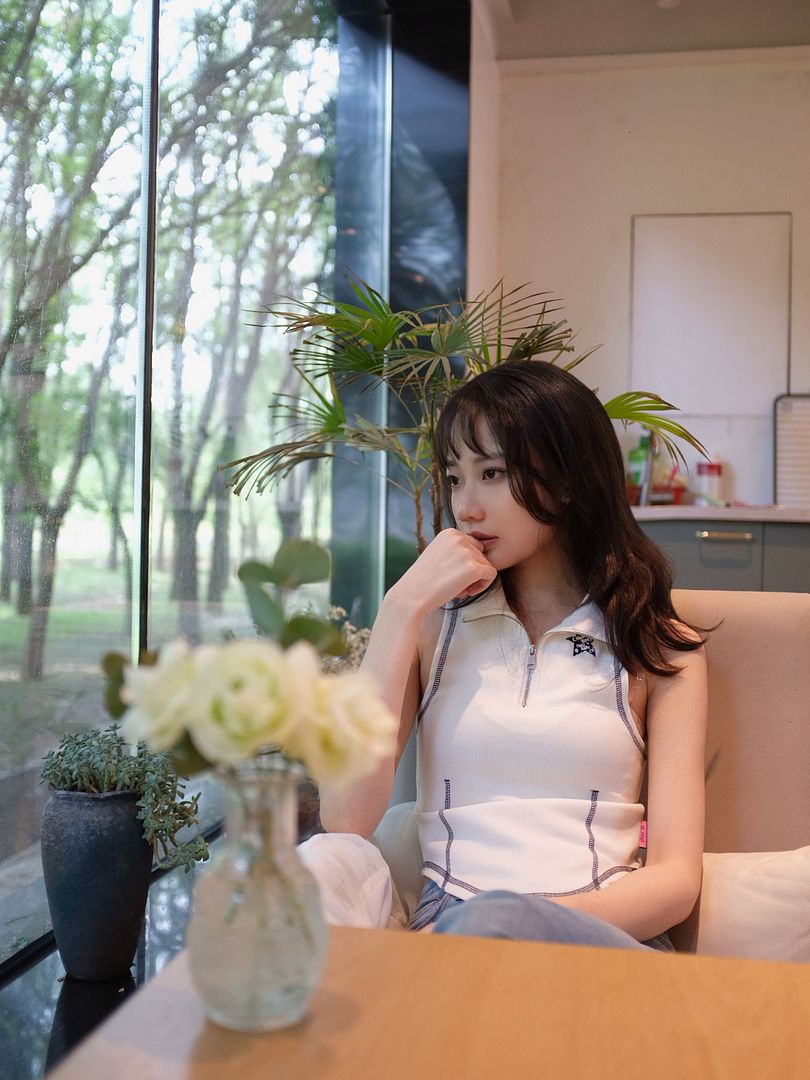
In this interview, Ruoxiao talks about what makes people keep watching, how instinct and market awareness come together in her work, and why standing out in vertical storytelling takes more than a strong first few seconds.
What first drew you to filmmaking, and how did you eventually find your place as a producer?
Growing up, my father was a passionate film lover. Every weekend, our family would watch movies together, and we’d always stay to watch the making-of documentaries on the DVD. Watching filmmakers collaborate to bring a story to life made me fall in love with that creative process.
As I studied film production and learned about every role on set, producing felt like a natural fit. I connect deeply with stories and people, and I’m drawn to the work of bridging a director’s vision with what an audience needs. To me, a producer is like a gold prospector: you find something rare and valuable, and you present it to the world in the way it deserves. I never want real gold to stay buried.
Producing often sits between creative instinct and practical decision-making. How do you balance those two sides of the role?
To me, creative instinct and practical decision-making aren’t in conflict. Producing is fundamentally about maximizing creative potential within real constraints. When something truly matters to the story, I don’t let it go easily; I find a way to make it work.
The real skill is knowing where to hold firm and where to be flexible: where the budget and time should go, which details are non-negotiable, and which can bend. My job is to find the best possible solution within whatever limits exist.
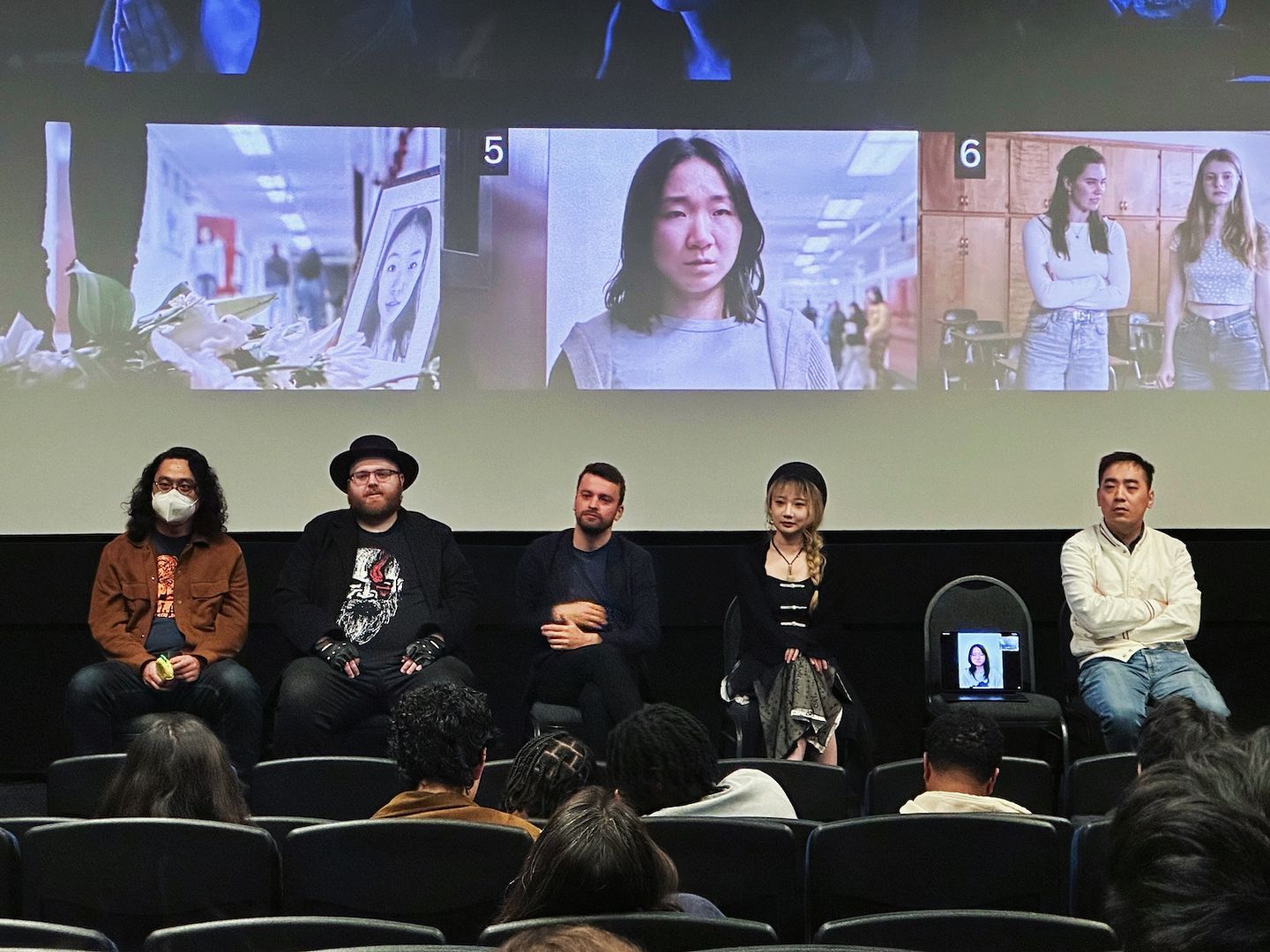
After joining ReelShort, what was the biggest shift from your earlier training in fine art and film to producing within such a fast-moving digital storytelling environment?
The biggest shift was moving from creative expression to market awareness. In film training, subtext and buildup were valid tools. You had time to let things breathe. At ReelShort, it’s much closer to advertising: you read your audience through data and put your resources behind the moments that hit hardest.
The fundamental lesson was that vertical short drama is emotion-driven, not plot-driven. Audiences follow how something makes them feel, not just what happens next, and that completely changed how I approach every scene.
The pace of decision-making shifts too. Choices that might take days on a film set have to happen almost instantly here. It’s demanding, but it sharpened my instincts in ways I didn’t expect.
ReelShort is known as the leading vertical short-drama platform. Working within that environment, what have you noticed about the way audiences connect with stories today?
What I’ve noticed is that audiences are evolving fast. As the market grows and formulas multiply, viewers get smarter. They recognize patterns quickly and disengage the moment something feels recycled.
But one thing hasn’t changed: audiences want fantasy with a point of entry. They don’t want to see themselves exactly. They want a version of their emotional reality, but elevated. A character whose situation they understand, but who gets to live out the “what if I could…” they’ve never been able to experience. That’s the sweet spot: emotional familiarity plus aspirational escape.
The job now is constantly finding new ways into that feeling before the current formula wears out.
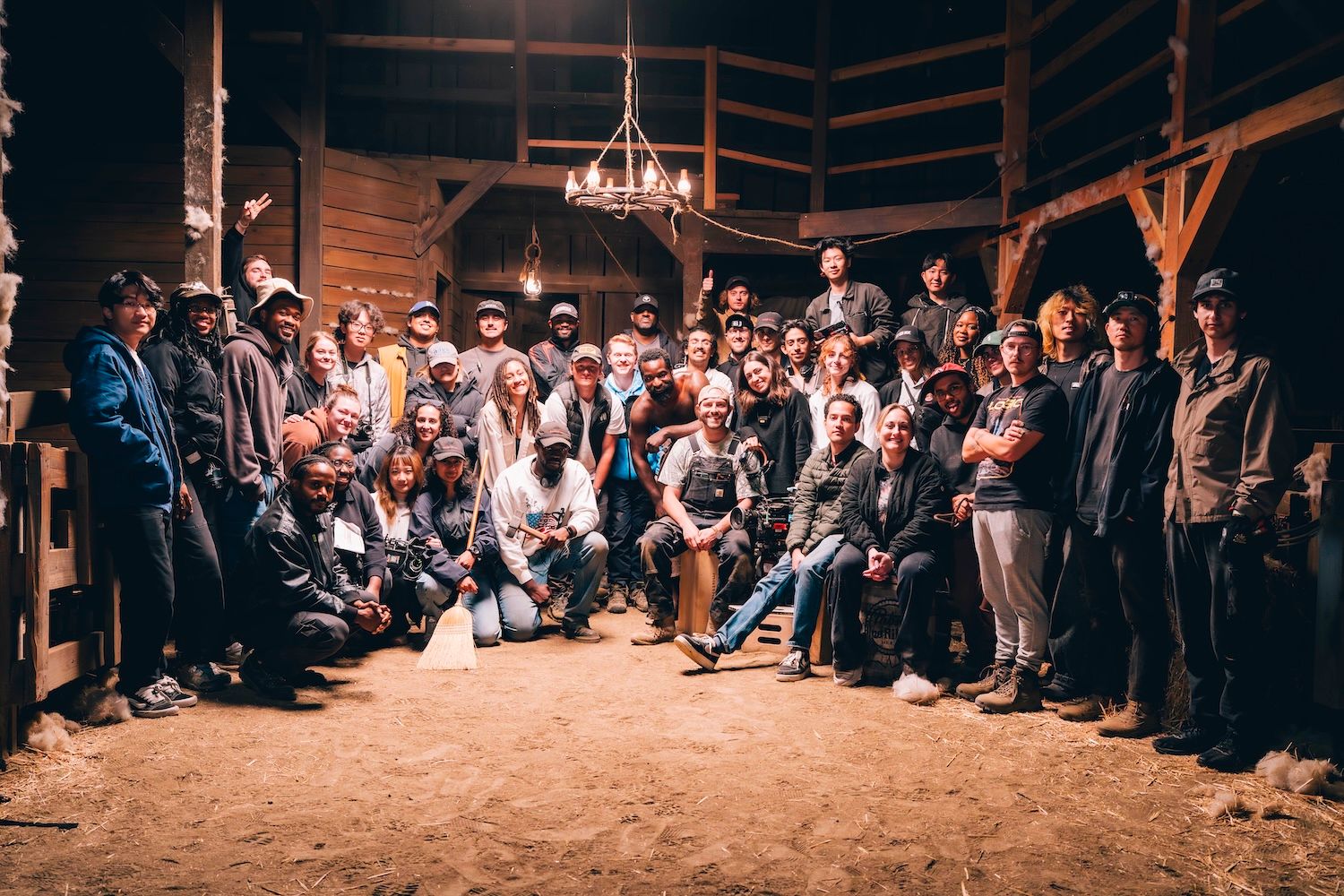
Having produced multiple short-drama series for ReelShort, how has working in vertical storytelling shaped the way you think about pacing, character, and emotional payoff?
Vertical storytelling has pushed every part of my creative thinking to be more precise. On pacing, especially before the paywall, every episode is a make-or-break moment. It has to move fast, it has to create tension, and there’s no room for a slow build. Character and conflict have to be established almost immediately; the core stakes and central tension need to land right away, not through buildup.
But the deepest shift has been in how I think about emotional peaks. Vertical is emotion-driven, not plot-driven, which means the intensity and accuracy of emotion matter more than narrative completeness. We even use emotional data to understand which states drive viewer behavior most effectively. High-arousal, positive emotions such as excitement, euphoria and surprise can be especially powerful engagement triggers.
Good vertical isn’t just telling a story. It’s engineering a feeling.
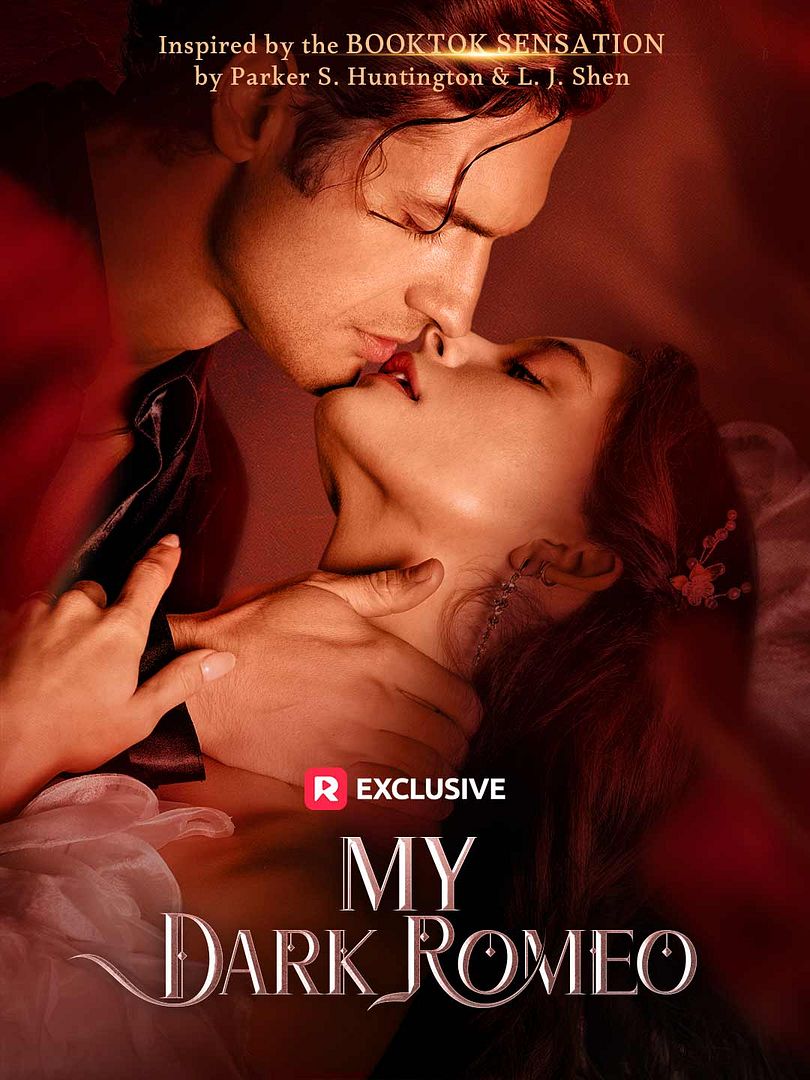
In the ReelShort series My Dark Romeo, the emotional stakes are heightened from the very beginning, with romance, reputation, and power dynamics driving the story. What are the key things a producer needs to protect in a project like that?
In a project like My Dark Romeo, the first responsibility is fidelity to the source material. This story is adapted from a beloved American novel with its own established characters and emotional logic. Our job is to protect the moments that resonated with readers, not sacrifice them for the sake of format.
The second is emotional and character authenticity. When romance, reputation, and power dynamics are all in play, it’s easy to drift toward formula and flat archetypes. A producer has to hold the line on what makes each character’s motivations real, so audiences actually believe in the relationship rather than just being carried along by the fantasy.
The Magnificent Bodyguard, another series on ReelShort, brings together action, suspense, and personal mystery. What are some of the production challenges that come with building a story on that scale?
The Magnificent Bodyguard came with some real production challenges. The most immediate was shooting action sequences in vertical format. The frame itself limits how much space you have to choreograph movement, so the question was never just, “How do we make the fight look good?” It was also, “How do we make every action beat serve an emotional payoff rather than just showcase the stunt?”
Executing that well within tight time and budget constraints was one of the most demanding parts of the project.
The narrative challenge was equally complex. With action, suspense, and personal mystery all running simultaneously, every thread has to move fast and land effectively without diluting the others. Keeping each episode kinetic while still advancing the mystery and preserving character depth was a structural balancing act throughout.
Your latest series, I Accidentally Sexted My Enemy, has caught on quickly on ReelShort. What do you think audiences are responding to in its mix of romance, comedy and digital-age misunderstandings?
Sexting as a plot device is inherently YA — it carries that perfect mix of thrill, vulnerability, and digital intimacy that resonates deeply with younger audiences. What really elevates it is the cast. The chemistry between our leads is undeniable, and they bring an authenticity to those screen-mediated moments that feels genuinely electric. I think audiences are responding to how culturally current it feels — it’s not just a romance, it’s a story told in the emotional language of this generation.
Having worked across different genres and formats, what has shaped your voice most as a producer?
What has shaped me most is the breadth of experience, from fine art to film to vertical short drama. Each format forced me to relearn what makes a good story and what audiences actually need. Working as a vertical producer sharpened my understanding of market and emotion, but one thing has never changed: my passion for the craft. I’m always looking for fresh ways to express something, whether that’s a new visual language or a new emotional entry point.
I believe that human languages differ and experiences differ, but emotions are universal. How to take what a creator truly wants to say and deliver it accurately to an audience is the question I keep coming back to as a producer.
With leading platforms like ReelShort bringing vertical short drama to a wider audience, how do you see the format influencing the way stories are produced, shared, and consumed?
Vertical short drama is reshaping how content is made and consumed: faster pacing, lower barriers to entry, and distribution deeply integrated with the content itself. But the rapid expansion of the market, accelerated by AI, is also flooding the space with formula. More and more content looks exciting on the surface but follows the same patterns underneath.
My instinct is that audiences, after being fed high-intensity stimulation for long enough, may eventually swing back toward something more grounded: stories with real emotional texture. But this is still a very new industry, and we’re all figuring it out. I’d rather stay open and iterate alongside the audience than make premature predictions about where it’s all heading.
What advice would you give to young producers or filmmakers who are just starting to find their place in the industry?
My advice would be this: whatever kind of filmmaker you want to become, start by becoming a good storyteller. That means not just understanding the story, but finding the right people to tell it and the right audience to receive it. For producers especially, that combination of creative instinct and market awareness is everything.
Producing is a unique role. You need enough understanding of every position, including the director, DP, art department and post, to coordinate everyone effectively toward the same vision. And you have to be willing to make bold decisions and own the consequences.
The deepest lesson from my own journey is to stay passionate about the craft but clear-eyed about the market. The two aren’t in conflict. They’re what it takes to make sure good stories actually get seen.
Looking ahead, what kinds of projects are you hoping to take on next? Are there any genres you’d like to explore further, or writers you’d be excited to collaborate with?
I’m open to everything. Genre and format are tools. They’re rhetorical choices in service of a story, not the story itself. You start with a strong core, then find the right medium and genre to express it. So I don’t filter projects by category or platform.
What I look for is simpler: does this story move me? Does it make me want to bring it to life? Every story exists for a reason, and I hope to keep that curiosity and passion, and to keep finding the ones that deserve to be seen.
Interviewed by Ella Chang