Once confined to the back of a bedside drawer, pleasure technology is having a mainstream moment—and it looks nothing like it used to. Sleek, sculptural, app-connected, and unapologetically designed, the new generation of intimate devices has moved out of the shadows and onto the coffee table of modern living.
This is not a story about novelty. It is a story about design, health, and the slow cultural normalisation of pleasure as a legitimate part of adult wellbeing. The category once dismissed as a gag gift has matured into a serious industry—one that marries hardware engineering with wellness science, and sells on aesthetics as much as function.
The Quiet Mainstreaming of Pleasure Tech
The numbers tell the story before the products do. The U.S. sexual wellness market alone is projected to reach $20 billion by 2030, according to Grand View Research—and global figures are larger still. What was once a fringe category is now a recognised sector of the wellness economy—covered by the same trend pages that report on skincare and sleep tech.
Retail has followed. High-end department stores now dedicate floor space to curated intimate collections, placing them alongside candles and cashmere rather than hiding them behind a counter. The message is deliberate: this is lifestyle, not contraband.
Design Matters: From Novelty to Premium
Look at the current generation of premium devices and one thing is immediately clear: industrial designers have arrived. Body-safe materials—medical-grade silicone, stainless steel, borosilicate glass—have replaced the plasticky textures of the past. Shapes are sculptural, colours are considered, and packaging could sit comfortably in a design museum.
This matters more than it might seem. When a product is beautiful, it stops being something to hide. It becomes something to own, to display, to talk about. The design shift is doing cultural work that no marketing campaign could: it is normalising the category by making it desirable rather than merely functional.
When Technology Gets Personal
The real transformation, though, is happening inside the devices. Motors have been refined for quiet operation and consistent power. Attachments are engineered for precise, repeatable sensation. And increasingly, connectivity is changing what a device can do.
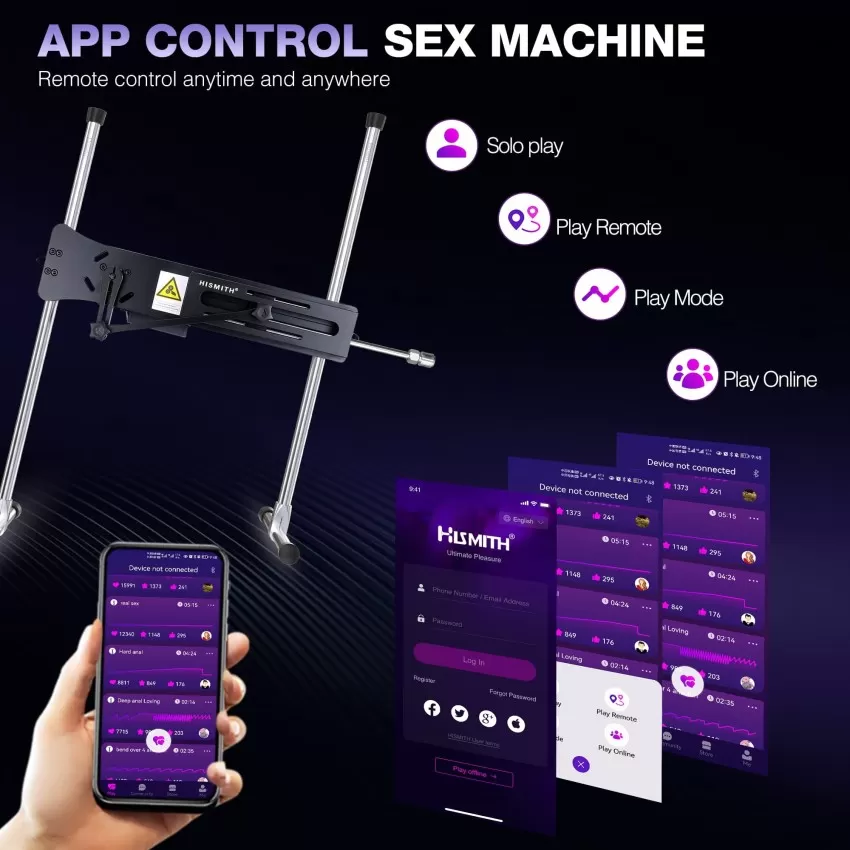
App-controlled machines now allow users to adjust speed, stroke length, and patterns with a swipe—or hand control to a partner across the world. The experience is no longer a one-size-fits-all preset; it is personalised, programmable, and evolving. Brands that build their hardware around this philosophy—like Hismith, whose app-connected machines pair precise motors with interchangeable, body-safe attachments—are effectively designing for a new kind of intimacy, one where technology amplifies connection rather than replacing it.
Pleasure as Wellness
The wellness framing is not marketing spin. The World Health Organization defines sexual health as “a state of physical, emotional, mental and social well-being in relation to sexuality”—not merely the absence of disease. By that definition, pleasure technology is health technology: a tool for stress relief, body awareness, sleep, and self-knowledge.
This is why the category keeps crossing into wellness territory—featured in self-care roundups, recommended by sex educators, and increasingly mentioned by therapists as part of a healthy relationship with one’s own body. The stigma is fading fastest among younger adults, who treat sexual wellness with the same matter-of-fact attitude they bring to skincare routines and gym memberships.
What Comes Next
Three directions are worth watching. First, smarter personalisation: AI-assisted pattern learning that adapts to individual response. Second, deeper integration with health tracking, as devices begin to connect with broader wellbeing data. And third, shared experiences: long-distance intimacy features that keep couples connected regardless of geography.
The through-line is consistent: pleasure technology is becoming less about the device and more about the experience it enables. The hardware is the means; the end is connection—to oneself, to a partner, to a more honest conversation about what adults actually want.
Frequently Asked Questions
What exactly is premium pleasure technology?
Premium pleasure technology refers to high-end intimate devices that combine precision engineering, body-safe materials, and often smart connectivity. Unlike novelty products, they are designed for consistent performance, durability, and aesthetics—and increasingly, for personalisation through app control.
Are high-end intimate devices worth the investment?
For most people, yes—if you use them regularly. The difference shows up in motor quality, material safety, noise levels, and longevity. A well-built device can last for years, while cheaper alternatives often need replacing—and the experience is rarely comparable.
What materials should I look for?
Look for body-safe, non-porous materials: medical-grade silicone, stainless steel, or borosilicate glass. They are easy to clean, do not harbour bacteria, and are safe for prolonged contact with sensitive tissue. If a product does not state its materials clearly, treat that as a red flag.
Can pleasure technology really support wellness?
Yes. Sexual health is recognised by the World Health Organization as part of overall wellbeing, and regular self-pleasure is linked to stress relief, better sleep, and greater body awareness. Pleasure technology is simply a well-engineered tool for that practice.
The Takeaway
Premium pleasure technology has outgrown its novelty origins. It is now a design category, a wellness tool, and a cultural signal all at once—proof that intimacy, like everything else in modern life, is being thoughtfully reimagined. The devices may have changed, but what they offer is timeless: a reminder that pleasure, well designed, is simply part of a life well lived.