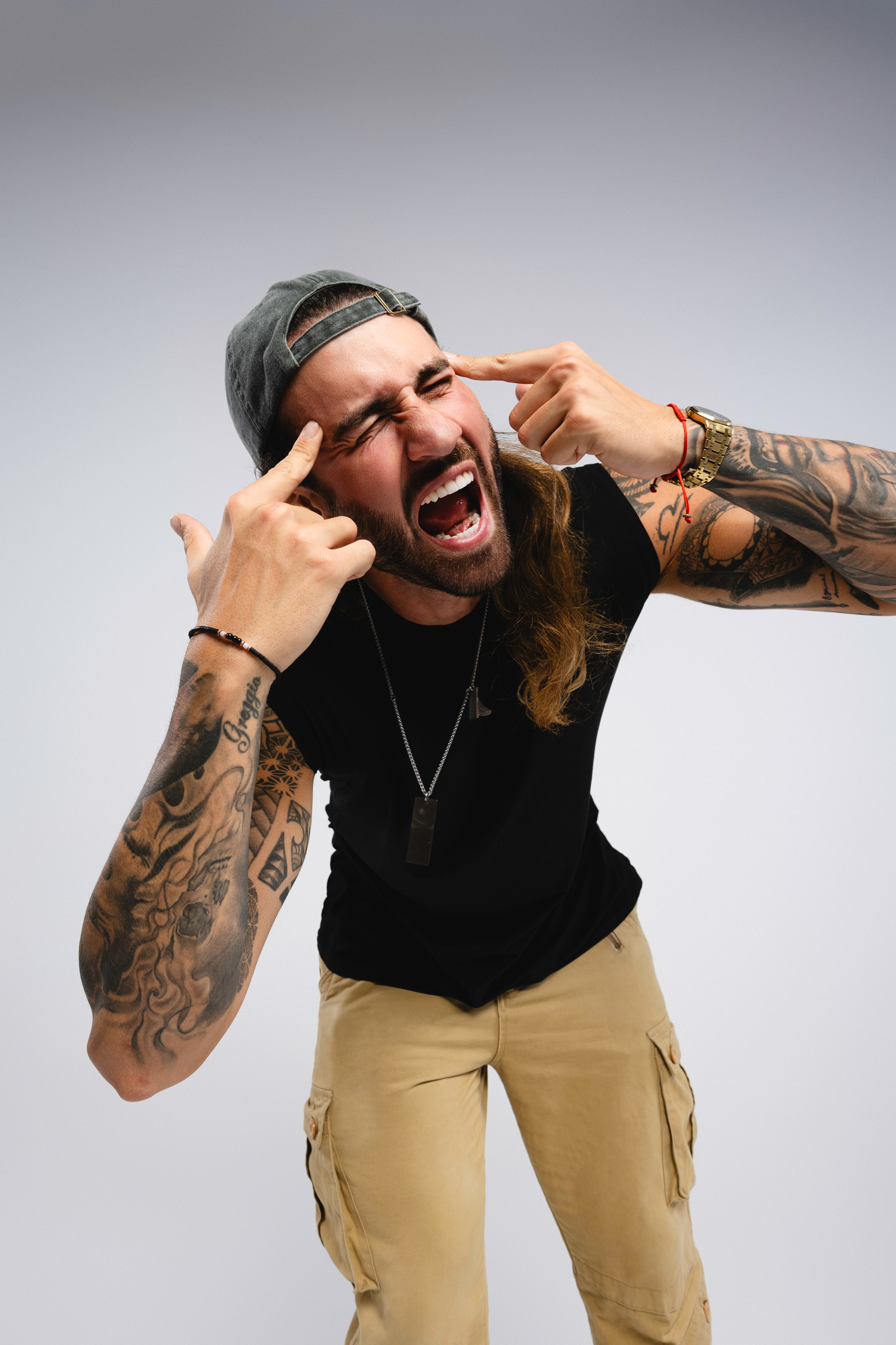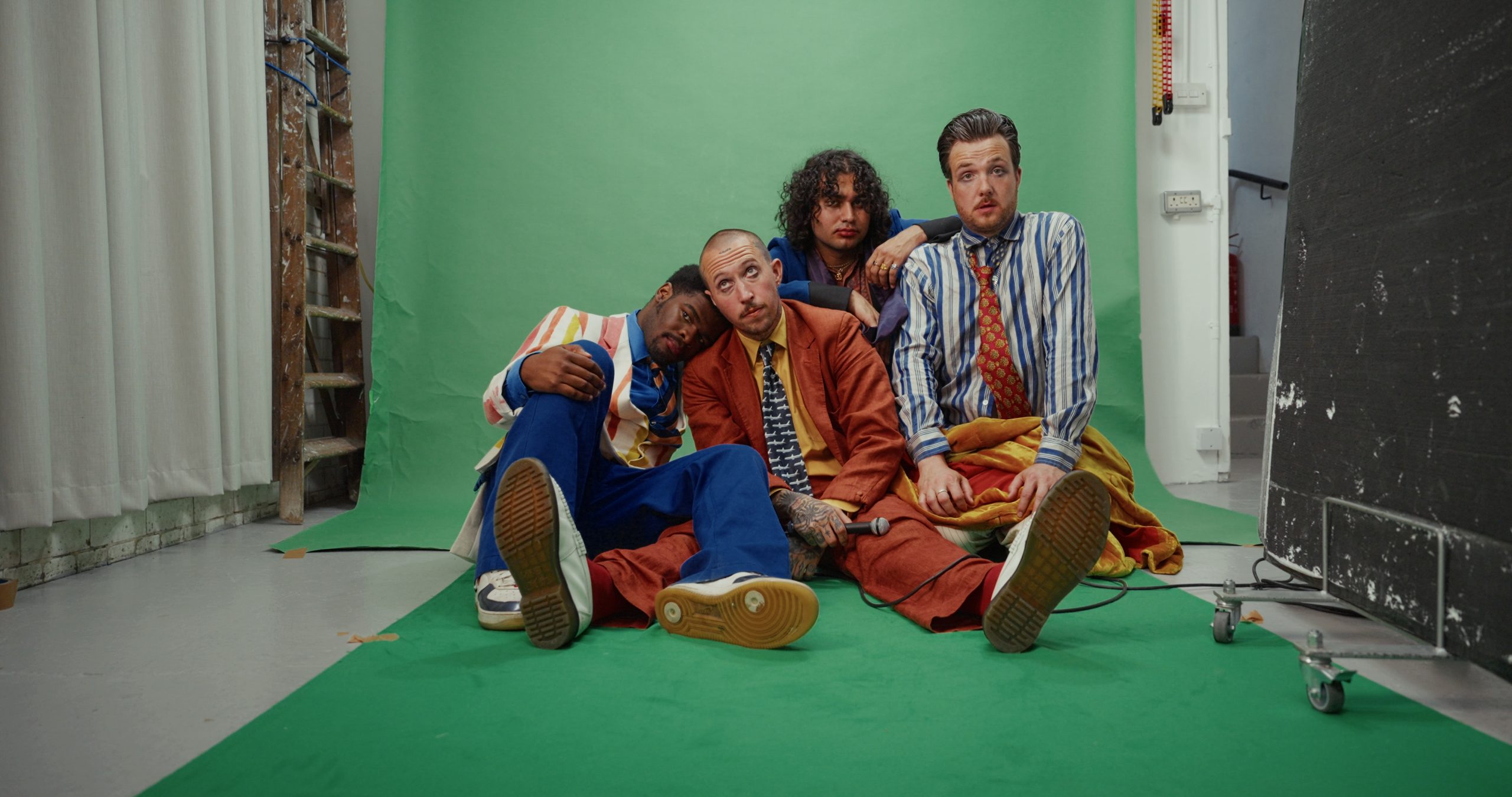
For Laurie Vincent, Big Truck is far more than a passion project. It is less about filling time between commitments and more about finding where he truly belongs as a musician at this stage in his life.
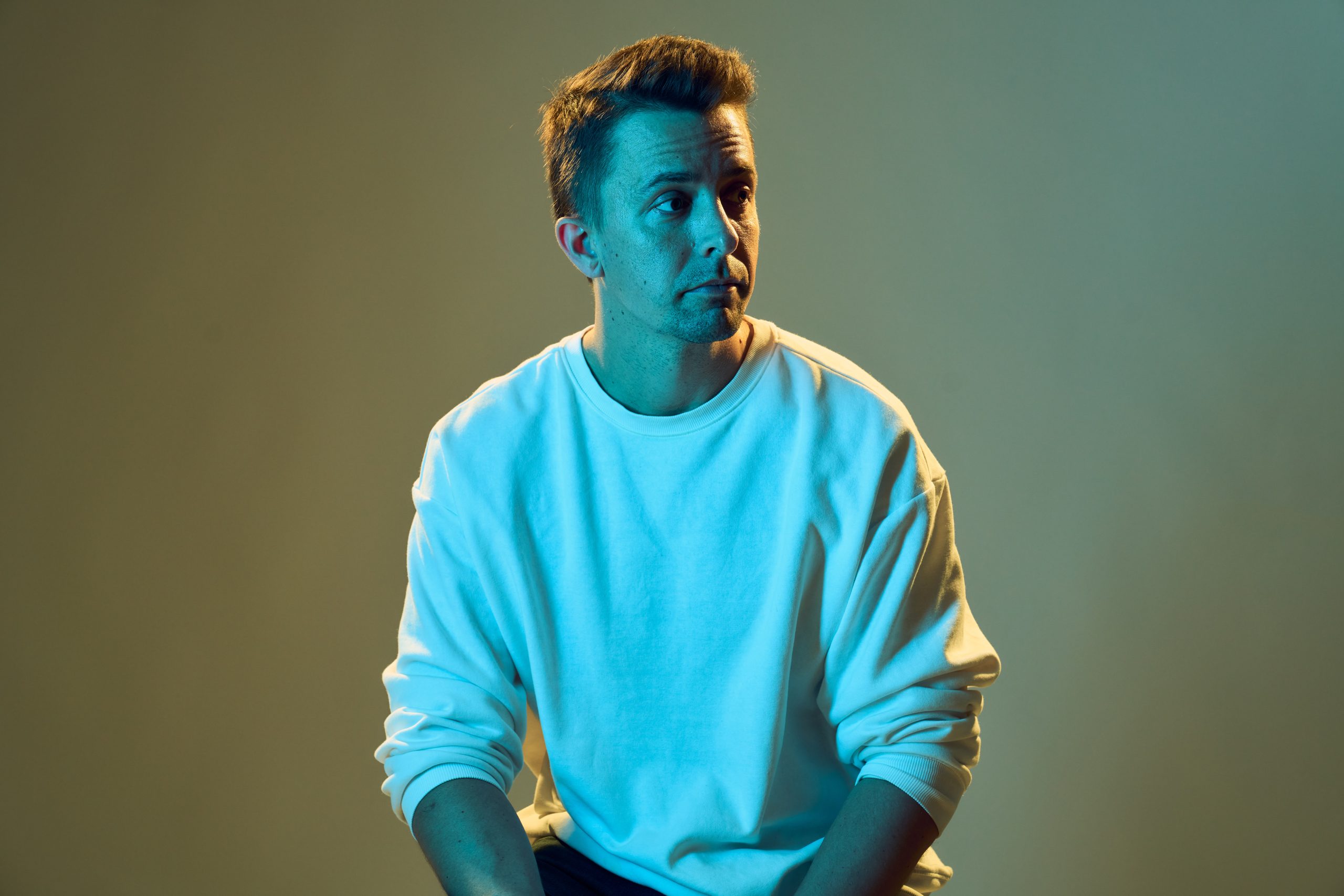
When he joins our Zoom call, cup in hand, he’s gently calling out to his kids: “I will in a minute.” He settles onto the sofa, framed photographs sitting on the shelves behind him. It’s a peaceful domestic scene, one worlds away from watching him throw himself around the stage as one half of the British punk duo SOFT PLAY. Yet, seeing him in this way feels closer to who he is – and as I’ll soon discover, the side of himself Big Truck gives him space to explore.
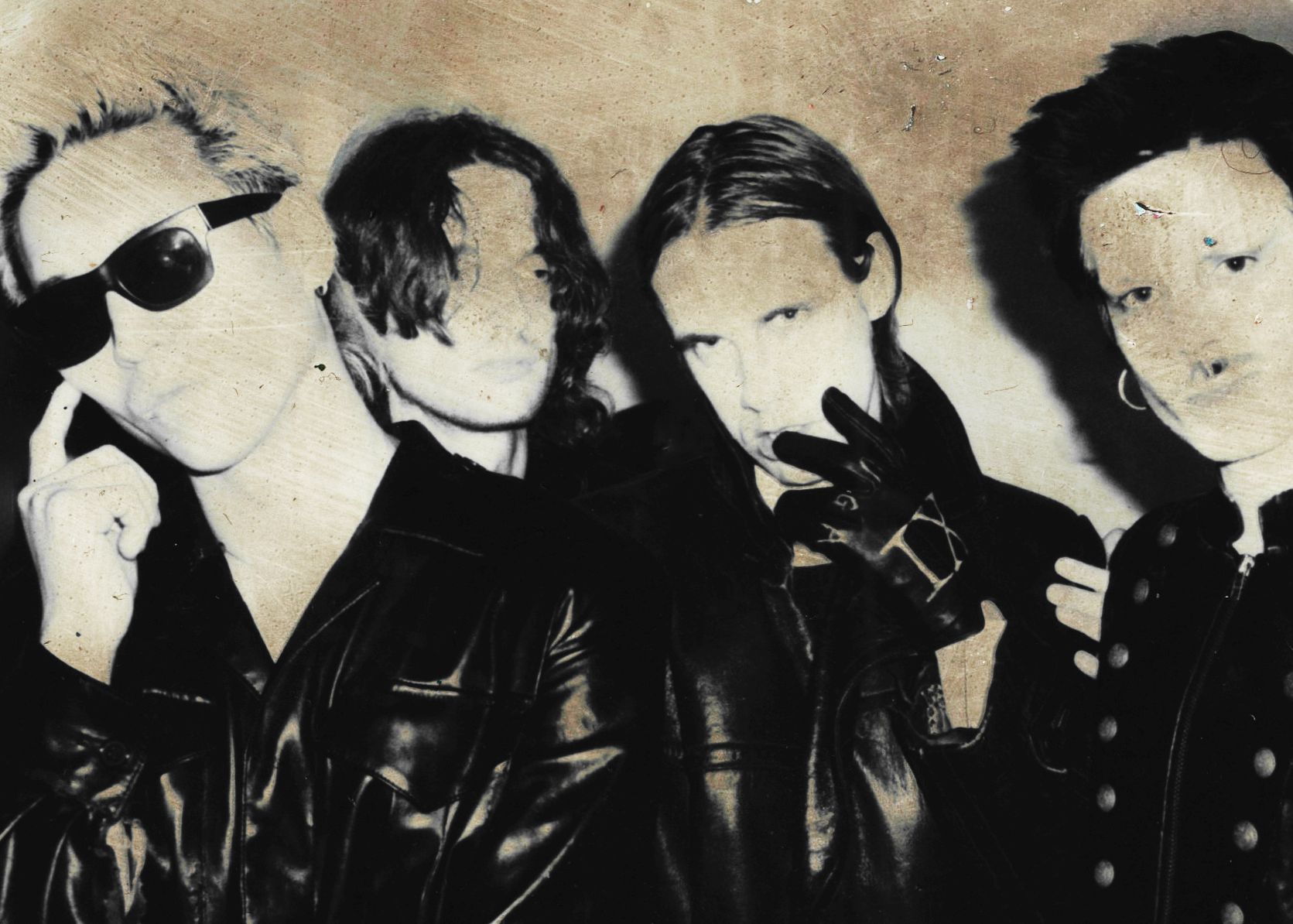
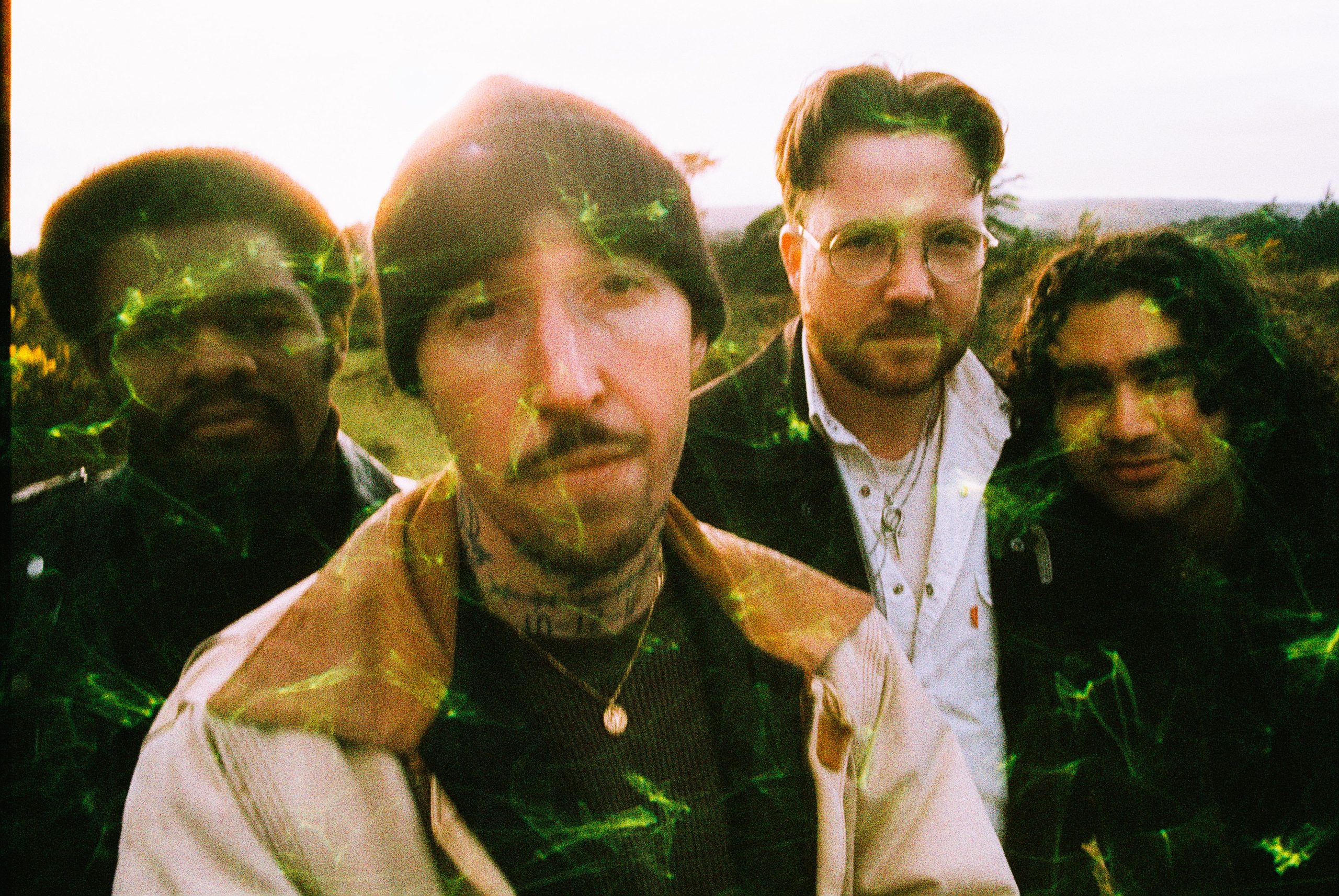
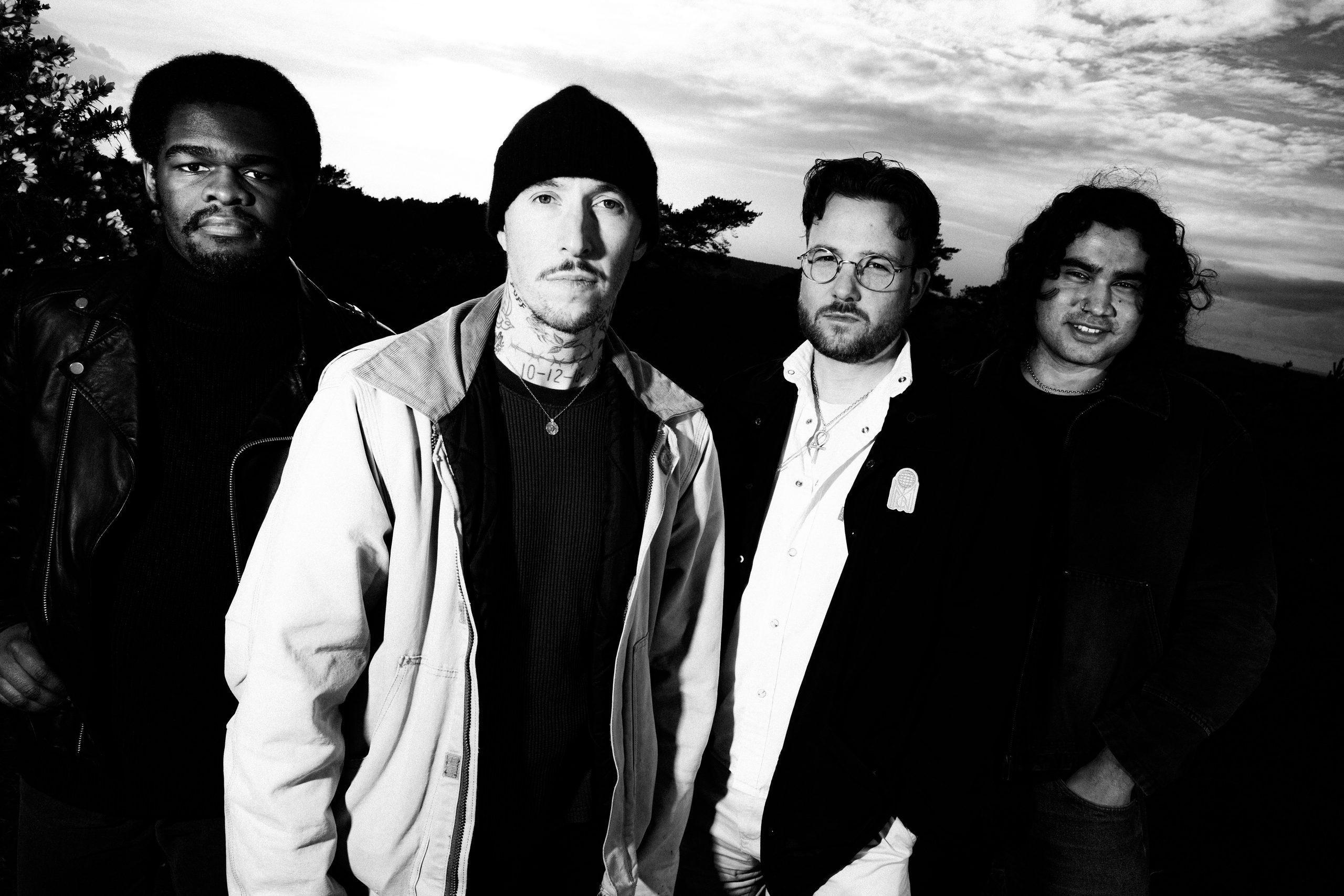
Throughout our conversation, he speaks passionately about the band’s debut album, Midway at the Middleway, released in August. Moving between spoken word, punk, and shades of Jamie T-esque storytelling, the record is a candid reflection of his thoughts and experiences. It’s brought to life alongside longtime friend and drummer Sam Coppings, keyboardist Justin Myles, and guitarist Asa Thallon, whose effortless dynamic suggests the right people have found one another at precisely the right time.
Stepping up as frontman and lyricist may have pushed Laurie into unfamiliar territory, but it’s a role he is thoroughly enjoying. So much so that the band is already planning to record their second album in November. With a collection of demos ready to go, it’s clear this side of Laurie has always been there – he simply needed the space to let it out.
In conversation with 1883 Magazine, Laurie Vincent discusses finding his voice as a songwriter and frontman, making space for family life, and embracing the possibilities of Big Truck.
Congratulations on your new record, Midday at the Middleway. The album has been out for nearly two months now. How does it feel reflecting back on it?
It’s one of those weird things, and I’ve discussed this a bit with industry friends or other musicians: there’s so much emphasis on the whole release campaign. Sometimes you struggle to remember that music needs to go and live its own life. There’s so much focus on promo and trying to maintain this sort of public appearance [and] they actually have nothing to do with the actual art.
So, we’ve just decided to go and make another album. I think that’s been quite a good reminder of why we do it – to actually make music. I think for certain people in the industry, it’s more useful for you to be in a campaign because you’re making money rather than being focused on art. What I’m meant to be doing is writing songs or creating stuff. The gig part, and all of the stuff that’s tied up in the release section of music is almost secondary.
I was speaking to a band the other day and they were like, we love to play live, that’s our thing. Whereas for you, the creative process and writing has been such a fundamental part of it. What would you say you’re enjoying most at the moment?
When I’m on stage for that half an hour, or hour, that bit is amazing. But I feel like I’ve over traveled and over stretched myself now in my life. I always get this sort of nervous anticipation or anxiety about having to go and do shows, but I love playing in the moment.
Basically, I love playing, whether that’s being creative and playing, writing songs, or just playing music. That’s the bit that I cherish the most. Being on stage is an amazing thing. I just don’t enjoy the in-betweens of tours. I think it’s with age, I enjoy being at home even more. We just moved to Cornwall so I’ve actually found somewhere that I really love being. To take me away from it, it has to be really worthwhile.
With you being in Cornwall, do you and the band get to spend much time jamming together, or do you do the writing and then you come together later down the line?
Well, I have this habit of writing loads, really fast. I’ll sit there with a guitar, and record on my phone, and then I’ll make demos and then we’ll get in a room together to work the tracks out. We did that last weekend, and it’s just changed how we do it.
Rather than a few hours one evening a week for a month we did two solid days of band practice, which was quite amazing. Our drummer said I’ve never got to band practice for two days solid, and that was quite an experience.
How has that impacted the process?
It’s interesting, because there’s so many songs in the works, and it was the same for the first album. It’s all going to just boil down to what comes out the week of recording that makes the record.
I’ve heard Adrianne Lenker talk about how each recording is just a capture, and that those recordings aren’t necessarily the song locked in forever, and I love how Big Thief will release a live recording. They’ve been dropping one a week recently and they just released one from the 3Arena and he’s got the whole crowd singing along at the end. He’s like, that’s a new version of that song. It’s just so refreshing, because everything is so digitised at the moment, but I think people are thirsting for raw music again.
Do you think that spontaneity will change how you capture the lyrics on the next record?
It’s like a faith-based experiment, which sounds deep, but I’ll have a pile of songs and for some reason there’ll be something about one song where I’m just like ‘I can’t stand that song’, and then Sam [drummer and producer] will be like, that’s my favourite song. Or on the first album for instance, he thought Rebounder was by far his least favourite song and arguably it was the most successful of the album. So there’s this push and pull. Other people can find qualities in your music that you can’t always recognise.
I think for me it’s really useful leaving everything open because I’m such a feeling person and artist. I never know what’s going to come out, and to lock it in definitely kills the magic. I even have it when we’re performing. There are slight lyric changes, because I’ve either forgotten or the perspective shifts [and] you can feel into it deeper if you phrase it a different way. I think that makes it exciting, rather than it being on a backing track.
Is that true artistic expression for you?
Yeah, and I also think it’s granting yourself freedom. When SOFT PLAY first introduced other instruments into our recordings, we were like, oh yeah, but you can’t play it live. You get such a rigid idea of what you can and can’t do that you totally forget that you’re completely free and autonomous to do anything.
Carrying on with the same theme then. You’ve spoken before about wanting to step into the role of frontman. Are you enjoying it?
Yeah, I am. The bit that feels really surreal—and I think I’ve always wanted this more than anything—is that I now have a collection of songs that are story-based songs. If I wanted to, I could just take a guitar to a pub and play my songs, and talk about my thoughts. I think that’s the most important thing to me. I think there’s only some guitarists who are so expressionary that you can almost hear what they’re saying through the guitar, but I wanted more than that.
It’s still sort of sinking in, and I feel like we’re really in our infancy, but because I’ve been making music so long it’s weird. It’s like feeling like a brand new artist and an established artist at the same time. For our bandmates, for the two of them, they’re really young, and this is their first run at it. But we played a show in Hamburg and like 500 people turned up. It was quite electrifying.
Having been in an established band like SOFT PLAY, do you feel it gave you the confidence to slow things down and pursue a project you were passionate about?
I still have imposter syndrome and I don’t have unlimited self-belief but I’ve got the confidence to go and do it anyway and I think that’s what SOFT PLAY has afforded me. Lots of people even doubted SOFT PLAY so I’ve come to realise that trusting your own intuition is so powerful. But I guess also there’s a financial thing. If I hadn’t done SOFT PLAY, I wouldn’t be able to make a passion project at this point in my life because of financial responsibility.
It’s given me confidence, but also I think it comes out of a place of always wanting to try and prove myself. I think there was an element with SOFT PLAY that I kind of always expected it to evolve into this clash-like project where we both sang songs, and that didn’t happen. So, I realised I had to go and write my own songs.
Sam has been a great support, and I’ve seen in interviews he’s spoken about the qualities you perhaps didn’t know you had. Does that give you an extra boost to say, actually I can do this.
We all have different qualities, but I’ll be playing some chords, and then Sam will break it down and be like, you don’t realize you’re doing this, but this is what you’re doing, and it’s very intuitive musicianship. He gives me a real sense of confidence and being able to lean on musicians that are so talented means that you can pull back and focus on the other bits like the words. There’s a deep joy. It’s an interesting thing, because I’ve essentially written the songs but what they add to it through their own experience makes the songs totally new things.
When we went out and did the in-store tour, it elevated my self-belief. I was like you could strip these songs right back to their core components, and then everyone’s singing them along, and they still feel super powerful.
I’m still constantly filled with self-doubt. But I think that’s the journey of an artist.
I imagine there’s still so much to learn from being with the others, and being in a band, but what’s been the highlight so far?
I always feel like I’ve been a new person every five years of my life, and if I reflect on who I was in my mid-twenties to now, I’m completely different. All these rules and ideas that I set out about myself, it’s almost like I get a kick now, breaking down those barriers. Even enjoying jazz music. In my head I’m a punk kid. Sam and Justin opened my eyes to this other world. So I guess essentially the most joyful thing is letting people be themselves.
When we started the band, we thought about establishing a visual identity, and how the band should look. But all four of us are so different. It became quickly apparent that it would look really forced. We’ve embraced everyone just being themselves, and that is what’s really cool about a band, is bringing personalities into a mix.
You’ve spoken before about the Beatles and how they were never confined to one thing, musically. Do you think blurring those lines between genres is easier nowadays?
I don’t know, I think that’s still something people are really struggling with. Personally, when I look at all the bands that get these 5 out of 5 star reviews they’re so referential of their peers that it’s almost too close. There’s a carbon copy rinse and repeat of bands going on at the moment.
When we were younger, we would be on tour, and you’d have, like, Fat White Family, Wolf Alice, The Amazing Snakeheads, The Witches, us. Everyone was doing something so radically different, but we were grouped together as an era. Whereas now, when I look at the “indie bands”, that are young— and maybe this is just me being cynical and old —but there’s a sound, and you could almost take one song from that band, one song from that band, put them on an album, and you’d think it was the same band. I’m really inspired by bands like the Beatles, where they were just relentless with their output, because ultimately, the art should lead. I think that is the most important bit.
Did you know before you started Big Truck what you wanted the sound to be like?
No, I had tried a side project before and I felt it didn’t work live. My main thing was I wanted it to sound like a band. I wanted to be able to go and play gigs. I sort of set myself this challenge that every idea I came up with I would just at least feel out. In my head all the songs on the album sound so different. I think Sam gave me that sense of bravery. As soon as it’s on an album and it’s out, it’s just your band and no one even doubts it. So I think my voice is the thing that threads it all together.
You’ve described it as being: guitar, experimental, abstract. What does experimental mean to you, personally?
I think it’s not conforming to the A, B, A, B, C, B sort of formula of music being verse, chorus, verse, chorus, bridge, chorus. Leaning into things that feel slightly more uncomfortable, or angular, or less straight on the nose. When Queen released Bohemian Rhapsody, they were like, it’ll never get played on the radio because it was a six minute song, and it did. I just want to lean into not just doing things for that sake. Why should you make music just to be on the radio?
One of the things I found most interesting about the album was that everything you were talking about was real.
The way I write lyrics is that every single word or phrase has come from a situation or something I’ve heard in real life. It’s finding the interest in the way that words sound together. If anyone asked me about any of the lyrics, I could say, well, that was because this happened. Then you can also interpret them however you want, and listen to them however you want. I never knew what to sing about, and then I realized it was just as simple as talking about what’s happened to you. I don’t have a runaway imagination. I’ve never been good at pretending and making stuff up. So for me, it was about what can I hear that feels interesting?
I started taking notes, writing a lot, and listening. Listening is really important. When people are talking I always like to hear phrases and I’m like wow that sounds good. I remember Sam’s wife saying ‘yesterday’s salad’. I was like wow that’s a mad phrase isn’t it? because they were eating wraps with ‘yesterday’s salad’ on it and I was like I don’t think I’d want to eat a wrap with ‘yesterday’s salad’.
You had a diary when you first started writing. Do you still have that diary now?
I always have a diary. I have so many books, sketchbooks, notebooks but I sort of work in mad frenzied bursts; so maybe a year, maybe a month, and then I have to retreat, and I don’t do anything. But there’s always a notes folder on my phone.
When I first started the project, the way that I accessed writing lyrics was just by a New Year’s resolution that I wanted to write. I just started writing at least once a day in my diary. Rebounder was kind of like a stream of consciousness based around the diary entry of what had happened to me that day.
So for the next album, which you mentioned earlier, is the process of writing going to be the same? And is that going to filter into a similar sound?
I think it’s even more musical. From doing this project, my voice has grown in strength so much that the songs I was struggling to sing at the beginning of the process, I can now sing — and do them better than I could when I recorded them. Sometimes having loads of words is a good way to distract from not being able to sing very well. So there’s part of this record where I want to pull back, say less, but say more with the way I’m singing.
There are a few straight up indie punk songs. I was listening to the demos the other day [and] it’s out there — that’s the only way I can describe it. I think it’s quite overwhelming to listen to at the moment, because obviously it doesn’t make sense. I’ve played some of it to a few people, and I think they’re almost like, is this even an album?
I imagine it’s not easy then pulling together a track list and deciding what fits.
Some days you wake up and you feel you could climb a mountain, and some days you wake up and you feel like you don’t want to get out of bed. I think that’s exactly how it feels. That’s how I feel all the time anyway [and] that’s how the music feels too. You can feed off each others’ energy in the studio, and you’re like, this is the best thing I’ve ever heard and then you get one mix back, and you’re like, this is shit. I’m constantly flitting between this is the best ever and this is the worst ever. I think that’s a good barometer to keep myself grounded.
Will fans have a chance to hear some of these new songs on the headline tour in February?
There’s a song called ‘Angry Song’ which kind of inspired the project. It was a song that was going to be on Heavy Jelly, and it never made it. I was like, well, I know I can write songs now. I didn’t put it on the first record, but then we got it out again, and it’s going to be on this record. It was funny releasing the [first] album because some people were like, where’s Angry Song? They’d already learned it. I think probably by the time we get to that tour, there’ll be three or four songs in the set.
Considering it’s in February and I don’t think people buy tickets in advance, it’s [tour] already selling really fast. So that’s exciting as well. The kind of numbers it’s at now is kind of like the numbers we were just playing to the other night. When you already know you’re gonna play to that many people it is quite exciting.
Oh, that’s fantastic. Well, looking forward to it. Thank you so much for chatting with me.
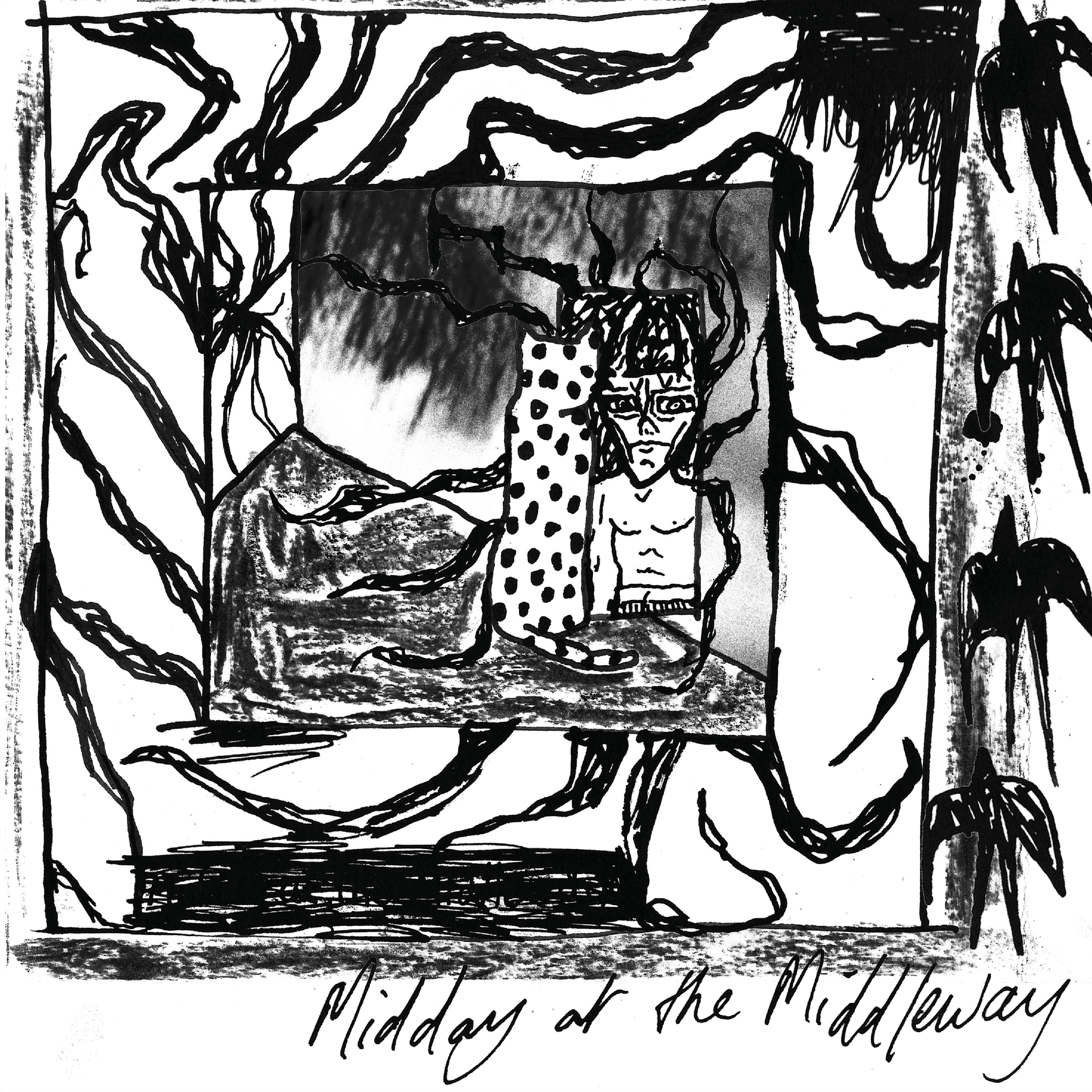
Big Truck”s new album Midday at the Middleway is out now, listen below.
Interview Lauren Edwards
Photography Jude Harrison