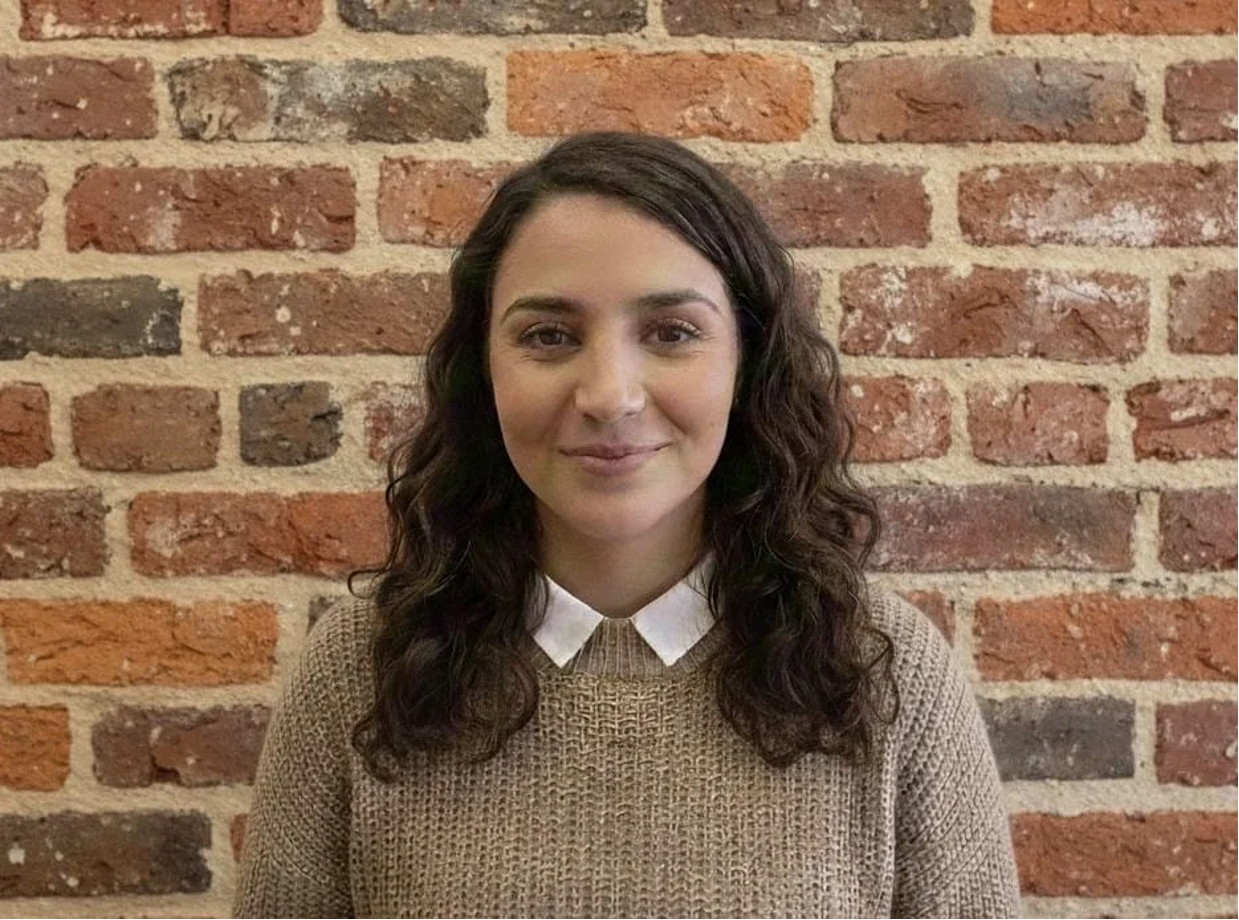
Ivonne Luna is a Massachusetts-licensed music educator whose career spans university level instruction, curriculum development, and public school music education in the United States and Colombia.With a background in student mentorship and performance, Luna has brought a depth of pedagogical expertise to her current work in the U.S. public school system. Prior to relocating to the U.S., Luna taught at the University of Cundinamarca and served as String Section Coordinator for Tocar y Luchar in Bogotá, a large-scale music education and social development program that has directly impacted over 11,000 students to date.
Known for her focus on structured instruction and community building, Luna views music not just as an academic subject, but as a “shared language” for students from diverse backgrounds. We sat down with Ivonne to discuss her transition between educational systems, her philosophy on cognitive development through music, and her continued role as a performing musician.
Q: Your career began in higher education, where you were involved in music instruction, curriculum delivery, and student mentorship before relocating to the United States. How did that academic foundation in pedagogical methods and program development prepare you for your transition into the U.S. public school system?
Ivonne Luna: At the university level, teaching happens both one on one and in group settings. Each student has specific needs, and as an instructor you have to recognize those differences and create learning plans that help them build a full set of skills over time. When I moved into teaching in a U.S. public school, where individual lessons were not an option, I first thought that it was going to require a whole new approach but then I realized the core idea was still the same: skills still need to be built step by step to reach academic goals, just on a different scale for a K–12 setting. The big difference in a classroom is designing lessons that work for most students at once, which makes having a clear, standardized sequence really important. One upside is that many students are brand new to their instruments, which gives you a chance to shape strong practice habits from the very beginning.
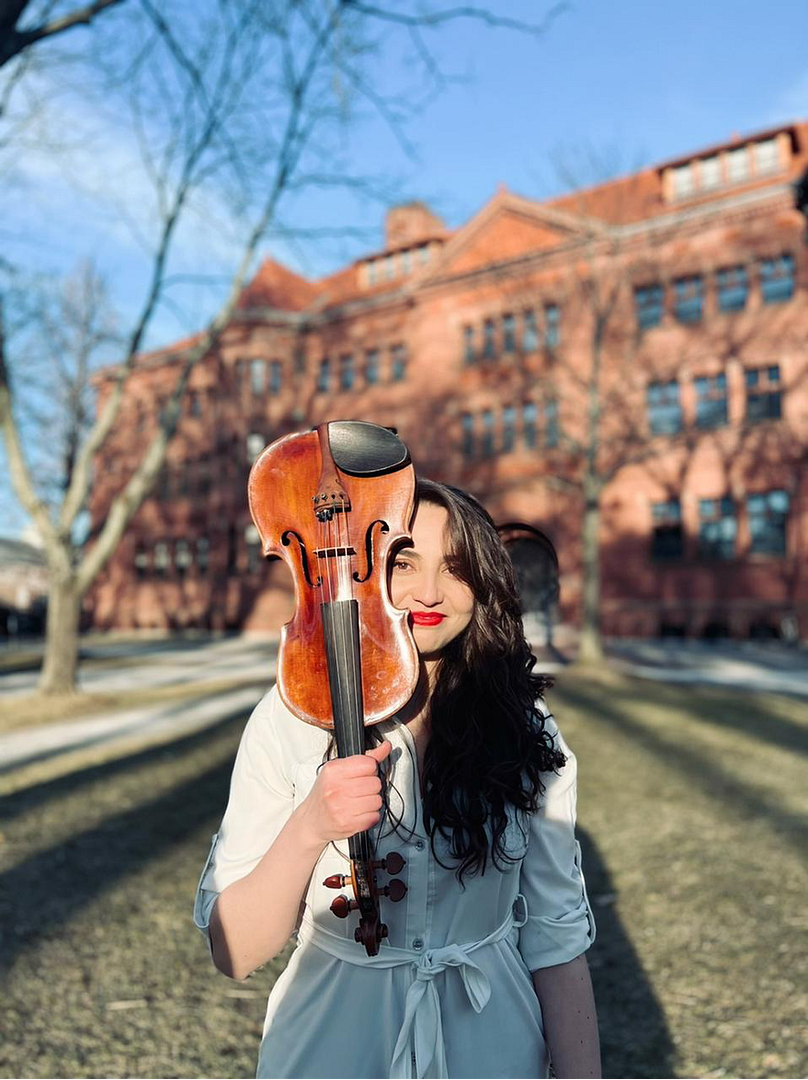
Q: You have transitioned from university settings to working with primary and secondary students in public schools—a move that education observers note brings advanced instructional expertise to diverse populations. How have you adapted your teaching approach to support students in these new environments?
Ivonne Luna: There’s a big difference between the two settings. At a university, you work with young adults that already see music as a career, they already have established practice routines and a clear approach to their craft. In a public school classroom, most students get to you with very little or no knowledge of music at all, they take your class because they enjoy it, because they are curious about it, but they’re thinking like professionals. When I began teaching in this setting, I realized that to build a successful program, I needed to meet students where they were, set realistic expectations, and create a supportive space that combined the skill development that they need and also the excitement that drew them to music in the first place. Kids enjoy music for the sake of music, they’re not thinking about technical proficiency, they are thinking about enjoyment and they celebrate every small win, that’s the energy you have to work with.
Q: A key part of your philosophy is viewing music as a tool for cognitive development, emotional expression, and social integration, particularly for students navigating cultural transitions. You’ve been quoted as saying, “Music becomes a shared language.” Can you elaborate on how this approach helps students find their place in a new culture?
Ivonne Luna: I work with students from many different backgrounds, many of them were born in another country where English is not their first language. I’ve seen how language barriers can make it hard for students to connect with their peers and build meaningful relationships. I’ve felt that same thing myself as a foreigner navigating a new learning environment. Music, as a language of its own, becomes a neutral space where everyone meets on equal ground. So when you’re making music with your peers and sharing the same struggles and victories, the feeling of being an outsider starts to disappear.
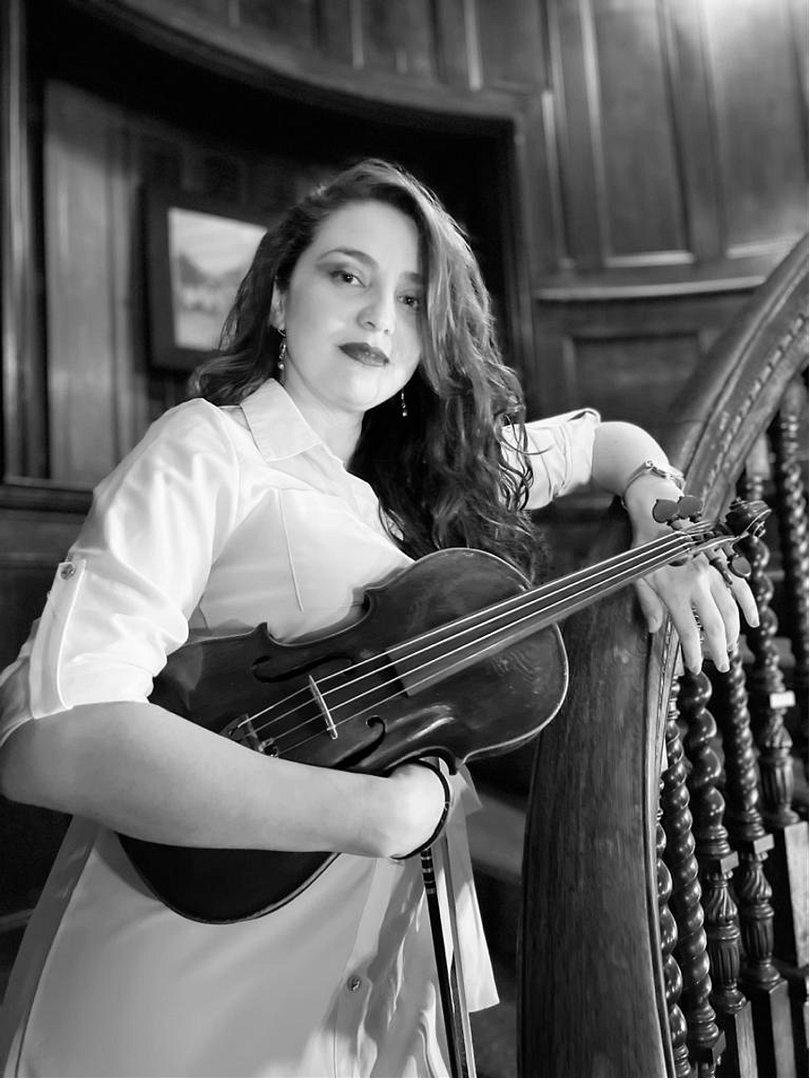
Q: In your current role, you work with students from varied cultural and socioeconomic backgrounds. How do you balance the technical requirements of foundational music education with the need to foster a sense of community and well-being within the classroom?
Ivonne Luna: The choosing repertoire plays an important role. I try to include as many different pieces as possible to make my classroom culturally responsive and respectful of my students’ backgrounds and identities. I want the classroom to feel inclusive, and I want all of my students to feel represented in some way. At the same time, the repertoire needs to meet their needs while being technically appropriate for the development of their skills. I also think the most important part of building community goes beyond the classroom, especially when parents come to concerts and hear a song they recognize. I try to give students as many opportunities to share as possible. We hold small ensemble concerts where they are free to choose what they play, and we’ve established a yearly project called My Music Represents Me, where students share music that matters to them, whether for cultural reasons or personal preferences.
Q: Beyond your work as an educator, you remain active as a performing musician in a local community orchestra. How does this sustained engagement in performance complement your work in the classroom and contribute to the broader cultural life of your community?
Ivonne Luna: I feel that when students can see you actively practicing or performing your craft, it’s an opportunity to inspire them. There’s a famous phrase that says, “The best education is a good example,” and I truly believe it. I love inviting my students to my concerts, and I take any chance to perform for them at school. When students witness a teacher fully engaged in music, it gives them a concrete example of what dedication, discipline, and passion look like in action. It also helps them see that learning music is a lifelong process, not something that ends in the classroom. Having a role model who is actively involved in their own musical journey makes the learning experience more meaningful.
As Ivonne Luna continues her work across classrooms and performance spaces, her approach to music education remains rooted in connection, purpose, and cultural awareness. By bringing university-level discipline into public school environments, she reframes music as both a rigorous practice and a shared experience—one that fosters belonging, curiosity, and confidence. Whether guiding young students through their first notes or performing as part of her local orchestra, Luna’s work reflects the enduring power of music to bridge differences and shape communities.