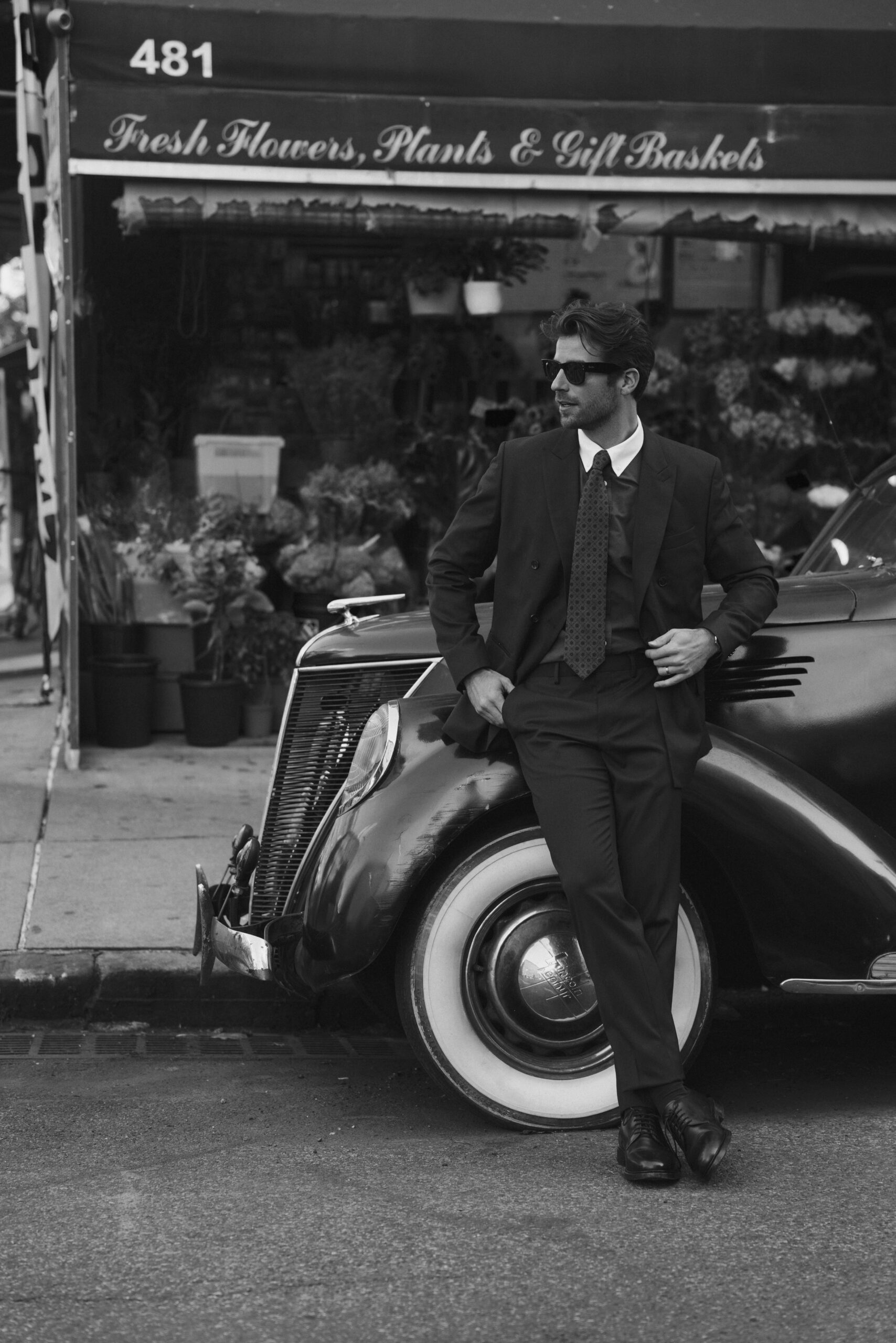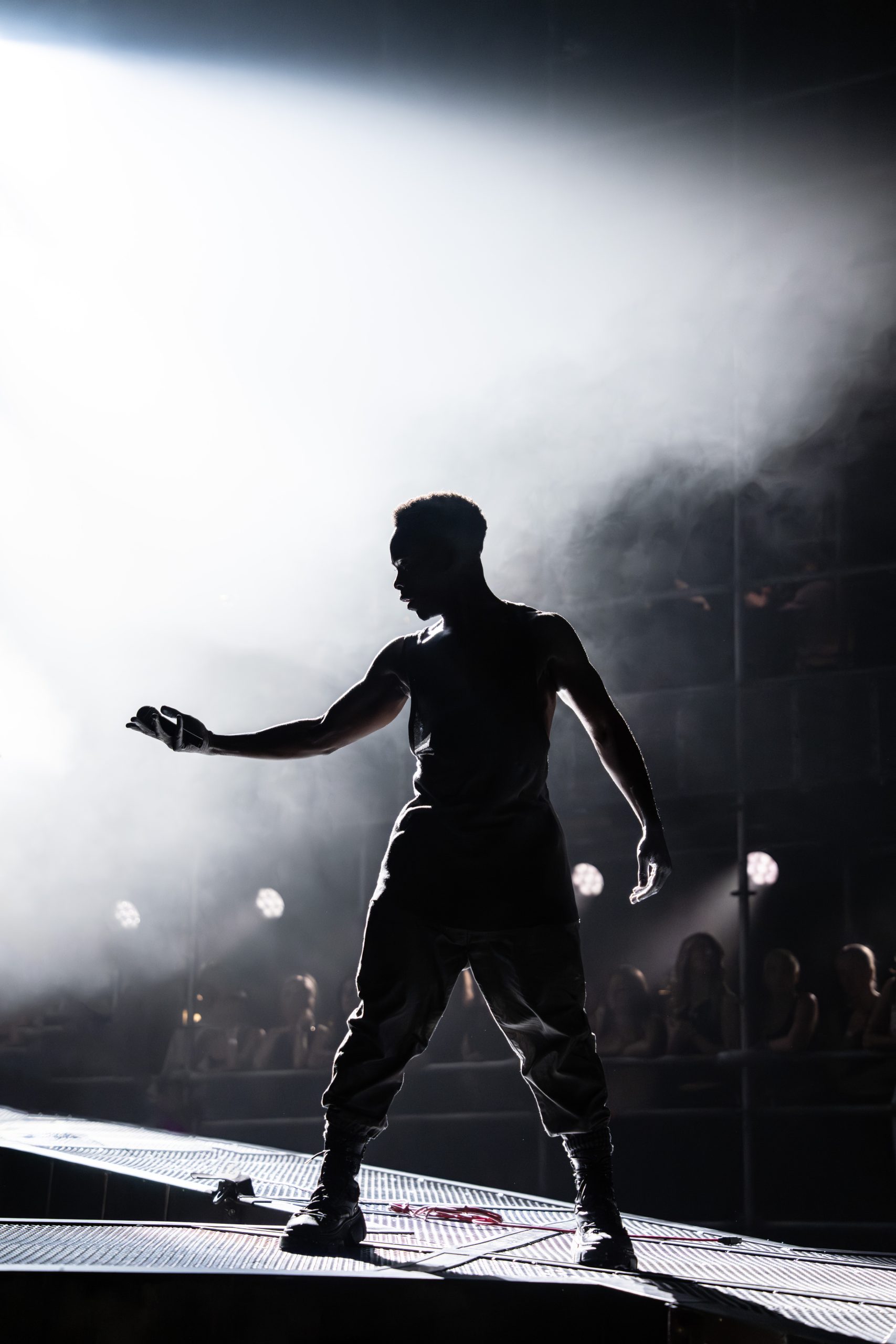
A decade after first stepping into the role of Judas in Jesus Christ Superstar, Tyrone Huntley has returned to the part at the London Palladium with even greater depth, vulnerability, and emotional force. On opening night, his performance was phenomenal. Rather than presenting Judas simply as angry or embittered, Tyrone made every decision feel rooted in love, fear, conviction, and heartbreak. From the audience, you could feel how torn he was, and how desperately he wanted to be heard by the man he loved.
It is a role that has already shaped Tyrone’s career, earning him an Olivier Award nomination when he first played it in 2016, but his relationship with the show has continued to evolve. Last year, he returned to Jesus Christ Superstar from a different perspective, playing Simon Zealotes at the Hollywood Bowl while also preparing as the understudy for Jesus. Less than 48 hours after performing on that stage, he was back at the venue working as an usher, a remarkable snapshot of both the highs and the realities of life as a working actor.
For 1883’s 18 Questions With, Tyrone reflects on revisiting Judas ten years on, the loneliness at the heart of the character, success beyond appearances, and the television role he hopes to manifest next.
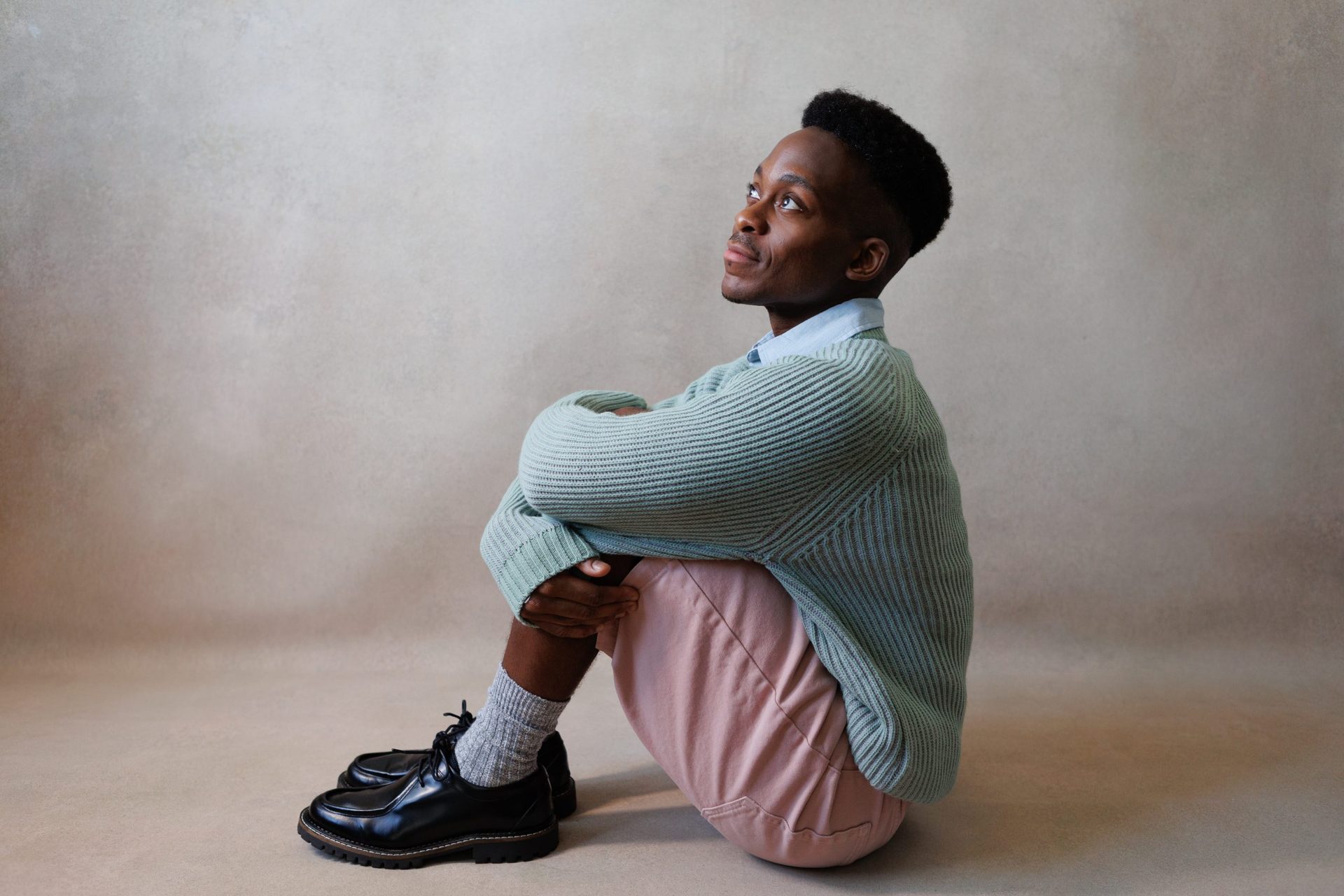
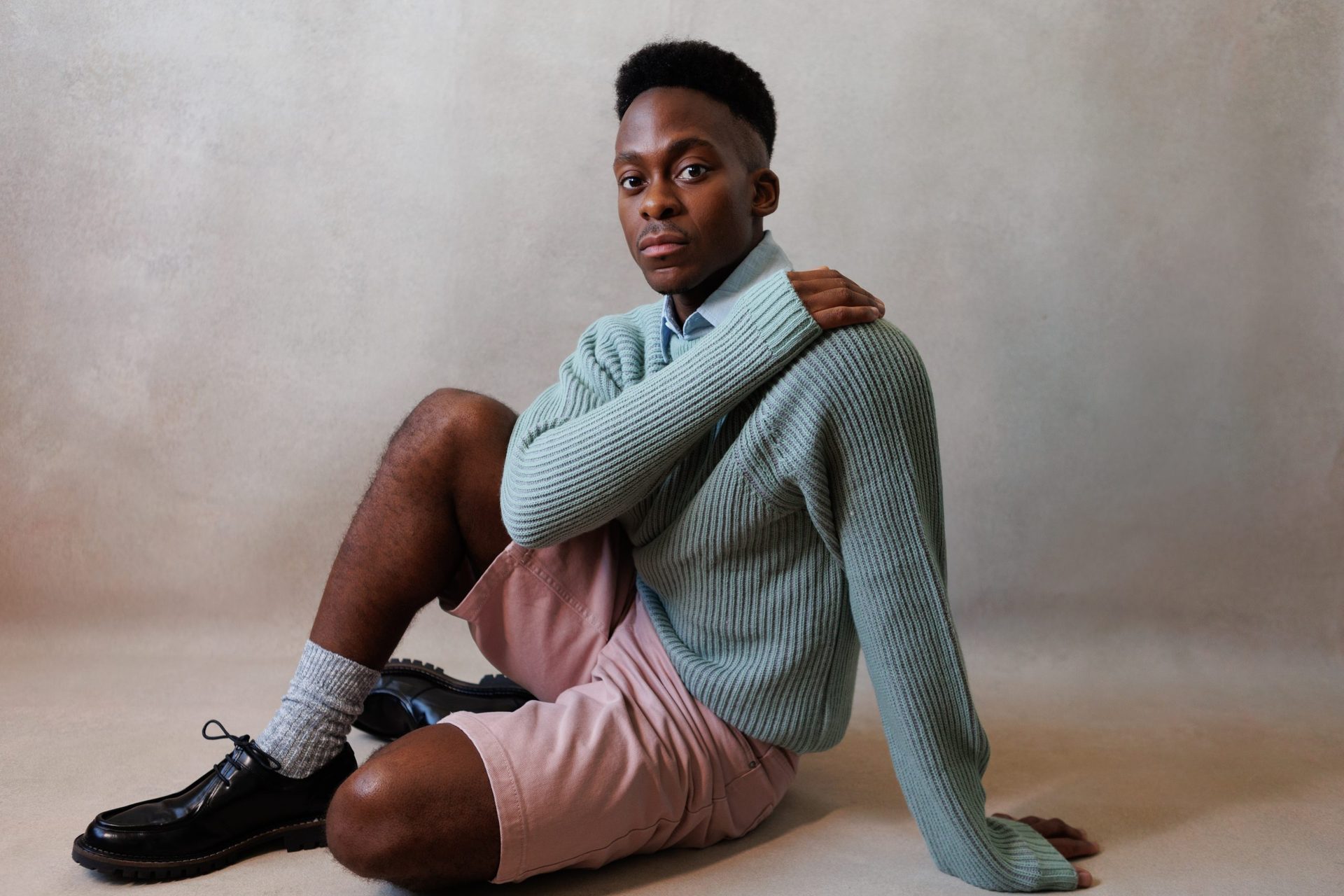
1. What’s one exciting thing that happened to you this week?
My friend Edgar, who’s looking after my apartment in LA while I’m in London doing the show, sent me a photograph of one of my orchids. I left it a couple of months ago in a pretty dire condition, convinced it was beyond saving, but it’s now produced a beautiful flower! I was very excited when I got that text.
2. What’s the best thing you’ve read recently?
Over the past year I’ve been alternating between James Baldwin and Alan Hollinghurst. These days, because of my shamefully waning attention span, I need to be completely transported into the world of the story from the first page, and both writers do that brilliantly. If I had to choose one, though, Baldwin’s Giovanni’s Room really stayed with me.
3. Favourite memory growing up?
I have a terrible memory, so specific moments are difficult for me to recall. But I loved when my mum used to braid my hair. Well, I loved the oily head massage bit. The actual braiding part was rough, but it was quality time nonetheless! Any time spent with Gma was awesome and hilarious!
4. Where was the last place you travelled to?
I live in Los Angeles, so the last place I travelled to was here, to London!
5. What was the last thing that made you laugh?
I split my trousers on stage last week during The Last Supper. I held it together (just), but as soon as I exited the stage, I was gone!
6. What’s your nighttime ritual?
I HAVE to shower before I get into bed. No exceptions.
7. Who would be on your dream dinner party guest list?
Including historical figures? Nina Simone, James Baldwin, Ignatius Sancho, Beyoncé, Mel B, Luther Vandross, Ulric Cross, Trevor McDonald, Moira Stuart, Tracee Ellis Ross, Diana Ross, and my brother Justyn. He often comes to press nights for the shows I’m in and is excellent at hobnobbing. He will certainly keep the conversation going in a way that I have just never been able to do!
8. Favourite quote from a film or TV show?
I’ll censor the adult language!
‘You think this is a love affair? A relationship? What, sticky gold stars, and a strand of my hair? A receipt from Pizza Express? It’s a flat in the Archway Road and you think you’re Virginia frigging Woolf! And where did you get my hair? Did you pluck it from the bath with some special [beep] tweezers?’
Sheba (Cate Blanchett), Notes on a Scandal.
I used to quote this daily. For no reason.
9. What’s your go-to karaoke song?
Bridge Over Troubled Water by Simon & Garfunkel.
10. Favourite item in your wardrobe?
I never wear it because I don’t want to ruin it, but probably the jumper my mum knitted me for my birthday a few years back.
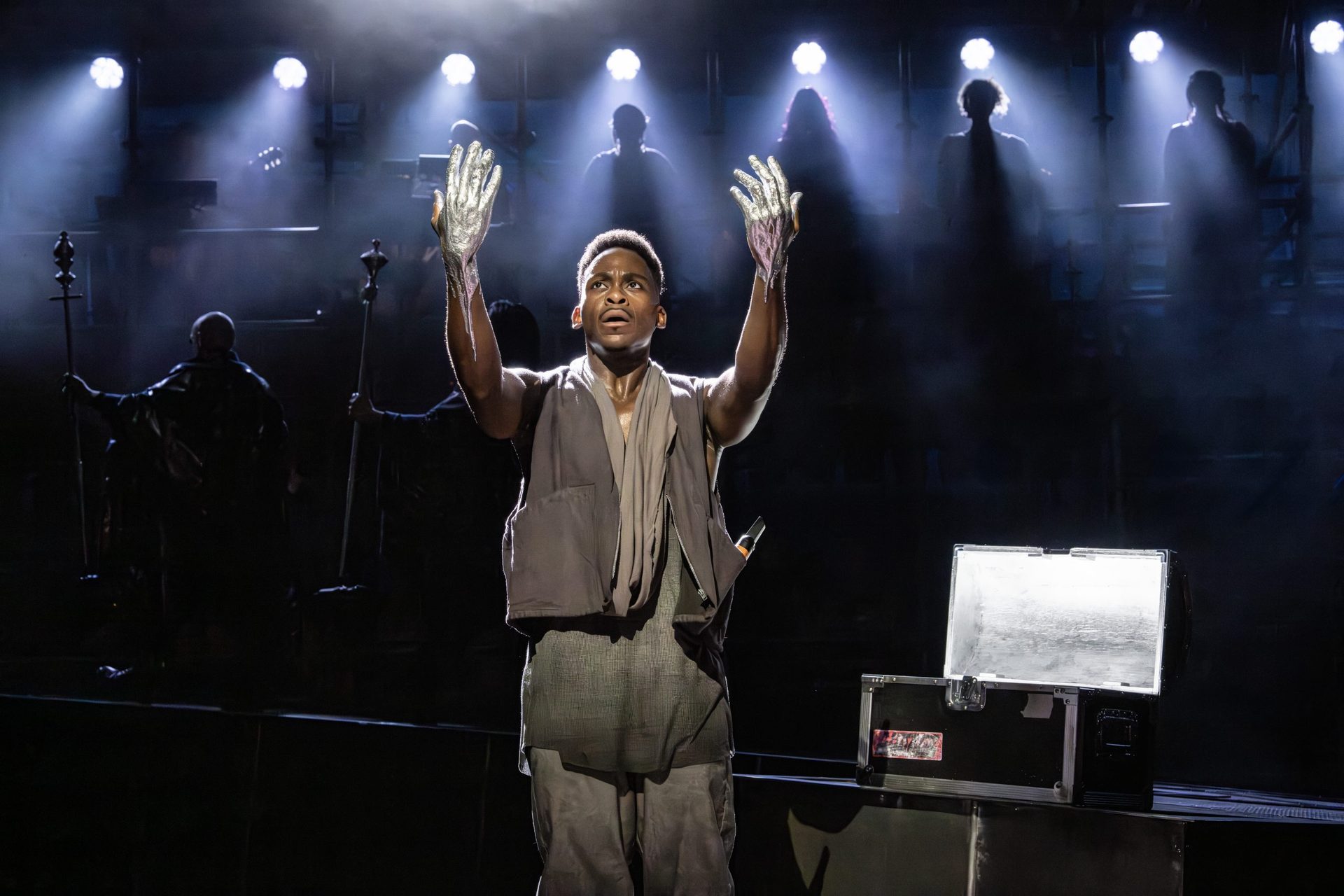
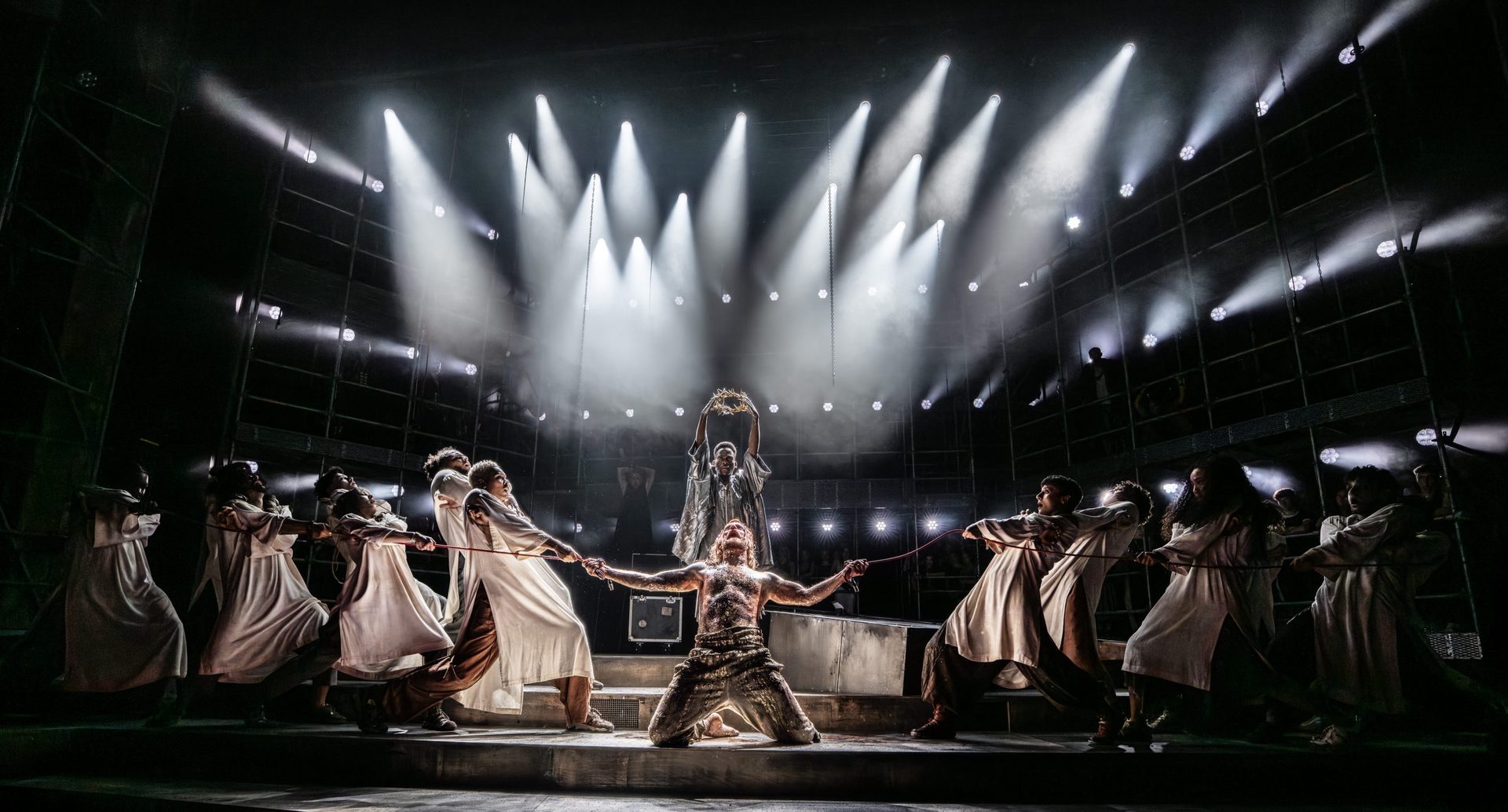
11. A decade after first playing Judas, you’re back in Jesus Christ Superstar at the London Palladium. What do you think is the major throughline of this production, and why do you think audiences are still connecting so deeply with this story?
At its heart, this production is about love. Tim Sheader reminded us of that constantly in rehearsals. Every major decision in the show is motivated by love, even when those decisions have devastating consequences. Once you view it through that lens, it stops being a story about good versus evil and becomes a story about human relationships: always relevant, always relatable. When you combine that with one of the greatest rock opera scores ever written, audiences can’t help but connect with it in a really visceral way.
12. What have been your favourite moments from returning to Jesus Christ Superstar this time around?
I got quite emotional hearing the orchestra for the first time during our sitzprobe. We’d reached the end of rehearsals in the studio and were about to move into the theatre. It felt like the calm before the storm. Looking around the room at so many of the people who created this production all those years ago, I reflected on the journey this show has taken me on, both professionally and personally. I felt incredibly grateful to still be part of something so special.
13. Watching you on opening night, I found myself feeling enormous sympathy for Judas because of how conflicted he seemed. How do you approach that balance between his conviction, his fear, and his love for Jesus without tipping too far towards any one of them?
I’m pleased you felt that way because my intention with Judas is to humanise this elusive figure who’s effectively been irredeemably stained in reputation and legacy. He’s just a man.
I would actually argue, though, that in this production, love is the heaviest component on the scale. Judas is never motivated by greed or malice. He genuinely believes he’s trying to prevent disaster. His conviction comes from his principles and beliefs, his fear comes from watching events spiral beyond anyone’s control, including Jesus’s. His love for Jesus both drives every decision he makes and makes those decisions so difficult. All of these emotions exist at once, and that’s what makes him so human.
14. Has there been a moment during this run that surprised you, where you found yourself seeing Judas, or the show, differently than you did a decade ago?
I wouldn’t say this surprised me because I think it’s expected that your understanding of a role will develop as you gain more life experience. But I’ve become much more aware of how lonely Judas is. Ten years ago, I definitely leaned into the anger and frustration. Now I see someone desperately trying to communicate with someone he loves and feeling like he’s no longer being heard. That’s a very adult kind of heartbreak, and one I understand far better now than I did in my twenties.
15. Last year you played Simon Zealotes at the Hollywood Bowl, while also preparing as Jesus’ understudy. Did exploring the story from those different perspectives change the way you approached Judas when you stepped back into his shoes?
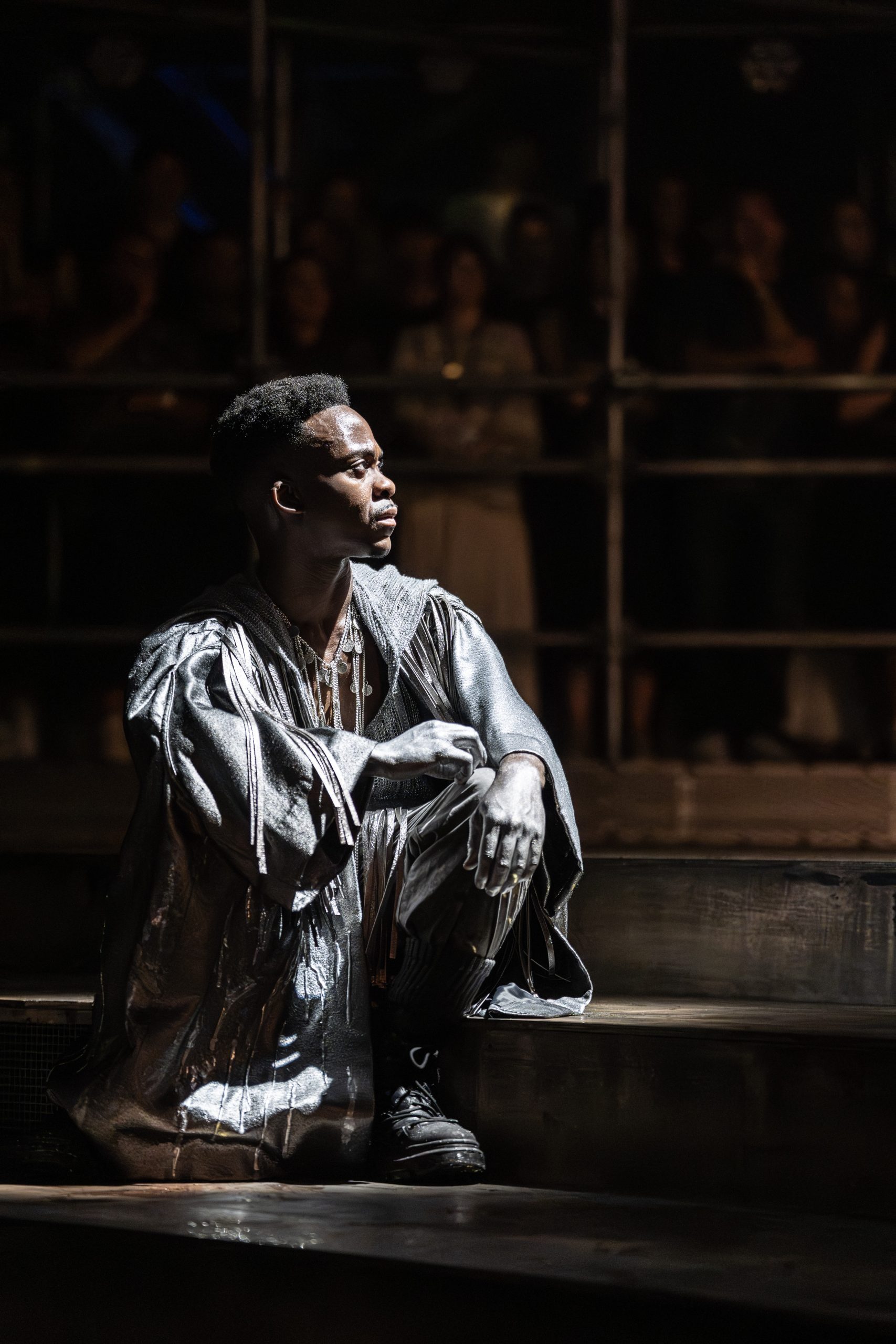
Absolutely. Playing Simon, I was able to experience what it’s like to be part of the collective. Simon is completely consumed by his fervent belief, and it’s easy to forget that Judas was once there too. That’s why his journey is so heartbreaking. He doesn’t start as an outsider, he becomes one. The true tragedy isn’t only losing his closest companion, Jesus, but also losing his entire sense of community. Watching someone slowly lose their sense of belonging is so sad, and I can use my experience of playing Simon as a way of recalling that memory of loyal kinship. It makes Judas’s solitude feel all the more truthful.
16. What’s one thing you always have with you backstage?
For this role, definitely my nebuliser. It’s become a really helpful part of my vocal health routine and helps keep my vocal folds hydrated.
17. Less than 48 hours after performing at the Hollywood Bowl, you were back working there as an usher. It was such an honest reminder of how unpredictable this industry can be. Has that experience changed the way you think about success, or what a sustainable career as an actor really looks like?
Honestly, no. I’ve always been very aware of the reality of being a working-class actor. A career in this industry has constant peaks and troughs, and most actors have to learn to navigate both. If anything, my Hollywood Bowl experience reinforced my belief that true success isn’t always about looking successful in an Instagrammable way. It’s about building a career that’s resilient enough to survive the quieter periods as well as celebrate the extraordinary ones.
18. Finally, what is one thing you would like to manifest for yourself, and why?
A meaty role in a hit television drama that runs for at least three seasons and allows me to really grow with a character over time and hone my screen acting skills. Theatre will always be my first love, but establishing myself as a television actor is the challenge I’m most excited by next.
Jesus Christ Superstar is playing at The London Palladium until 5 September 2026 and then at Theatre Royal Drury Lane between 16 October 2026 – 9 January 2027, before going on a UK tour.
Book tickets at lwtheatres.co.uk
Words by Nick Barr
Fashion photography by Melanie Gail Photography
Production photography by Johan Persson