Key Takeaways
- Recognize the differences between saline and silicone implants and how to choose the right one for your desired outcome.
- Understand potential risks and how to mitigate complications through preparation and observation.
- Learn how to prepare physically and mentally for surgery to facilitate a smooth recovery.
- Consider the importance of long-term implant care and regular medical monitoring.
Breast augmentation is among the most popular cosmetic procedures for individuals seeking to enhance their body image and boost self-confidence. The journey involves more than just achieving a specific cup size, as many individuals are focused on outcomes that feel balanced, proportional, and aligned with their natural anatomy. Understanding key factors such as implant types, surgical risks, and what to expect during recovery can help you make informed decisions about your personal transformation.
For many patients, the goal is breast implant surgery, with an emphasis on natural looking results. This perspective reflects a growing preference for subtle enhancements that complement the body rather than dramatically altering its appearance.
Whether you are in the early research phase or actively considering the procedure, learning about the experience is crucial for both safety and satisfaction. Breast augmentation is not the same for everyone, and your unique body, goals, and health background will shape the optimal approach. That is why consulting with an experienced surgeon and customizing treatment is so important.
Types of Breast Implants
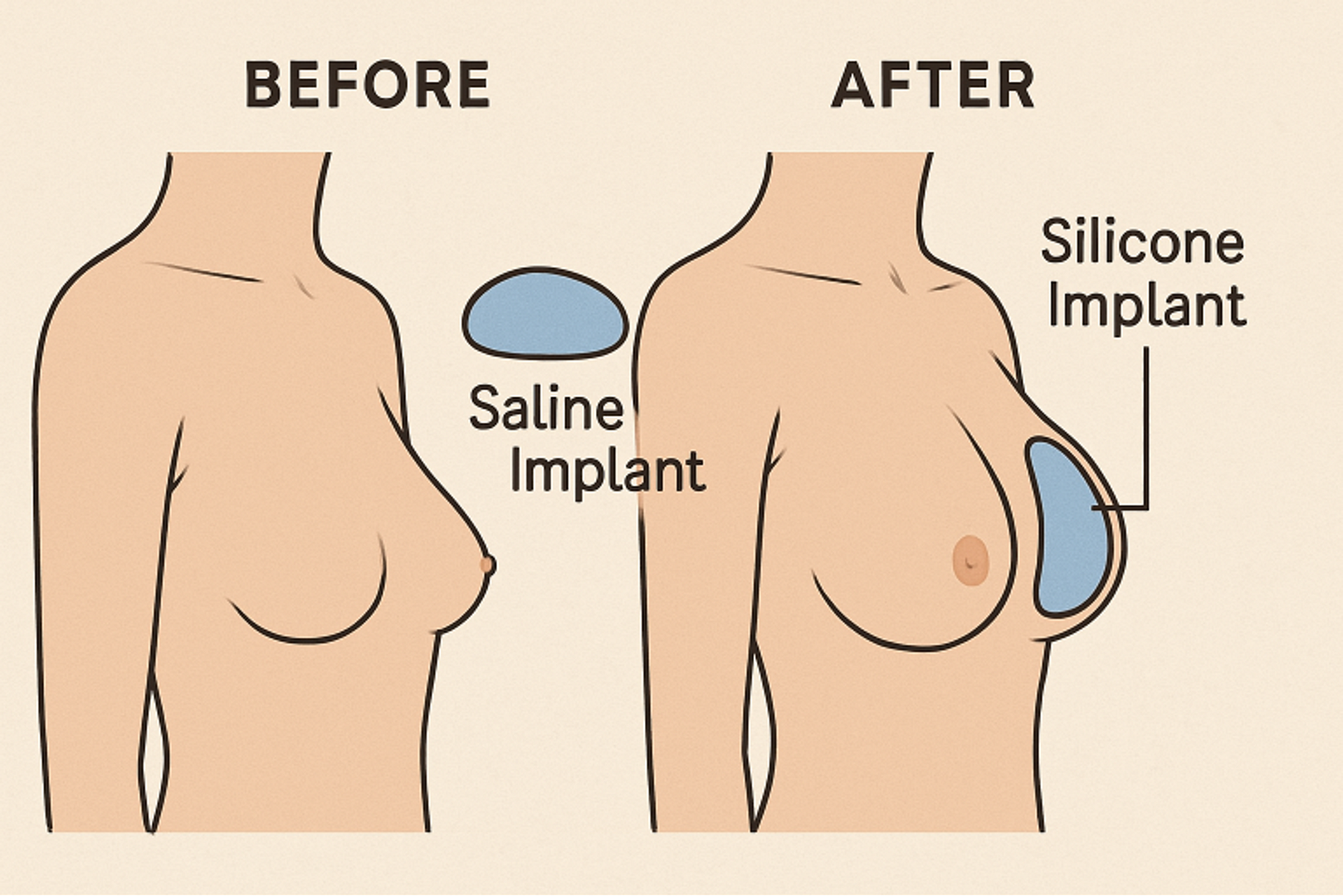
The decision between saline and silicone breast implants will affect not only the feel and appearance of the results, but also long-term maintenance and follow-up. Saline implants are filled with sterile salt water and typically offer a firmer consistency. They are inserted empty during surgery and filled once in place, making them a flexible option for minor size adjustments. For patients comparing implant materials, the FDA provides a clear overview of available options and safety considerations, which many surgeons reference during consultations.
Silicone implants are pre-filled with soft silicone gel, which many patients and surgeons feel more closely resembles natural breast tissue. These typically require more frequent monitoring to detect problems, as ruptures can sometimes go unnoticed. Discussing your lifestyle, aesthetic preferences, and goals with your surgeon is essential to selecting an implant that aligns with your objectives.
Potential Risks and Complications
As with any surgical intervention, risks are inherent to breast augmentation. Common complications include capsular contracture, in which the naturally forming scar tissue around the implant contracts, leading to firmness or discomfort. Implant rupture or leakage may occur over time, necessitating further procedures to correct or replace the implant. While infection risk is relatively low, it underscores the importance of sterile surgical techniques and adherence to post-operative instructions. Choosing a board-certified surgeon, discussing your health history, and remaining vigilant after surgery can significantly reduce your risk of experiencing complications.
Preparing for Surgery
- Consultation: Meet with a board-certified plastic surgeon to align your vision with medical best practices. Expect to discuss your goals, lifestyle habits, and the characteristics of your desired implant.
- Medical Evaluation: A thorough health assessment, including a physical exam and relevant lab tests, ensures you’re an appropriate surgical candidate and helps anticipate any unique considerations.
- Pre-Surgical Instructions: Follow all directions, including adjustments to certain medications and supplements, cessation of smoking, and arranging for safe transportation and postoperative care at home.
Thoughtful preparation minimizes risk while optimizing surgical outcomes and recovery speed. Clear communication with your surgical team is imperative at every stage of preparation.
Recovery Process
Post-operative recovery is a crucial stage of the breast augmentation journey. While specific experiences vary, patients should expect at least several days of rest with limited movement. Swelling, bruising, and discomfort are normal in the initial days after surgery. Strictly following the post-operative guidance—such as how to sleep, when to resume exercise, and how to care for incisions—can help prevent complications and facilitate optimal healing.
- Initial Rest: Prioritize downtime and avoid strenuous activities or heavy lifting.
- Follow-Up Appointments: Stay on schedule for medical check-ins so your surgeon can monitor your recovery and address questions early.
- Gradual Resumption of Activities: Ease back into daily life slowly, guided by your body’s response and your surgeon’s recommendations.
Long-Term Maintenance
Breast implants are not expected to last a lifetime, and their condition should be monitored for as long as they remain in place. Typical maintenance steps include periodic clinical exams and imaging tests (such as annual MRIs or ultrasounds for silicone implants) to catch ruptures or other issues early, even if you have no symptoms.
- Routine Check-Ups: Maintain annual or biannual follow-ups with your surgeon.
- Imaging Tests: Consider recommended scans to screen for silent ruptures or implant defects, especially if you have silicone implants.
- Awareness of Changes: Report any changes in breast appearance, size, or feel to your physician immediately.
Cost Considerations
The price of breast augmentation can vary greatly depending on the surgeon’s expertise, the type of implants chosen, the facility, anesthesia costs, and your geographic location. In the U.S., the total price typically ranges between $5,000 and $20,000. This figure may not reflect additional fees for pre-surgical testing, post-operative garments, prescriptions, or potential revision surgery. Comprehensive financial planning and transparency with your surgeon about all possible expenses is advisable.
Choosing the Right Surgeon
The expertise of your chosen provider largely determines your results and safety. Look for board certification through the American Board of Plastic Surgery, extensive experience performing breast augmentation procedures, and a proven track record of positive patient outcomes. Review before-and-after galleries to verify that the surgeon’s standards align with your expectations. Take your time in researching and interviewing multiple providers before making a final decision.
Conclusion
Pursuing breast augmentation is a highly personal journey that benefits from thorough research, realistic goal-setting, and trust in your chosen surgical team. By recognizing the differences among implants, familiarizing yourself with recovery and maintenance, and choosing a reputable provider, you can confidently move forward. Whether your motivation is aesthetic, restorative, or both, a well-planned procedure can help you achieve natural-looking results that enhance both appearance and self-confidence.