Q1 : Can you briefly introduce yourself and your practice?
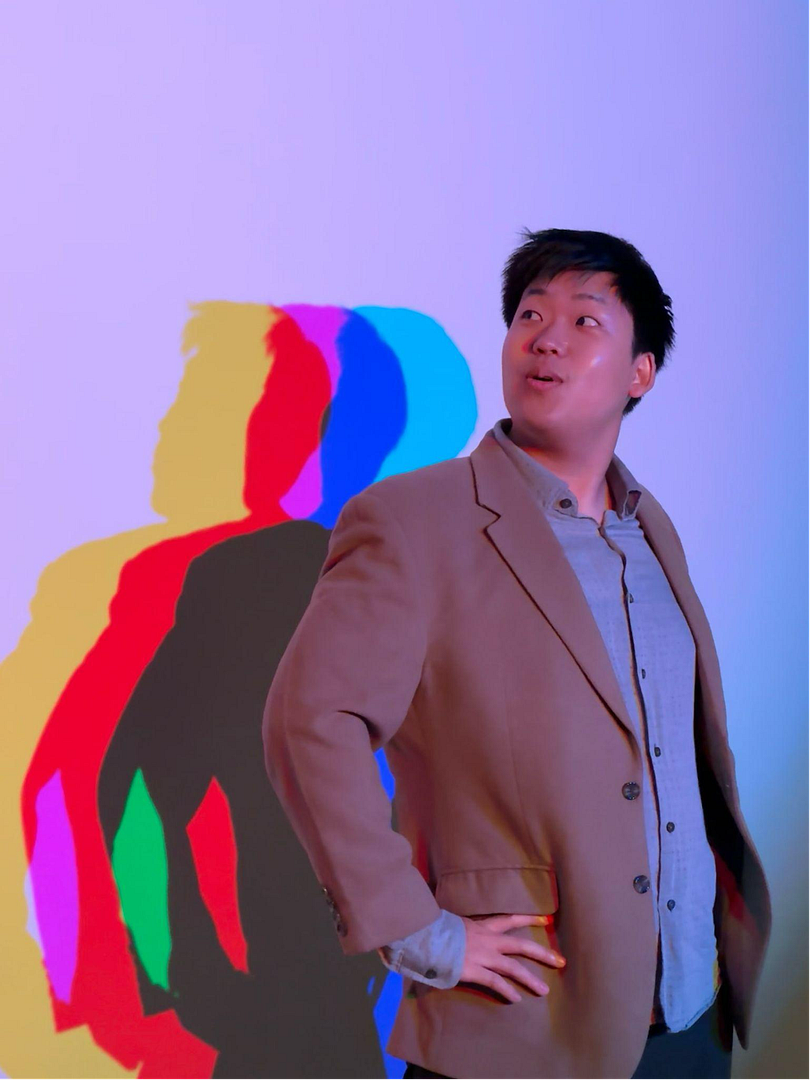
I’m a Los Angeles–based multidisciplinary artist and creative director working across film, spatial design, and visual storytelling. My practice centers on presenting narrative through image, sound, and environment—bridging physical and digital mediums to create interactive experiences.
Q2 : Your work often appears playful and visually vibrant, but it also carries a subtle depth. How do you approach developing ideas and concepts?
I’m especially drawn to subtle disruptions within everyday situations—moments that feel slightly off, but not immediately noticeable. Those small shifts often become the starting point of my work, whether it’s a short film, an exhibition, or an installation.
Rather than delivering a fixed conclusion, I try to embed my thinking process into the work itself—so the audience can experience how an idea unfolds, rather than simply receiving the complete answer.
Ideas that originate from something familiar tend to feel more approachable. But when the way they are presented shifts slightly, they begin to open up new ways of seeing. Even something very ordinary can start to feel unfamiliar, and that moment is what I want to share with others.
Q3 : Let’s dive into your work. Can you tell us about your award-winning film ‘The Man Who Couldn’t Clap’ and where the idea came from?
It originated from a very ordinary moment. I was at a performance at Walt Disney Concert Hall, and at the end, the audience continued applauding for much longer than I expected. I joined in, but at some point I realized I was continuing more out of social momentum than intention. When I stopped, the applause around me felt both isolating and strangely freeing at the same time.
That experience made me reflect on how individual actions are shaped within collective behavior. Even something as simple as clapping felt less like a personal choice and more like something guided by the surrounding environment. In that moment, stopping felt like a small form of absence within the group.
From there, I began to think about what clapping actually represents. It can be a physical act, but also a social signal or a form of emotional expression. That ambiguity became the core of the idea: a man who cannot bring his hands together.
Q4 : The film feels minimal, yet emotionally layered. How did you approach building that emotional progression, and what message were you aiming to convey?
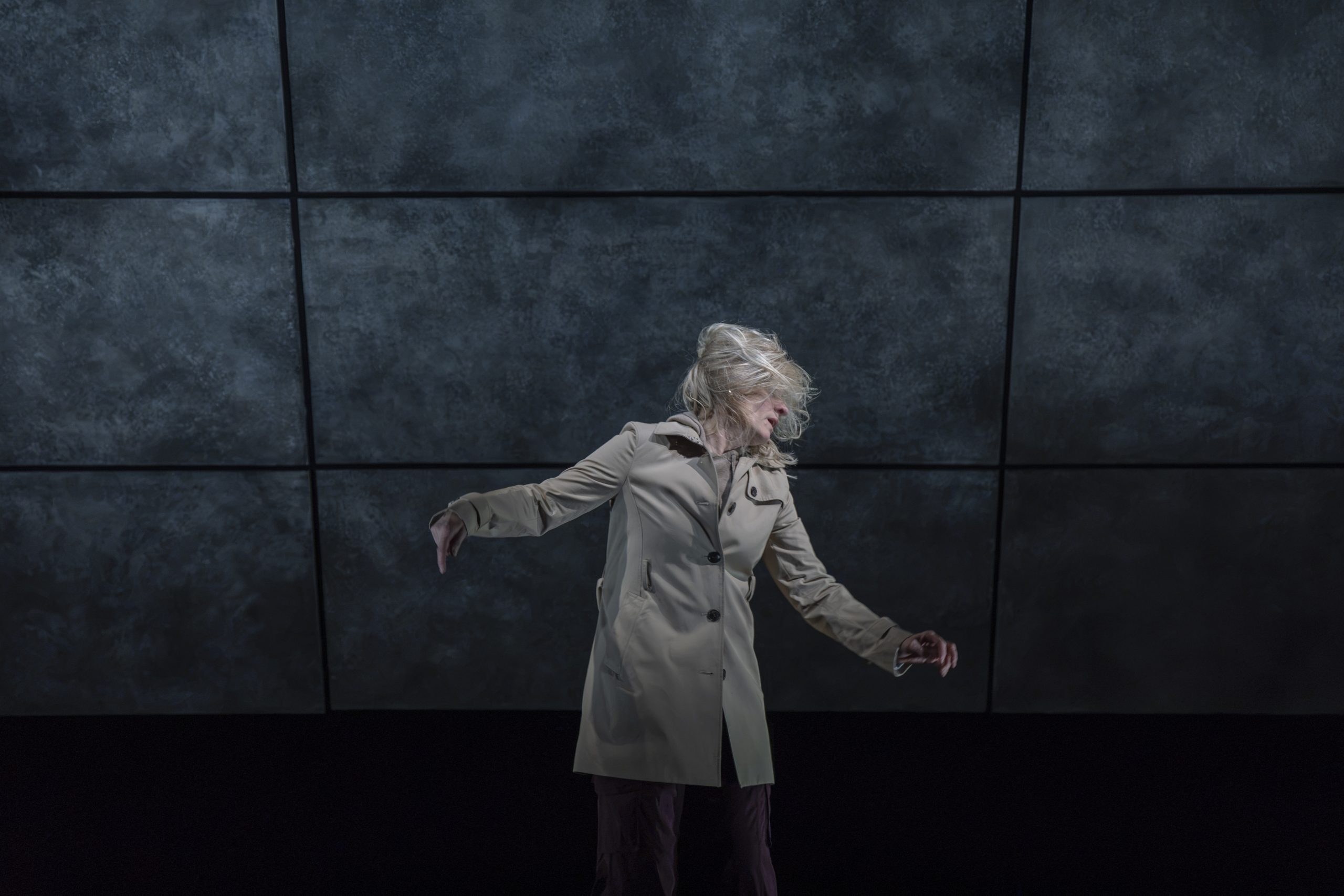
I focused on the act of clapping itself, using it as a structural anchor throughout the film. I began by recreating the exact moment I experienced, but from the perspective of someone who could not clap. From there, the film unfolds as a montage across a character’s lifetime, with the same clapping sound recurring throughout.
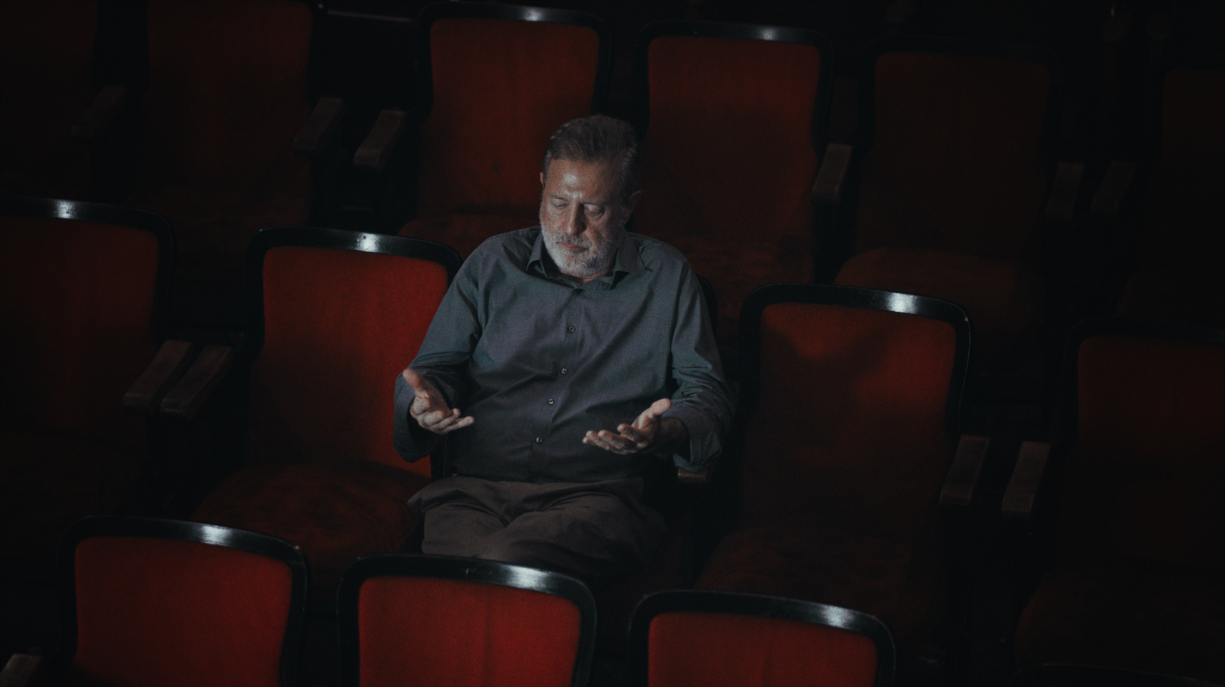
Instead of relying on dialogue, I focused on repetition, rhythm, and spatial framing. Each scene functions as a contained environment, where the same condition is carried through different moments in time. As the character moves through life, that unchanged condition gradually builds a sense of frustration and emotional weight.
I worked closely with creative director Josh S. Rose, whose background in dance film helped shape the character’s physical language. We referenced a wide range of choreography from other films to develop our own movement vocabulary—balancing restraint and release. This approach ultimately shaped the emotional expression in the dance sequences, where tension gradually builds and resolves.
In the end, we wanted the message to remain clear but not overly stated—that everyone carries some form of absence, and what matters is how we continue to live with it.
Q5 : Beyond film, your work spans a range of formats. How did your practice expand into the music and entertainment space?
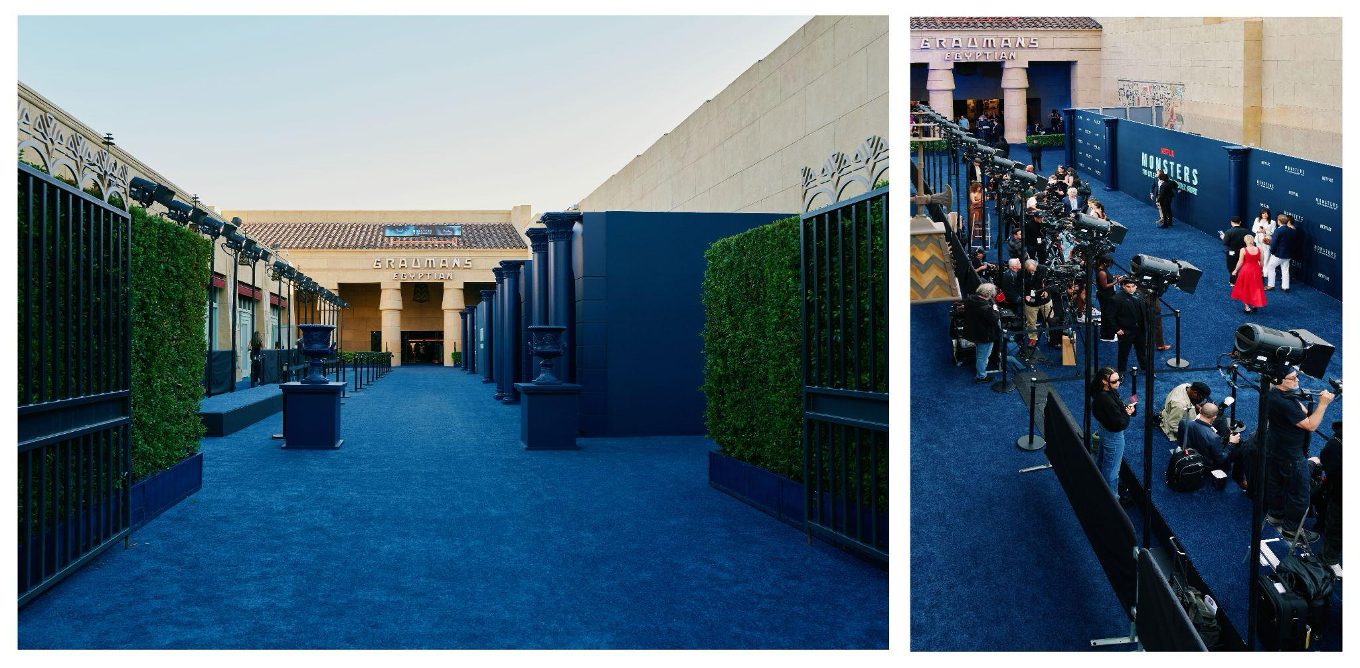
Beyond filmmaking, I expanded my practice into music, entertainment, and brand campaigns as a way to explore how storytelling can operate across different contexts. I collaborated with creative agencies to develop stage designs and live performance visuals for Coachella, as well as experiential projects and brand activations for Netflix premiere events, and more recently, social and promotional content for the global girl group A2O MAY across multiple formats.
Working with different IPs has become an important extension of my practice. Each project presents a new context, often outside my immediate field of interest, but that shift allows me to discover unexpected directions within my work. Regardless of the format or subject, I try to bring a consistent sense of playfulness into the process—allowing each project to reveal a different layer of my perspective.
Q6 : I’ve also noticed that your background began in architecture. How has that journey shaped your overall practice today?
While I was in architecture school, my focus was on developing my own perspective—through color, form, and conceptual thinking. Within the discipline, the constant tension between reality and ideal naturally shaped how I approach creative work.
What I found especially influential was seeing how architects from different cultural and personal backgrounds approach space in entirely different ways. Some pursue new visual languages through form, while others prioritize community and interaction. That diversity shifted my perspective, and I began to see architecture less as a fixed discipline and more as a framework through which I could explore and define my own values.
That mindset eventually led me to Los Angeles, where I continued my studies at SCI-Arc and expanded my work across film, animation, motion graphic, and into broader visual languages. Architecture remains an underlying language in my practice—not necessarily as a final outcome, but as a way of structuring experience through composition, problem-solving, and spatial layout.
Q7 : What continues to drive your work forward? What’s next?
Outside of my work in entertainment, I continue to develop personal projects and exhibitions on a regular basis. Last year, my solo exhibition ‘Told You Twice’ revisits personal memories and reinterprets them through a present perspective, layering new meaning onto existing narratives. These spaces allow me to test ideas more directly and play an important role in refining my approach.
Alongside that, I’m continuing to develop new collaborations with brands and creative partners, while preparing future exhibitions and public-facing projects that allow the work to expand across different contexts.
I’m consistently interested in how familiar things can be reframed into new forms of experience. Whether across large-scale stages, miniature models, digital spaces, or physical installations, I want to continue building work that invites people to see the ordinary a little differently.