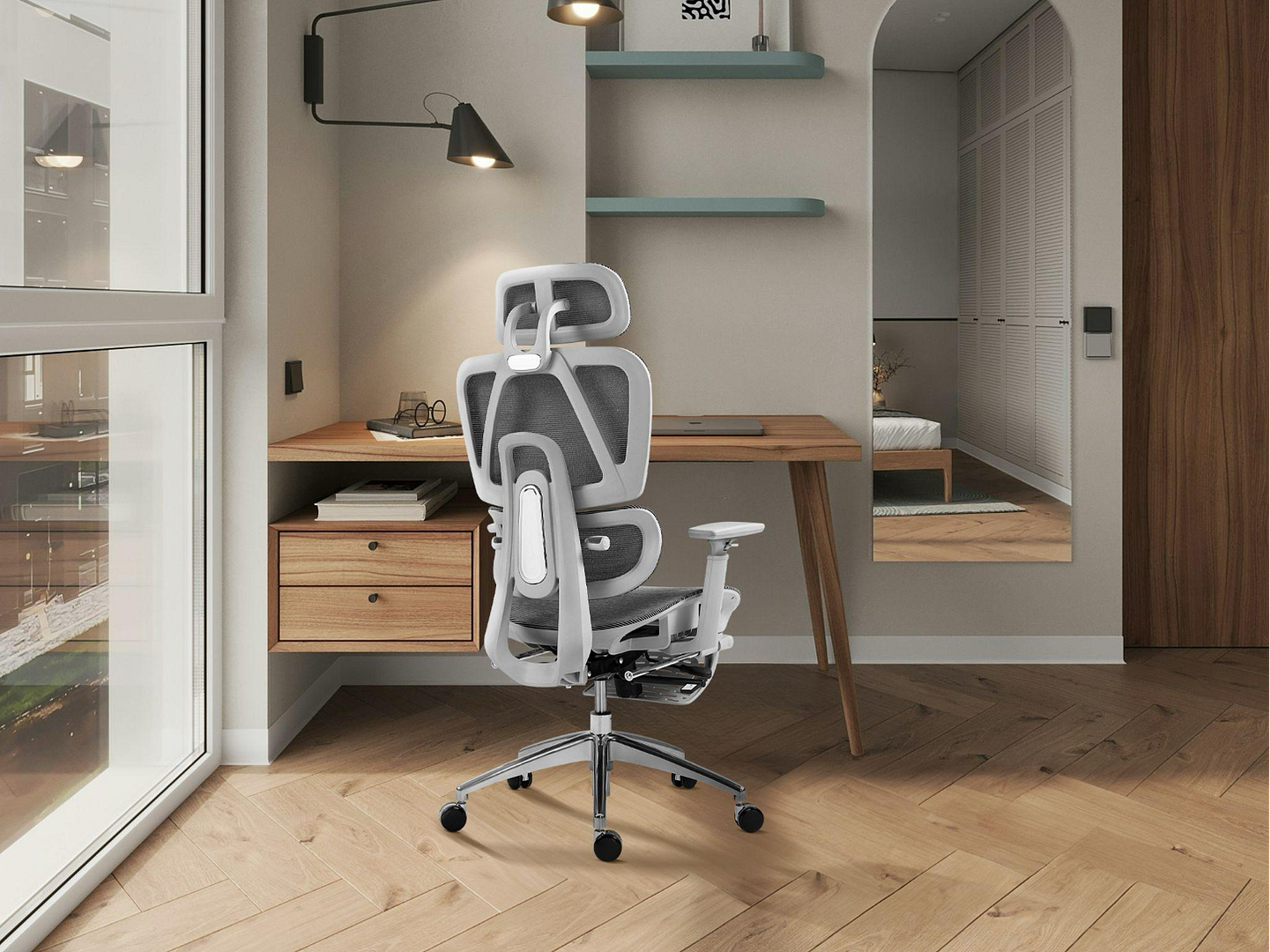
A modern home is not defined by trends alone, but by how thoughtfully furniture supports daily life. In 2026, furniture design is increasingly focused on balance, comfort, and adaptability, allowing spaces to feel both functional and personal. Whether you live in a compact apartment or a spacious house, the right furniture choices can elevate every room and enhance how you experience your home.
This article explores key furniture trends that shape modern interiors, from living areas to home offices, and explains how smart design choices can create harmony throughout your space.
1. Functional Minimalism as a Foundation
Modern homes continue to embrace minimalism, but with a stronger emphasis on usability. Clean lines, uncluttered layouts, and purposeful furniture pieces help create calm and open environments.
Instead of filling rooms with excess items, homeowners are choosing fewer, higher-quality pieces that serve clear functions. Storage-integrated sofas, extendable dining tables, and modular shelving systems are popular because they adapt to changing needs without overwhelming the space.
This approach works especially well in urban homes, where maximizing space without sacrificing style is essential.
2. Comfort as a Design Priority
Comfort is no longer considered secondary to appearance. Seating, in particular, plays a major role in how livable a home feels.
Sofas with deeper cushions, supportive armchairs, and ergonomically designed seating are becoming central design elements rather than hidden necessities. This shift is especially visible in work-from-home environments, where people invest more carefully in furniture that supports posture and long hours of use. As home offices become a long-term part of modern living, homeowners now research options from professional chair manufacturers such as Boulies Chairs that combine ergonomic design, premium quality, and visual appeal.
Comfort-driven design ensures that modern spaces are not just visually appealing, but genuinely enjoyable to live in.
3. Blending Materials for Visual Depth
Modern interiors often rely on a mix of textures rather than bold colors. Wood, metal, glass, and fabric are layered together to create warmth and contrast.
For example, a solid wood dining table paired with metal chairs, or a fabric sofa complemented by a stone or glass coffee table, adds depth without clutter. Neutral color palettes allow these materials to stand out naturally, creating a cohesive and timeless look.
This trend helps rooms feel curated while still remaining flexible for future updates.
4. Multi-Use Furniture for Flexible Living
As homes increasingly serve multiple purposes, furniture must adapt accordingly. Living rooms double as entertainment spaces and work areas, while bedrooms may include reading corners or compact desks.
Multi-use furniture such as convertible sofas, nesting tables, and desks designed to blend seamlessly into living areas makes it easier to shift between activities. For living areas that need both comfort and adaptability, see this list of the best sectional sofas to find styles that work well in versatile spaces. This flexibility is especially valuable in modern households where work, relaxation, and social life often happen in the same space.
Furniture that supports multiple uses helps maintain order and flow throughout the home.
5. Personal Expression Through Subtle Accents
While modern design favors simplicity, personal expression remains important. Rather than bold statement pieces, many homeowners choose subtle accents that reflect their interests and lifestyle.
This might include a sculptural chair, a distinctive light fixture, or carefully chosen shelving displays. These details add character without disrupting the overall harmony of the room.
The result is a home that feels modern yet deeply personal.
Conclusion
Creating a modern home is about thoughtful balance. Furniture trends in 2025 emphasize functionality, comfort, material harmony, and adaptability, allowing each room to serve its purpose while contributing to a cohesive whole.
By choosing furniture that supports daily routines and reflects personal values, homeowners can elevate every room and create spaces that are not only stylish, but meaningful and comfortable for years to come.