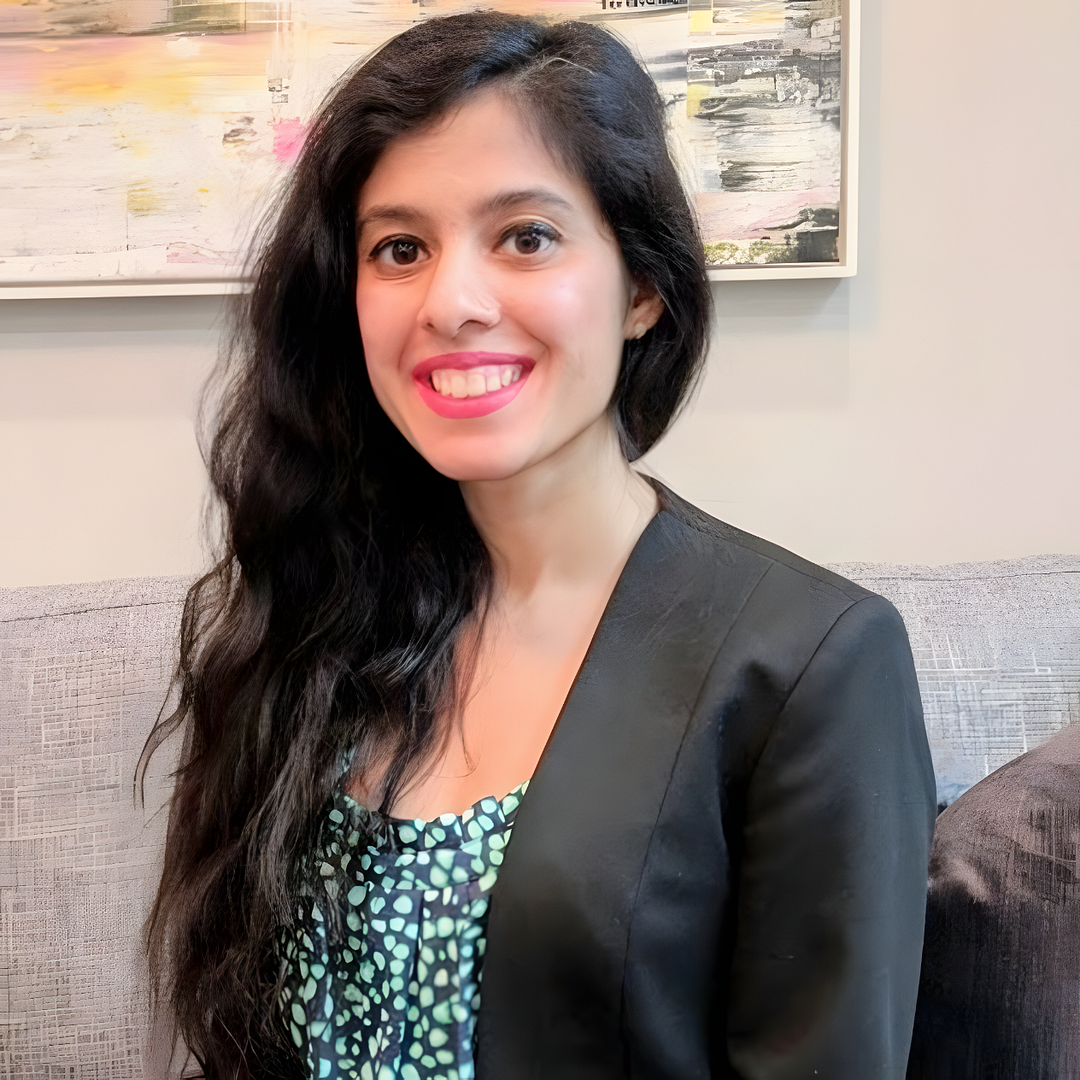
In a world moving toward innovation at an unprecedented speed, few individuals shape the future with both brilliance and a commitment to humanity. Madiha Shakil Mirza is one such trailblazer. As an Artificial Intelligence Engineer at Avanade, she has spent over seven years designing and deploying cutting-edge AI solutions that drive transformation across critical sectors, including healthcare, manufacturing, and financial services. What distinguishes Madiha is her unwavering dedication to ethical, responsible, and safe AI. Madiha doesn’t just push technical boundaries, she ensures that innovation is fair, inclusive, transparent, and deeply human-centered.
Ask Madiha what sparked her interest in technology, and she lights up with excitement: Growing up in Pakistan, she devoured Hollywood movies and American TV shows and was captivated by tech geniuses who built clever gadgets, cracked impossible technical problems, and saved the day by writing code. “At the time, I didn’t know anyone in real life who worked in tech,” she recalls, “but I was drawn to that exciting, powerful, and creative world, and I wanted to be part of it.”
The turning point arrived in elementary school when her father surprised her and her sisters with a Windows 95 PC, making their family one of the first in school and their extended circle to own a computer. That fancy machine instantly became the center of everyone’s attention: cousins crowded around, eagerly waiting to take turns on what seemed like the coolest piece of technology imaginable. Three years later, when dial-up internet finally crackled to life in their living room, the world seemed to expand overnight. But her father didn’t just hand her the technology, he urged her to truly understand how computers and the internet worked. That early spark of wonder, nurtured by parental support, continues to fuel her passion for technology even today.
Madiha’s journey is unique and extraordinary. She grew up in Sialkot, an ancient and vibrant city in northeastern part of Punjab province in Pakistan. Nestled amid fertile agricultural lands famous for world-renowned basmati rice, Sialkot is also a thriving industrial hub, globally recognized as the “Football Manufacturing Capital,” producing official FIFA World Cup balls, alongside major exports of surgical instruments, cricket and hockey equipment, leather goods, boxing gloves, and musical instruments. Sialkot, like much of Pakistan, leans conservative and traditional cultural values still shape family structures. Families traditionally prioritize sons for higher education abroad. Societal norms frequently limit girls: many do not receive permission to study in a different city, and if they do, it is for professions traditionally viewed as “women’s fields”, such as medicine, nursing, social sciences, and teaching. Many young women pursue education to improve marriage prospects, and most leave the country only after marriage. STEM disciplines, especially computer science, are widely regarded as “boys’ subjects” due to longstanding stereotypes that only boys excel in mathematics and technical fields. During Madiha’s school years, the notion of a woman pursuing a career as a programmer or software engineer was virtually unheard of in Pakistan.
Yet, against this backdrop of rigid cultural and gender norms, Madiha forged an extraordinary path. The second of four daughters in a deeply conservative society, where relatives sometimes taunted her parents for not having a son, she became the first girl from her hometown of Sialkot to travel to the United States for higher education immediately after high school. Sending a teenage girl abroad alone was unprecedented. Family members and community elders warned her parents that it would not be a sensible decision to send a young daughter to an unfamiliar part of the world by herself. Her father, however, remained steadfast. He declared that his daughters were equal to his sons and insisted she would have access to the same opportunities traditionally reserved for boys.
After high school, Madiha devoted an entire year to preparing for the SAT and TOEFL and earned outstanding scores on both exams. As the first student from her all-girls convent school in Sialkot to navigate the U.S. college admissions process, she had no formal guidance or mentors and relied entirely on online resources. She researched colleges, wrote application essays, and submitted applications to universities across the country. Initially, she planned to attend the University of Miami in Florida. But a last-minute partial academic scholarship from the University of Minnesota changed everything. Though she had some cultural familiarity with the state through iconic films like Fargo, Drop Dead Gorgeous, Feeling Minnesota, and Juno, as well as through the music of Prince and Bob Dylan, nothing could have fully prepared her for the reality: bone-chilling cold, heavy snowstorms and blizzards, frigid winds, and sub-zero temperatures that define Minnesota’s legendary winters.
With her parents’ support and blessings, Madiha left Sialkot for Minnesota, carrying little more than a backpack, two suitcases, and an unshakeable belief in her dreams. Her father funded her first year of college; thereafter, she sustained her education through on-campus jobs and merit-based scholarships. In doing so, Madiha proved not only that she was brave enough to leave home, but also strong enough to build a future on her own.
At the University of Minnesota, Madiha not only excelled academically but also gained a breadth of experience through various on-campus jobs and active participation in student clubs and activities. She made history as the first international student admitted to the University Honors Program. She still laughs when recalling the email inviting her to the program’s first meeting of her freshman fall semester. Upon arriving at the Honors lounge, the program director looked surprised and asked where she was from, as the program had traditionally enrolled only students from Minnesota. Through the Honors Program, Madiha forged close friendships with other high-achieving students, which helped her find a sense of belonging in an unfamiliar environment.
During her junior year, Madiha faced a profound personal challenge: her father was diagnosed with a terminal illness, and doctors gave him only a year to live. Determined to complete her undergraduate degree in three years so her father could see her graduate and walk across the commencement stage, she took an extraordinary course load: 30 credits in both the fall and spring semesters, far exceeding the recommended 15 credits per term. Registering for increased credit hours required approval from two levels of university administration so she could effectively combine her junior and senior years. Despite the heavy academic workload and working 20 hours per week on campus, Madiha persevered, earning a 3.92 GPA and graduating summa cum laude with University Honors and Phi Kappa Phi recognition (top 7.5% of the graduating class). Though her parents could not attend the ceremony in person, she sent them a CD of the commencement recording along with photos. Her father watched the video repeatedly, beaming with immense pride at his daughter’s remarkable achievement.
Madiha’s father passed away just a few months after her undergraduate commencement, but not before making another life-changing decision in support of his daughters’ education. He had already planned for his youngest daughter, Nawal Shakil Mirza, to travel to the United States to pursue her undergraduate degree at the University of Minnesota. At the same time, Madiha continued her own academic journey by enrolling in the Master of Science in Computer Science program at the same institution.
During her graduate studies, Madiha had the opportunity of conducting cutting-edge research under the guidance of her advisor who is a world-renowned expert in Natural Language Processing (NLP), a subfield of Artificial Intelligence focused on enabling machines to understand, interpret, and generate human language (text and speech). It was through this mentorship that she was introduced to Generative AI and Large Language Models well before tools like ChatGPT brought them into the mainstream spotlight. This early exposure proved transformative and laid the foundation for her career in Artificial Intelligence.
Upon completing her Master’s degree, Madiha launched her professional career at Avanade, a global leader in digital, cloud, advisory, and technology consulting services, where she was hired specifically to join their first Artificial Intelligence practice in the Midwest. Since then, she has designed and implemented cutting-edge AI solutions that combine technical sophistication with real-world impact.
As an AI Engineer at the forefront of emerging technologies, Madiha believes that with the immense power of technology comes an even greater responsibility. “The technology we build reflects the values we embed in it,” she emphasizes, a principle that has guided her journey from an early fascination with tech’s “cool factor” to a deep commitment to creating ethical, inclusive, and trustworthy AI systems. A dedicated advocate for Responsible AI, Madiha has spoken extensively on the ethical dimensions of Generative AI, including bias, fairness, privacy, transparency, and societal impact, through conference talks and workshops to published insights.
Beyond her professional work, Madiha is deeply committed to advancing the field of Artificial Intelligence through research, thought leadership, and community engagement. Her work has earned national recognition and invitations to present at prestigious conferences and events across the U.S. In June 2025, she led a hands-on technical workshop on Agentic AI at Microsoft’s “Unlocking Data Management and AI” event during Cincy AI Week 2025, held at the 1819 Innovation Hub, University of Cincinnati. In October 2025, she presented her latest research at a poster session on Reimagining Global Governance and Policymaking at the inaugural RISE AI Conference at the University of Notre Dame.
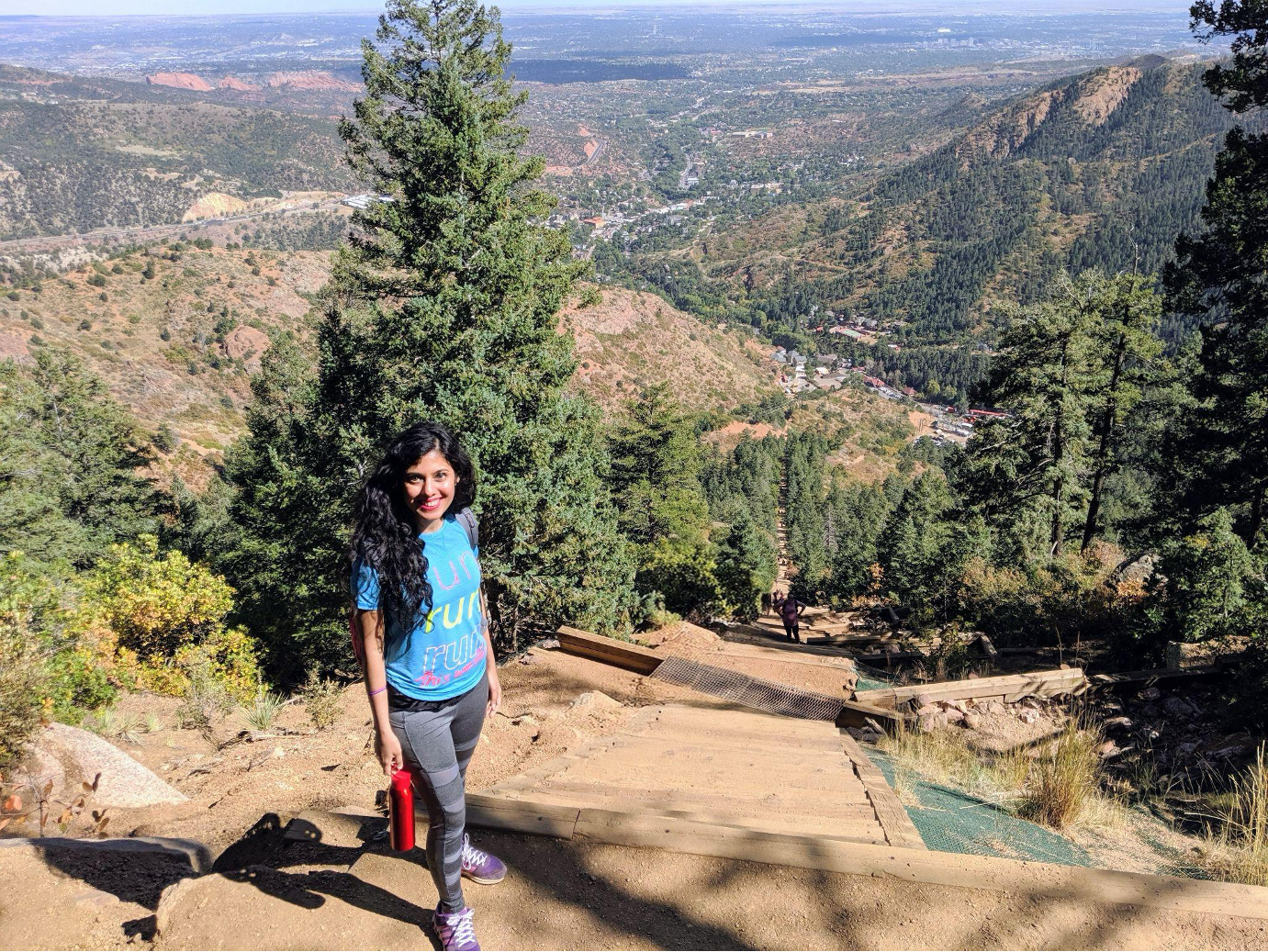
When she’s not engineering AI solutions, Madiha seeks out challenges in the great outdoors, channeling the same grit and perseverance that defines her personal journey. A recent achievement is conquering the notoriously demanding Manitou Incline in Colorado, widely recognized as one of the most grueling hikes in the United States. That same unyielding determination reflects in her work. As a trailblazing and inspiring woman who is changing the tech world, Madiha has become a passionate advocate for inclusion and purpose-driven innovation. “Leadership isn’t just about making space for yourself; it’s about widening the door for others,” she notes.
Her commitment to empowering the next generation is evident in her election as Young Professionals (YP) Affinity Group Chair for the IEEE Chicago Section 2026 Executive Committee. As the YP Affinity Group Chair, she will set strategic direction, vision, and objectives for the Young Professionals community by creating networking, professional development, leadership opportunities, and collaboration to support early-career engineers, researchers, and technologists throughout the Chicago region.
What sets Madiha apart is her rare fusion of technical expertise, a human-centered perspective, and a pioneering spirit. When envisioning the future of technology, she dreams of an AI landscape that is fair, transparent, and collaborative: “I want AI that isn’t cold or clinical, but empathetic and intuitive, a future where diverse voices shape technology that truly serves everyone,” she explains.
As Artificial Intelligence continues to reshape industries and societies, Madiha remains firmly ahead of the curve, showing that the most powerful innovations often begin with a child’s curiosity, progressive parental support, and the courage to take the road less traveled. Arriving in Minnesota as an international student from Sialkot, the first girl from her hometown to pursue both undergraduate and graduate education in the United States, she navigated every challenge on her own. Today, she stands among the few trailblazers from her home country to achieve international success in AI.
Madiha chose the road less traveled, breaking barriers, embracing challenges, and charting a path defined by curiosity, determination, and innovation. Her extraordinary journey has not only transformed her own life but also opened doors for others: inspired by her courage and achievements, many girls in her extended family and community now receive permission to pursue education in different cities or even abroad. Madiha’s life is a powerful testament to the truth that when intelligence, hard work, and determination converge, the future belongs to those courageous enough to claim it, and bold enough to shape it for generations to come.