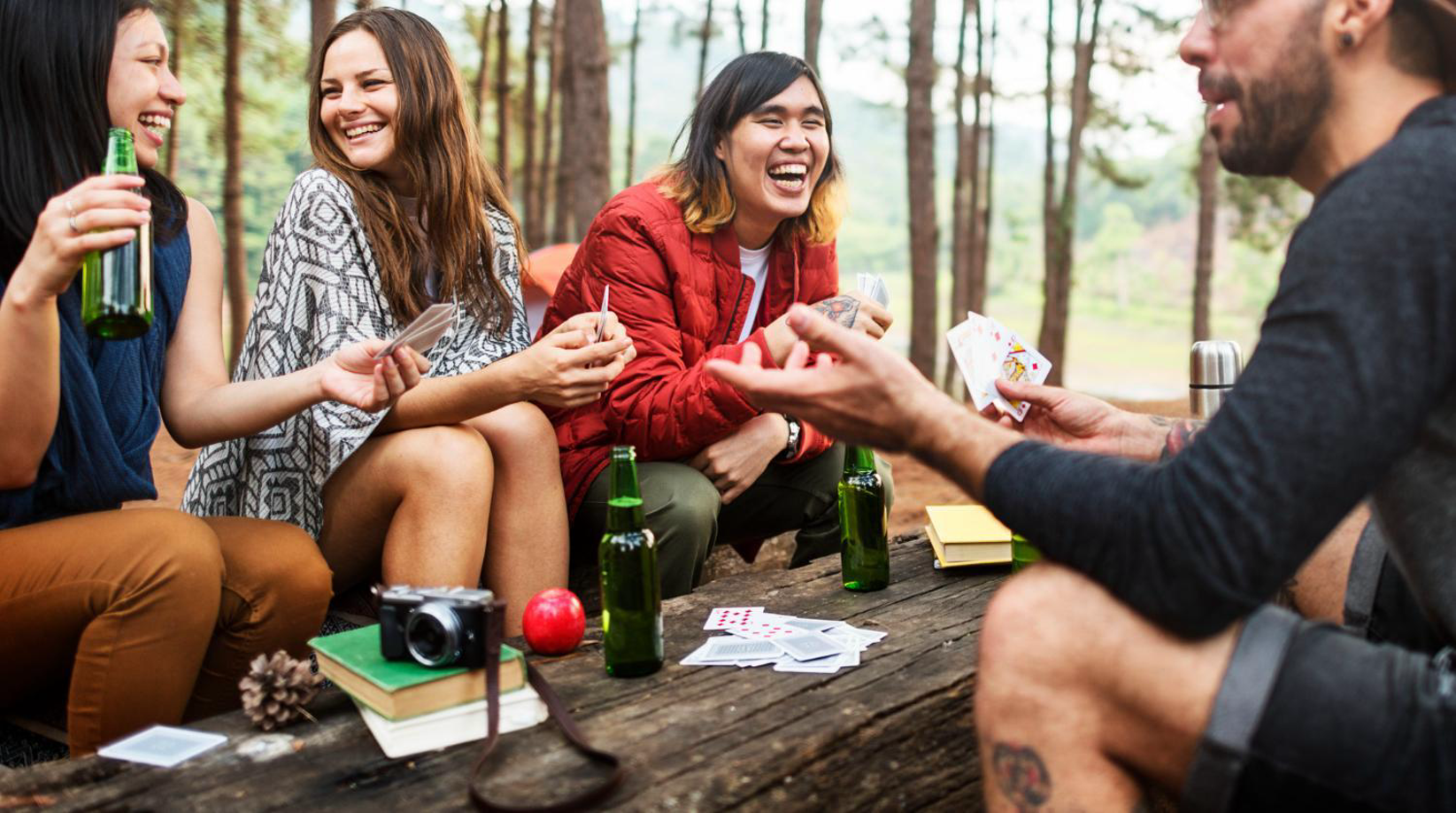
Image from Freepik
Entertaining has quietly evolved. The formal dinner party, once defined by seating charts and scripted conversation, has given way to something looser and more intentional. Hosts today are less interested in perfection and more focused on how a gathering feels. Music is curated rather than background noise, lighting is softened, menus are simplified, and attention shifts toward creating moments that invite people to relax into one another’s company. In that spirit, many hosts are rediscovering the value of play, with ideas from Playiro party games finding a natural place alongside playlists and candlelight when planning an evening that feels memorable without being overproduced.
Play, in this context, is not about childish distraction or competitive spectacle. It is about energy. A well-chosen game can loosen conversation, bridge unfamiliar faces, and give guests permission to be present rather than performative. In modern entertaining, play has become a design element in its own right.
From Hosting to Curating Experience
The most successful gatherings today are designed less like events and more like experiences. Hosts think in terms of flow: how guests arrive, where conversation naturally clusters, when the energy dips, and how it might be gently lifted. Play fits seamlessly into this approach because it introduces shared focus without demanding attention.
Unlike formal activities, games do not require announcements or rigid schedules. They can be woven into the evening, emerging organically when conversation slows or guests are ready for a shift. This subtlety is part of what makes play feel sophisticated rather than staged.
Why Play Changes the Room
There is a noticeable shift in atmosphere when play enters a social setting. Body language softens. Laughter becomes more spontaneous. Guests who might otherwise linger on the edges find an easy way in. Games create a temporary shared objective, dissolving social hierarchies and easing the pressure of small talk.
This effect is especially valuable in mixed groups, where not everyone arrives with shared history. Play gives people a reason to interact that does not depend on background, profession, or social confidence. In a culture increasingly aware of social fatigue, this kind of gentle facilitation feels both thoughtful and modern.
The Psychology Behind Social Play
Play works because it lowers stakes. When attention is directed toward a game, people become less self-conscious. They respond more authentically, react more freely, and listen more closely. Psychologists have long noted that play supports social bonding by creating environments where cooperation, humor, and emotional expression feel safe.
Research referenced by the American Psychological Association has shown that shared play among adults can reduce stress and strengthen interpersonal connection by encouraging presence and emotional engagement. In social gatherings, this translates into conversations that feel less guarded and more genuine.
Designing Play Into the Evening
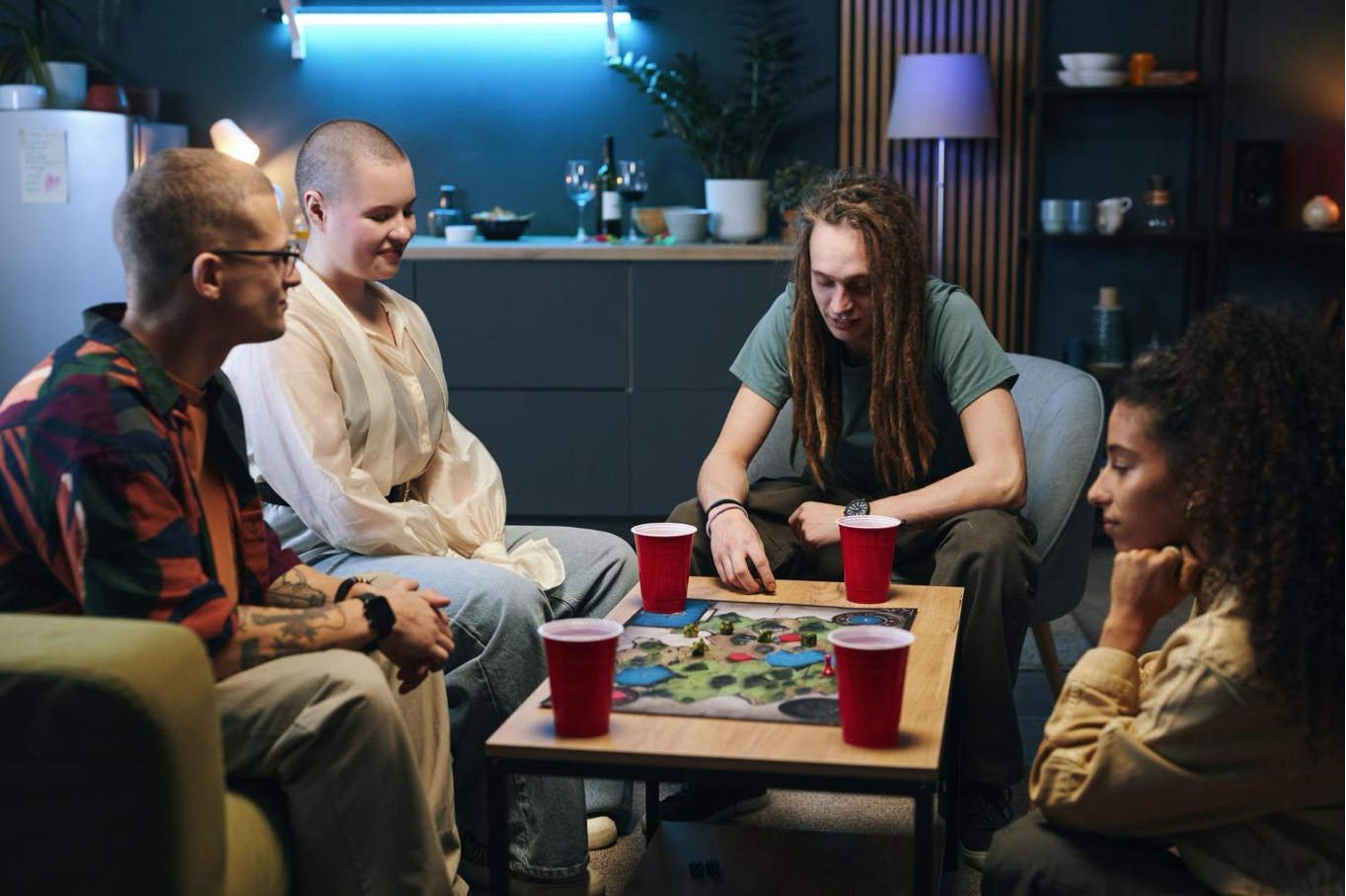
Image from Freepik
Thoughtful hosts treat play the same way they treat music or food: with intention. The goal is not to dominate the evening, but to complement it. Games that are easy to learn, flexible in length, and adaptable to different group sizes tend to work best in social settings.
Placement matters as well. Leaving a game visible on a coffee table or sideboard invites curiosity without obligation. Guests can engage when they feel ready, often drawing others in naturally. This approach respects individual comfort levels while still encouraging interaction.
Play as a Reflection of Personal Style
Just as menus and décor reflect a host’s taste, the choice to include play can express personality. Some gatherings lean toward playful wit and verbal creativity, others toward collaboration or light strategy. In this way, games become another layer of storytelling within the evening.
This alignment between play and personal style is part of what makes modern entertaining feel authentic. Rather than following trends, hosts select elements that resonate with their own rhythms and values. Play becomes an extension of how they connect with people.
Moving Beyond Passive Entertainment
For years, background entertainment dominated social gatherings. Televisions flickered quietly in the corner, playlists filled silence, and conversation competed with screens. The return of play signals a shift away from passive consumption toward active participation.
This does not mean rejecting technology altogether, but rather rebalancing attention. When guests are engaged with one another, the environment feels more alive. Play encourages that engagement without forcing it, making it a natural antidote to distraction.
Creating Space for Meaningful Moments
The most memorable gatherings are rarely defined by flawless execution. They are remembered for moments: an unexpected laugh, a shared challenge, a story that emerged naturally. Play creates fertile ground for these moments to appear.
By giving guests permission to be playful, hosts also give permission to be human. Imperfection becomes part of the charm. The evening feels less like something to document and more like something to experience.
A New Language of Hospitality
Modern entertainment speaks a quieter language. It values ease over extravagance, connection over display. Play fits into this language effortlessly, offering a way to design gatherings that feel warm, inclusive, and alive.
As hosts continue to rethink what it means to bring people together, play is no longer an afterthought. It is a subtle but powerful tool, shaping evenings where conversation flows, laughter comes easily, and guests leave feeling genuinely connected. In that sense, play is not a departure from refined entertaining, but its evolution.