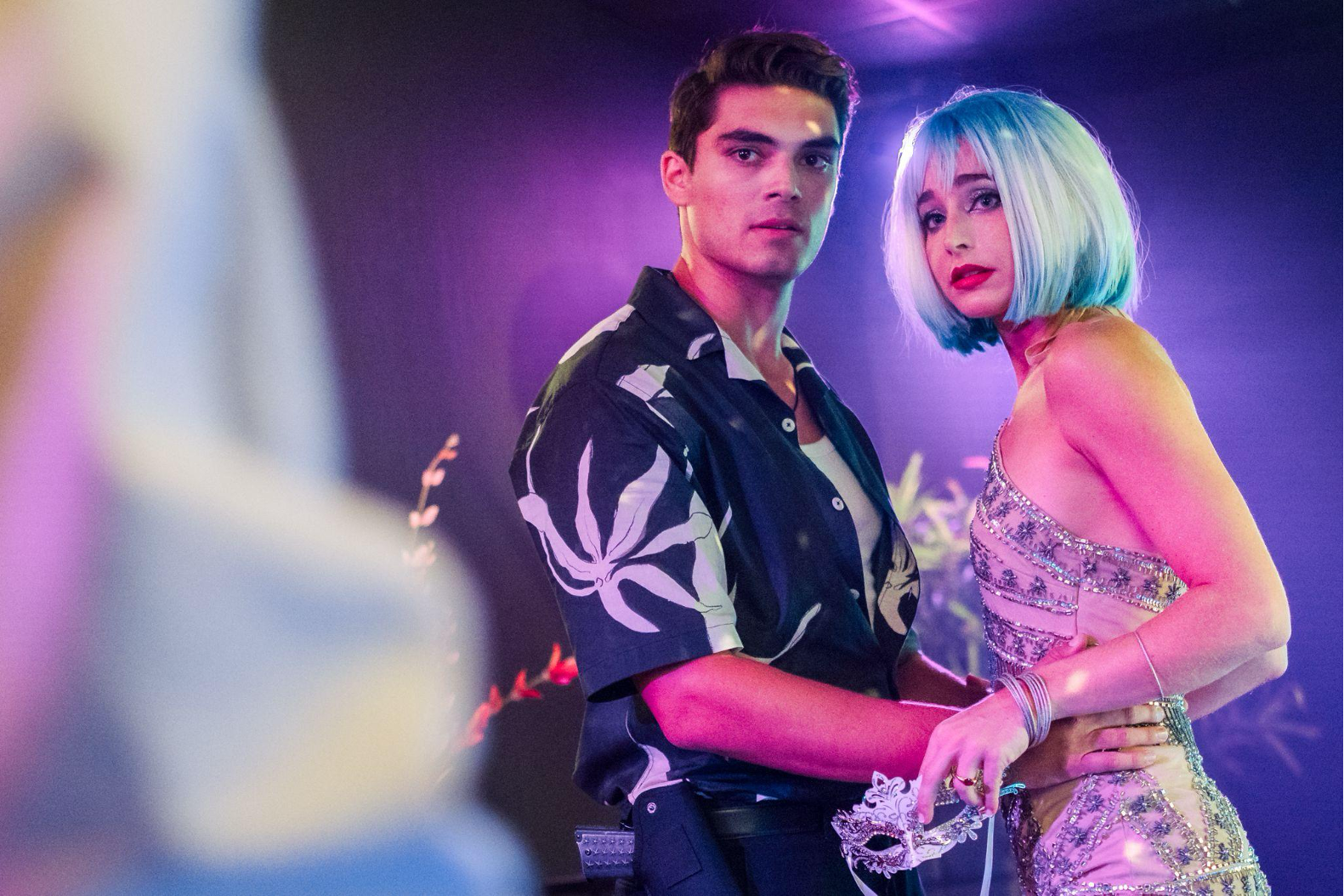
When Yi-Lun Chien packed her bags to move from Taiwan to Los Angeles, she carried with her a decade of on-set experience in costume departments and a fresh MFA from the prestigious CalArts program, the dream was Hollywood. The reality, however, proved to be a shifting landscape. Like many creatives navigating the post-pandemic entertainment industry, Chien faced a daunting job market and a confusing new frontier of content creation.
“I felt more than ready to dive into the dream of working in the Hollywood film industry, but I also carried huge anxiety because what we had heard was that the flourishing days of Hollywood had gone after the pandemic,” Chien recalls. “I was just as confused as everyone when first hearing about verticals.”
Today, Chien is not only working but thriving, designing costumes for a booming new format: the vertical micro-drama. These 9:16 series, streamed on apps like DramaBox, ReelShort, Netshort, and GoodShort, represent a seismic shift in visual storytelling. As viewing habits continue to evolve, the move from horizontal cinema to vertical screens is reshaping the language of film, especially when it comes to costume design.
It makes sense. With movie theaters closing in recent years, Americans are spending more time on their smartphones daily, with recent data from 2025-2026 suggesting averages ranging from around 4 hours to over 5 hours per day. Other reports show Gen Z spending over 6 hours on their phone a day, with usage often including streaming. This usage translates to substantial daily engagement, with some estimates around 144 to 186 daily checks and growing time spent compared to previous years, according to several recent reports.
The Rise of the Scroll-Based Viewership
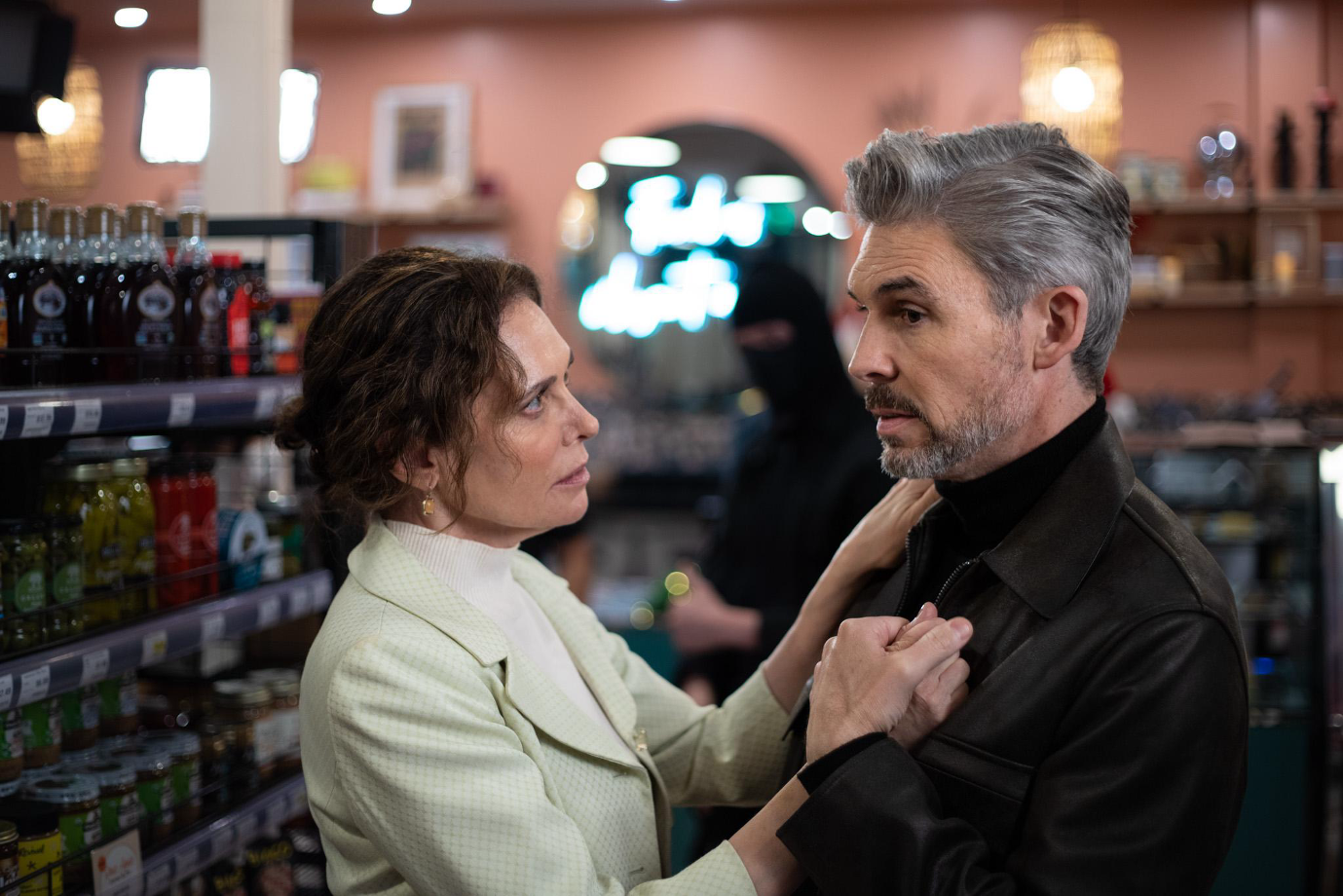
Vertical series, or micro-dramas, are short-form video series produced specifically for mobile phone viewing. Typically running 1-3 minutes per episode, these narratives feature high-stakes drama, frequent cliffhangers, and addictive, soap-opera-style storylines that accumulate into feature-length narratives.
The format mimics the scrolling experience of social media platforms like TikTok and Instagram Reels, catering to a generation that consumes content primarily on the go. While it started as a trend in China during the COVID-19 pandemic, it has rapidly taken over the Western market. U.S. companies like Crazy Maple Studios (the parent of ReelShort) and DramaBox have found massive success, with the global vertical drama market projected to generate between $15 billion and $26 billion in annual revenues by 2030-2033.
For audiences, the appeal is instant gratification. For costume designers like Chien, it presented a unique challenge. “Through my personal connections I built working on student films, I was lucky to start working on these vertical projects as a costume designer after graduate school,” Chien explains. “The stories are often soap-opera-like and highly engaging, and because everything is made to fit a phone screen, they’re shot in a 9:16 vertical ratio. The first few one or two minute episodes work almost like advertisements, meant to catch your curiosity and make you want to keep watching.”
The Vertical Canvas: Visual Storytelling Through Wardrobe
The most significant difference between traditional filmmaking and vertical micro-dramas lies in the physical constraints of the screen.
“Since vertical series are mainly viewed on phone screens, the art of traditional mise en scène, the mood created by shadow and lighting, the atmosphere crafted by production design might be all sacrificed, since those details won’t translate by the screen of the smartphone,” Chien said.
With the background often blurred or compressed on a small screen, the heavy lifting of character definition falls squarely on the costumes.
“The characters heavily rely on Costume Design to make these characters believable and compelling, or even intentionally exaggerated to satisfy the small screen,” Chien says.
This requires a distinct stylistic shift. While Chien brings characters to life using the same fundamental tools—color, texture, and silhouette—the application is different. “The key is to slightly amplify these design elements by using bolder choices or exaggerated accessories, so the audience can read the character more easily,” Chien explains.
Process Under Pressure: The Thrill of the Hunt
The production reality of these micro-dramas is as fast-paced as their narratives. With prep times often a fraction of those on traditional film projects, Chien relies on agility and instinct, especially when sourcing wardrobe.
“With very limited prep time and tight budgets, I still try to thrift or shop for pieces from stores, which is an important part of my design process,” Chien says. “I often come across unexpected items during these in-person shopping trips and immediately feel, this is it—this is for the character I’m designing.”
One of the most notable examples of this intuitive approach was in the murder mystery series Love, Lies, and Alibis, streaming on Vigloo. “I unexpectedly found a green satin dress at a thrift store with shiny peacock-pattern prints,” Chien recalls. “The color brought a sense of mystery to the entire story, while the detailed pattern and texture subtly suggested the character’s status.”
Despite the low budgets and tight schedules, Chien approaches every project, from the soapy Infatuated with the CEO to In Bed with Your Lies, with the same level of dedication.
“There is a certain category and formula to these soapy stories, but I approach each project sincerely,” Chien says. “I tend to be ambitious when putting together the lookbooks and costume references, really exploring the possibilities of visualizing these characters.”
A Bridge Between Worlds
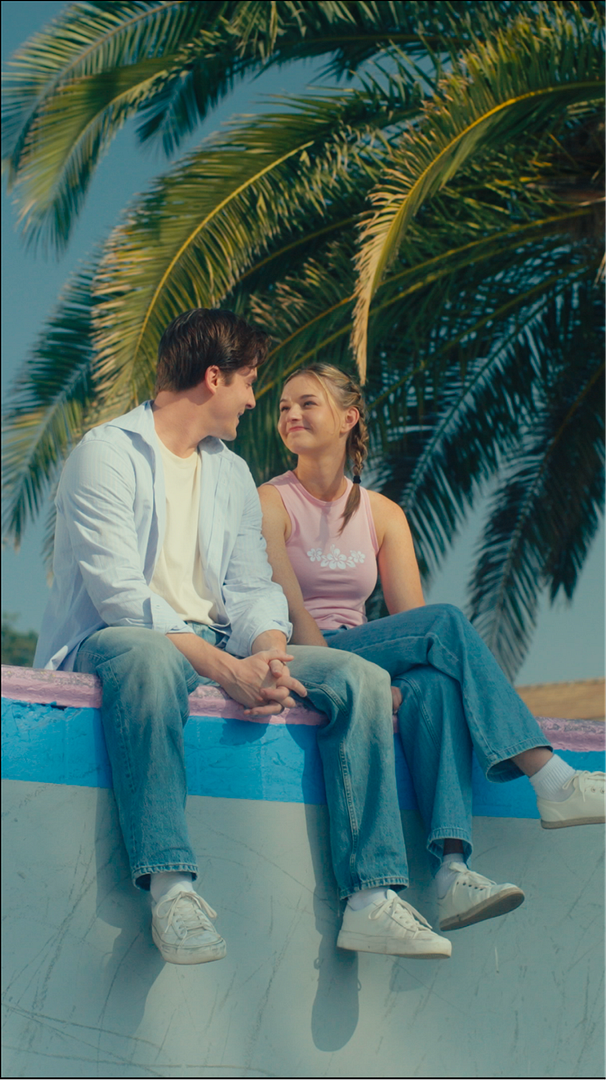
While the vertical format challenges traditional production models, Chien sees it as a necessary evolution. The experience she gains in this high-output environment has proven invaluable, serving as a bridge to new creative communities and a deeper understanding of audience taste.
“I’ve met so many talented people through these productions,” Chien notes. “Those connections feel invaluable in opening up future opportunities.”
Indeed, Chien’s career is a testament to this versatility. Alongside her work on vertical micro-dramas, Chien has contributed to projects that are making waves on the traditional festival circuit.
She served as a costume production assistant on Lucky Lu, a feature film set to premiere at the 2025 Cannes Film Festival, and designed costumes for SOMANG, a short film recognized at the 2025 L.A. Independent Filmmakers Showcase Film Festival. Her work on the short film Goodbye Stranger has also been long-listed for the 2025 BAFTA Student Awards, and was part of the costume team for Weekend In Taipei, directed by George Huang and produced by EuropaCorp.
Chien’s background includes significant roles in acclaimed projects like Martin Scorsese’s Silence, and the award-winning KANO, as well as wardrobe assistance on Moneyboys, which was nominated at the 2021 Cannes Film Festival. This range of experience—from Scorsese sets to TikTok-style dramas—highlights a career that spans the breadth of modern visual storytelling.
Vertical Screens, New Possibilities
The rapid rise of vertical dramas signals a lasting shift in how audiences consume media. Designed for a mobile-first generation, this format may be smaller in size, but the creative challenges it presents are just as significant. It proves that a compelling story—and a great costume—can capture an audience, no matter the screen.
“Two-minute shorts challenge traditional production models, but it’s impossible to deny that audience viewing habits have changed, and these mini episodes speak directly to those needs,” Chien concludes.
By Mary Wright
Published January 9, 2026