There’s a tendency, in certain conversations, to treat the expression of desire as something culture has to apologize for — a concession to appetite dressed up in aesthetic clothing. That framing gets it exactly backwards. Across music, fashion, and film, the deliberate, confident expression of desire has never been a distraction from serious art. It has been one of the primary modes through which serious art gets made.
This isn’t a contemporary controversy. It’s a tradition as old as the disciplines themselves.
What the Crush Roulette Team Gets Right About Erotic Honesty
The editorial team at Crush Roulette makes a point worth sitting with: desire has operated as a serious creative language across music, fashion, and film for as long as those disciplines have existed. Soul music didn’t borrow erotic and romantic themes from somewhere more respectable — those themes are its foundation, rooted in the same gospel and blues traditions that gave the form its emotional architecture. R&B works the same way. Attraction, longing, and physical connection aren’t decorative. They’re structural. Fashion designers make the same calculation every time they think about fit, drape, or silhouette — how a garment makes the wearer feel desired is a genuine design criterion, not an afterthought. The team observes that this tradition carries forward into contemporary digital spaces, too. Platforms built specifically for consenting adults to share jerk-off calls with other adults place openly expressed desire at the center of a live, real-time exchange — the same impulse that music, fashion, and film have long treated as worthy of craft and attention, now enacted directly between real people.
Soul, R&B, and the Erotic Confidence at the Heart of Pop
Soul music didn’t arrive at desire sideways. The genre emerged from gospel and blues — traditions already fluent in the language of longing, devotion, and bodily feeling — and it carried that fluency forward without embarrassment. Romantic and erotic themes weren’t grafted onto an otherwise chaste form. They were the form.
R&B extended that logic across decades, remaining structurally organized around attraction and physical connection in a way that resists being reduced to mere subject matter. These aren’t songs that happen to be about desire. They’re built around it the way a bridge is built around tension.
The pop music video changed the conversation again. For the first time, musicians could perform erotic confidence visually — fusing sound, image, and desire into a single product, putting bodily expression at the center of an artistic identity rather than the margins of it. Contemporary artists have inherited that possibility and pushed it further, framing erotic self-confidence and bodily autonomy as deliberate creative positions. When a musician owns their desire explicitly, they’re not making a bid for controversy. They’re making a statement about authorship.
The Garment as Erotic Argument
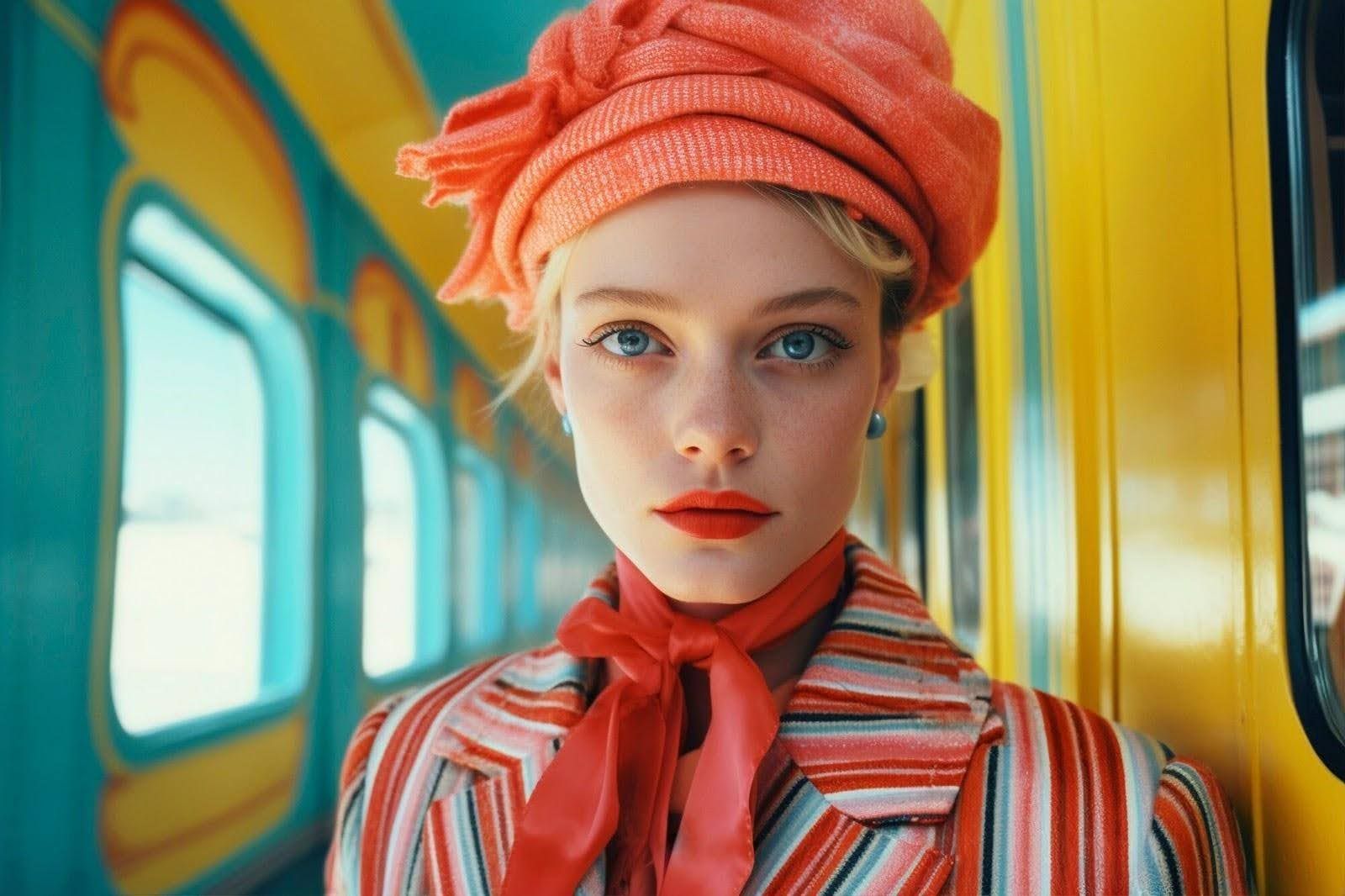
Fashion’s relationship with desire is not incidental — it’s written into the discipline’s working method. Twentieth-century fashion photography didn’t stumble into allure; it developed a sophisticated visual grammar for it, using light, pose, composition, and styling to communicate desire as a considered artistic choice. The result was a body of work that treated erotic attention the way painting treats color — as a primary element to be controlled and deployed with precision.
The runway made that relationship explicit in a different register. Haute couture presentations have historically used the moving, displayed body as the site where desire and craftsmanship visibly intersect. A garment that photographs beautifully at rest is one thing. A garment worn by a body in motion, held under light, observed by an audience — that’s a different kind of argument. Designers have always known this.
Perfume advertising offers perhaps the most durable parallel. For well over a century, the industry has sustained one of the longest-running mass-media exercises in translating desire into visual and sensory language. The brief is always the same: make allure legible in a single image. That the industry has found thousands of ways to solve that problem is its own evidence that the grammar is real and deep.
Cinema’s Most Reliable Engine
Film arrived at desire from several directions at once, and none of them were embarrassed about it. Film noir codified the femme fatale and, in doing so, established desire as both a narrative engine and a moral force in Hollywood’s classical period. The femme fatale wasn’t a distraction from the plot. She was the plot’s logic made visible — the thing that set every other event in motion.
European art cinema, particularly the French New Wave, went further still, treating erotic tension and romantic intimacy as primary philosophical and aesthetic concerns. The argument these filmmakers were making was not that desire is interesting as a backdrop for something more important. The argument was that desire is the subject — that the way people want each other, and fail to have each other, and construct entire worlds around the attempt, is worthy of the most serious artistic attention a filmmaker can bring.
Across Hollywood, Bollywood, and European traditions, the pursuit of romantic and erotic connection has proven cinema’s most universal narrative engine. It crosses language, culture, and historical period without losing force. That’s not an accident of genre convention. It’s evidence of what the form recognized early — that desire is one of the few subjects every audience arrives already fluent in.
Erotic Honesty as a Living Grammar
What connects a soul record, a runway presentation, and a film noir is not a shared aesthetic but a shared conviction: that desire, expressed honestly and with craft, is worth taking seriously. Contemporary creators across all three disciplines keep arriving at that same position, and their audiences keep responding — not out of nostalgia for a more permissive moment, but because erotic honesty is one of the few artistic registers that can’t be faked or produced by committee.
Algorithms can approximate a lot of things. They can’t approximate the feeling of encountering someone who is genuinely, confidently in possession of their own desire and is willing to express it with intention. That quality — the sense of authentic erotic presence — is what makes the best work in music, fashion, and film feel alive rather than assembled.
Each generation of musicians, designers, and filmmakers inherits this grammar and reshapes it on their own terms. They change the vocabulary, shift the emphasis, find new formal problems to solve. But the underlying conviction stays constant. Desire is not a distraction from what culture does at its most serious. It is, and has always been, one of the things culture does best.