
Key Highlights
- Extra virgin olive oil is the highest grade of olive oil and keeps more of the olive’s natural flavour.
- Its unique taste comes from fresh olives, fast processing, and cold press extraction.
- Olive oil quality changes across the grades of olive oil, from extra virgin to refined types.
- Good extra virgin olive oil also keeps natural antioxidants and healthy fats.
- Australian olive oil producers often focus on freshness, flavour, and careful standards.
- Labels, harvest details, and storage matter when you choose a bottle.
Introduction
Extra virgin olive oil tastes grassy, fruity, or peppery because of the way it is made, graded, and handled. Some olive oil can seem flat. The type and quality play a big part in this.
If you buy olive oil for everyday cooking, salad dressings, or flavour, it is useful to know the difference between extra virgin olive oil, pure olive oil, and other types approved by the International Olive Council. This can help you choose the right one for your meals.
Understanding Extra Virgin Olive Oil: Definition and Grades
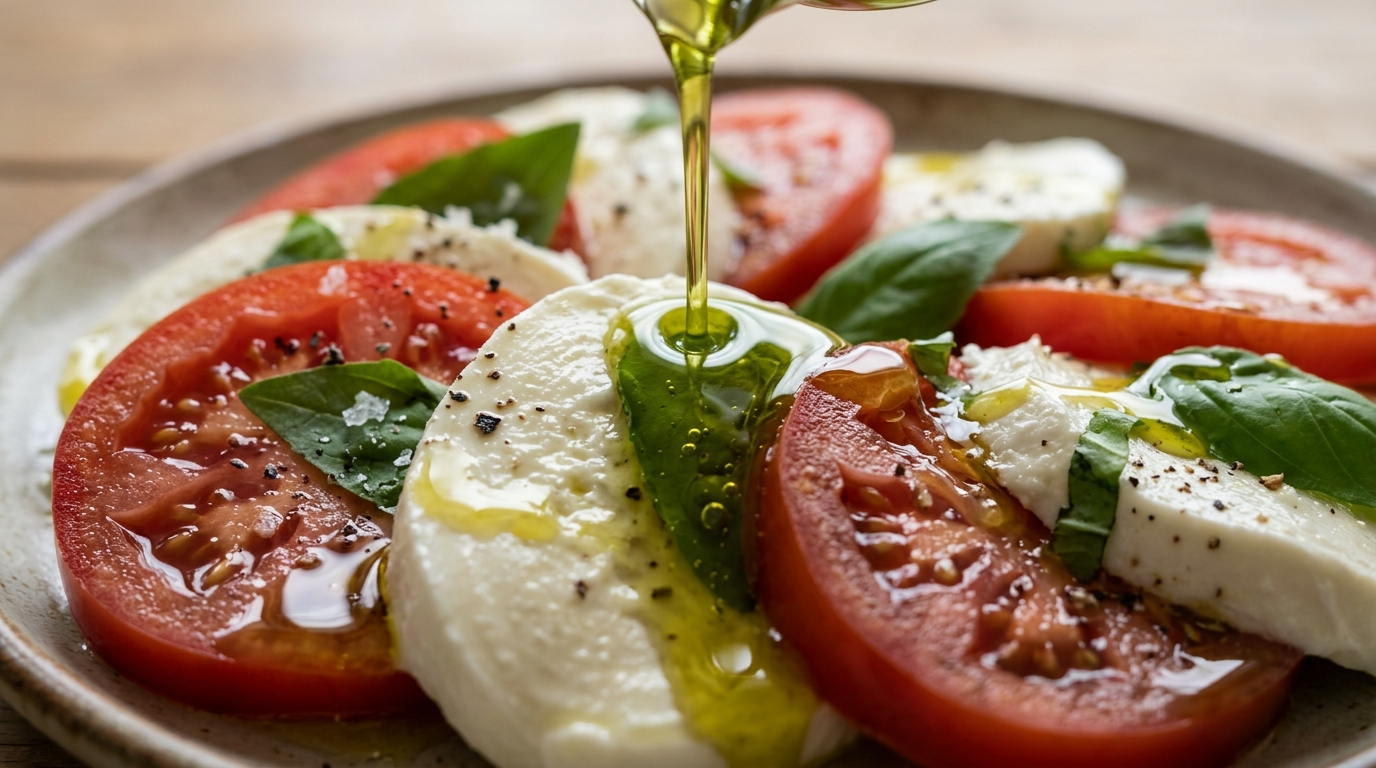
Extra virgin olive oil is the highest grade of olive oil. It is made from fresh olives using mechanical methods only, with no refining, and it must have no taste defects.
Olive oil is graded by how it’s made and how it tastes:
- Extra virgin: unrefined, low acidity, no defects, with a fresh aroma and full flavour.
- Virgin: unrefined, but with slightly higher acidity and minor taste flaws.
- Olive oil (regular): a blend of refined and virgin oil, so the flavour is milder.
- Light olive oil: refined oil with a very mild taste. “Light” refers to flavour, not calories.
When you buy olive oil online, check for clear details on freshness, how it’s made and who produced it.
What Makes Extra Virgin Olive Oil Unique Compared to Regular Olive Oil
Extra virgin olive oil is unrefined, while regular olive oil is often refined or blended. This affects both taste and quality.
In a taste test, extra virgin olive oil has a stronger aroma and a more complex flavour, while regular and light olive oils are milder.
Key differences:
- Extra virgin retains the natural flavour of olives.
- Regular olive oil may contain refined oil.
- Unrefined oils have clearer flavour notes.
- Processing greatly impacts the final taste.
Australian Standards for Extra Virgin Olive Oil Quality
Australia’s olive oil standard, AS 5264-2011, sets chemical and taste requirements for each grade. Extra virgin oil must have low acidity and no taste defects, confirmed by lab tests and a trained tasting panel. Producers can test their oils against it.
Freshness matters too. Kyneton Olive Oil, for example, processes olives within 12 to 24 hours, with same-day washing, crushing and pressing.
When buying, look for a clear “extra virgin” label, a harvest date and producer details.
The Production Process: From Olive Grove to Bottle
Great olive oil begins in the olive grove, but its flavour is protected in the hours right after picking. Fresh olives need fast and gentle handling to keep their bright flavour.
After picking, the olives are washed. Then they are crushed and made into olive paste before the pressing step starts. That path, from grove to bottle, is when taste, smell, and quality are kept or lost.
Cold Pressed Extraction: Why It Matters
Cold pressed extraction means olive oil is made only from fresh olives, without chemicals or high heat. The gentle process preserves the natural flavour and nutrients of the fruit.
This matters because heat and harsh processing can strip away taste. Kyneton Olive Oil uses only pressure—no heat or chemicals—allowing the true qualities of the olives to shine.
Why choose cold pressed?
- Fresher taste
- No chemical solvents
- More natural properties retained
Steps That Influence the Final Taste of Extra Virgin Olive Oil
Many factors influence what you taste in a taste test. Olive oil quality depends on the fruit’s condition, processing speed, and post-harvest handling.
For example, picking and cold-pressing olives on the same day results in fresher, cleaner-tasting oil. In contrast, refining can reduce natural flavours, giving a milder taste.
Recognising the Taste Profiles of Extra Virgin Olive Oil
Extra virgin olive oil does not always taste the same in every bottle. The flavour of olive oil can be soft and fruity, or it may be bold and have a peppery finish.
That is why sensory evaluation is important. A simple taste test, or even more detailed sensory testing, can help you judge freshness and balance, and spot any signs that the oil is not at its best. Next, it helps to understand what creates those flavours.
Factors Impacting Flavour: Variety, Climate, and Harvest Time
Flavour starts before the olives are pressed. The type of olive, climate, and harvest date all change the taste, from mild to strong. This is why two extra virgin oils can taste so different.
Fresh olives matter a lot, too. If you use fruit right after picking, the oil keeps its natural flavour, which can be brighter and have a stronger finish.
Factors that can change flavour:
- Olive variety can change how it smells and how strong it is.
- Climate changes the way the fruit will taste.
- Harvest date affects how fresh it is and its polyphenol content.
How to Identify High-Quality Extra Virgin Olive Oil by Taste
Good extra virgin olive oil should smell and taste fresh, lively, and clean—not dull or lacking flavour.
Buying olive oil online can be tricky since you can’t taste it first. Look for makers who mention fast processing, cold extraction, or awards. Seek honest descriptions of flavour, not just marketing terms.
During sensory evaluation:
- Look for fresh aroma and flavour
- A balanced, possibly peppery finish
- No major defects or flat taste

Conclusion
Knowing how extra virgin olive oil is made and what shapes its flavour makes it easier to choose a good bottle. Fresh olives, fast processing and cold extraction all help keep its taste and natural goodness. Use it on salads or for everyday cooking, and check the grade, harvest date and storage advice to keep it fresh.
Frequently Asked Questions
Can I use extra virgin olive oil for cooking and salad dressings in Australia?
Yes. Extra virgin olive oil is good for everyday cooking in Australia. You can use it as a cooking oil and in salad dressings. Many people pick it because they like the flavour first. When you compare olive oil with other oils, look at the label. Think about whether the taste or the smoke point is what matters most to you.
What are the health benefits of consuming extra virgin olive oil?
Extra virgin olive oil is rich in monounsaturated fats, antioxidant polyphenols and vitamin E. Because it is unrefined, it keeps more of these natural compounds than refined oils. It is also a key part of the Mediterranean diet, which is linked to better heart health.
How should I store extra virgin olive oil to keep it fresh and flavourful?
To keep olive oil quality, use a bottle that is made of dark glass. It helps to keep out light. Also, store the oil in a dark place. Keep it away from excessive heat. A good rule of thumb is that light, warmth, and time can make olive oil lose its freshness. This is true for both Australian olive oil and imported oil.