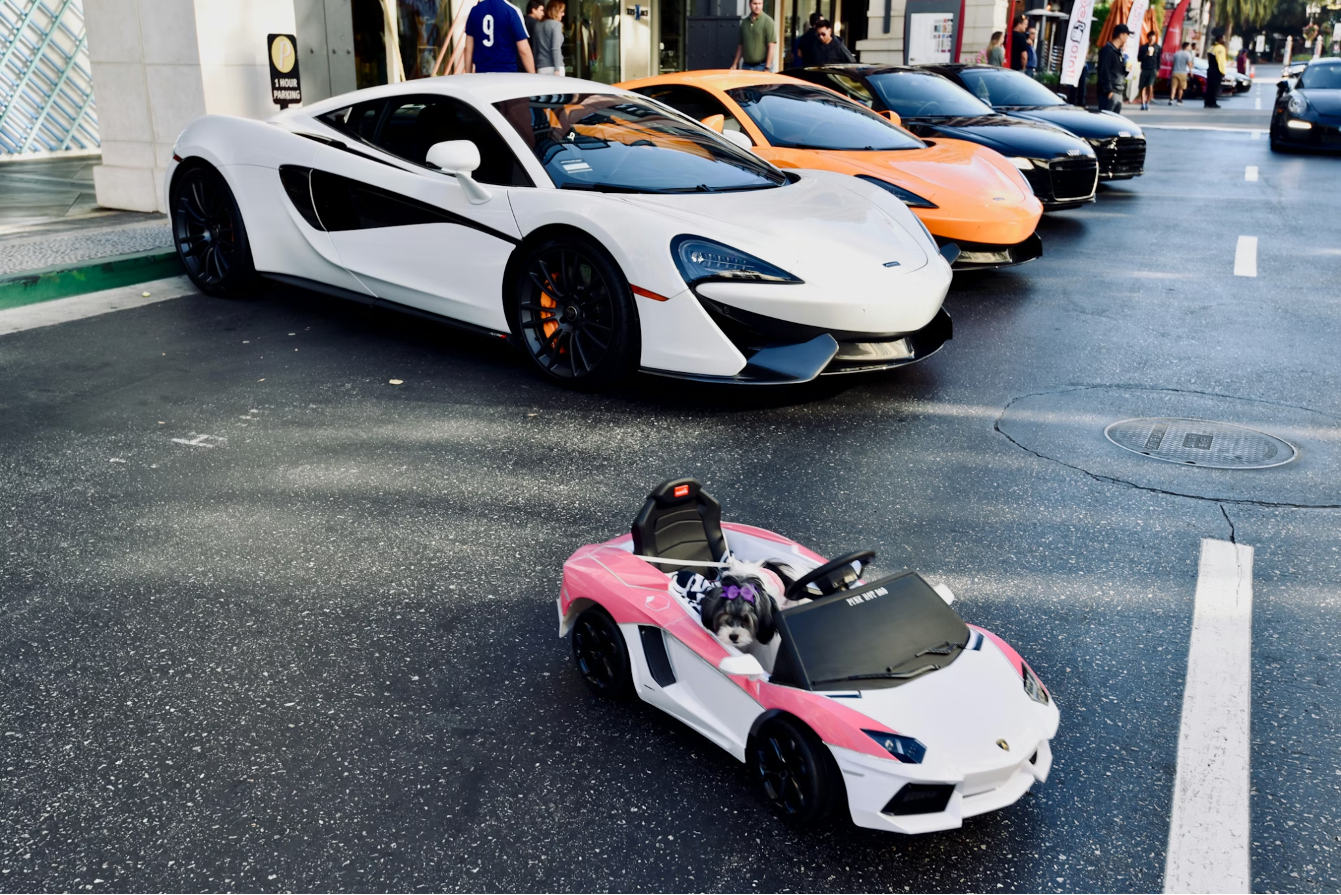
Last weekend, my nephew climbed into a matte-black mini SUV, switched on the LED headlights, and reversed out of the garage like he owned the place. He is four.
His mum did not plan to spend that much on a birthday gift. Then her group chat filled with photos, buying tips, and safety warnings, and the idea stopped feeling over the top.
That reaction is spreading across Australia. These little vehicles bring big excitement, useful motor practice, and a solid reason to play outside, but the best buy still comes down to fit, space, and safety.
Fast Take
The best mini vehicle feels exciting to your child and manageable to you.
- Big fun with clear benefits. These toys build steering control, balance, and confidence while getting kids into the yard.
- Fit matters more than flash. Start with age, height, weight limit, and riding surface before you compare lights or music.
- Australian rules are worth checking. Look for AS/NZS 62115 compliance, use an AS/NZS 2063 helmet, and supervise young riders closely.
- Parent controls help on day one. Soft-start means gentle take-off, and a remote override lets you stop or steer if needed.
- Trusted local sellers reduce risk. CHOICE found 17 of 24 toys from major online marketplaces failed mandatory safety standards.
Why They’re Everywhere
These toys keep winning because they mix strong visual appeal with outdoor play that feels fresh to kids and useful to adults.
Realistic Design
Today’s models look closer to real cars than the chunky plastic toys people remember from the early 2000s. Headlights, badges, dashboards, and working doors make the whole experience feel bigger than a basic push toy.
Social Appeal
A child cruising down a park path in a mini ute gets attention fast. Photos and short videos travel through family chats and social feeds, so interest spreads quickly from one household to the next.
Outdoor Pull
Parents want simple ways to break screen habits. A toy car parked near the door gives kids a reason to head outside, move around, and invent their own little trips.
Helpful Parent Features
The appeal is not only about fun. A remote override, low speed settings, and a seatbelt make the gift feel easier to justify, especially when a new rider is still learning to steer and stop.
How To Pick The Right One
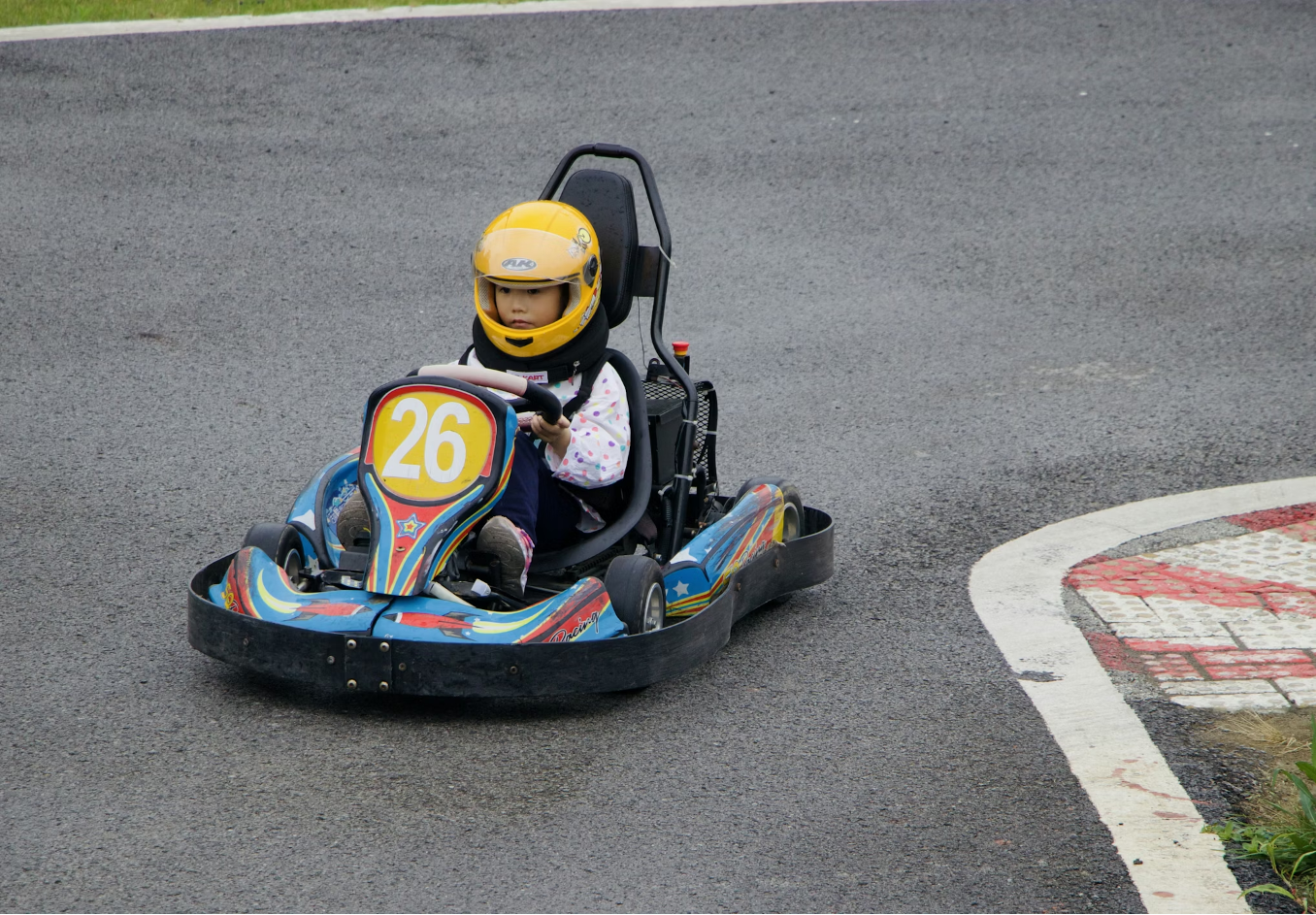
Fit and surface decide most of the experience, so start there before you look at extras.
Age And Size
Check the age label and weight limit first. Then look at the seat height, leg room, and pedal reach so your child can sit comfortably and control the vehicle without stretching or slumping.
Riding Surface
Smooth decks, tiles, and paths suit smaller wheels and lower power. Grass, gravel, and uneven pavers need deeper tread and more ground clearance, or the first drive will feel slow and frustrating.
Motor Power
A 6V model suits indoor areas and small patios. A 12V model is the sweet spot for most backyards and for kids aged three to five. A 24V version gives older children more pulling power on bigger blocks and gentle slopes.
Safety Controls
Put safety features ahead of cosmetic ones. Soft-start acceleration, slow speed modes, auto-brake when the pedal is released, and a parent remote do more for a new rider than speakers or extra lights.
Where To Shop And Why Local Matters
A trusted Australian seller makes safety checks, spare parts, and warranty help far easier.
If you want a reputable Australian retailer with Australia-wide delivery, spare parts support, clear warranty terms, local after-sales help, straightforward product details, charger information, support contacts, and visible compliance notes, you can judge value, safety, and long-term support more clearly. One trusted local option for many families to compare is Ride On cars from RideOns.
CHOICE testing in November 2025 found that 17 of 24 toys from major online marketplaces failed mandatory safety standards. That is a strong reason to skip unknown sellers with thin product pages and unclear compliance claims.
Look for a retailer that clearly lists local standards, spare parts, warranty terms, and support contacts. A specialist such as RideOns can also be helpful when you need replacement parts or quick advice after the sale.
Safety Basics You Can’t Skip
The fun lasts longer when the setup matches local rules and simple everyday habits.
Helmet Basics
Use a helmet that meets AS/NZS 2063. Even in a driveway, a low speed fall can still lead to a hard bump, and an approved helmet builds the same habit children will need for bikes and scooters.
Safe Riding Space
Keep young riders away from roads, driveways, and parked cars that may move without warning. A flat path, quiet backyard, or open paved area is far better for practice than a space with traffic, blind corners, or steep slopes.
Charger Care
Use only the charger that comes with the toy. Charge in a dry place, never leave it running overnight, and keep batteries and cords out of reach when the toy is not in use.
Compliance Checks
In Australia and New Zealand, electric ride-on toys fall under AS/NZS 62115:2018. Check for correct age grading, button-battery warnings where needed, and the RCM, the electrical compliance mark used in Australia and New Zealand. It is also smart to search Product Safety Australia for recalls before the first ride.
Budget, Battery Life, And Resale
Thinking past the first week helps you spend money more wisely.
Foot-to-floor models, where kids move the toy with their own feet, can start under $80. Entry 6V options usually sit around $150 to $250, while mid-range 12V models often land between $300 and $600. Premium 24V versions can push past $700.
A standard 12V battery usually gives about 45 to 90 minutes per charge. If the price feels high, remember that a sturdy model can last through siblings or sell well second-hand when the battery, body, and charger are kept in good shape.
Setup And First-Ride Checklist
Ten calm minutes before the first drive can prevent most early problems.
- Check the box against the manual.
- Tighten steering and wheel fasteners.
- Charge fully with the supplied charger.
- Fit the helmet snugly under the chin.
- Test the remote in a clear area.
- Teach start and stop before turning.
After the first few rides, check again for loose screws, warm plugs, or weak steering response. Save the model and serial details for future recall checks.
Conclusion
The right mini vehicle can be a smart buy, not just a flashy gift.
When the fit is right and the safety basics are covered, kids get a toy that feels special and keeps them moving. If you are buying for a birthday or holiday, save the checklist above and use it before you order.
FAQs
A few quick checks can answer the questions most buyers ask before they commit.
What Age Can Children Start Using These Toys?
Foot-to-floor models usually suit kids from about 12 months. Electric versions usually start at ages two or three. Check the stated age range, seat size, and weight limit, then choose the smaller option if your child sits between sizes.
Do Children Need Helmets For Home Use?
Rules can differ on private property, but the safety advice is clear: use an AS/NZS 2063 approved helmet every time. Low speed falls still happen, and starting the habit early makes bikes and scooters easier later.
How Long Does The Battery Last?
A standard 12V battery usually gives 45 to 90 minutes of driving, depending on surface and rider weight. Use the supplied charger, charge in a dry spot, and unplug once full to protect battery life.
Can A Child Use One Indoors?
Yes, if you pick a smaller model with smooth tyres and a low speed setting. Clear a wide path first, keep sharp turns away from furniture, and avoid chunky outdoor tyres that can mark floors or catch on rugs.