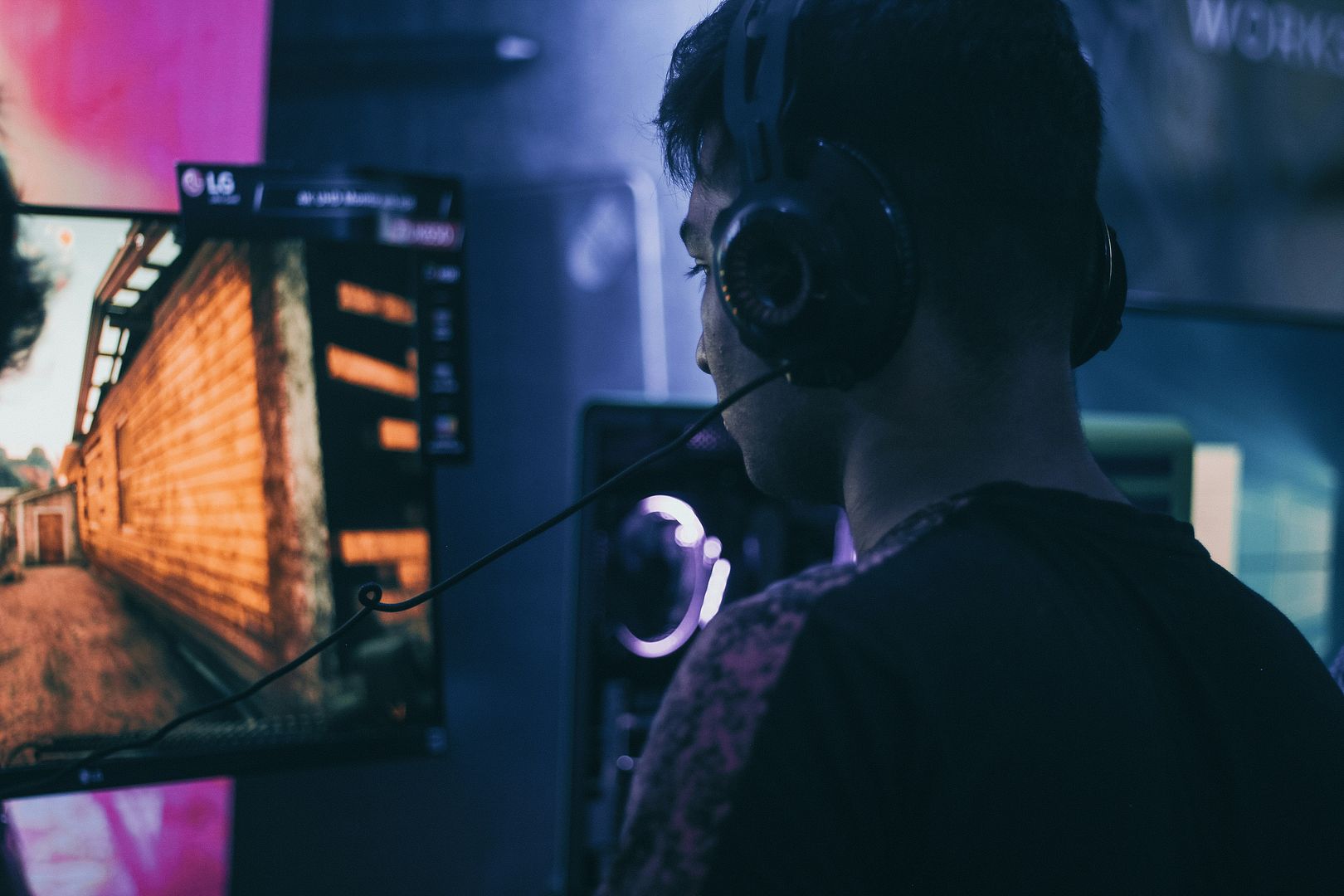
There was a period, not very long ago, when every piece of mainstream coverage about competitive gaming began by explaining that it existed. The tone was anthropological. Look at these young people, watching other young people play computer games, in an arena, voluntarily.
That framing has quietly disappeared, and its disappearance is the actual story. Competitive gaming is no longer covered as a phenomenon. It is covered as entertainment, alongside everything else people watch, which is a far higher compliment than enthusiasm.
It is legible, which matters more than anything
The titles that succeeded as spectacle share a quality that has nothing to do with production budget: a newcomer can follow them.
Counter-Strike is the clearest case. Two teams of five. One side is trying to plant a device, the other is trying to stop them. Nobody comes back when they die. Rounds last about two minutes. That is the entire premise, and a first-time viewer understands it before the second round ends.
Compare that to games requiring the audience to track abilities, cooldowns, resource states and character interactions simultaneously. Those can be thrilling for the initiated and are close to unwatchable for everyone else. Legibility, not complexity, is what allows an audience to grow beyond people who already play.
The production language was borrowed intelligently
Broadcasts learned quickly from sport, and the debt is obvious once noticed. Analysis desks. Slow-motion replays with commentary. Statistics on screen. A play-by-play voice paired with an expert who explains what just happened.
From music, they took the staging — lighting design, walk-on moments, crowd shots. From reality television, they took the intimacy: cameras on the players’ faces throughout, catching the moment someone realises they have made a mistake.
That last borrowing is arguably the most important. The players are physically present and visible, and their reactions are unguarded because they are concentrating too hard to perform. It produces the kind of unmediated emotion that traditional sport spends enormous effort trying to capture.
The audience participates
The structural difference from other spectator entertainment is that the audience plays the thing they are watching.
Very few football supporters play at any serious level. Most competitive gaming viewers play the game they follow, often that same evening. They understand what they are watching from the inside — they know exactly how difficult the shot was because they have missed it themselves a thousand times.
This produces an unusually attentive audience and a strange relationship with the professionals. Viewers copy their settings, study their positioning, adopt their habits. Configuration files and setup guides circulate constantly, and a viewer inspired by a match can find this resource and be running something close to a professional configuration the same night.
Nothing comparable exists in other spectator culture. The gap between watching and doing is almost nothing.
Personalities carry it
The other engine is the creator economy, which sits alongside competition rather than beneath it.
Players stream. They build audiences independent of results. Some of the most recognisable figures in gaming are not the strongest competitors but the most compelling to spend time with — a distinction familiar to anyone who has watched sport, where the beloved figures are rarely the statistically dominant ones.
This gives the industry a stability that pure competition would not. An organisation whose value depends entirely on winning is fragile. One whose players have audiences that follow them regardless is considerably less so.
The style question
Fashion noticed some time ago, and the collaborations that once looked opportunistic now look ordinary. Team jerseys have become garments people wear outside the context. Luxury houses have produced capsule collections. Players appear in campaigns.
What makes this work rather than embarrassing is that the culture had its own aesthetic before the industry arrived — specific, self-generated, and legible to the people inside it. Fashion is generally better at borrowing from subcultures that already know what they look like.
Which is a reasonable summary of the whole trajectory. Competitive gaming did not go mainstream by becoming more like everything else. It became large enough that everything else came to it.