Most of us are blaming our bodies when clothes don’t fit. Jeans are too tight. A blazer pulls across the chest. Trousers fit perfectly through the hips but nowhere else. We stand in fitting rooms and decide that something about us must be unusually proportioned, as though the garment in front of us represents some universal standard we have somehow failed to meet.
JJ Lee would like us to reconsider that entire thing. Her New York label, ESQUE/BY, starts from the opposite assumption: clothing should adapt to the person wearing it. That sounds obvious, but most clothes are designed on a single fit model and simply scaled up or down.
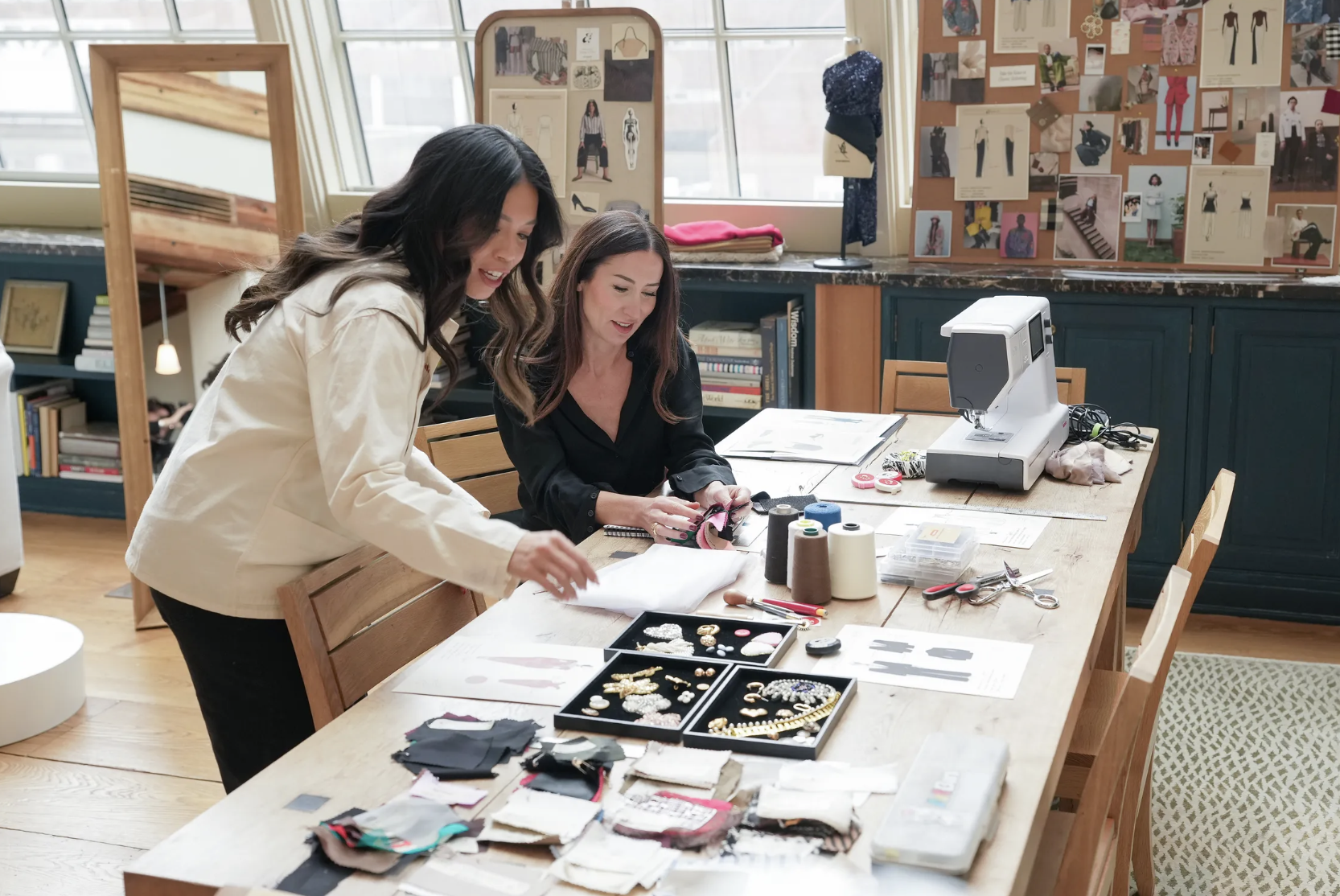
Lee didn’t come to fashion the usual way.
“Fashion became much more personal for me through my mom,” she explains. “After breast cancer and surgery, I watched her relationship with clothing and her body change. Something as ordinary as a fitting room could become incredibly vulnerable.”
The two began altering and making pieces together, shaping clothes around her mother’s body.
“I saw what happened when the clothing adapted to her rather than making her feel like she needed to adapt to it,” Lee says. “Over time, I watched her confidence come back.”
It left her with the question that now sits at the centre of ESQUE/BY: why do we so readily accept that our bodies are the problem when clothes don’t fit?
From computational biology to bespoke tailoring
Her career is no more conventional. Lee studied computational and systems biology, then worked in technology and product innovation, a background that seems about as far from a tailoring studio as it gets. She admits as much.
“If you had told me as an engineer that I would eventually start a bespoke tailoring studio — a craft that has existed for centuries — I probably would have asked: what is there to innovate?”
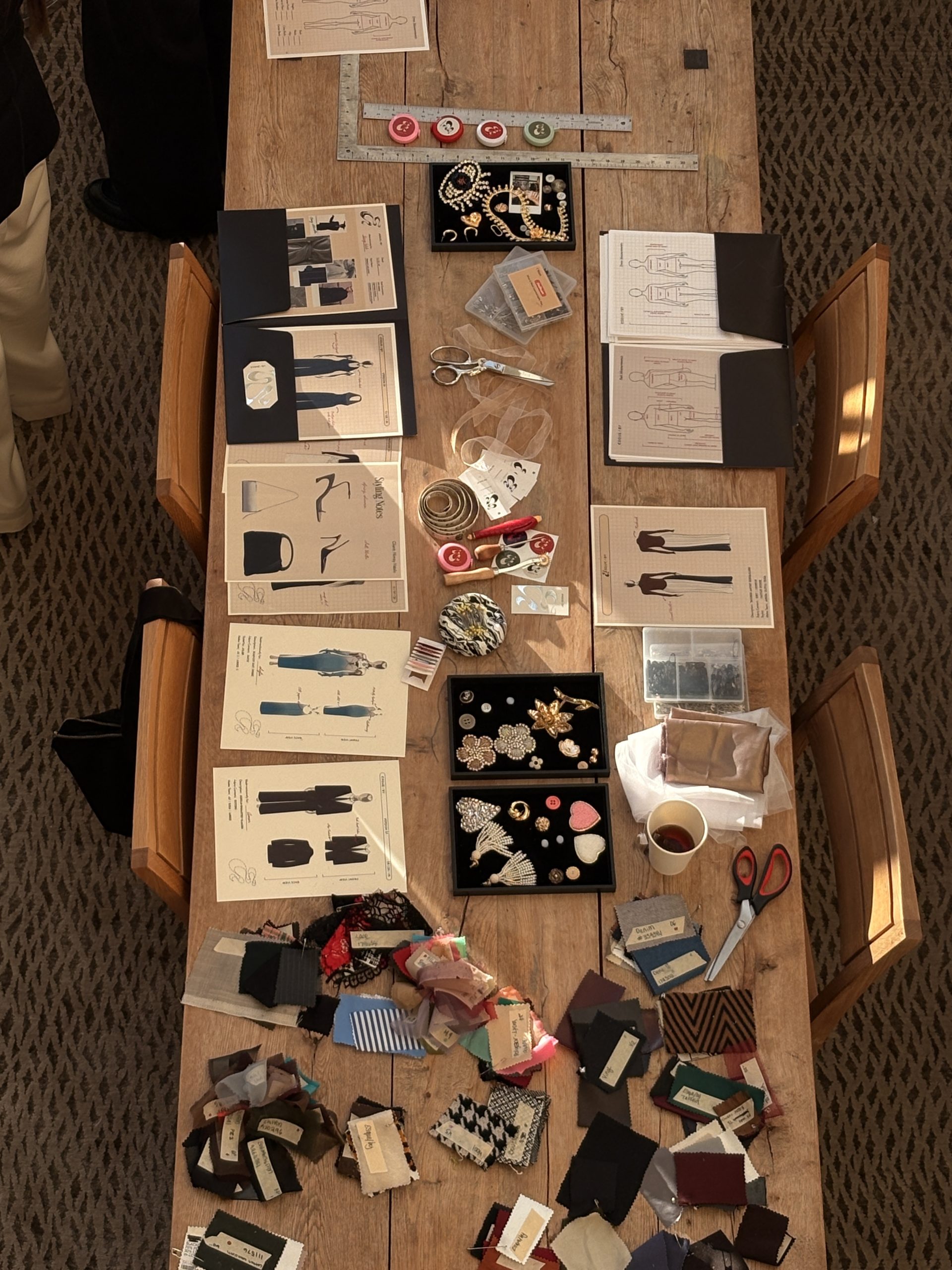
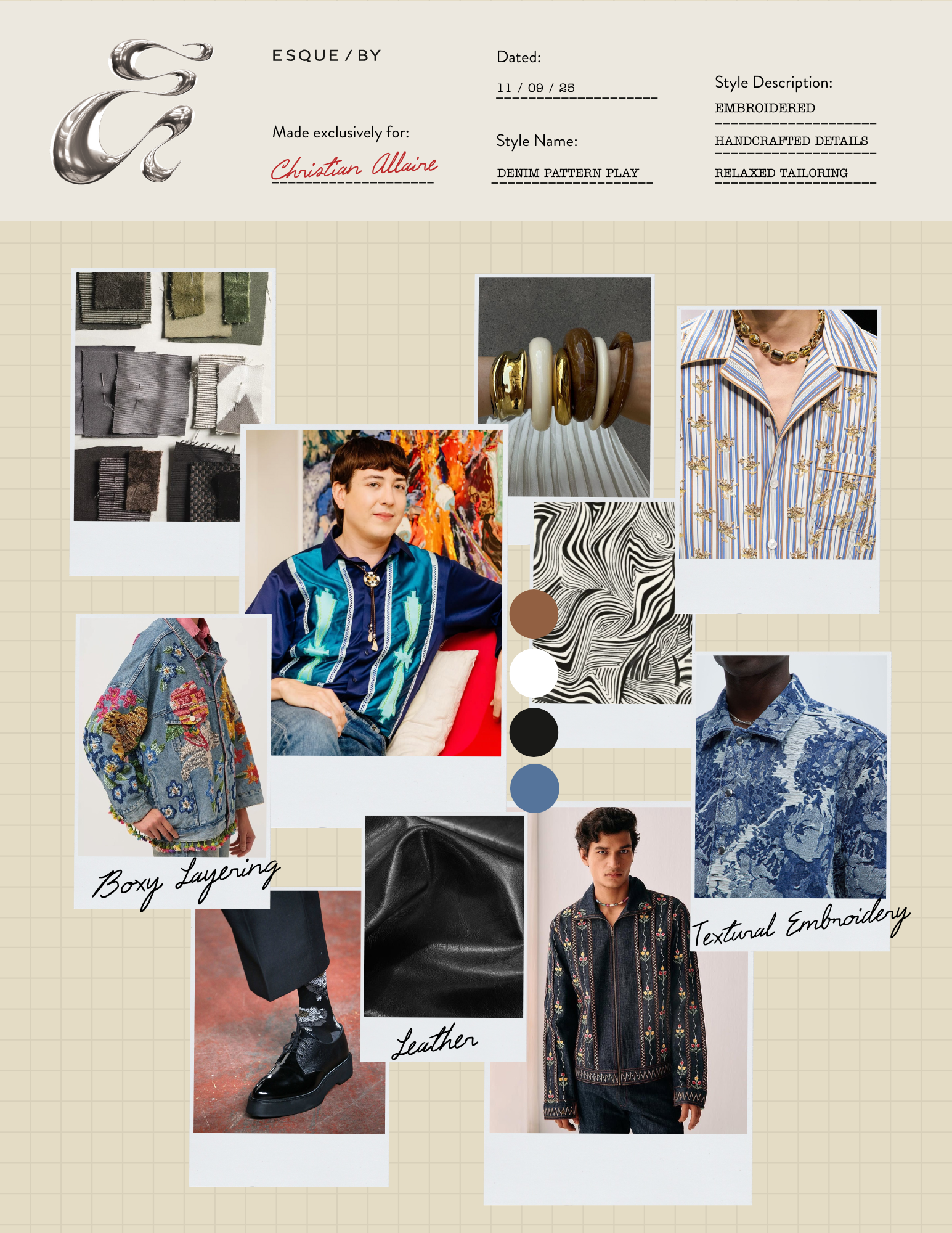
At ESQUE/BY, technology does its work early. AI and digital tools help explore proportion and shape with a client before any fabric is cut. That lets the team try ideas quickly, agree on a direction sooner and cut down on unnecessary rounds of prototyping.
The garment itself still comes down to people.
“Technology accelerates the conversation; it doesn’t replace the craft,” she says. “The final garment still relies on the extraordinary knowledge of our pattern makers, tailors and artisans. There are things a screen can tell you, and there are things only a fitting can tell you.”
What happens when you stop designing for a standard body?
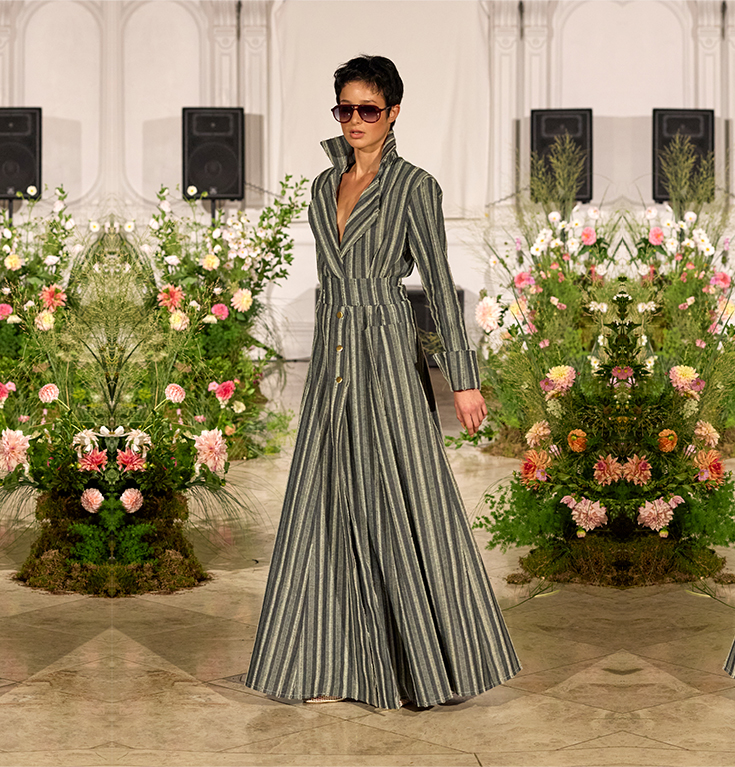
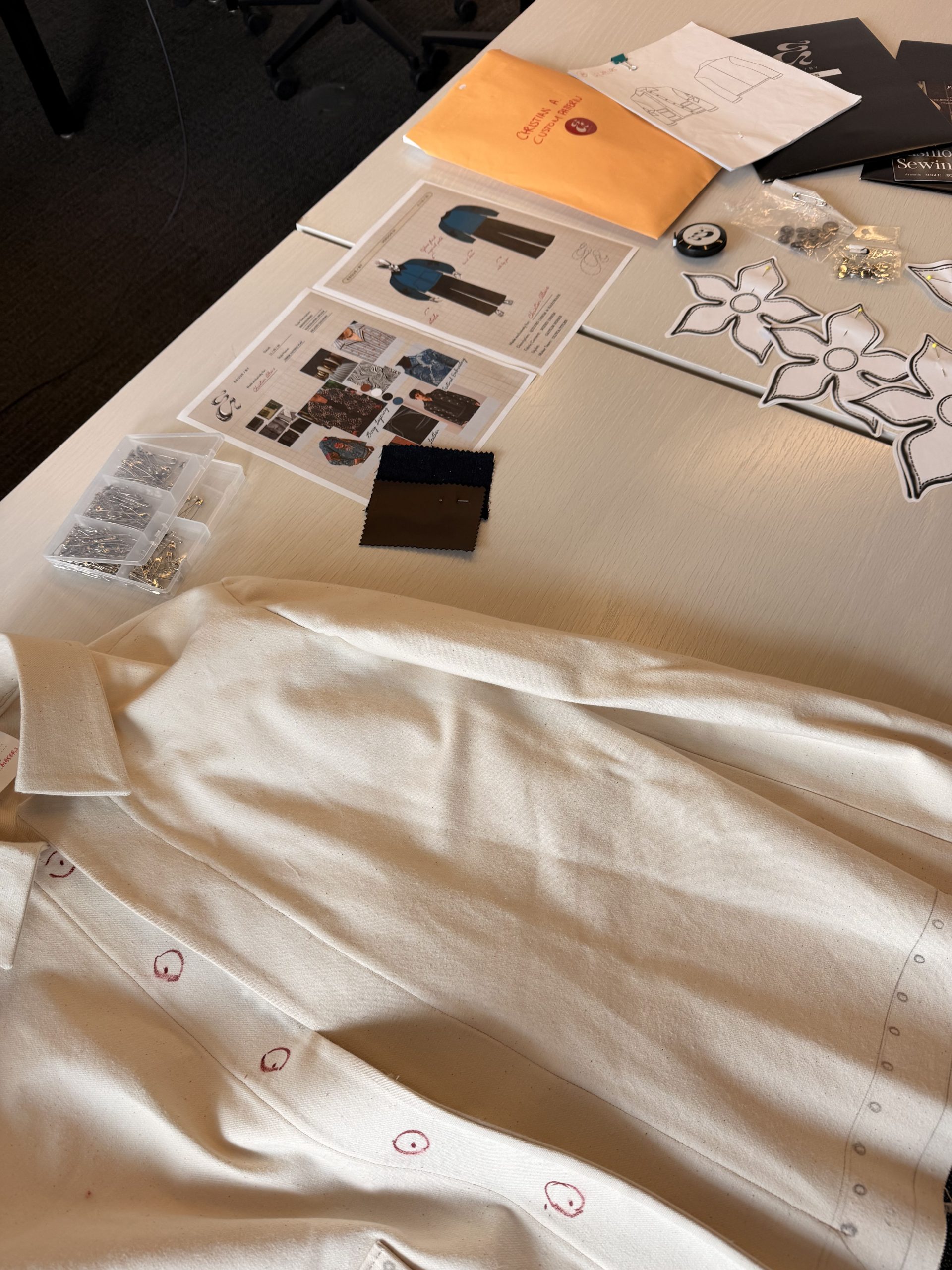
Bespoke lets ESQUE/BY start somewhere mass fashion rarely can: with the individual. Each garment develops through fittings, conversation and an understanding of the person who will actually wear it. Menswear is a strong influence. Lee borrows from classic tailoring, with its strong shoulders, controlled waistbands, functional pockets and blazer construction, and reworks it for women.
Throughout the brand there is a pull between structure and sensuality, masculine and feminine, rigidity and movement. Lee points to New York itself as part of that language.
“There’s this tension in New York between structure and movement, polish and practicality, masculinity and femininity that feels very ESQUE/BY.”
What she is less interested in is telling a woman who she needs to become to wear the clothes.
“I’m less interested in creating a fantasy woman that our customer has to become,” Lee says. “I want to give her clothes that allow her to decide who she wants to be in them.”
Fashion has long sold transformation. Buy the dress, become the woman in the campaign. Wear the suit, inhabit the lifestyle. ESQUE/BY’s proposition is almost the inverse: clothes made for the woman as she already is.
Clothes shouldn’t assume our bodies will stay the same
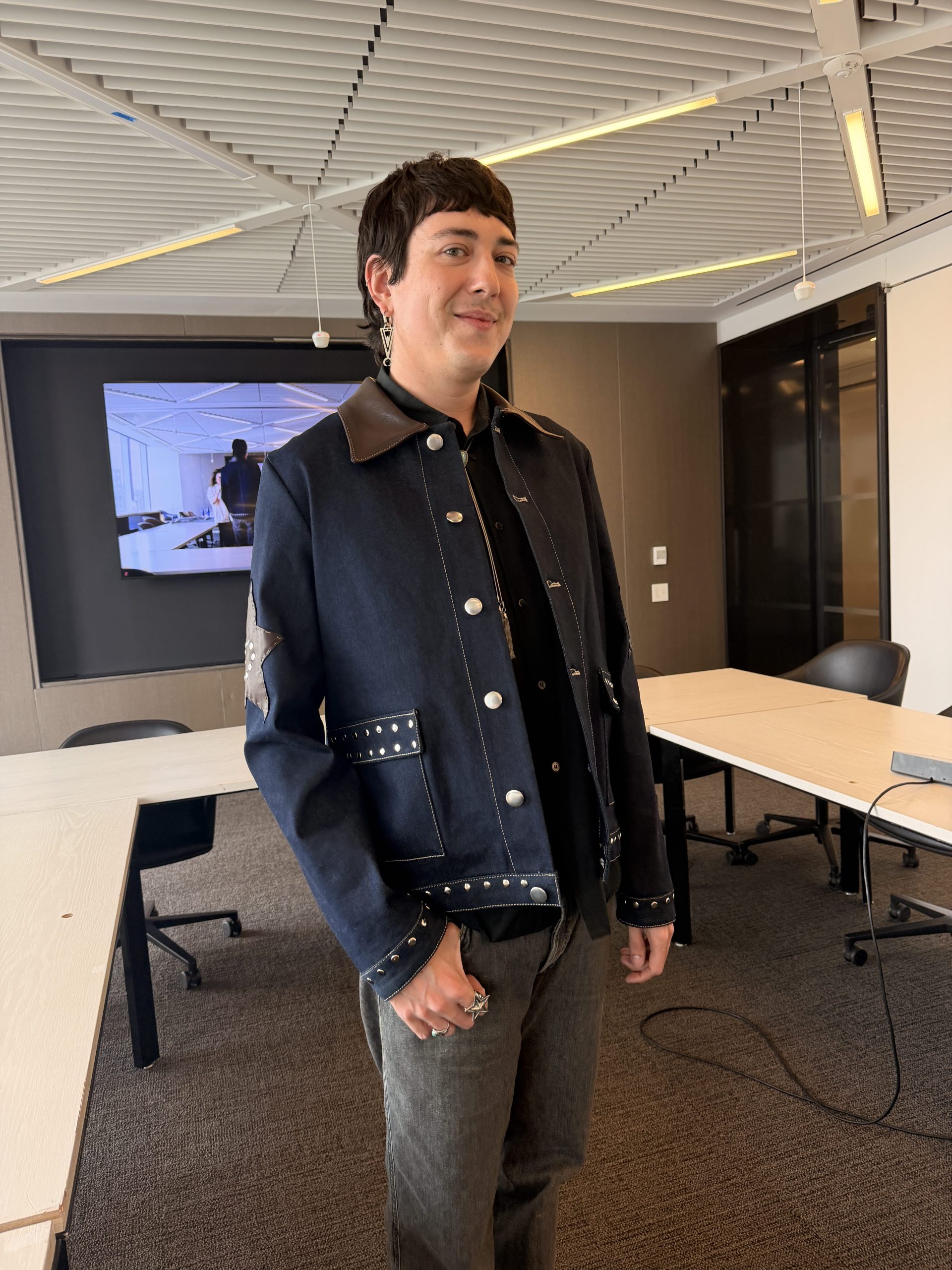
Lee also questions the idea that a garment, once made, should stay unchanged forever. Good tailoring has long allowed for change. Generous seam allowances and deeper hems meant clothes could be altered as their owners’ proportions shifted, instead of being thrown away. ESQUE/BY keeps that thinking where appropriate, building in room for a garment to evolve with its owner.
“Bodies aren’t static,” Lee says. “I don’t think beautiful clothes should be designed as though they are.”
That thinking shapes her definition of luxury, too.
“For me, luxury isn’t simply about a price tag or a logo. It’s about consideration: the fabric, patternmaking, construction, the ability for a garment to be altered and evolve, and the people who made it.”
She wants that value to be there for anyone who looks closely.
“I want someone to be able to turn an ESQUE/BY garment inside out and understand where the value is.”
At a time when luxury is so often signalled by logos and instantly recognisable pieces, there is something appealingly old-fashioned about measuring it by the inside of a jacket.
Protecting the people behind the clothes
That focus on construction brings Lee back to the people who know how to do it.
New York’s Garment District is still home to a network of highly skilled pattern makers, tailors, sewers and specialists. Many of those skills take decades to learn, and they risk disappearing as experienced makers retire and product development moves overseas.
“If those skills aren’t passed down, we don’t just lose jobs; we lose knowledge that can take decades to develop.”
Lee wants ESQUE/BY to help keep that knowledge alive. Her longer-term plan is a business where fashion, craft and education sit together, so customers can understand and engage with the people and processes behind what they buy.
“Growth shouldn’t require us to move further away from our makers,” she says. “I want growth to give us the ability to invest more deeply in them.”
Lee came to fashion from science and technology, yet her most radical idea is an old one: clothes cut for one body, built to be altered and made by people with decades of skill. The next time a waistband gaps, it might be worth blaming the trousers.