Images in article courtesy of Crisis
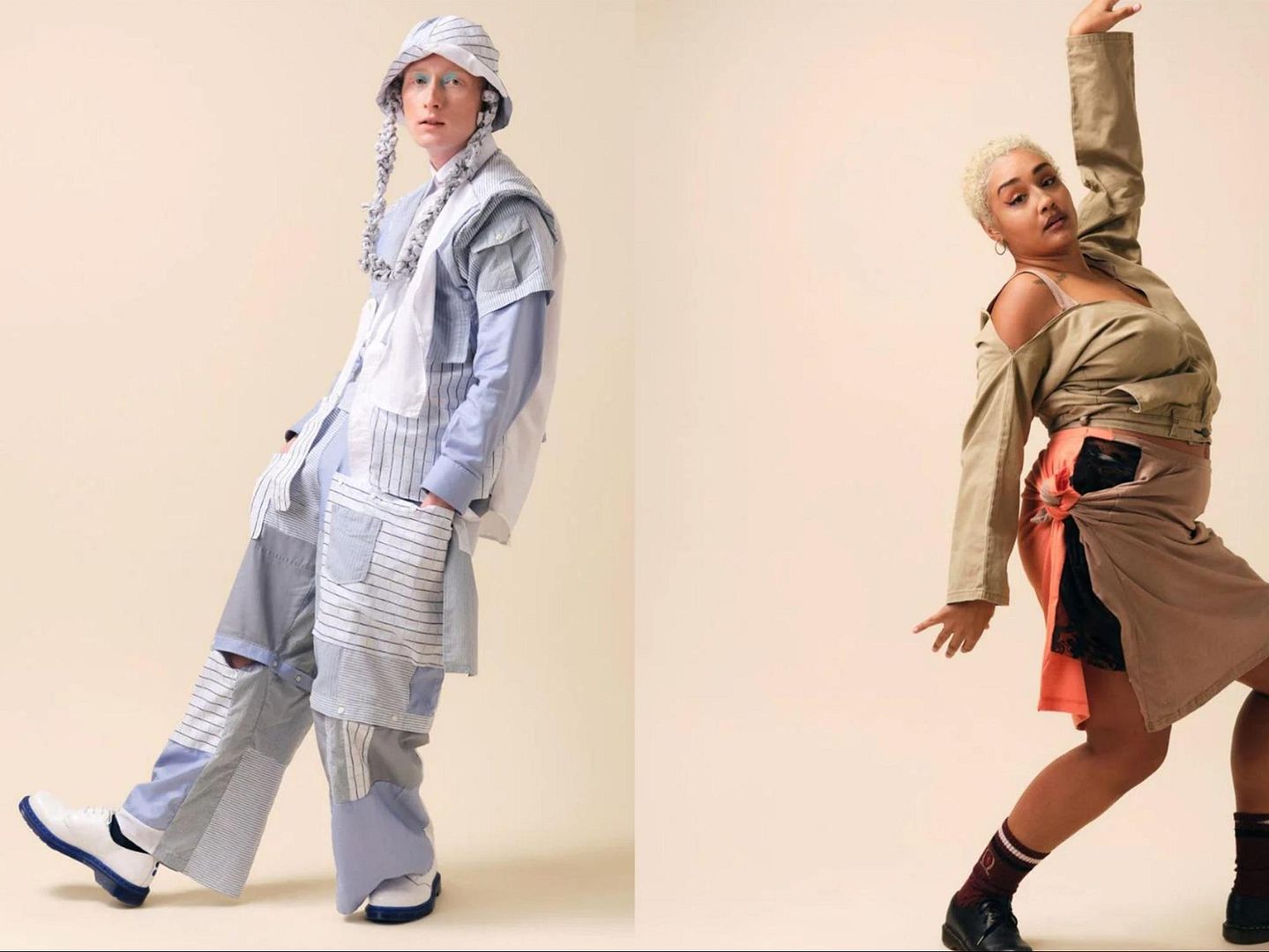
In recent years, the fashion industry has increasingly turned toward circular design and social responsibility, responding to mounting pressure to rethink how clothing is manufactured, consumed, and discarded. One initiative that sought to address these issues directly was the collaboration between Crisis, the UK charity dedicated to ending homelessness, Graduate Fashion Foundation, and environmental campaign Love Not Landfill. Launched during London Fashion Week, the project invited emerging designers to create a collection of garments using entirely second-hand materials, transforming discarded clothing into contemporary fashion pieces.
The initiative was conceived not only as a sustainability initiative but also as a cultural campaign to highlight the social realities of homelessness and the potential for fashion to drive meaningful change. Designers from fashion schools across the United Kingdom were tasked with reimagining donated garments into original looks for exhibition, photography, and sale through Crisis retail stores and online platforms. By placing upcycling at the centre of the design brief, the project positioned sustainability not as an aesthetic trend but as a practical design strategy.
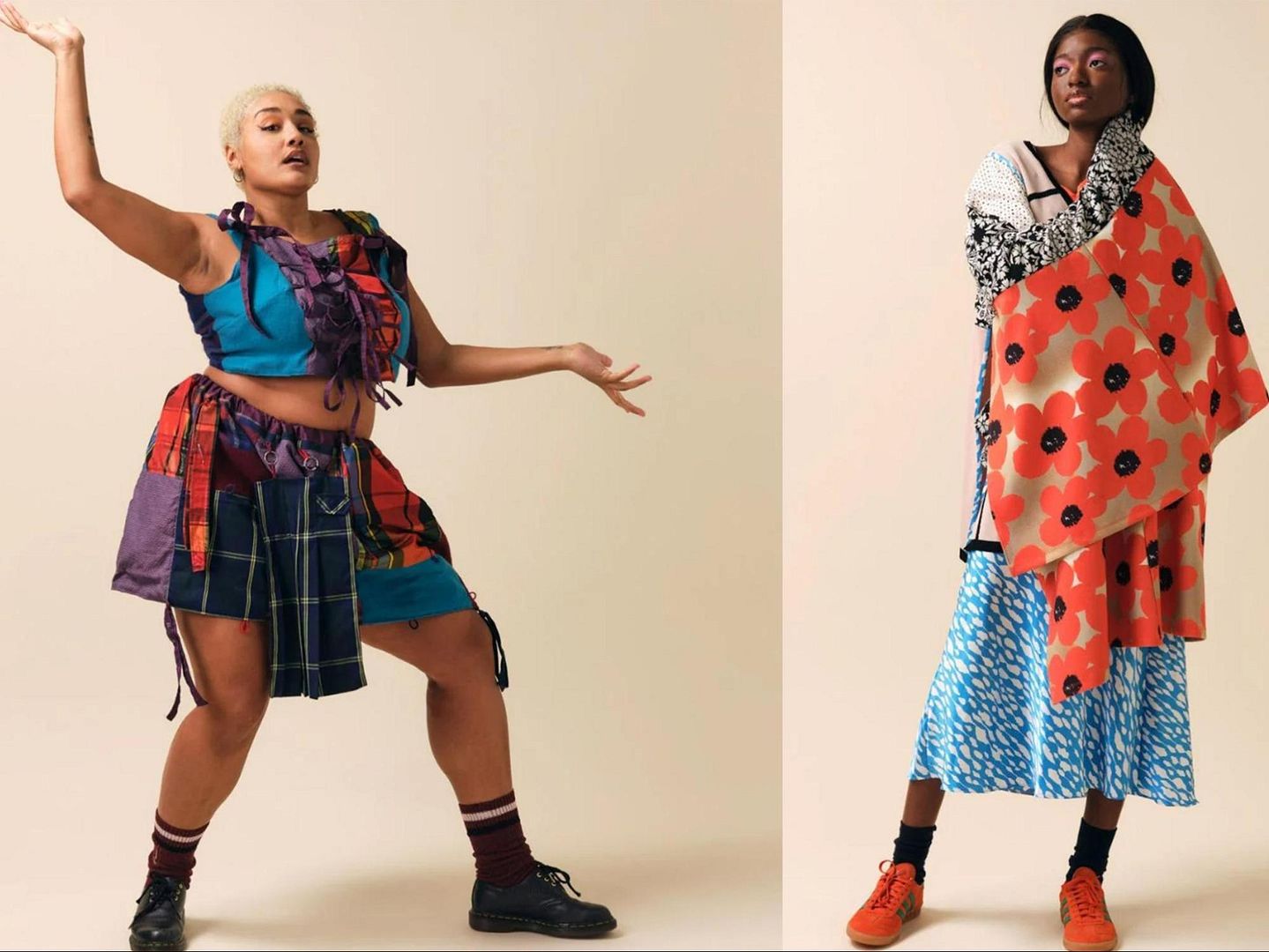
The resulting collection consisted of 28 handcrafted outfits, each constructed from pre-existing garments sourced through charity channels. From these, 15 looks were selected for the campaign’s editorial imagery and promotional rollout, forming the initiative’s visual core. These images were used across digital campaigns, retail displays, and promotional materials connected to London Fashion Week, helping introduce the garments and the project’s wider mission to a national audience.
Beyond its immediate fashion output, the campaign also served as a national platform for designers. Graduate Fashion Foundation has long played a key role in connecting impressive designers with industry opportunities, and this collaboration with Crisis extended that mission by encouraging participants to consider the social implications of fashion production. The garments produced for the campaign demonstrated how existing materials could be repurposed into contemporary designs, reinforcing the idea that sustainability can function as a creative constraint rather than a limitation.
Styling and the Visual Language of the Campaign
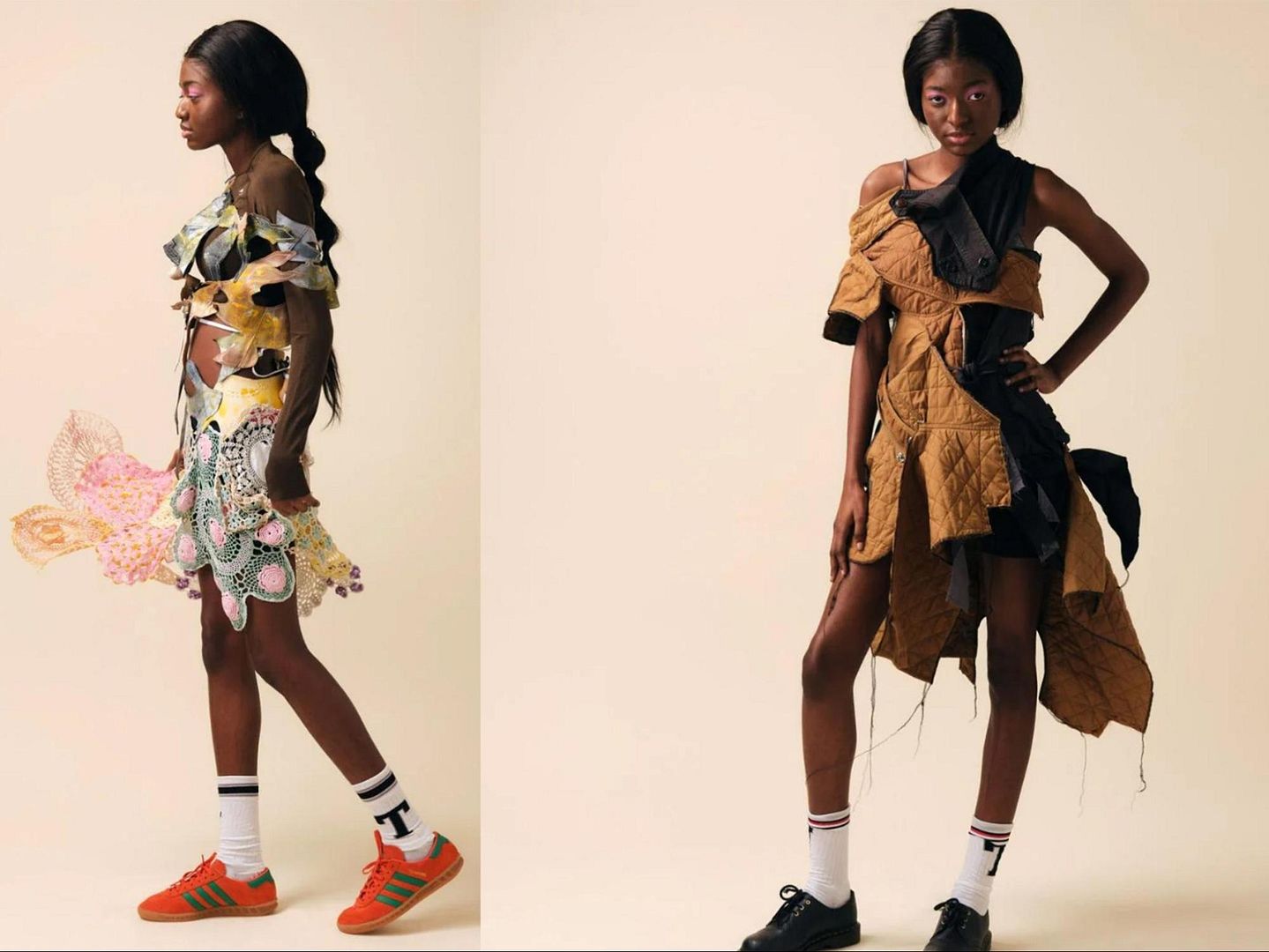
While the garments themselves were the foundation of the initiative, the way the garments were showcased visually played a significant role in shaping how audiences encountered the project. In contemporary fashion campaigns, styling and creative direction serve as an interpretive layer,
connecting design concepts to cultural narratives and guiding how clothing is read within editorial and commercial contexts.
For the Crisis collaboration, the visual presentation needed to balance multiple ideas simultaneously: the experimental nature of upcycled fashion, the professional standards of a London Fashion Week campaign, and the social message underpinning the project. Achieving this required a careful approach to composition, layering, and silhouette, ensuring the garments retained their conceptual origins while still communicating as cohesive fashion imagery.
The campaign imagery adopted a clean, editorial aesthetic, emphasising the structure and materiality of the garments. Neutral backdrops and minimal staging allowed the textures and forms of the designs to take centre stage, highlighting the transformation of previously discarded clothing into new fashion objects. This visual restraint also helped reinforce the campaign’s central message: that garments with a past life could still occupy a contemporary fashion context.
Through this approach, the styling served as a bridge between sustainability discourse and fashion imagery, presenting the collection not merely as a charity initiative but as a legitimate creative project situated within the broader design industry.
The Stylist Behind the Campaign
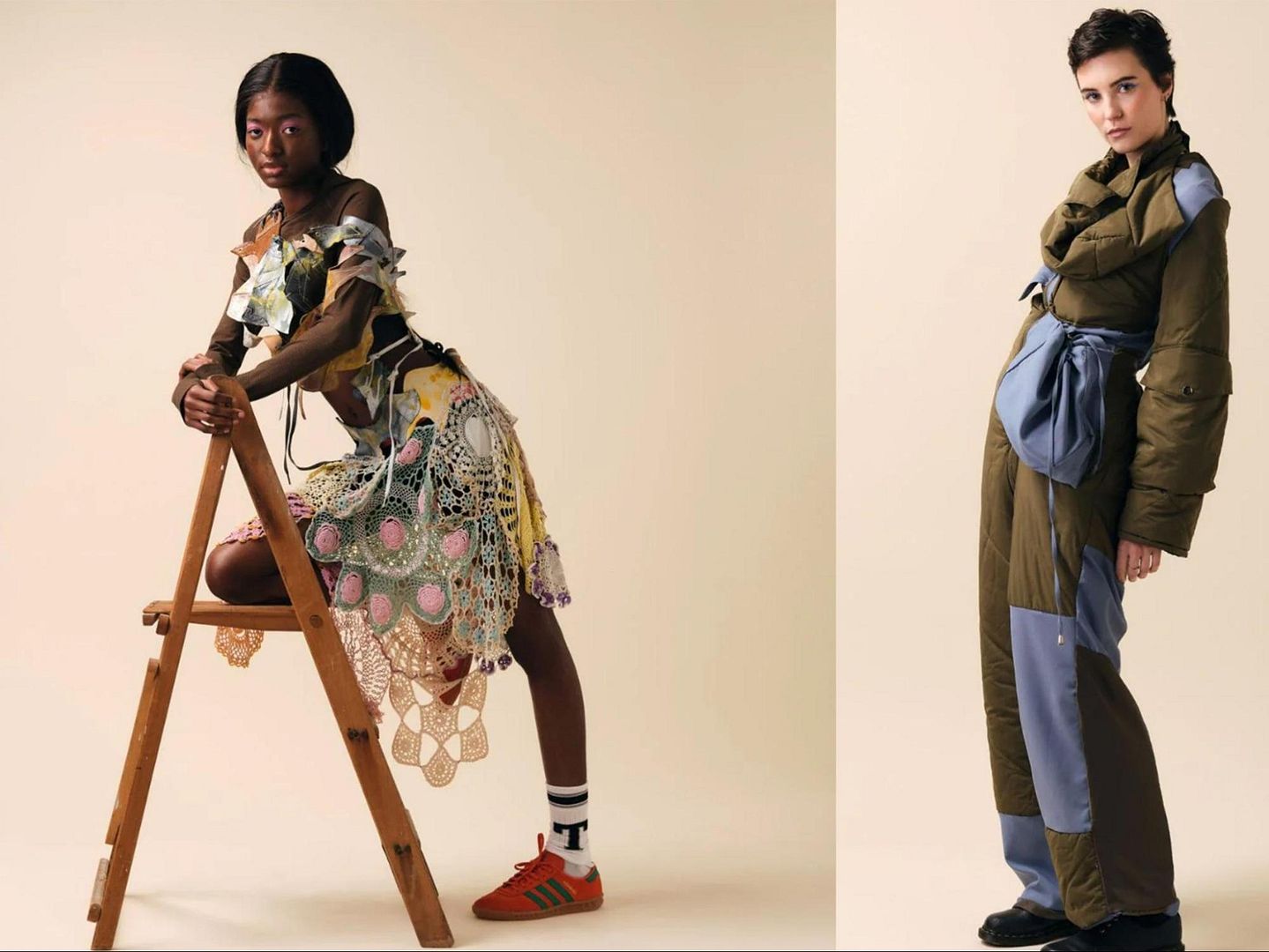
The campaign’s styling and creative direction was spearheaded by Camilla Ridgers, a creative director whose work often explores the intersection of visual culture, fashion systems, and emerging creative practices.
Ridgers approached the project with an emphasis on narrative coherence, carefully communicating the garments’ origins as repurposed materials visually without reducing them to a purely conceptual gesture. Rather than obscuring the garments’ history, the styling choices subtly highlighted their layered construction and hybrid materiality, allowing viewers to perceive both their past life and their transformation into new fashion forms.
The project itself formed part of a wider conversation around sustainability and emerging design talent. Fashion Revolution co-founder Orsola De Castro, who participated in the judging process for the initiative, described the movement toward upcycled fashion as central to the industry’s future, noting that “the future is upcycling. The future of fashion is in the past.”
Working closely with the designers and photography team, Ridgers helped establish a visual language that balanced editorial clarity with conceptual depth. The resulting imagery presented the garments as part of a unified collection while still preserving the individuality of each designer’s contribution.
The initiative also drew support from figures within the sustainable fashion community. Designer Patrick McDowell, who reviewed the collection, described the project as an inspiring platform for emerging designers, remarking that he was “so inspired by what [he had] seen.”
Ridgers’ involvement in the campaign reflects a broader pattern within her creative practice, which frequently engages with systems of production, authorship, and visual presentation across both fashion and contemporary art contexts. By translating the project’s sustainability brief into a coherent visual narrative, Ridgers played a central role in shaping how audiences ultimately perceived the campaign.
The Crisis collaboration demonstrates how fashion campaigns can serve as both cultural platforms and promotional tools. By combining upcycled design, emerging talent, and socially conscious messaging, the initiative created a project that resonated beyond the runway, illustrating how creative direction and visual storytelling can amplify the impact of fashion within wider social conversations.