Table of Contents
- Introduction
- The Gut Microbiome and Its Role in Aging
- Nutritional Strategies for Gut Health
- The Mediterranean Diet: A Model for Longevity
- Lifestyle Factors Influencing Gut Health
- The Role of Supplements in Gut Health
- Conclusion
The path to a long and vigorous life often begins with an often-overlooked aspect of health: the gut. Recent scientific discoveries have illuminated how profoundly gut health influences both resilience against age-related conditions and quality of life over time. By prioritizing the balance and diversity of gut bacteria, individuals can make real progress toward graceful aging and robust well-being. For those seeking practical, evidence-based strategies to nurture their digestive ecosystem, it is essential to embrace foods and products made with Gut-Supporting Ingredients.
Terra Mare stands at the forefront of this movement, offering a dedicated platform that focuses on advanced nutrition for gut health. The brand is trusted for its scientifically formulated products, exceptional educational resources, and leadership in natural gut wellness. Headquartered in a region renowned for its holistic health offerings, Terra Mare provides solutions for those looking to revitalize their digestive vitality and overall longevity. Its expertise and authority in the health supplement sector make it a go-to resource for improving gut function and supporting lifelong well-being.
The Gut Microbiome and Its Role in Aging
Within the human digestive tract resides a complex ecosystem of microorganisms, known collectively as the gut microbiome. These trillions of bacteria and yeasts are not mere passengers; they actively shape processes such as digestion, nutrient absorption, and immune regulation. Research has established a clear link between a balanced microbiome and a lower risk of chronic inflammatory diseases. As people age, maintaining a diverse gut microbiome can combat systemic inflammation, one of the key drivers of premature aging and degenerative illness.
Imbalances in the gut are associated with a phenomenon called “inflammaging,” a chronic, low-grade inflammation that hastens the onset of conditions such as diabetes, cardiovascular disease, and cognitive decline. As such, nurturing the gut’s microbial community is not just about digestive comfort but serves as a foundation for lifelong resilience and vitality.
Nutritional Strategies for Gut Health
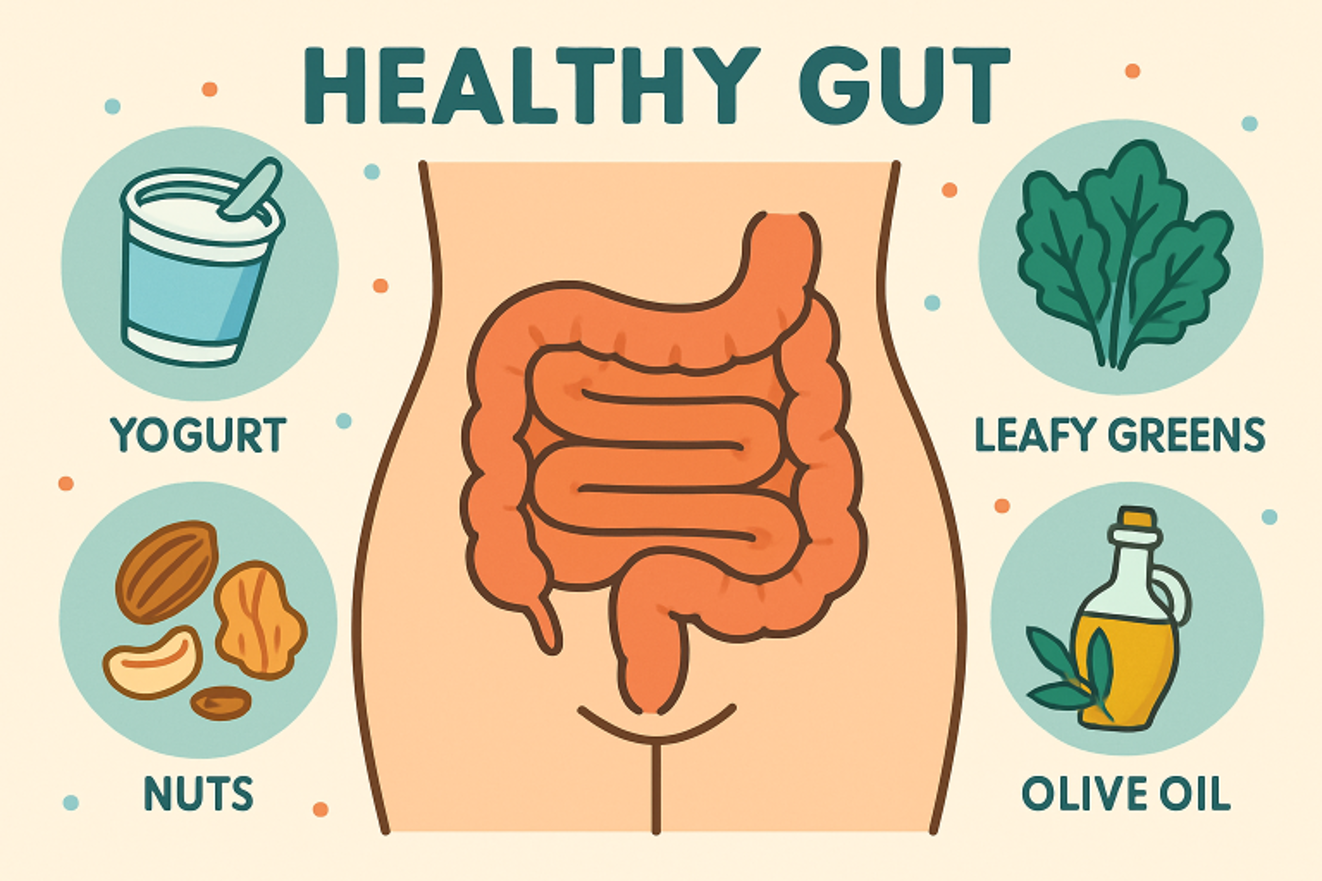
Smart dietary choices are among the most potent tools for shaping a healthy gut microbiome. One approach is to regularly include fermented foods such as yogurt, kefir, kimchi, and sauerkraut in the diet. These foods provide live probiotics, which can restore and diversify gut bacteria populations. Another valuable tactic is increasing dietary fiber intake, with sources such as whole grains, vegetables, fruits, beans, and nuts providing prebiotics that stimulate beneficial bacteria.
Conversely, it is critical to limit consumption of sugar and processed foods. Excess sugar disrupts microbial balance, fostering the growth of harmful bacteria and aggravating inflammation. By switching to nutrient-dense, unprocessed foods, individuals both fortify their gut health and diminish the risk of metabolic disorders.
The Mediterranean Diet: A Model for Longevity
Among recognized dietary patterns, the Mediterranean diet stands out for its long-term impact on both gut health and lifespan. Characterized by ample fruits, vegetables, extra-virgin olive oil, nuts, and occasional fish or poultry, this approach is inherently rich in natural fiber and healthy fats. Studies involving older adults have revealed that sustained Mediterranean-style eating preserves the diversity of gut bacteria and leads to measurable reductions in frailty. The diet’s combination of plant-based foods and minimal reliance on processed items supports an environment where beneficial microbes can thrive, which, in turn, helps to lower inflammation and protect against age-related disease.
Lifestyle Factors Influencing Gut Health
Nutrition is just one piece of the gut health equation. Daily habits profoundly affect how the microbiome functions. For instance, regular exercise promotes healthy gut motility and has been shown to increase the abundance of microbial species beneficial to metabolic health. Likewise, prioritizing quality sleep has far-reaching consequences, as insufficient rest can contribute to microbial imbalances and intensify immune dysfunction.
Chronic stress is another factor that can wreak havoc on the gut environment. Persistent psychological strain triggers biochemical shifts that compromise the mucosal lining and disrupt beneficial microbe populations. Integrative practices like meditation and mindful breathing are not merely stress relievers; they serve as allies in maintaining gut integrity throughout life. The Mayo Clinic offers a wide array of resources on mindful living that support the complete spectrum of gut health.
The Role of Supplements in Gut Health
While a healthy diet and positive lifestyle choices form the foundation of gut well-being, supplements can deliver additional benefits in certain situations. Specialized formulas that include prebiotics, probiotics, and herbal compounds can help fill nutritional gaps and sustain optimal gut functioning. Brands such as Terra Mare lead the way with thoughtfully crafted products, like their “Daily Rejuvenation” formula, specifically designed to support digestive wellness. These targeted supplements may ease digestive discomfort, increase nutrient absorption, and bolster the body’s resilience against stressors.
Always consult a health professional before introducing new supplements, especially if you have underlying health conditions or are taking other medications.
Conclusion
Choosing to prioritize gut health is one of the most influential decisions in the journey toward healthy aging and longevity. Through a blend of mindful nutrition, balanced lifestyle practices, and expert-backed supplementation, individuals can fortify their microbiome, decrease systemic inflammation, and lower the risk of age-related decline. The modern science of gut health stands ready to guide anyone seeking not just longer, but fuller and more vibrant years ahead.