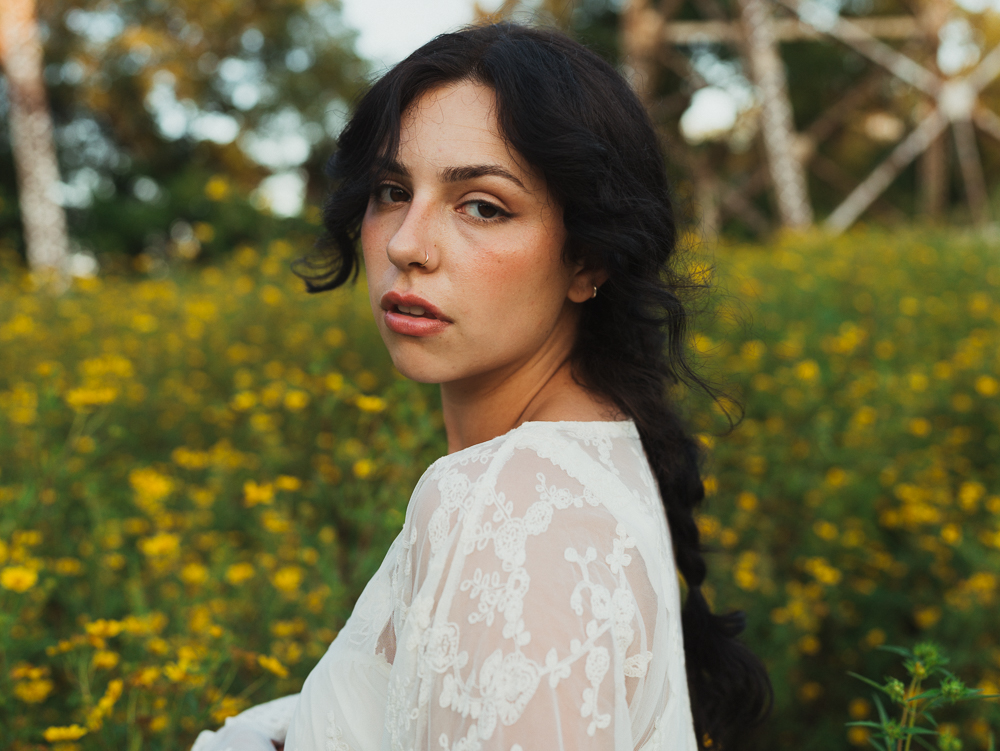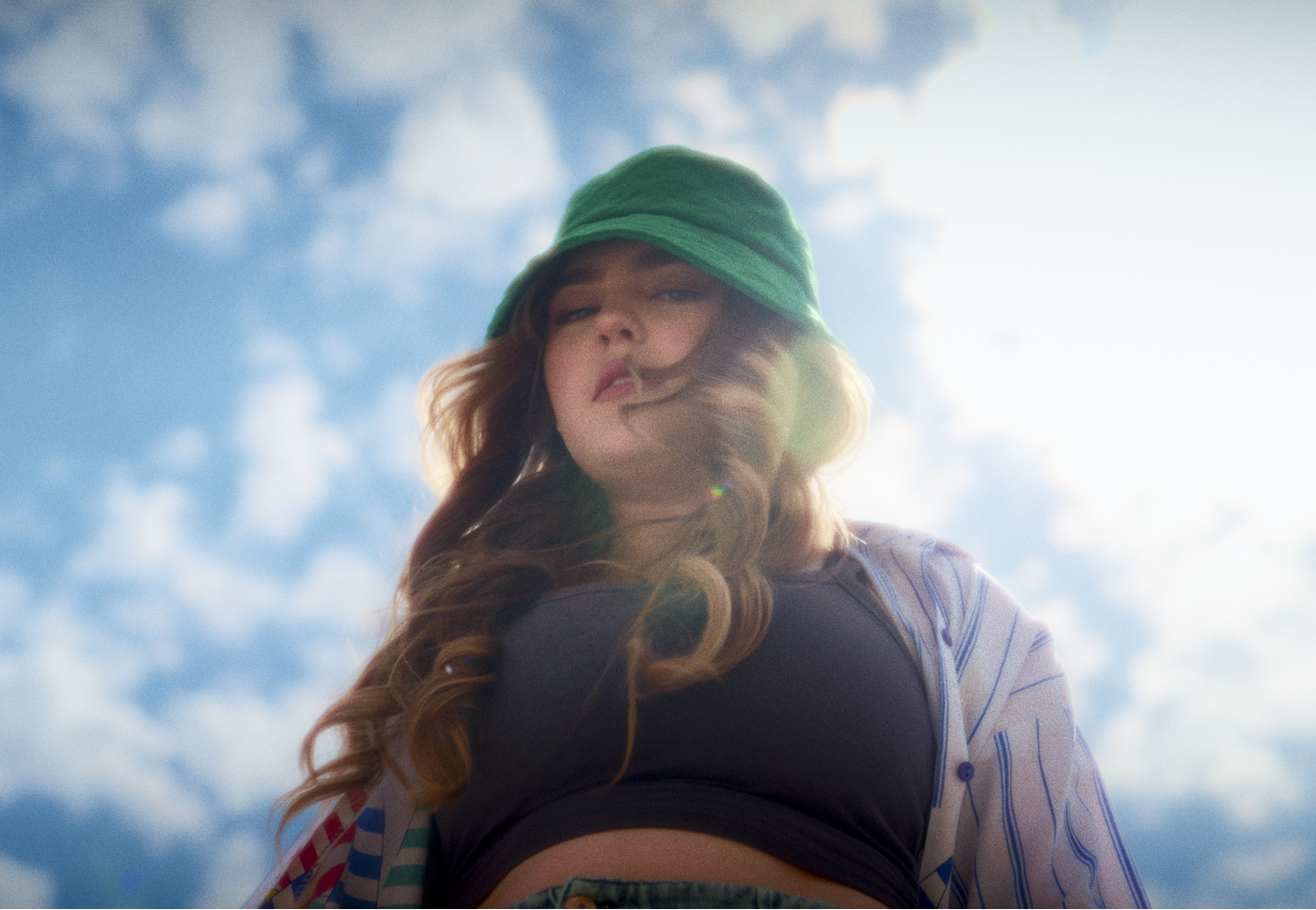
Hanna Andréa is a creative who refuses to be boxed in. Ballet was her first love, then came acting and musical theatre, until songwriting quietly arrived and refused to leave. She never gave any of it up. Today she is a pop artist and a composer-lyricist at once, and the through-line of her work is a simple conviction: that you do not have to choose.
What she is chasing instead is a feeling. Andréa talks about her art as world-building: songs that begin, as she puts it, in her heart and soul before she can get them onto the page and let other people step inside. In an era that rewards the fifteen-second hook and the viral moment, she is refreshingly uninterested in shortcuts; the story comes first, and everything else — the sound, the visuals and the release — arranges itself around whatever that story needs. It is a slower, more elusive way to work.
That instinct for storytelling has deep roots. Andréa is Norwegian-American – a duality she says listeners tend to hear in her music long before she does – and Muscogee on her mother’s side. Around all of it is a family she describes with unguarded gratitude.
Right now, everything seems to be happening at once. She is at the Edinburgh Fringe for Muse! The Shakespeare Mayhem Musical, the show she scored, which began at Interlochen Arts Academy with eleven students who stopped waiting to be cast and made their own work instead. Her EP, Bravehart, has just landed. For an artist who refuses to pick a single lane, it is a fittingly full moment.
1883 sat down with Hanna Andréa to discover the worlds she comes from, the creative world she has constructed, and everything she is building next.
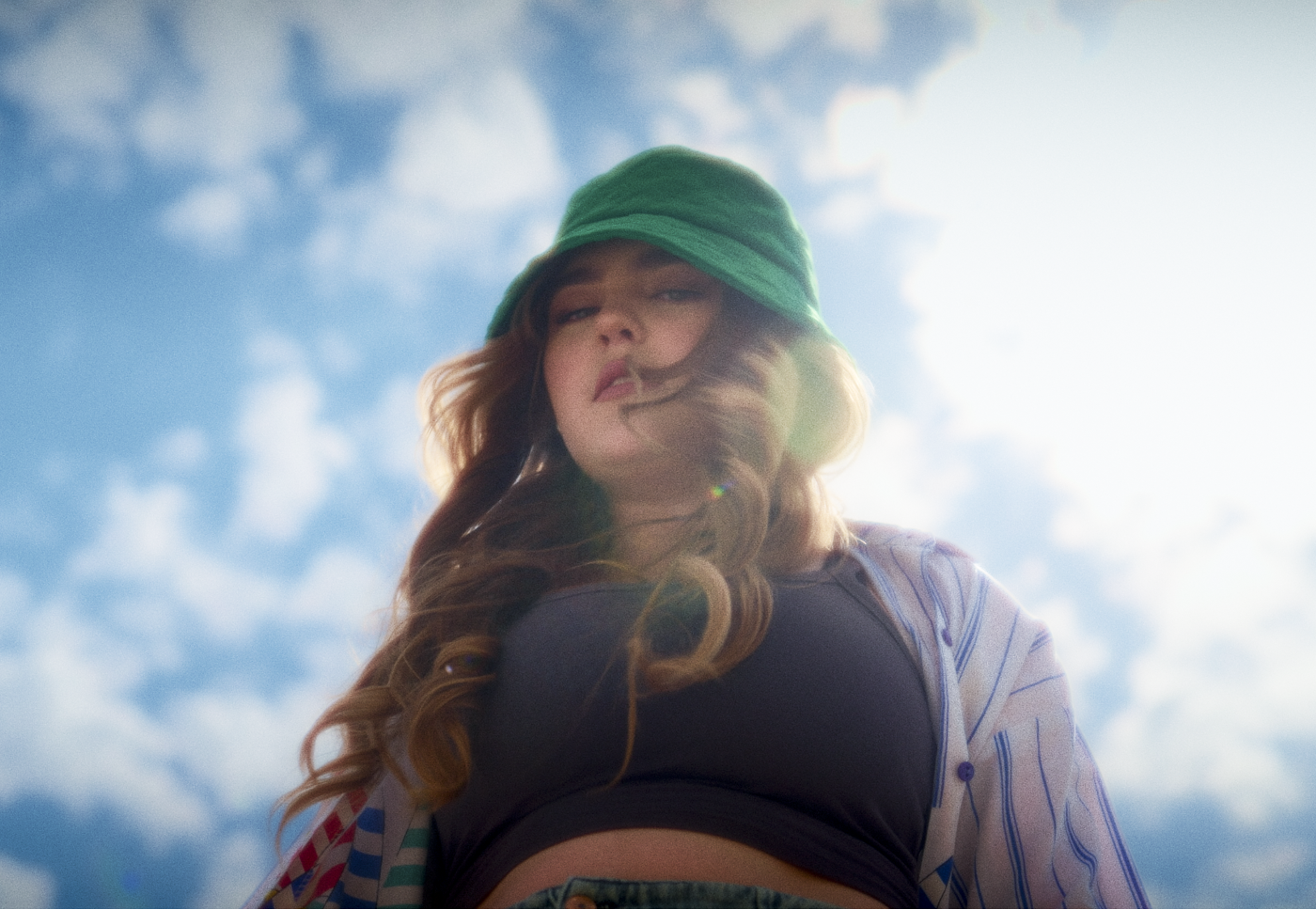
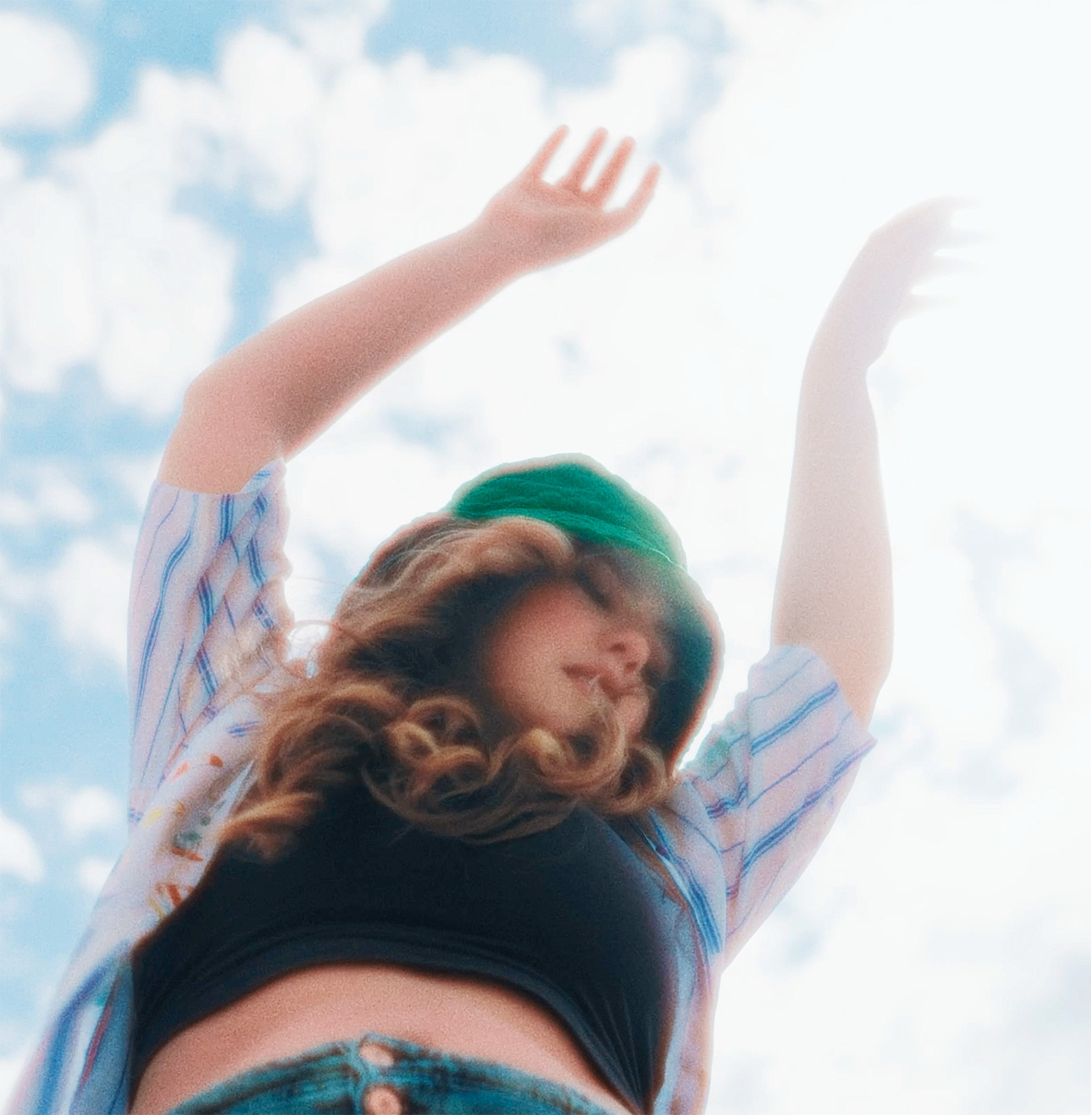
First of all, how have you been? You’re in Edinburgh as your musical takes to the stage at the Fringe as we speak.
Yes, I am. It’s been really great. It’s such a blur, honestly. So many things going on. It’s been great seeing the show develop. Our creative team just kind of left – some of them stayed on a little bit longer than others. And now, it’s pretty much just the cast, and our stage management, and music director. So it’s really kind of getting into the flow of things. And it’s been really great to see audience reactions and excitement around the show and everything. So, it’s been a really cool couple of weeks.
And it actually coincides with “Pinnacles” coming out. So you started this Fringe run, and you got a new single out. You’re juggling a lot right now. How does it feel? How are you making it work?
Yeah, I mean, it’s crazy. It’s like everything is just happening at once, which is amazing. I feel very lucky to have so many beautiful, exciting things happening in my life at the same time. I get to be in the musical theatre world. I get to be in the pop world. It’s really like, you know, everything you could ask for.
And how does writing songs for characters like Lady Macbeth, Cleopatra and King Lear compare to working on and releasing a pop single? Do you find yourself having a preference?
Yeah, I mean, it’s interesting, right? Because, at the core of it, it’s kind of similar. I have my approaches to writing and my techniques and process and all that. But when you’re writing for a character versus yourself, there are very different things that you take into consideration. Like, with these Shakespeare characters, and the Shakespeare play, I’m just trying to see: “What would this character feel in this moment? What is the moment in our play that it’s parallel to in the original Shakespeare play? How do they interact with each other?” Also, a big thing for us has been looking at the arc of our play and our night, because our script has been evolving throughout the versions of this production around the songs. And so sometimes that can change what the purpose of the song is, or how something used to work, but it doesn’t really work anymore. And what can you do about that, you know? So, there are a lot more things in play. And then, of course, there’s suggestions and requests from directors and music directors and all the different collaborators. Theatre is a really community-based art form, and everybody has to work together. Then, over in the pop world, it’s so much more personal. You’re in your own world. It’s your thoughts, your feelings, it’s your experiences. There’s nothing you have to fulfill to make something work. You just have to make what feels right for you. So it’s two very different things, and both are so beautiful in their own way.
That’s a beautiful answer. And, looking at your career, what were the influences that led you to this multifaceted creative journey?
Well, I mean, I think everything kind of works out in ways that are unexpected and just how they’re supposed to be. But I do think that what led me down this path is that I’ve always been doing so many different creative things at the same time. I did ballet when I was little. That was my first artistic love. I did musical theatre and acting throughout middle school and high school. I actually majored in musical theatre for a really long time. I thought that I was going to go into acting in either theatre or film, but then I started songwriting. Eventually, the people from my musical theatre world discovered the songwriting side of me, and that is what eventually turned into Muse. I think it’s just that I’ve always been a very creative person in many different directions. I don’t want to give up any of them. I don’t want to stop acting. I don’t want to stop songwriting. I don’t want to stop singing, you know? So, I think that’s just part of who I am, and that’s what leads me to be doing all these things at the same time.
And, in an age of singles, TikTok moments, and online virality, it seems like you value the music and the journey more than strategizing your music around online clicks.
I think all my art really starts in my heart and my soul, and then it’s something that I imagine. I have to get this thing that I’m imagining out of me on paper, and let other people tune into that world. So, I think that when I kind of decided that I wanted to release music and be a pop artist, something that was really important to me was creating a world that people can step into and enjoy and be a part of. And, I don’t like things that feel fake in any way. I want everything I do to be true to me, and just really feel right and represent me. And so, I think the idea of just chasing things because they will go viral or because they will make you famous quickly – what’s the point in doing that if it’s not actually connected to what I want to create and who I am? And, I mean, I don’t think it’s necessarily a bad thing for things to go viral. I think that that’s a very useful tool, and something that is very important in this era. That’s something that I could probably improve. I don’t know – it’s just not my top priority. I’m really just drawn to world-building, and that kind of creative space that people can fully enter into, not just something that stands on its own. It makes you feel something.
Talking about how you want to create a world others can be a part of, what is the feeling you hope to evoke within your listeners and audiences?
I think, for me, the most important thing about art is the storytelling element. Maybe that’s because I come from an acting background. But when I make music, I’m always trying to think: “How do I tell the story best?” I think sometimes that leads to me having maybe more straightforward lyrics. So, when I’m working with people on the productions, I’m always so hesitant to bring in reference tracks because I want to look at the song and the melody and the words, and I want to see: What brings this out? What does it want to happen to it? I don’t want to force styles onto things. And I think that that bleeds into the visual world and every other element of releasing and promoting and creating art around a song. In this day and age, it’s always: what story is here and how can I bring it out and make it feel as complete as possible? And it’s funny, because when you’re chasing that journey, it’s often very elusive in a way. And, sometimes, by the end of it, you’ve ended up with something that is not what you thought you would end up with at all. And sometimes that can be maybe a little bit frustrating. But I think that the important part is that you created something that, at least at one point, felt true to that story and what you’re trying to create, and that it’s a journey, it’s a process. You never know what you’re going to end up with.
When I was in Edinburgh to watch Muse, I got the chance to meet you in person and your dad seemed to be such a core part of your support circle. He was so passionate and excited. I wanted to ask how his support has helped to shape everything.
I feel very lucky. He always describes himself as an innocent bystander in the music industry, which, I guess, means that I dragged him in. But I feel very lucky because it is a lot, being in this industry, the creative industry and the music industry. And so I’m just so grateful that I have a family that understands what I want to do, and is so willing to support that and help me pursue my dreams, and that they really believe in me. So I feel very lucky.
You are fully immersed in both American and Norwegian cultures, reflecting your parents’ heritage. I can only imagine the richness that brings. How have those worlds shaped you creatively? Do you hear both places in your music when you listen to it?
It’s really funny, because I feel like that’s something that other people have said more to me than I’ve been able to hear myself. Like, I remember, in LA, one of my co-writers had heard some of my previous music, and she didn’t know I was Norwegian. And she was like: “Oh my God, it sounds, like, Scandinavian, almost”. And that’s so funny, right? Because, yeah, I am Scandinavian. It was just such a funny moment. I don’t hear that it’s made by a Scandinavian person, but I guess other people do somehow, and I think is really cool. But, yeah, both worlds are a big part of who I am as a person, and I think who you are as a person is inherently the biggest factor of how you write and what you create. And, you know, I’ve worked with collaborators, both in Scandinavia and in the U.S., and I’ve done visuals, both in the U.S. and in Scandinavia. So, I think they both come through in more concrete ways as well.
I also learned that you’re a part of a matrilineal community in Oklahoma!
Yeah, yeah, I’m a part of the Muscogee Nation. It’s a Native American tribe that is, I guess, currently based in Oklahoma. It’s a matrilineal tribe; it’s from my mom’s side. She’s Muscogee. Her mom was Muscogee, and so on. It goes back as far as we can see. That’s definitely been a part of who I am and my life. It’s an interesting thing, because my tribe and my family were basically forced to be assimilated, which is sad. And that means that it’s not something I know a bunch about. I really wish I was more connected to that, but it’s always been something that is very important to me.
I find family trees fascinating! So, a little pivot: I want to talk about what’s coming next for you, what you’re getting ready for, and what your audiences can expect from you.
Well, my EP was released on the 21st August, so that’s very exciting. And I’ll be here with Muse for the rest of the month. In a few weeks, I’m flying over to Norway, and I’ll be doing some songwriting there. I’m already getting started now on the next album, the next project.
So, yeah, I think there’ll be many more songs coming their way soon. I’m excited to be immersing myself in the world of writing, and also heading back to school soon, which will be fun.
Hanna’s EP Braveheart is out now, follow via @hanna.andrea.official
Interview Beril Naz Hassan