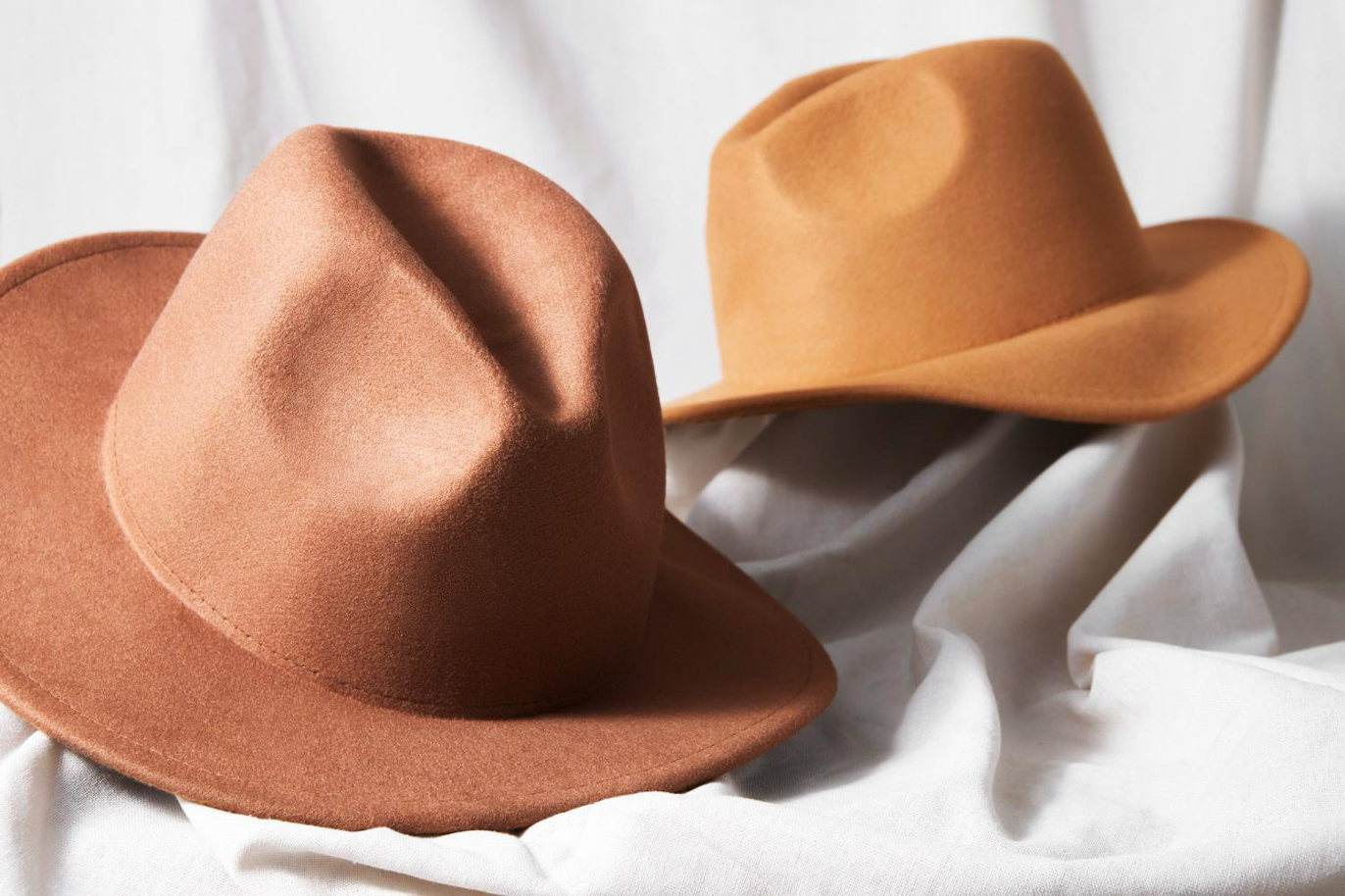
Introduction to Hat Storing
Hats are not just a fashion accessory but also serve the purpose of protecting our head and face from harsh weather conditions like sun, rain, and wind. Whether it’s a stylish fedora, a cozy beanie, or a practical baseball cap, hats need to be stored properly to maintain their shape and quality. In this section, we will discuss the importance of proper hat storage and highlight common mistakes people make while storing their hats.
Importance of Proper Hat Storage
Proper hat storage is crucial for maintaining the shape, color, and overall condition of your hats. Here are some reasons why you should pay attention to how to store hats at home:
- Prevents Damage: Hats are delicate items that can easily get damaged if not stored correctly. Improper storage can lead to dents, creases, discoloration, or stretching in the fabric.
- Maintains Shape: Different types of hats have different shapes; hence, they require specific storage methods to maintain their form. For example, floppy sunhats need support at the brim while baseball caps must be kept upright.
- Saves Space: Properly storing your hats can save space in your closet or wardrobe, as they take up less room when stacked or hung neatly.
- Organized Collection: By having a designated spot for your hats, you can create an organized collection, making it easier for you to find what you want to wear without rummaging through piles of hats.
Common Mistakes in Hat Storing
Now that we understand the importance of proper hat storage, let’s look at some common mistakes people make while storing their hats:
- Stuffing Hats in Tight Spaces: Many people tend to stuff their hats into small spaces like drawers or shoeboxes, which can cause them to lose their shape and quality over time.
- Hanging Hats on Hooks: Hanging heavy woolen winter caps on hooks may cause them to stretch out of shape. Additionally, hanging hats with a wide brim can cause them to lose their form and become floppy.
- Storing in Direct Sunlight: Exposure to direct sunlight for extended periods can fade the colors and damage the fabric of your hats. It’s always best to store them in a cool, dark place.
- Not Cleaning Hats before Storage: It’s essential to clean your hats before storing them, as dirt or sweat left on them can attract pests and lead to discoloration or foul odor.
By avoiding these common mistakes and following proper hat storage techniques, you can ensure that your hats stay in good shape for a long time. In the next section, we will discuss some simple ways to store different types of hatscorrectly.
Tips for Storing Hats at Home
Properly storing hats at home is essential for maintaining their shape and prolonging their lifespan. Whether you have an extensive hat collection or just a few favorites, following these tips will ensure that your hats stay in good shape and are always ready to wear.
- Use a Hat Box or an Old Shoebox: The best way to store your hats is by using a hat box or an old shoebox. These boxes provide adequate protection from dust, sunlight, and other elements that can damage your hats. If you don’t have a dedicated hat box, repurposing an old shoebox works just as well.
- Stuff the Crown With Tissue Paper or Plastic Bags: Before placing your hats in the box, make sure to stuff the crown with tissue paper or plastic bags. This will help the hat maintain its shape while in storage. Ensure that you use enough stuffing to support the weight of the brim without causing any creases.
- Place the Hat Upside Down on a Shelf or Hook: When storing your hats, it’s important to place them upside down on a shelf or hook rather than hanging them by the brim. Hanging by the brim can cause it to lose its shape over time. Placing them upside down also helps prevent dust from settling on top of the brim, which can be difficult to remove.
- Avoid Hanging Hats on Hooks or Hangers by the Brim: As mentioned earlier, hanging hats by their brims can lead to distortion and misshaping of the crown. Instead, opt for hooks designed specifically for hanging hats, such as those with wider openings or round-shaped hooks that mimic heads.
- Protect Hats From Dust and Sunlight: Dust and sunlight are two major factors that can damage your hats if not properly protected against them. To keep dust away from your hats, consider covering them with a clean cloth when not in use. Additionally, avoid storing hats in direct sunlight as this may cause fading and discoloration over time.
How to Store Specific Types of Hats
- Straw Hats: Straw hats are particularly susceptible to damage from moisture and humidity. To protect them, store them in a cool, dry place away from any sources of moisture or humidity. Additionally, consider using a hat form or stuffing the crown with paper towels before storing to help maintain its shape.
- Wool or Felt Hats: Wool and felt hats can easily collect dirt and dust, so it’s important to brush off any debris before storing them. Also, make sure to store these hats in a cool, dry place, as exposure to heat can cause shrinking. If the hat has any embellishments, such as feathers or ribbons, make sure they are secured before storing to avoid damage.
By following these simple tips for storing hats at home, you can ensure that your hats remain in good condition for years to come. Remember to always handle your hats with care when taking them out of storage and avoid stacking heavy objects on top of them.
Conclusion
As you can see, storing hats properly is not as complicated as it may seem. With these simple tips, you can keep your hats in good shape and prolong their lifespan. Remember to clean them regularly, use the right storage solutions, and handle them with care when wearing or putting them away. By following these steps, you can ensure that your hats remain stylish and well-maintained for years to come.