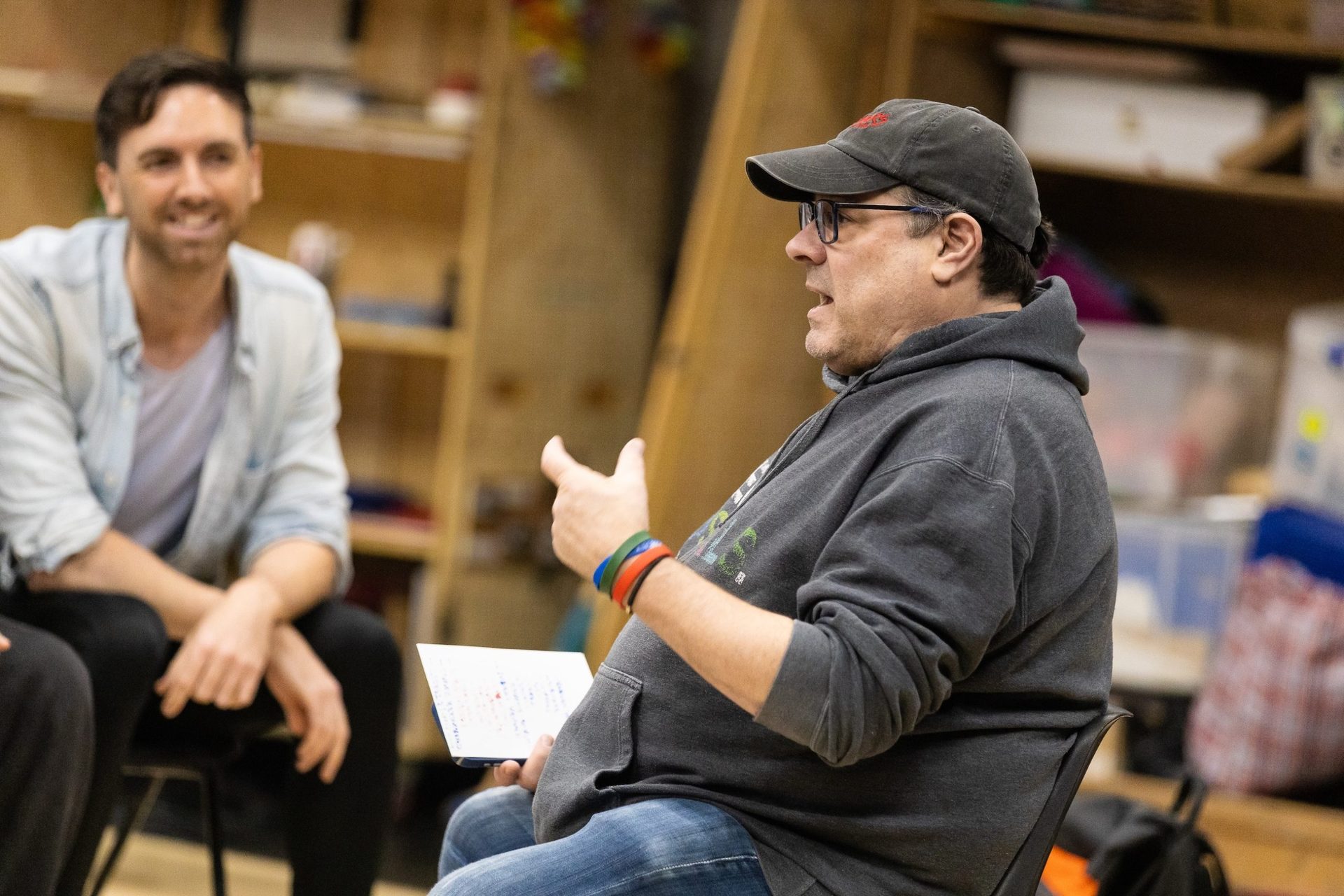
For more than two decades, Andy Fickman has watched Heathers the Musical become something far bigger than the musical he first imagined. The cult film adaptation began life in Los Angeles, had a short-lived Off-Broadway run, and appeared to have reached the end of the road. Instead, its cast recording found a passionate young audience, Britain embraced the show, and it grew into an international phenomenon.
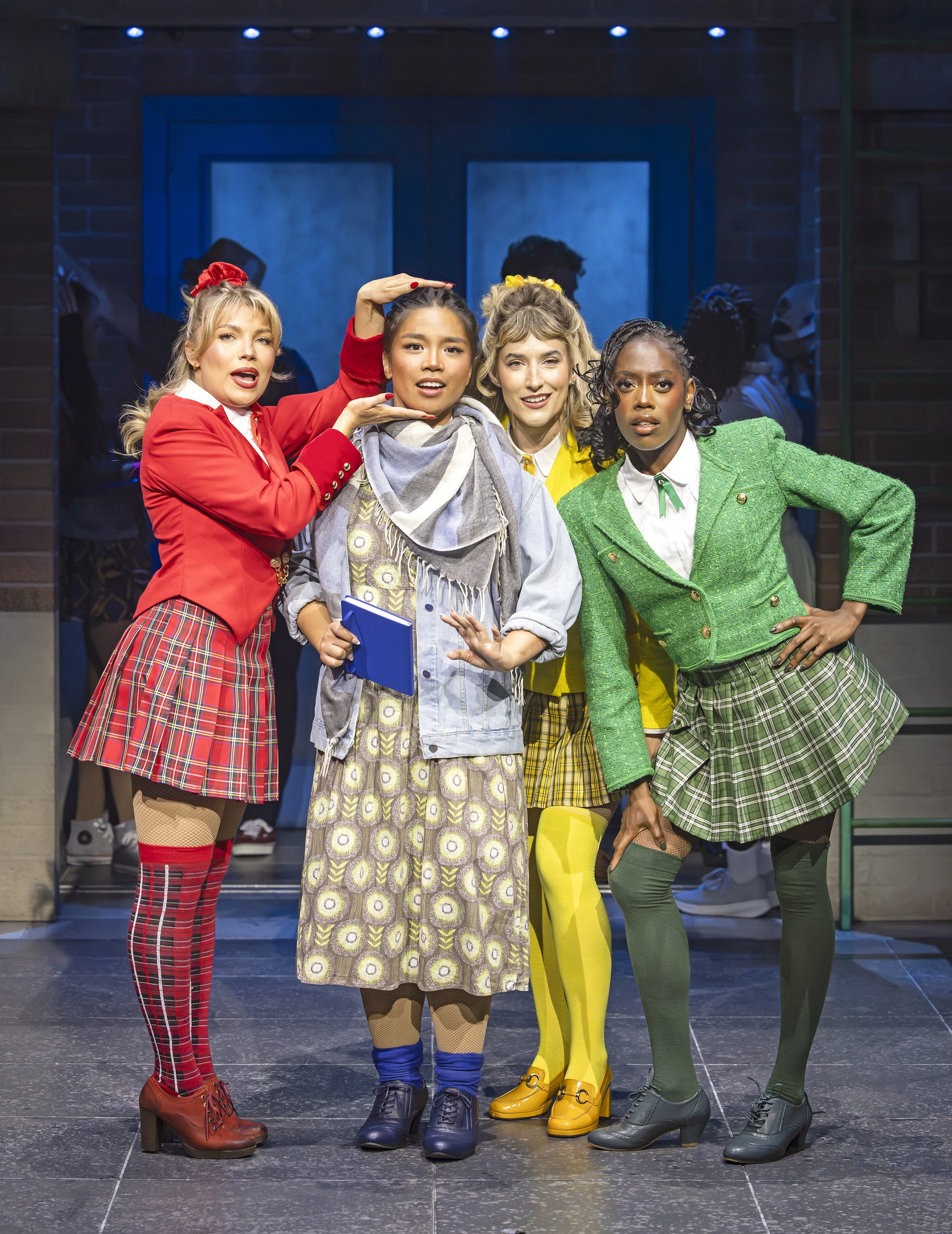
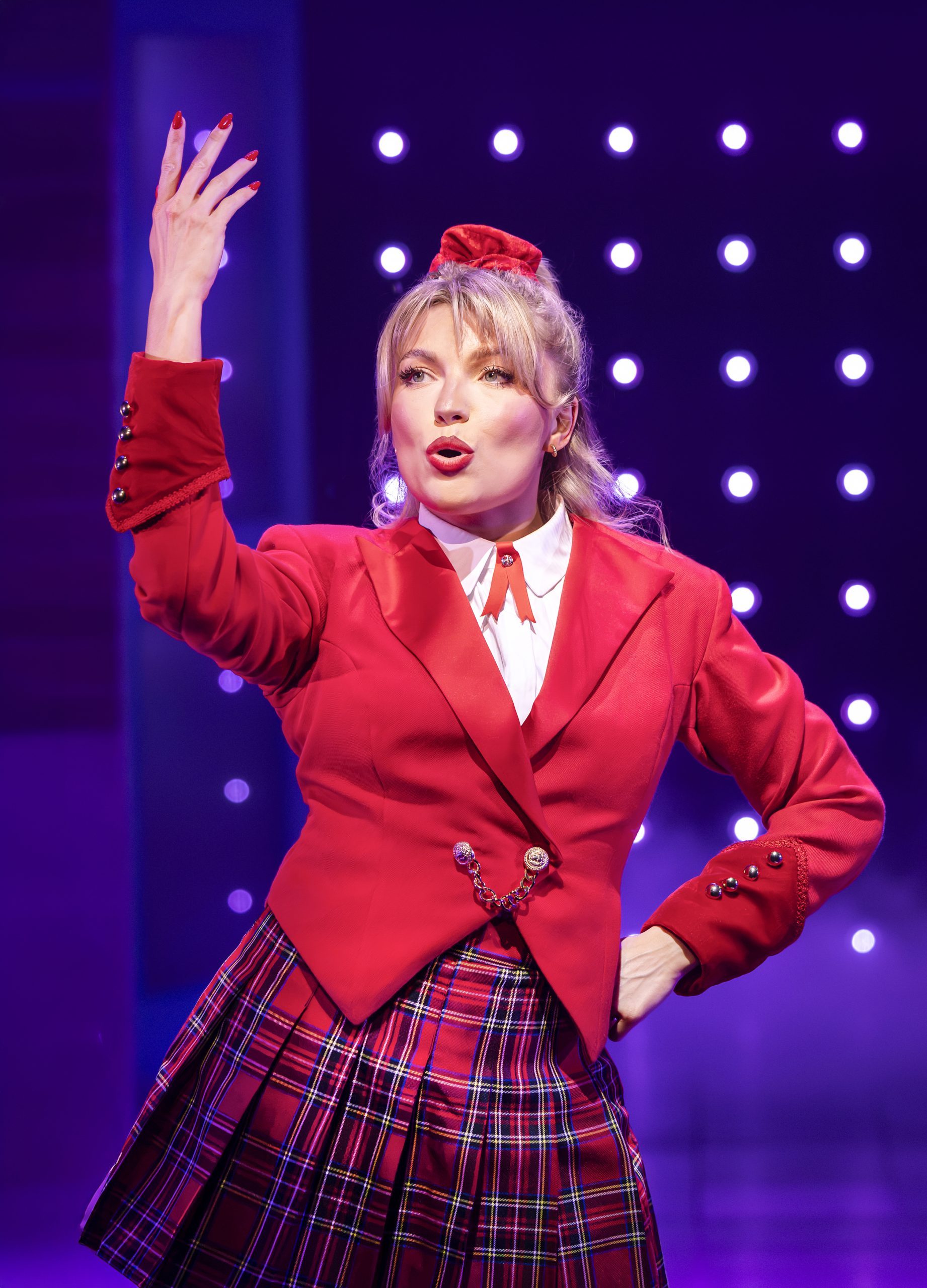
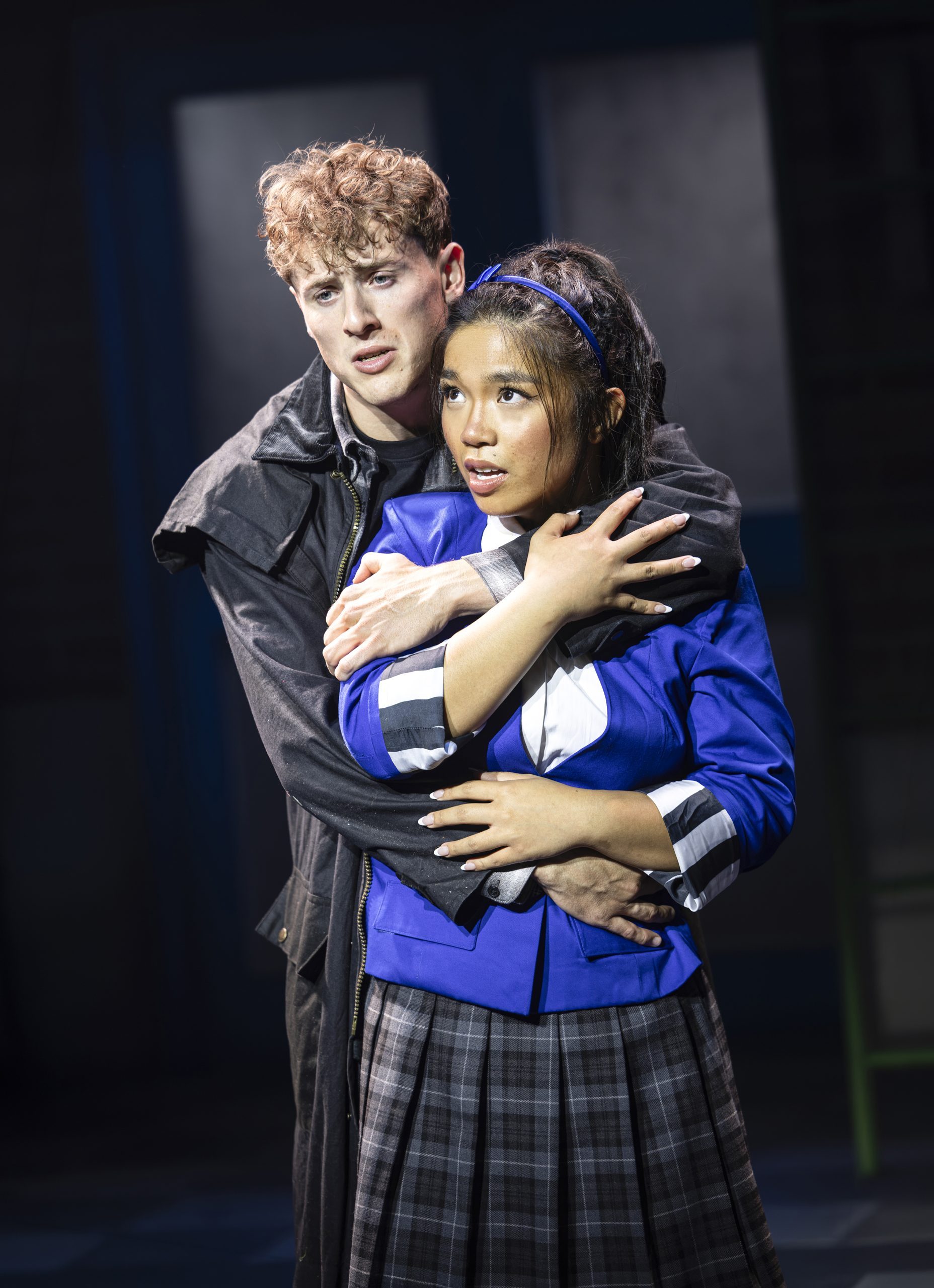
Fickman has been there from the beginning. The director brought together Kevin Murphy and Laurence O’Keefe, helped develop the adaptation with original screenwriter Daniel Waters, and has directed every major incarnation of the musical. Its latest London company, led by Gerardine Sacdalan as Veronica Sawyer and Louis Hearsey as J.D., is playing 52 performances at The Arts at Marble Arch before embarking on a UK and Ireland tour.
His career stretches far beyond Westerberg High, with screen credits including She’s the Man, The Game Plan, and Race to Witch Mountain. Yet Heathers remains deeply personal, shaped by his lifelong love of theatre and willingness to take chances.
Fickman discusses leaving Texas with five suitcases and $2, finding hope within the darkness of Heathers, the British fans who transformed its fortunes, and his plans for world domination (insert maniacal laugh here).
You grew up backstage because of your dad’s involvement in community theatre (amdram for us Brits). What are your earliest memories of that world?
Weirdly, I think my earliest memory is connected to it. I was about four or five and backstage at the community theatre in Midland, Texas. My dad was a geologist and palaeontologist for Shell Oil, but his dream was to get on that stage.
They were doing 1776, so I had this image that all dads wore powdered wigs and light make-up. Then they did Fiddler on the Roof, and I thought all dads had heavy beards. My dad also had a massive collection of musical records, so there was always something playing in the house. Because he loved film and television as well, I had this huge exposure to the arts that many of my friends in West Texas did not get.
After university, you drove to Los Angeles with five suitcases and $2. Were you fearless, wildly optimistic, or simply too young to know better?
All of those. I did not know anybody. Coming from Texas, if I was going to pursue film, television, and theatre, I was either going to New York or Los Angeles. LA felt more natural.
My mom asked me, ‘Why do you think you can make it when most people don’t?’ My naive answer was, ‘Somebody has to make it. Why can’t it be me?’ If I had known how much harder it would be than anything I could imagine, maybe I would have chosen a different path. Blissful ignorance helped me find my way.
I built a theatre company with friends who had also come for film and television but wanted to do theatre. That company, the Fountainhead, eventually became the Hudson Theatre. It is where we built Reefer Madness and Heathers from nothing.
I think the experience prepared me for life as a director. You receive a script and ask, ‘How do I do this? Can I have a boat onstage, or do I need a chair and two oars?’ You are constantly figuring things out. You just go and do it.
When Heathers first came your way while you were editing She’s the Man, what made you immediately think it could sing?
I loved Heathers as a movie. I am a child of the 1980s, so I grew up with all the John Hughes films. When Heathers came out, it was so dark and different. I loved Daniel Waters’ voice, Michael Lehmann’s direction, and Christian Slater. It felt like something that could never have existed in a John Hughes movie.
Coming off Reefer Madness, where we had found an engine for this ridiculous, cult 1930s film, I could immediately hear and see Heathers. I went to Kevin Murphy because we had just done Reefer together. Laurence O’Keefe was building Bat Boy in LA at the same time, so we asked him to become our third partner.
Larry turned us down the first couple of times. We said, ‘Larry, Heathers the Musical,’ and he replied, ‘That’s a horrible idea.’ His point was that he could not see how you could simply take the movie as it was and make it a musical, and he was completely right. We had to rethink it.
Daniel Waters was nervous that he had killed all the best characters and left us with this very dark story. But in a musical, the Greek chorus can return. Veronica’s conscience can return. We also wanted to end with hope. High school never changes, but people can make a difference within their version of it.
Because of the horror of mass school shootings such as Columbine, people looked at us as if to say, ‘Why would you bring this story to life? This is a story we bury.’ But that is what art can do. It brings suicide, sexual assault, and bullying to the forefront so we can discuss them. Our trigger warnings read like War and Peace, but we felt there was a story to tell.
It is a very funny story about murder, suicide, bullying, and social cruelty. How did you find the right tonal balance?
With Reefer Madness, we killed everybody and made it as bloody as possible. I would show people Monty Python and the Holy Grail, with blood squirting everywhere, and say, ‘That is what I am looking for.’ The bloodier it became, the funnier it was.
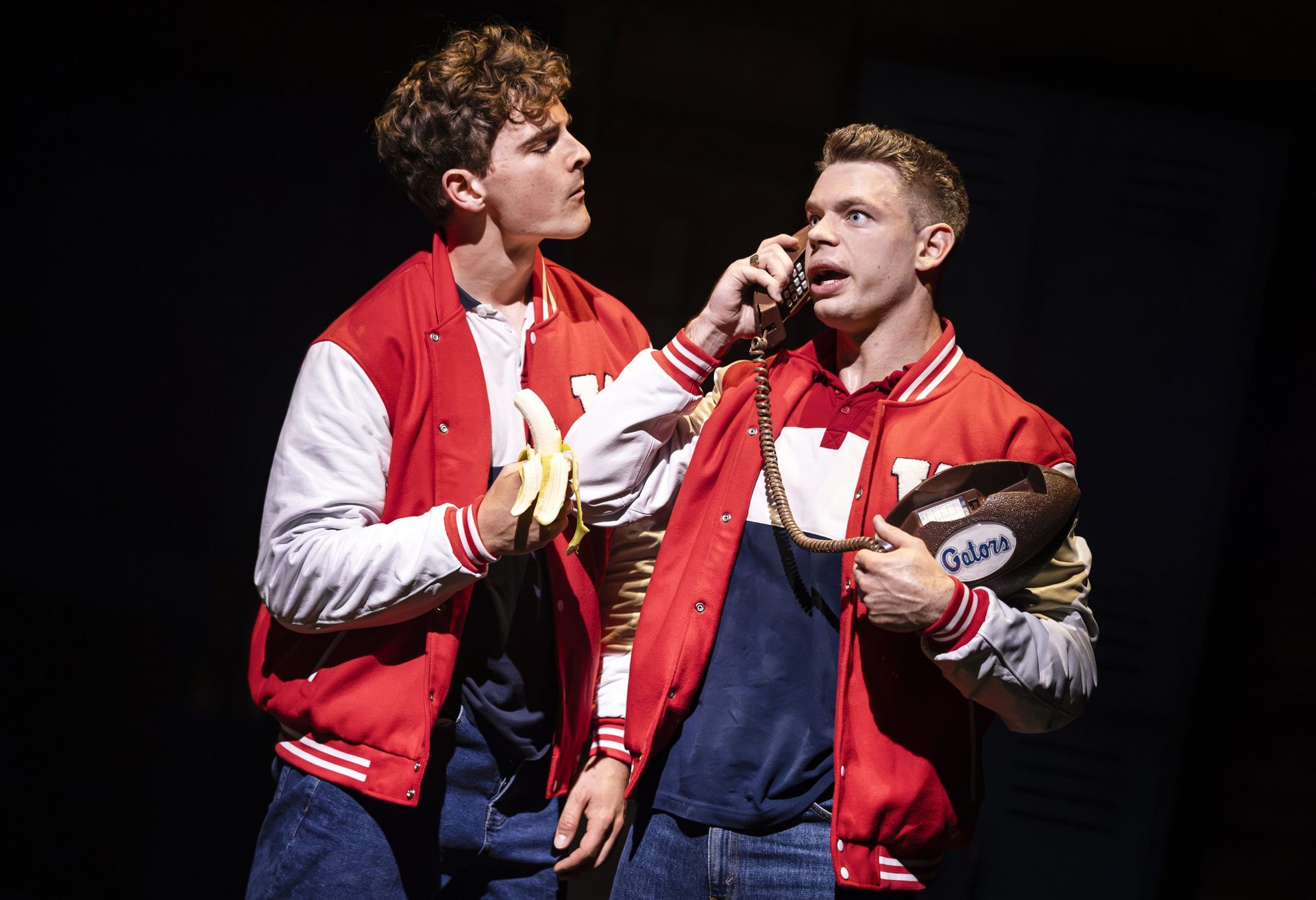
With Heathers the Musical, we realised that its stylised nature would be our advantage. The guns can go off, but there is no blood, which allows us to return to the comedy. By the end of Act One, we have taken the audience on this rollercoaster before Kurt and Ram are killed. Moments earlier, they are doing a striptease in the cemetery, which is one of the show’s biggest laughs. We want the sudden darkness to leave the audience asking, ‘What just happened?’
Then, everybody gets their tiny ice cream at the interval, and we have to bring the energy back up. Opening Act Two with ‘Dead Gay Son’ creates this anthem that says, ‘We are at a musical comedy. Let’s have fun, sing, and dance.’ It is not until after ‘Lifeboat’ that we begin the downward turn again. The question was always: how far can the audience go in one direction, and when do we need to pull them back?
Was ‘Dead Gay Son’ always destined to become such a huge number?
It was one of the first songs we discussed because it is only one line in the movie: ‘I love my dead gay son.’ Kevin, Larry, and I kept coming back to it. If ever there was a song title, that was it. Then it got bigger and bigger.
The key is not to reveal the joke too early. They need to begin as these two macho, not terribly bright American men. If you tip it too soon, the song never takes off as it should. We have been blessed with amazing actors in every production who have led us to victory with it.
Kristen Bell played Veronica in the early readings. What did that first version look like, and is there anything you miss from it?
Kristen had been our lead in Reefer Madness when she was still a student at NYU. She was the first person we approached for Veronica and stayed until our first New York reading at Joe’s Pub, when Annaleigh Ashford and Jeremy Jordan took over as Veronica and J.D. But, for many years, it was K-Bell helping us make it happen.
I do not think there is anything I miss from that early version. You have to say goodbye to songs that no longer work. ‘Blue’ became beloved and survived all the way through 2014, but we cut it for several reasons. From a storytelling perspective, it did not give Veronica much agency. It was essentially two drunken men while the other Heathers did some doo-wop in the back of the car.
Before we moved to the UK, Kevin and Larry said, ‘We want to tell this better.’ ‘You’re Welcome’ made it Veronica against Kurt and Ram. She physically wins, escapes, and beats them, rather than surviving because two drunks fall over and pass out.
What I miss is the discovery. Sometimes there is a line on the page that you are convinced will be the funniest thing anybody has ever heard. You perform it and get crickets. You add a beat and try again, but eventually you have to admit that nobody has ever laughed and cut it. My memory is littered with things I thought were going to kill.
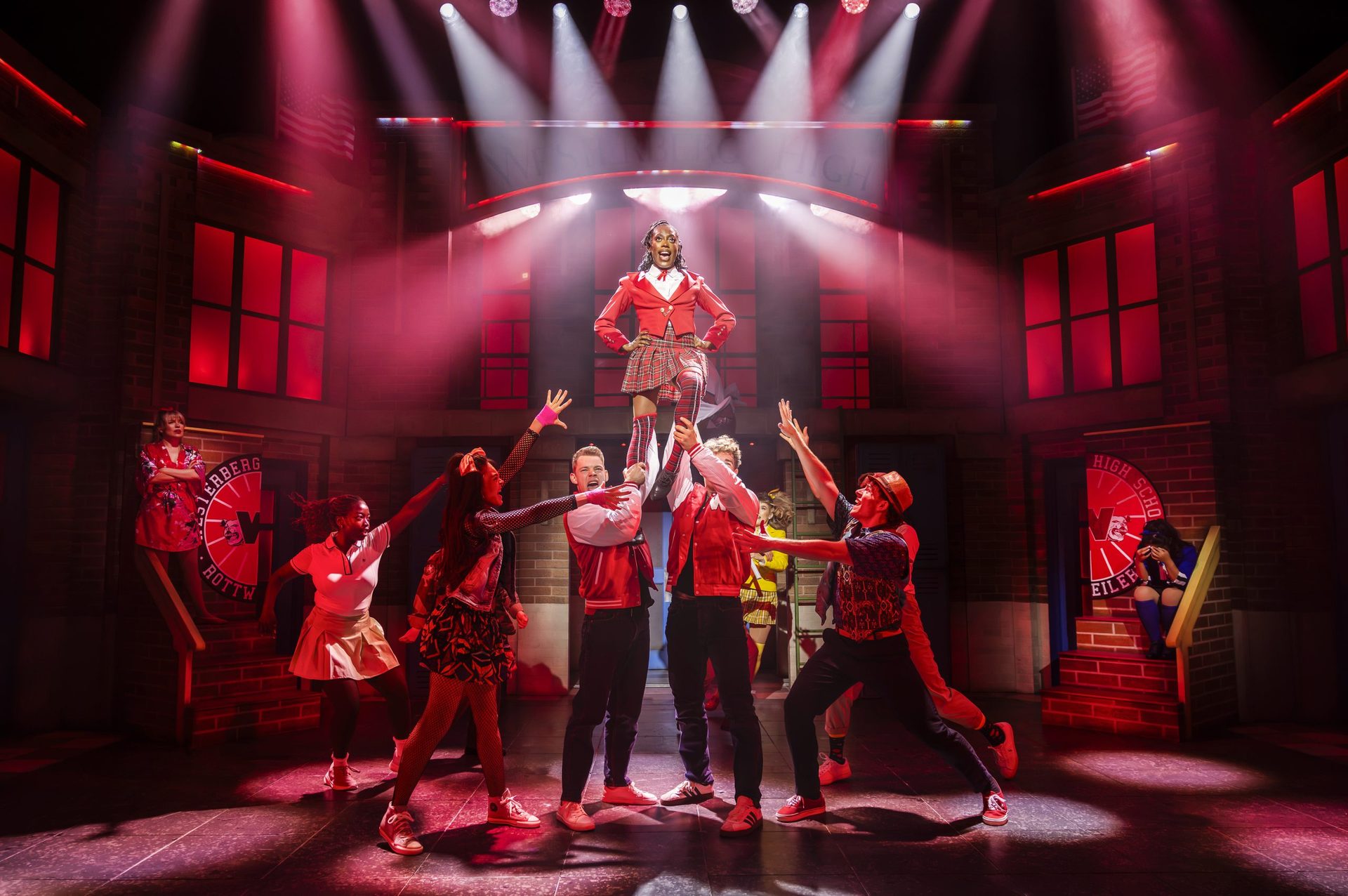
When the original Off-Broadway production closed after less than five months, did you think Heathers was finished?
Kind of. We produced that production ourselves. We had sold out in LA and got the opportunity to go to New World Stages, but we did not have a war chest. If you go into New York theatre or the West End, you need money behind you when ticket sales dip. You have to be able to advertise.
We could have continued for another month or two, but we had recorded the album, and wanted to leave while we still had money to return to our investors. Then the album became a hit, and the amateur rights exploded, with around 1,200 licences worldwide.
On closing night in 2014, I stood onstage and, with the same bravado that had taken me from Texas to LA with five suitcases and no plan, told the fans we would return. More than a decade later, Kevin, Larry, and I walked back into the exact same theatre and onto the same stage. We looked at each other and thought, ‘Hell, we actually came back.’
I did not foresee the Andrew Lloyd Webber turn or Bill Kenwright coming in. My crystal ball did not show me any of that, but somehow it worked.
What was it like arriving at The Other Palace in 2017 and discovering that a British audience already knew the show?
Paul Taylor-Mills called and introduced himself. He was working for Andrew Lloyd Webber, they ran The Other Palace, and he wanted us to come over for a workshop to see whether people responded.
Kevin, Larry, and I thought, ‘Heathers was not a hit movie in America. How would anybody know it in London?’ We were shocked to sell out. The music had preceded us. Suddenly, we had packed houses full of people singing songs they had used for auditions or discovered at university. Some were as young as 12.
My seven-year-old daughter now has a Heathers poster in her school’s music classroom. My wife and I assumed they had put it up because of me, but the teacher clearly had no idea who I was. My daughter kept saying, ‘It’s my daddy’s show,’ and I think the teachers assumed I had directed an amateur production somewhere. Eventually, the principal explained that it really was her daddy’s show.
It is exciting to realise that you can connect with people you have never met. Now that the show is in Australia, the UK, and New York, you see audiences around the world responding to the same things. I find that incredibly gratifying as a creator.
Why do you think Britain embraced Heathers so passionately?
I have asked myself that many times. I think there is a deeper understanding in the UK of the different caste systems within society, historically through aristocracy and nobility, but also through school and university. America recreated its own version of that, for the worse.
Somebody once told me, ‘I look at Heathers, and I see an episode of Derry Girls.’ The minute they said it, I understood completely.
The UK embraced the show without needing to know the movie. Lisanne Falk, the original Heather McNamara, lives outside London and asked to come to the workshop. She has been our good-luck charm ever since, arriving in yellow and making every new cast feel part of the show’s history.
I still have a photograph from The Other Palace of Lisanne meeting Sophie Isaacs, who was playing Heather McNamara, and the two of them holding each other. It was special because you felt that we were continuing the storytelling the original cast began.
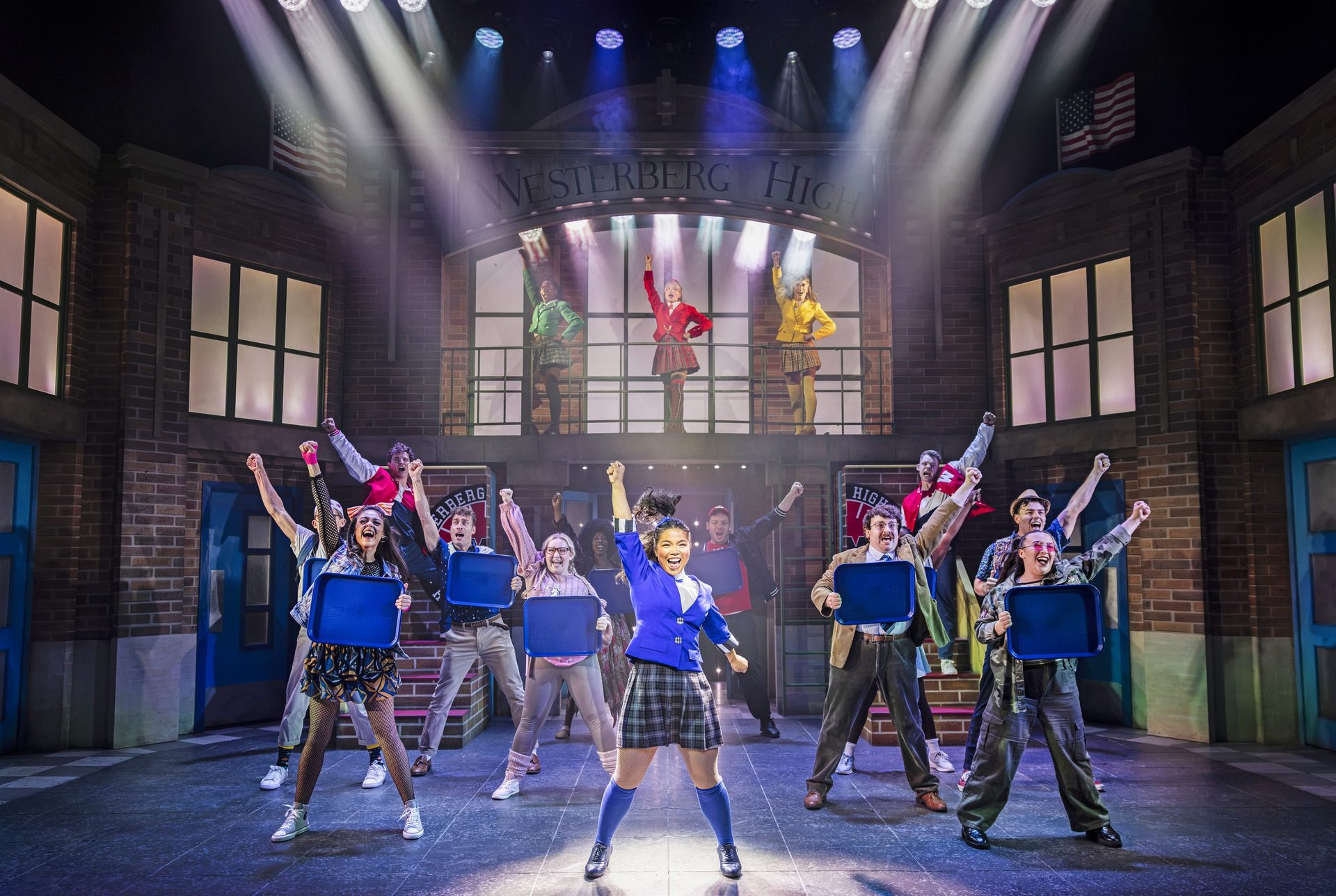
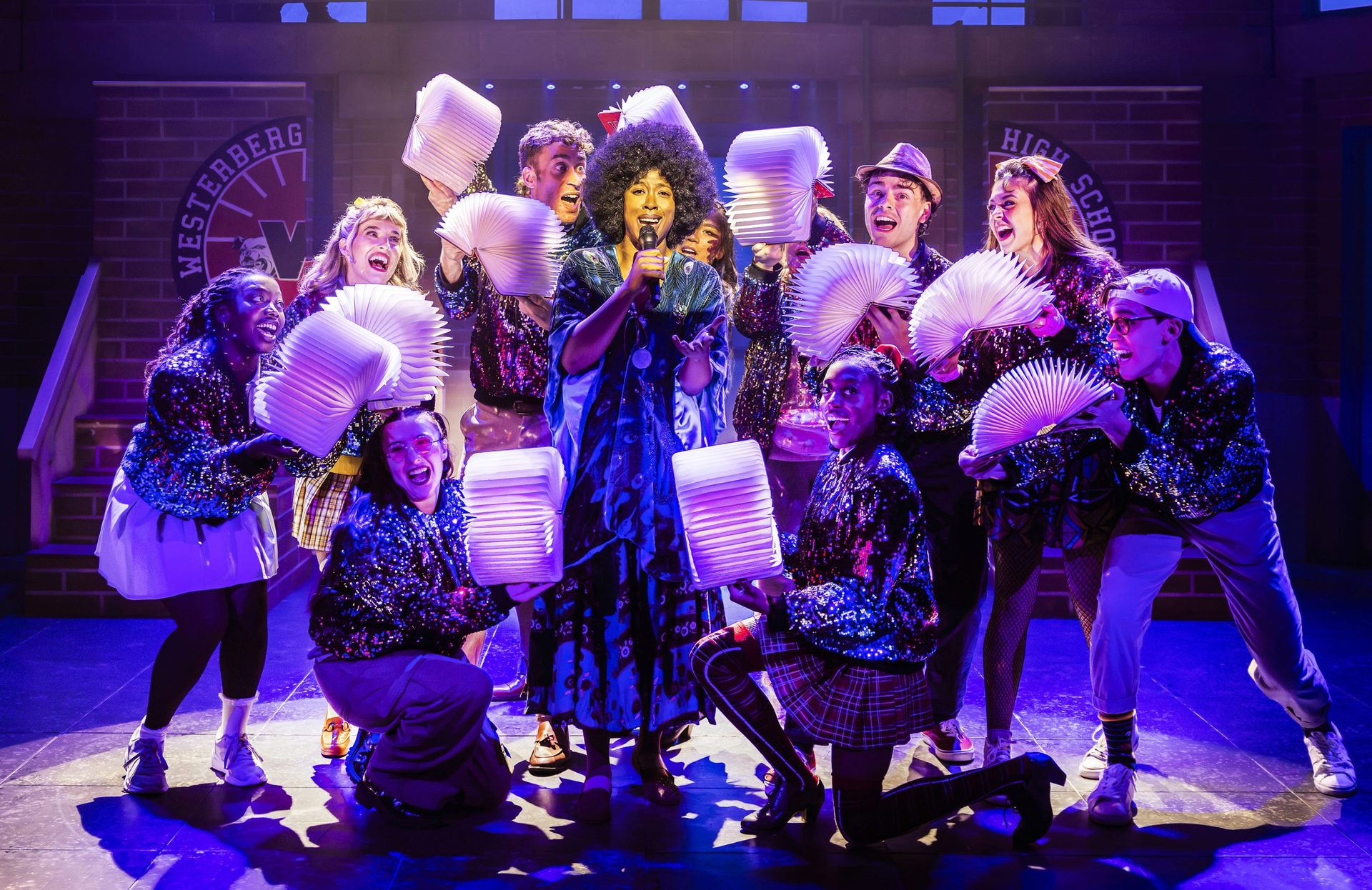
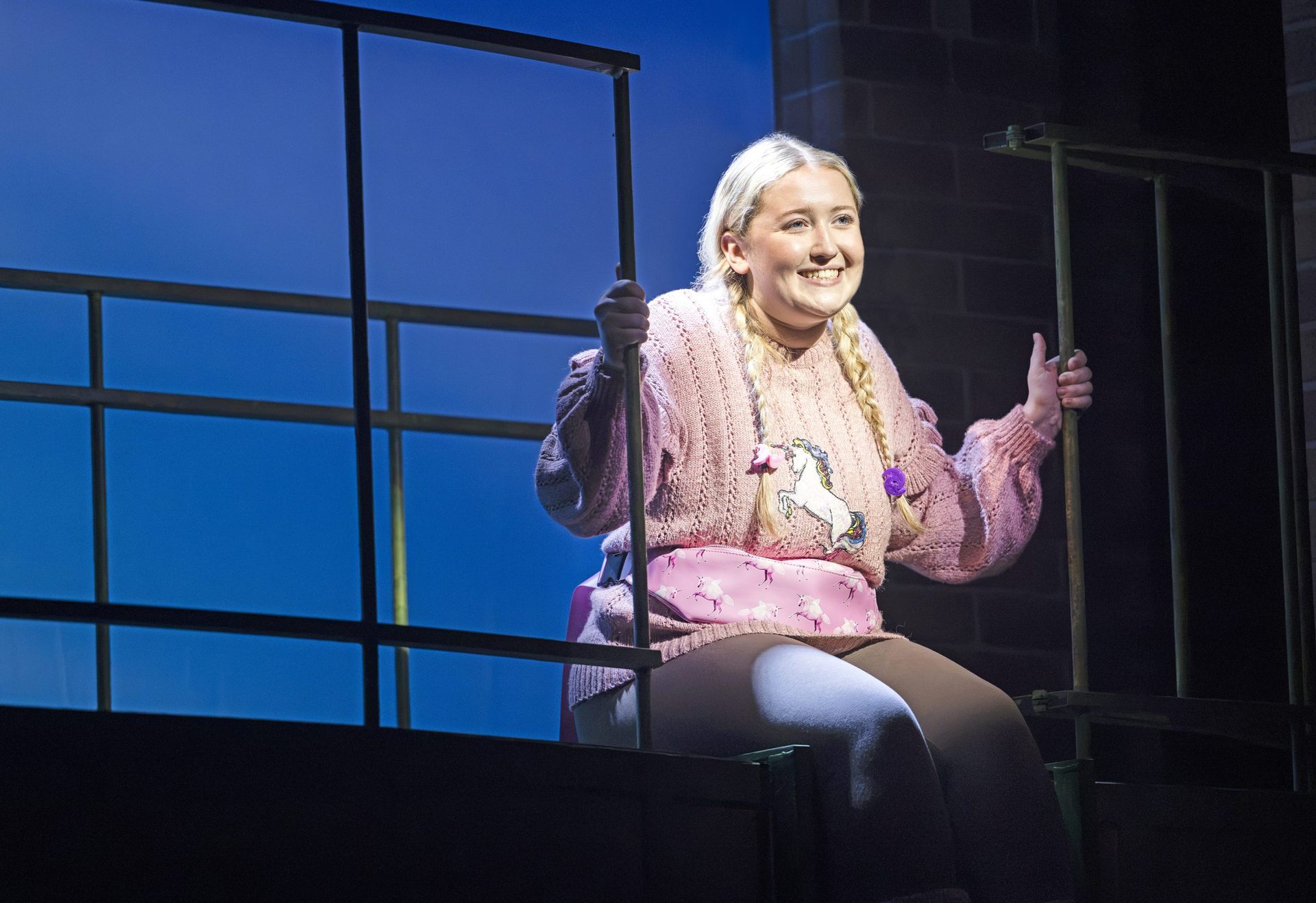
I saw the current London company in July and was struck by the energy they brought to the show. How do you give each new cast the freedom to make it their own?
I follow their energy. In Australia, Emma Caporaso played Veronica very differently from Gerardine Sacdalan in London, but she lit a fuse in me: ‘Oh, it could be this.’ Isabella Esler in New York did the same. We have three unique Veronicas and three unique J.D.s. During casting, I begin to see what somebody might do differently with a line or a moment.
I never want to reach the point where I am pressing a button and saying, ‘Stand there, say the line like this, and it will get a laugh.’ Gary Lloyd, our choreographer, and I have been together since 2018, but we are still changing things. This time, we altered a lighting cue that had bothered us for four years.
The audience gives us so much love that we want to deliver for them. I do not feel that the show belongs to us any more. It belongs to them.
Film-to-musical adaptations seem to be everywhere at the moment. What separates a film that genuinely wants to become a musical from a recognisable title with songs added?
People love the nostalgia of a film that brings them into that world, although it is not for everybody. I have friends who say, ‘I do not like musicals. I do not want people breaking into song,’ and I know I will never convince them otherwise.
But there is an audience that wants to devour musical theatre. Film and musical theatre have always grown alongside each other. You can look back to The Wizard of Oz in 1939 and realise that the world can still sing ‘Over the Rainbow’. Most of us can immediately imagine Little Orphan Annie singing ‘Tomorrow’. For people who are open to it, that combination of story and song is powerful. It is my favourite form of entertainment.
After roughly 20 years with Heathers, what is still on your wish list?
World domination. I want to share this story everywhere.
I had never been to Australia, and suddenly I was spending eight weeks in Melbourne, wondering whether people there would respond to Heathers. At the first preview, Gary and I sat together thinking, ‘I think they will. I hope they will.’ Then the audience was fantastic.
As we keep touring and reaching new places, I just want to see how far we can go.
Heathers the Musical plays The Arts at Marble Arch until 22 August 2026, before touring the UK and Ireland from 26 August 2026 to 1 May 2027.
For tickets, tour dates, and more information, visit HeatherstheMusical.com
Follow Andy on Instagram at @herrdirektor
Words Nick Barr
Production photography Pamela Raith
Rehearsal Photograph Shona Louise