In a flat in Gunnersbury, three recently graduated actors would come home from their day jobs and start their real work. Henry Lewis was serving burgers, Jonathan Sayer was working in a call centre, and Henry Shields was behind a bar. Once they had finished their shifts, they would sit down together at around 11pm and write until two in the morning.
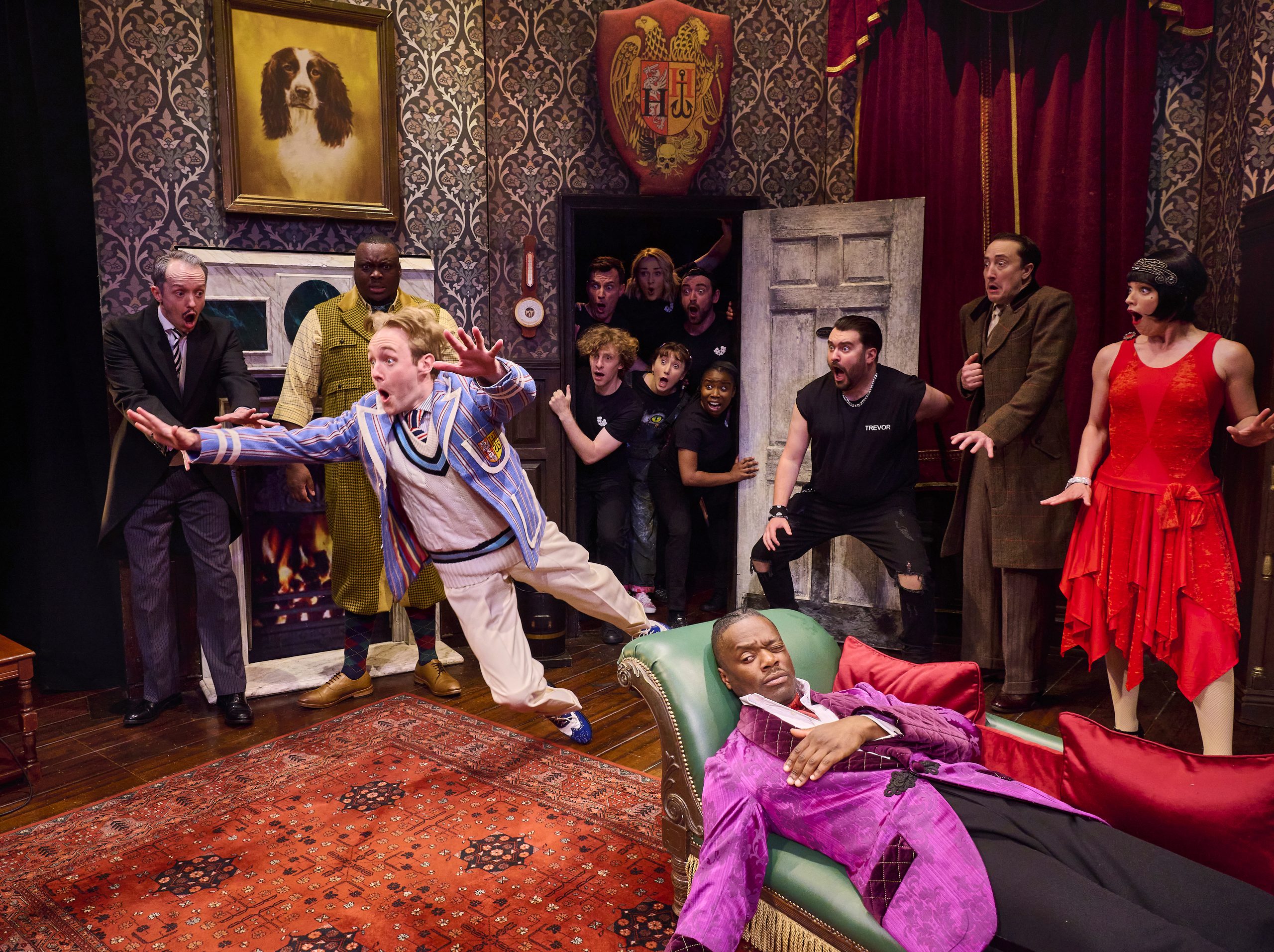
What emerged from those late-night sessions was The Play That Goes Wrong. It began in the late slot at the Old Red Lion Theatre in 2012, before growing into a two-act production, touring the UK, and opening at the Duchess Theatre in 2014. More than a decade later, it is still there, while Mischief has become one of the most successful comedy companies in the world.
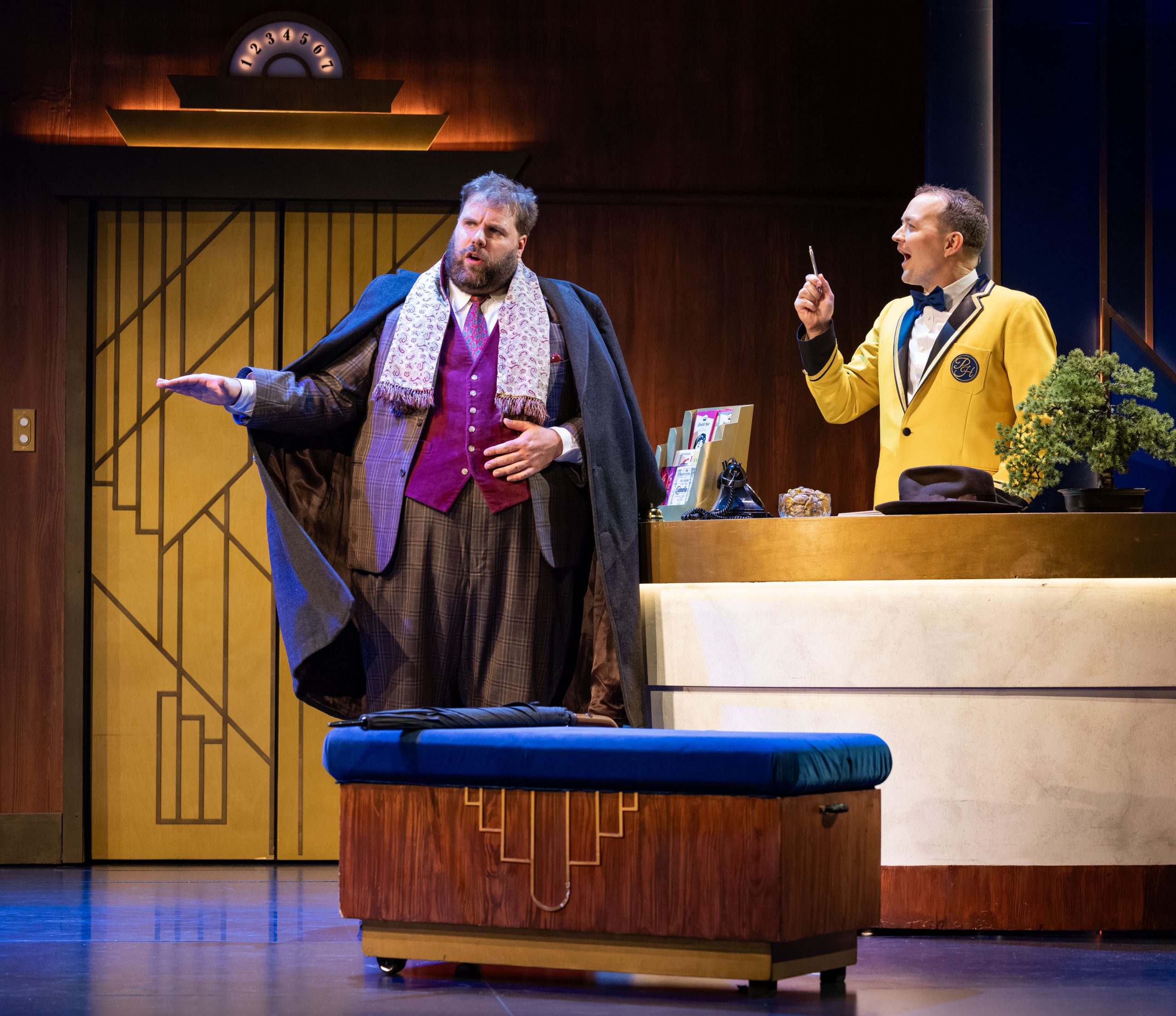
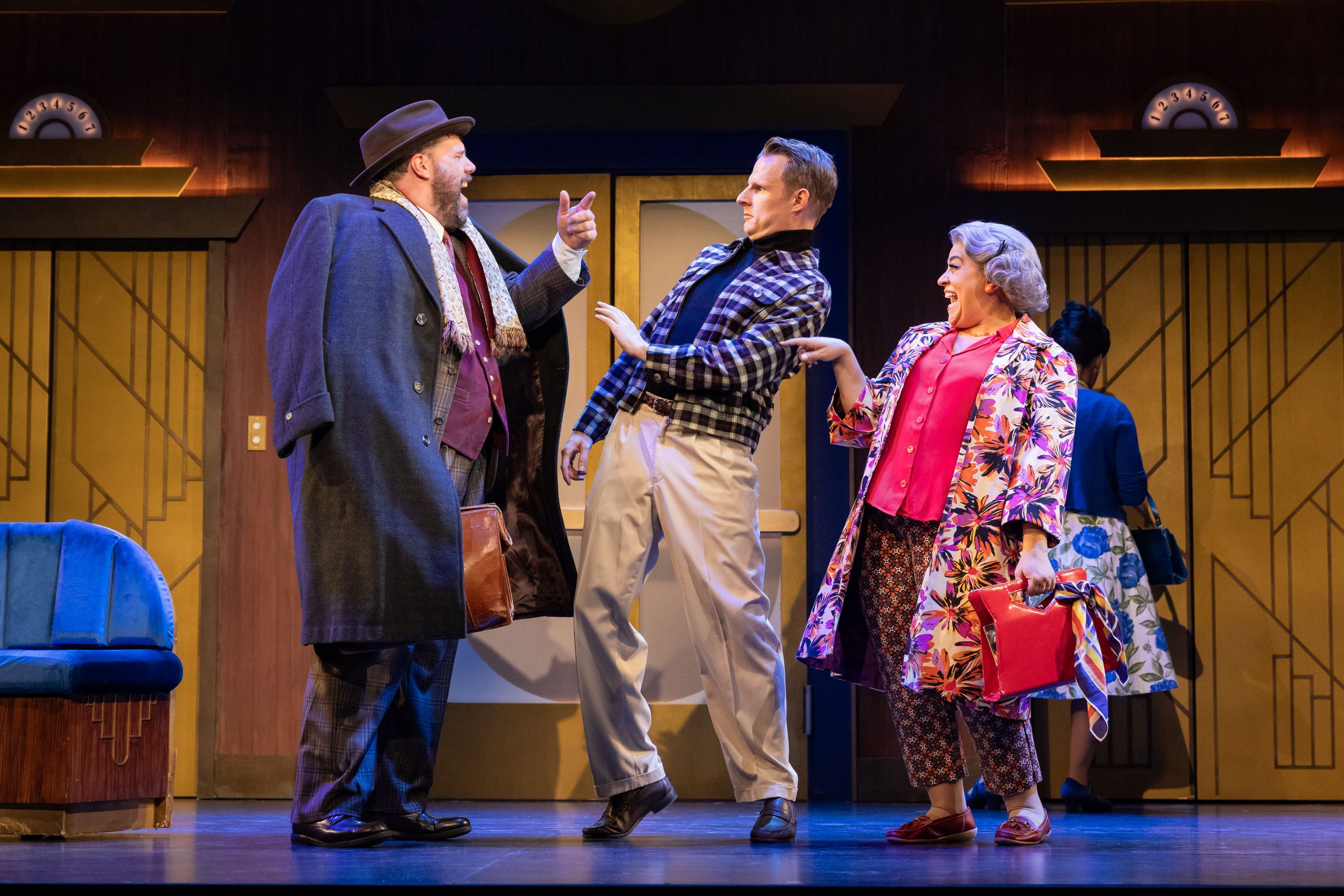
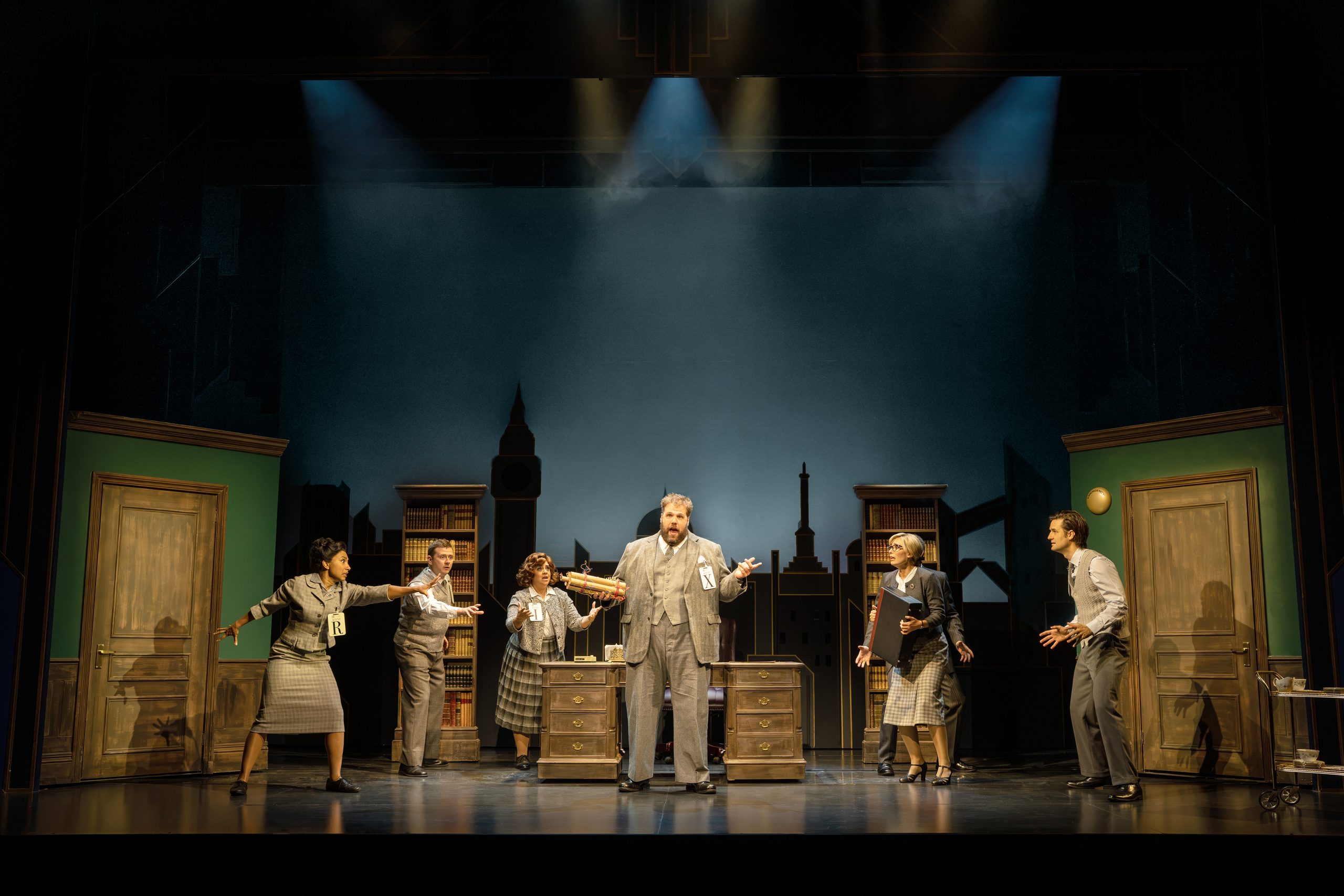
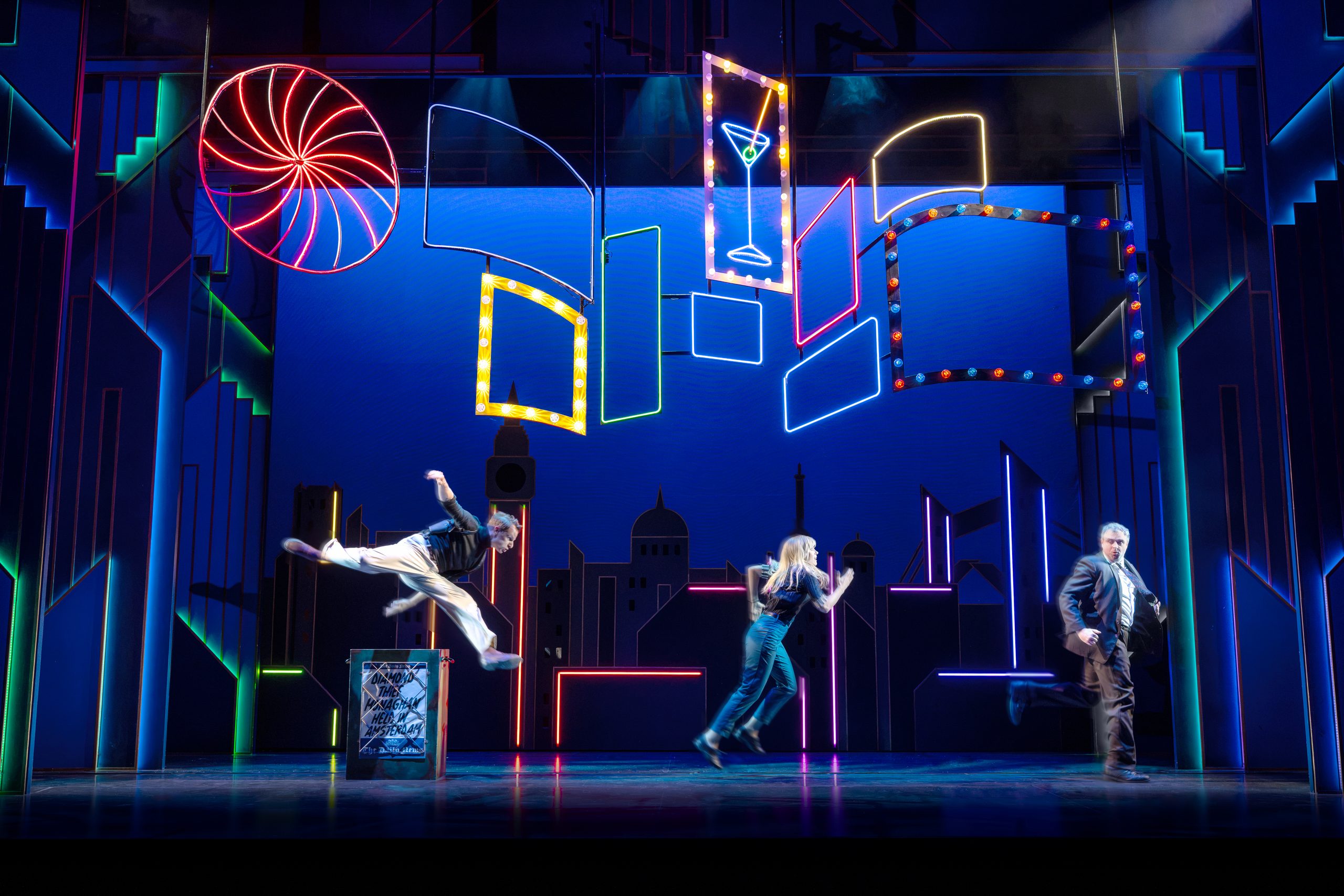
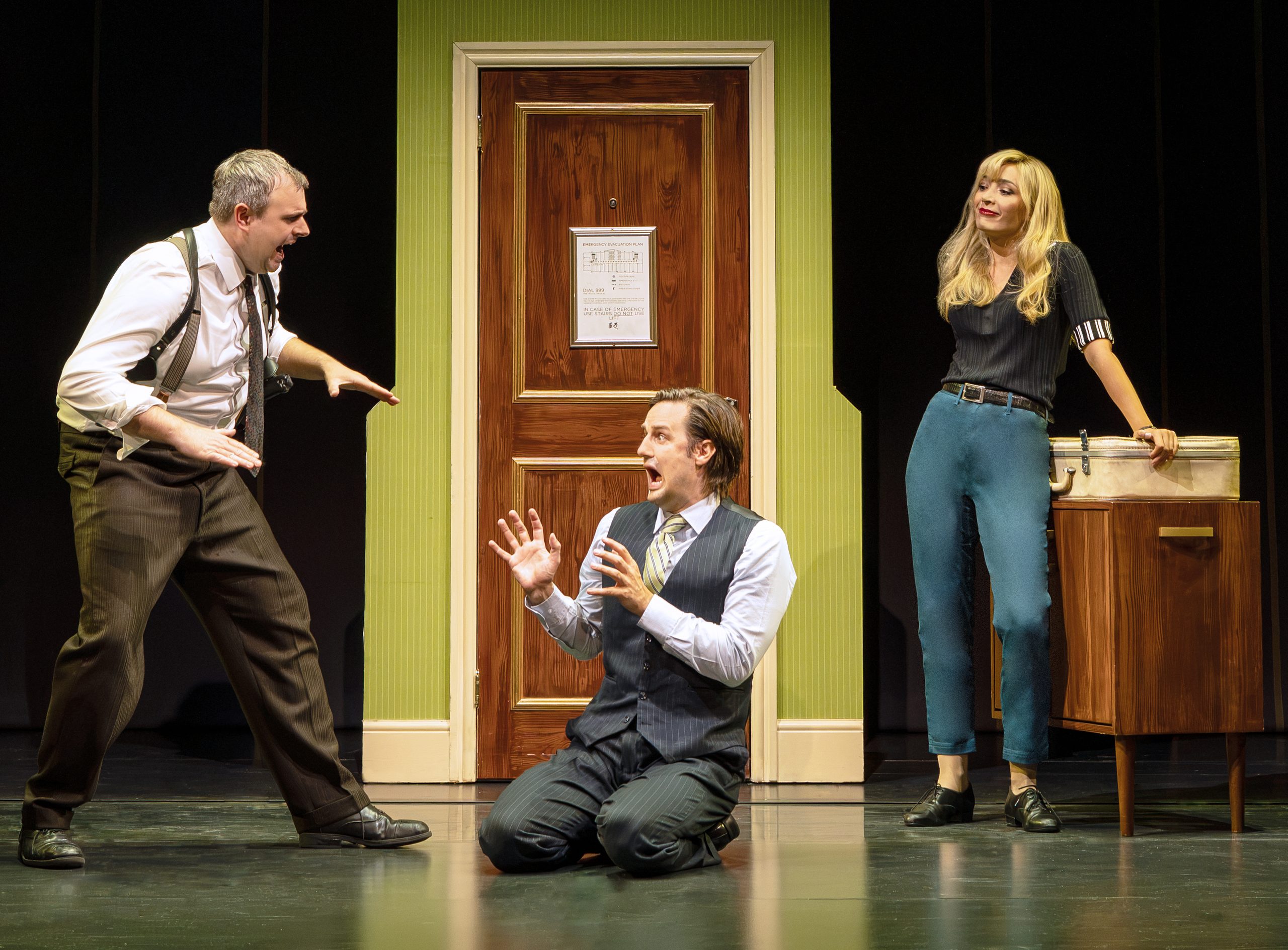
Its current West End hit, The Comedy About Spies (my review of the 2025 production here), proves there is far more to Mischief than Cornley Drama Society and collapsing scenery. Written by Lewis and Shields, the 1960s Cold War caper brings CIA and KGB agents, a stolen weapons file, an innocent young couple, and a spectacularly self-important actor together at London’s Piccadilly Hotel. Its original West End run sold out, won Best New Play at the 2026 WhatsOnStage Awards, and earned an Olivier Award nomination. Now it is back for eight weeks at the Adelphi Theatre, with Lewis once again starring as Douglas Woodbead, an actor with all the confidence of James Bond and very little of the ability.
When I sat down with Henry Lewis, we talked about Mischief’s journey from weekend improv sessions to West End institution, the astonishing precision behind theatrical chaos, building The Comedy About Spies, joining the Marvel Cinematic Universe, and why the company’s ambitions extend far beyond the stage.
So, you all met through LAMDA and began performing improv together. Did the move from improv into something scripted feel like a natural progression?
Absolutely. Improv gave us a shared sense of humour and taught us how to work together. By the time we graduated, we were ready to make something scripted, but we wanted to keep the stakes of the audience watching something live. We wanted that feeling that anything could happen, even though what they were seeing had been carefully planned. The Play That Goes Wrong felt like a natural way to hold on to that spontaneity within a scripted show.
When you first created The Play That Goes Wrong, what did you honestly imagine its future would be?
We were never thinking this far ahead. At every stage, we were just hoping we might take it one step further. We first performed it in the late slot at the Old Red Lion, then hoped we could move into the main 7.30 slot. After that, I thought it would be great to get it into the small space at Trafalgar Studios, because it would technically be in the West End.
We had always wanted to perform at the Pleasance in Edinburgh, so that became the next goal. Then our producers, Kenny Wax and Mark Bentley, found a gap in a touring schedule and asked if we could write a second act. We thought it might become an eight-week tour, but it grew to around 22 weeks. When it reached the West End, we hoped to make it to Christmas. It continues to surprise us even now.
The chaos looks spontaneous, but it has to happen with extraordinary precision. How do you make an accident go perfectly wrong eight times a week?
It comes through rehearsal. When you are doing big physical sequences, they have to be repeatable and safe, but if you make them look too safe, they stop appearing accidental. You are always trying to split the difference.
If something falls over, it might be placed on a hinge so that it can fall in exactly the same place every time. The falling flats in The Play That Goes Wrong are a good example. You have a large piece of wood coming towards an actor in that classic Buster Keaton moment, so the set cannot move, the flat has to fall in precisely the right place, and the actor must be standing on an exact mark. The actor checks it, then a stage manager checks it and gives the clear. Anything falling from a rig will have both its release for the show and a separate safety release. There are multiple layers protecting everyone.
Has the success of the Goes Wrong world ever felt creatively limiting, as though people only wanted another version of the same thing?
To a degree, there was a point when the Goes Wrong brand felt bigger than the Mischief brand. That may still be true, but I think people now understand there is more to us. The Comedy About a Bank Robbery and The Comedy About Spies have created another family of shows within the Mischief world.
We still love the Cornley characters. We have been playing them for so long that they have this rich fabric, and you rarely get the opportunity to keep exploring characters over that length of time. It would be a shame to focus on them exclusively, but I think we have found a good balance between continuing the Goes Wrong work and creating something new.
What connects it all is the desire to make audiences genuinely laugh. Our shows also tend to have a broad appeal. Children can watch them, but you can take your parents or grandparents, too. They usually have a level of physical ambition because people love seeing big slapstick comedy performed live.
Where did the original idea for The Comedy About Spies come from?
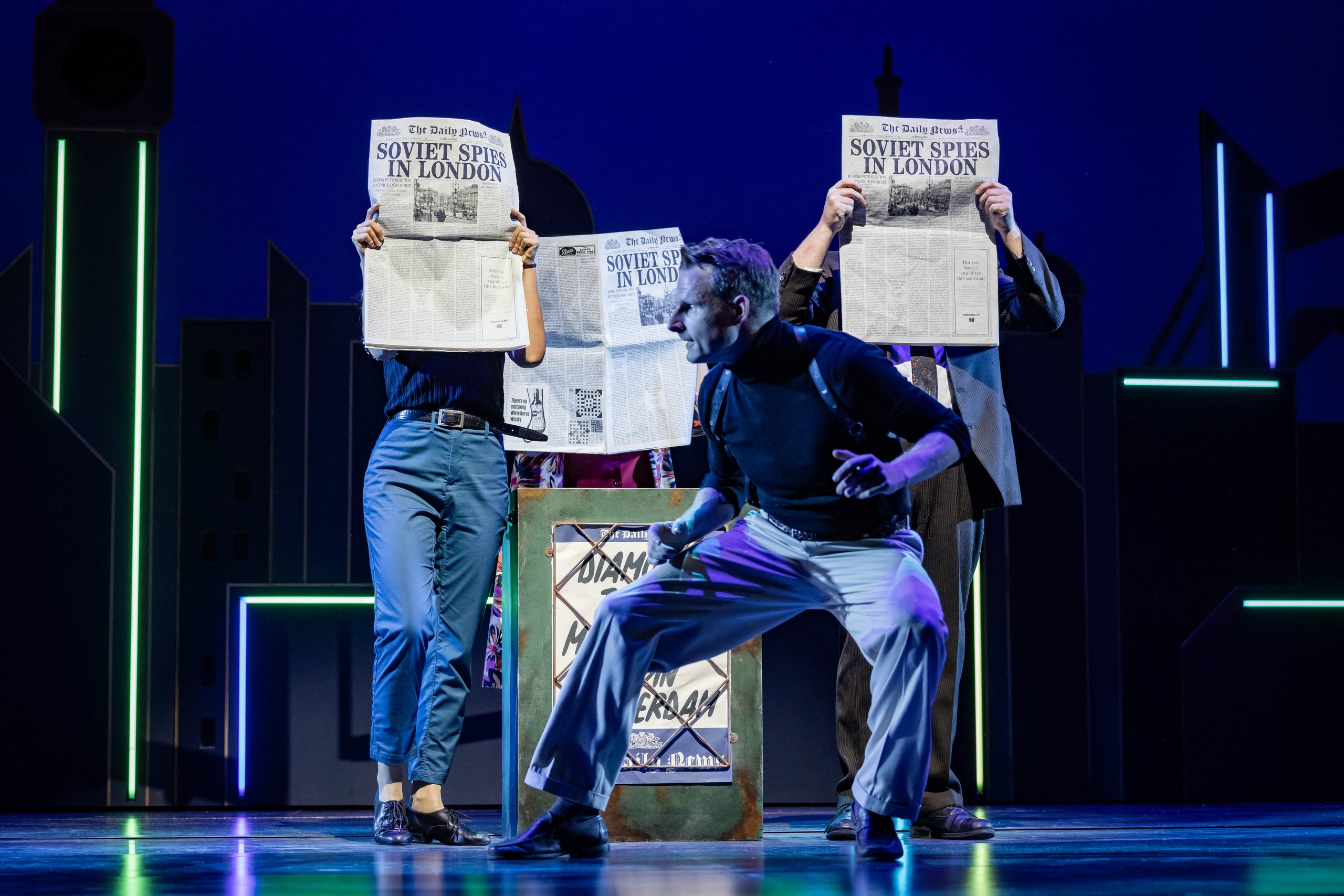
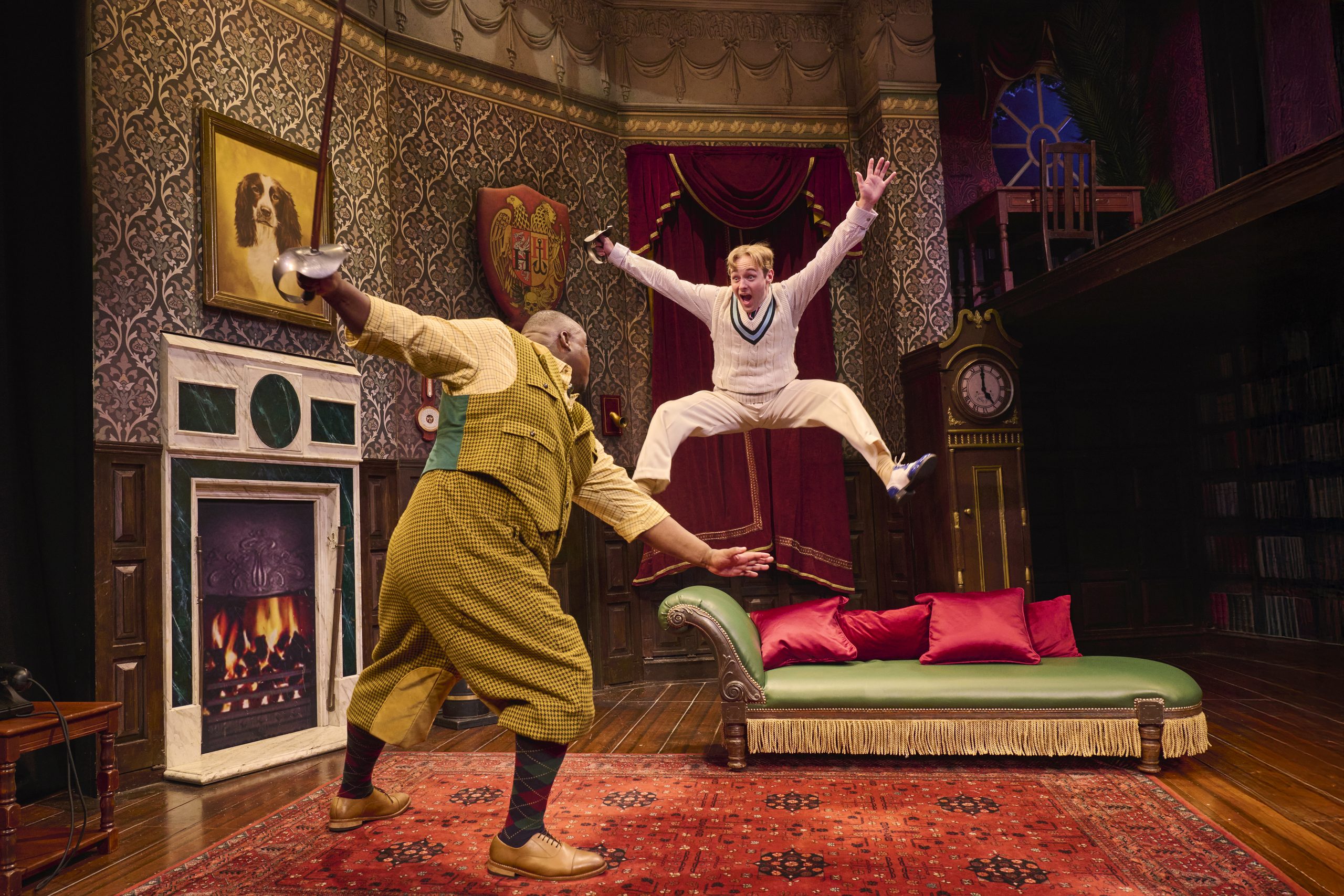
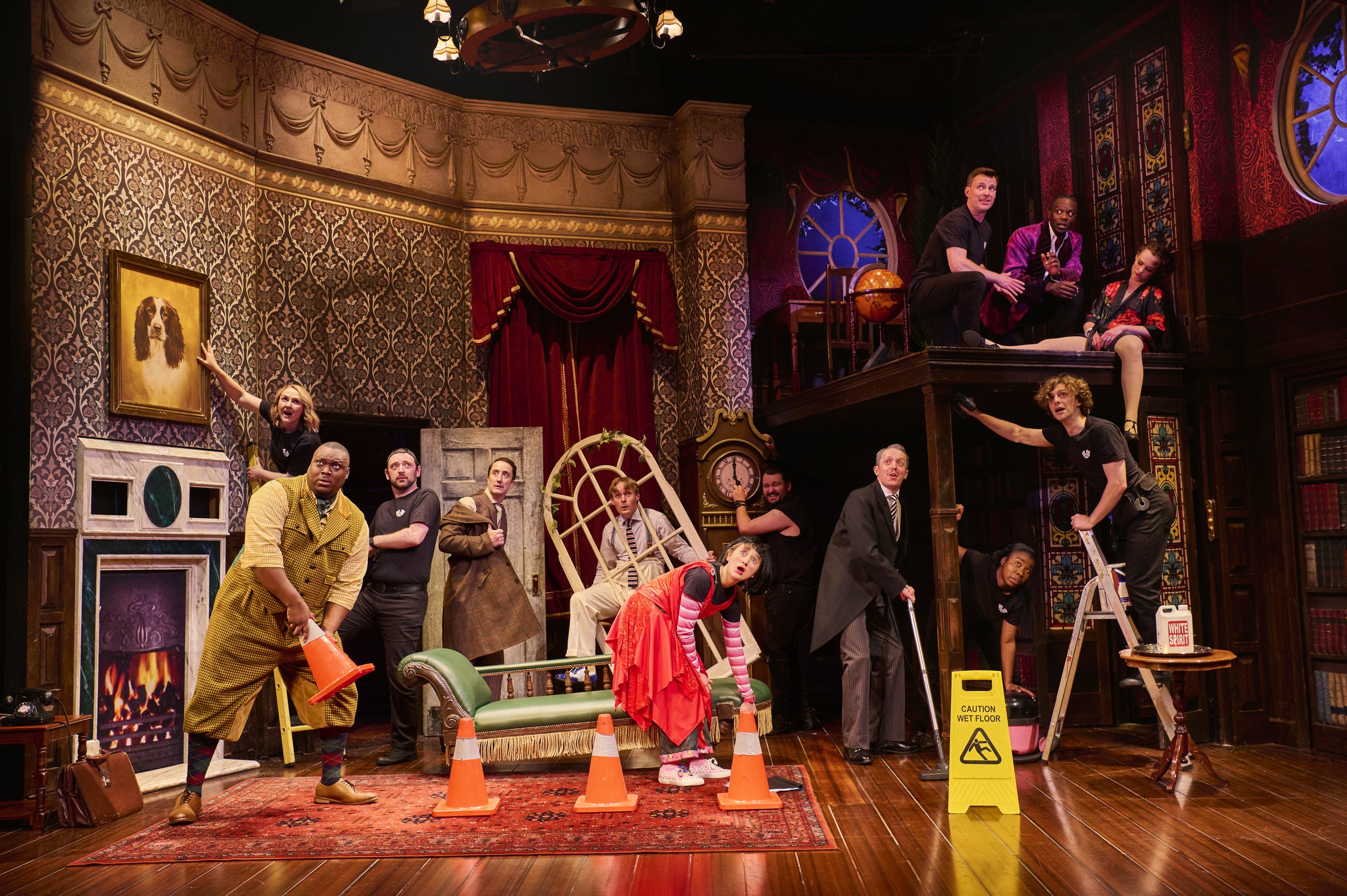
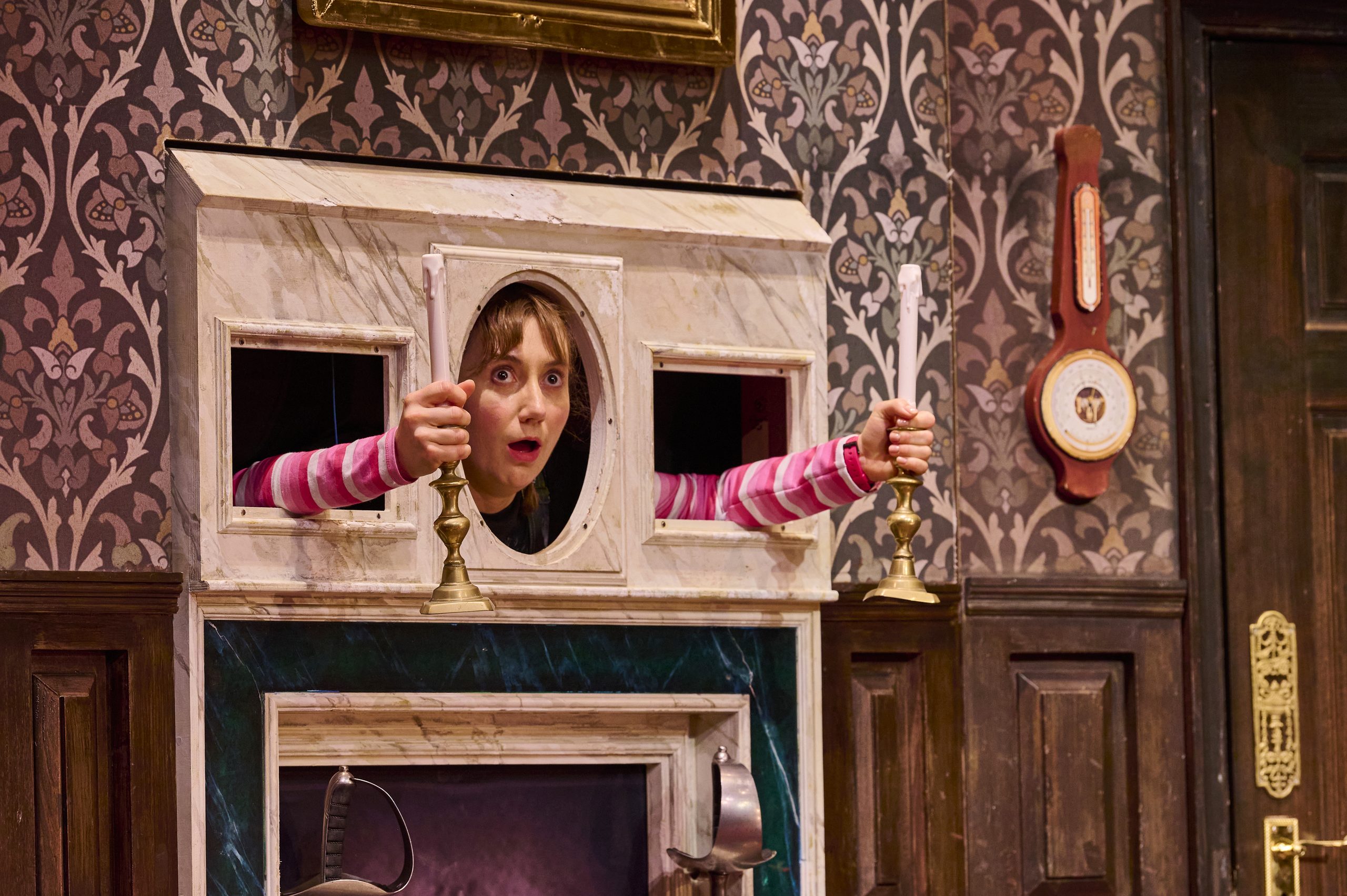
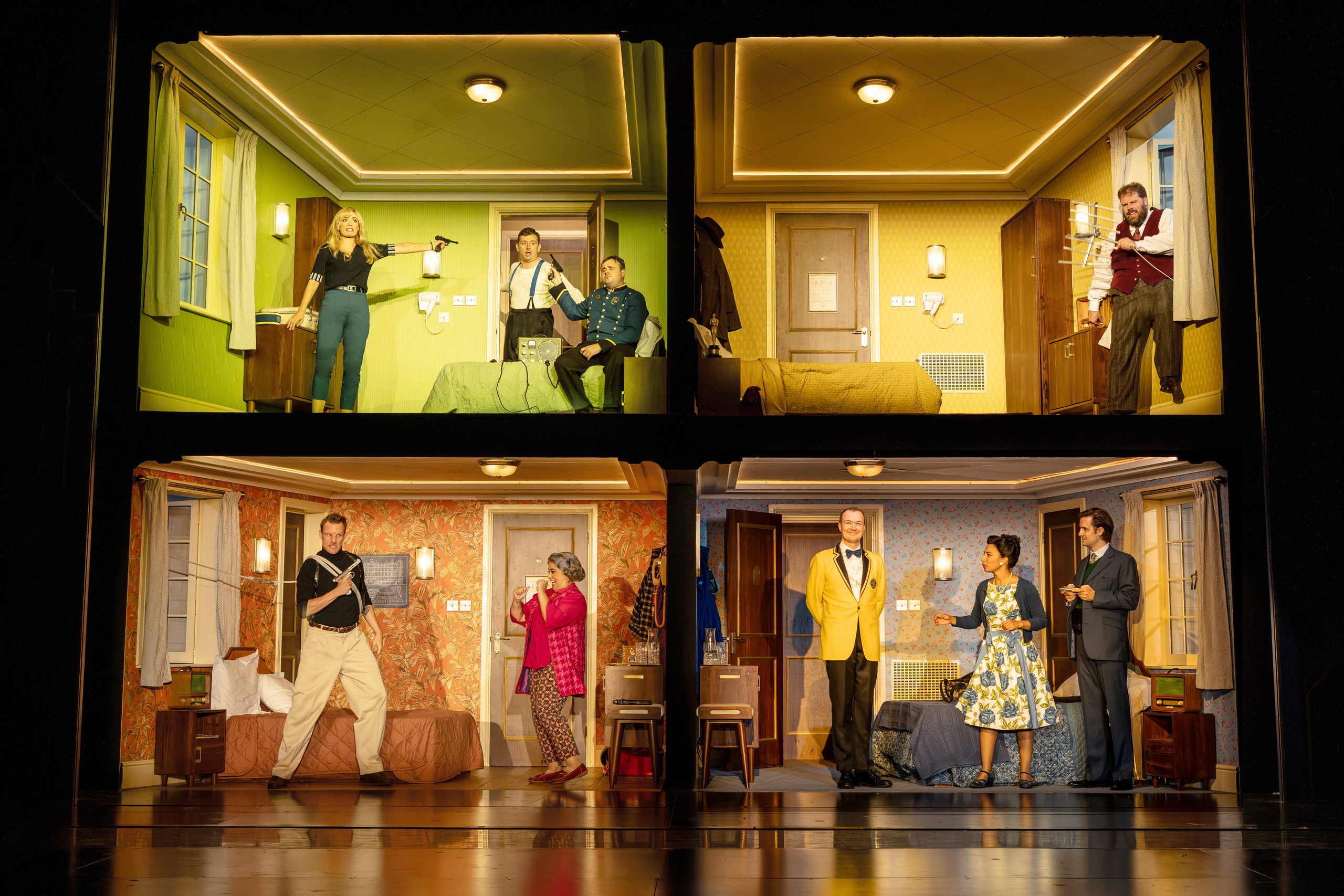
We wanted to make a strong genre piece. The Comedy About a Bank Robbery is set in America, and we wanted to do something based here. The initial spark came when we visited Budapest to see a replica production of The Play That Goes Wrong. On a walking tour, we heard about a hotel that had been stripped out and found to have dozens of microphones hidden in its walls. Lots of diplomats had stayed there during the Cold War, and there had been all this Soviet spying going on.
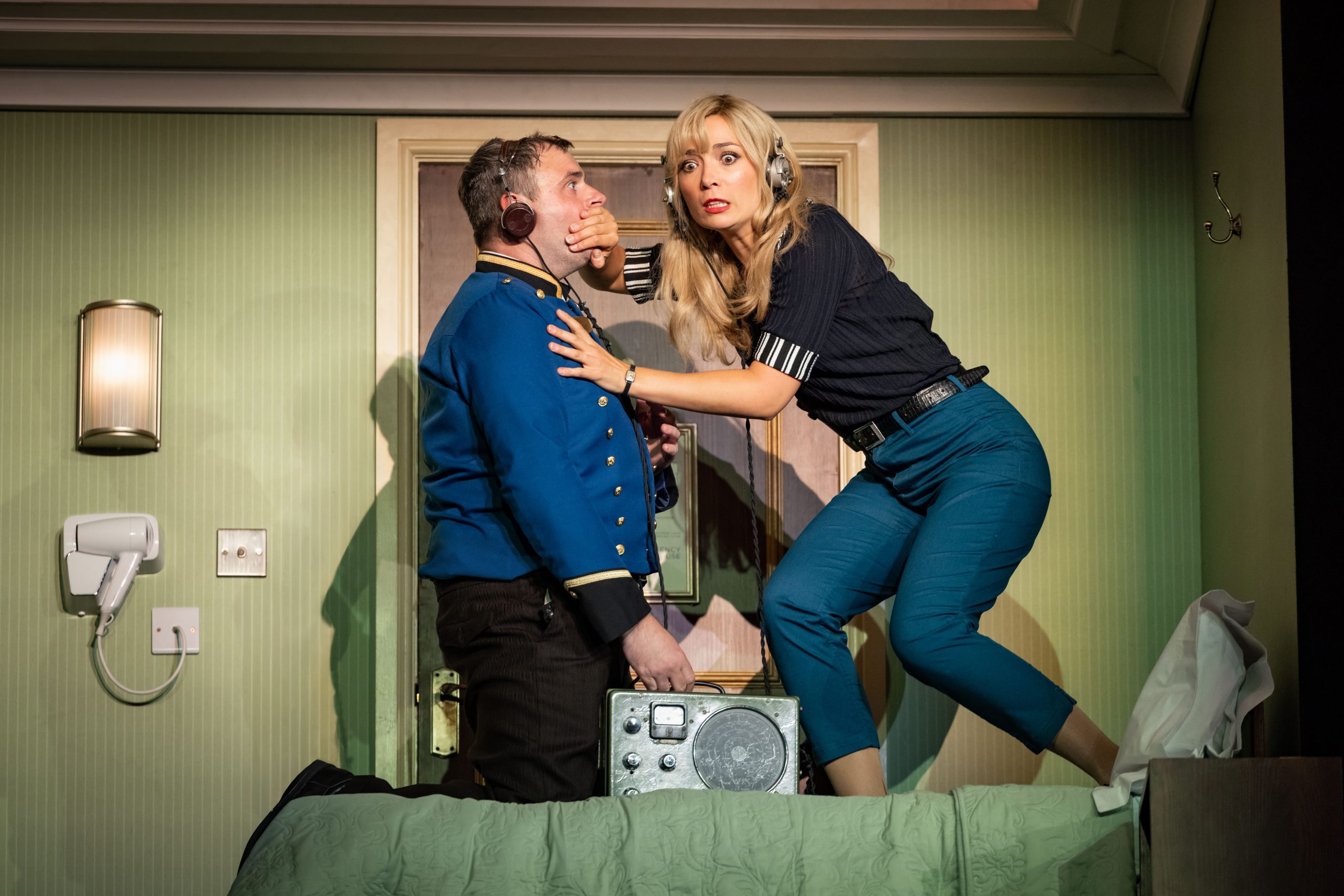
We thought that a hotel where all the rooms were bugged could be a really fun setting for a farce. That led to the idea of showing several bedrooms at once. Farces often take place in a single room, so having four interconnected spaces felt like a step forward. The bugging became a device that allowed us to connect everything happening across them.
Why did it take around four years to reach the stage?
That is roughly how long a big show takes, especially when you are writing it around other projects. We started in late 2021, but then we were working on Mind Mangler, taking Peter Pan Goes Wrong to New York, and doing lots of other things. We had several readings and rewrites, then a major workshop in autumn 2024.
It was a significant workshop because we needed to build so much of the set, and we had to convince the producers to commit to that. Once we got it on its feet, finding a West End theatre happened very quickly. William Village from Delfont Mackintosh came to see us during the first week. We read the first half and described the second, and a couple of days later he offered us the Noël Coward Theatre. Taking longer at the script stage was valuable because it gave us time to refine it and take on several rounds of feedback.
Did the comic machinery come first, or were you building the characters and relationships alongside it?
We probably began with more of the comic machinery, but we always knew the characters would ultimately make the show fly. Those relationships changed a great deal during development. Douglas, the character I play, originally came to the hotel as a critic whose stay was being ruined. We realised it was more interesting to make him an actor auditioning for a spy film, because his lines could then be overheard and misconstrued.
Lance and Janet were not originally mother and son, either. They were simply two CIA agents working together, which was too similar to the dynamic between Sergei and Elena. Making them family gave us something much richer. That was a big moment of realising we had found a more interesting relationship.
Douglas has the confidence of James Bond and none of the ability. Was he designed to put you through as much physical humiliation as possible?
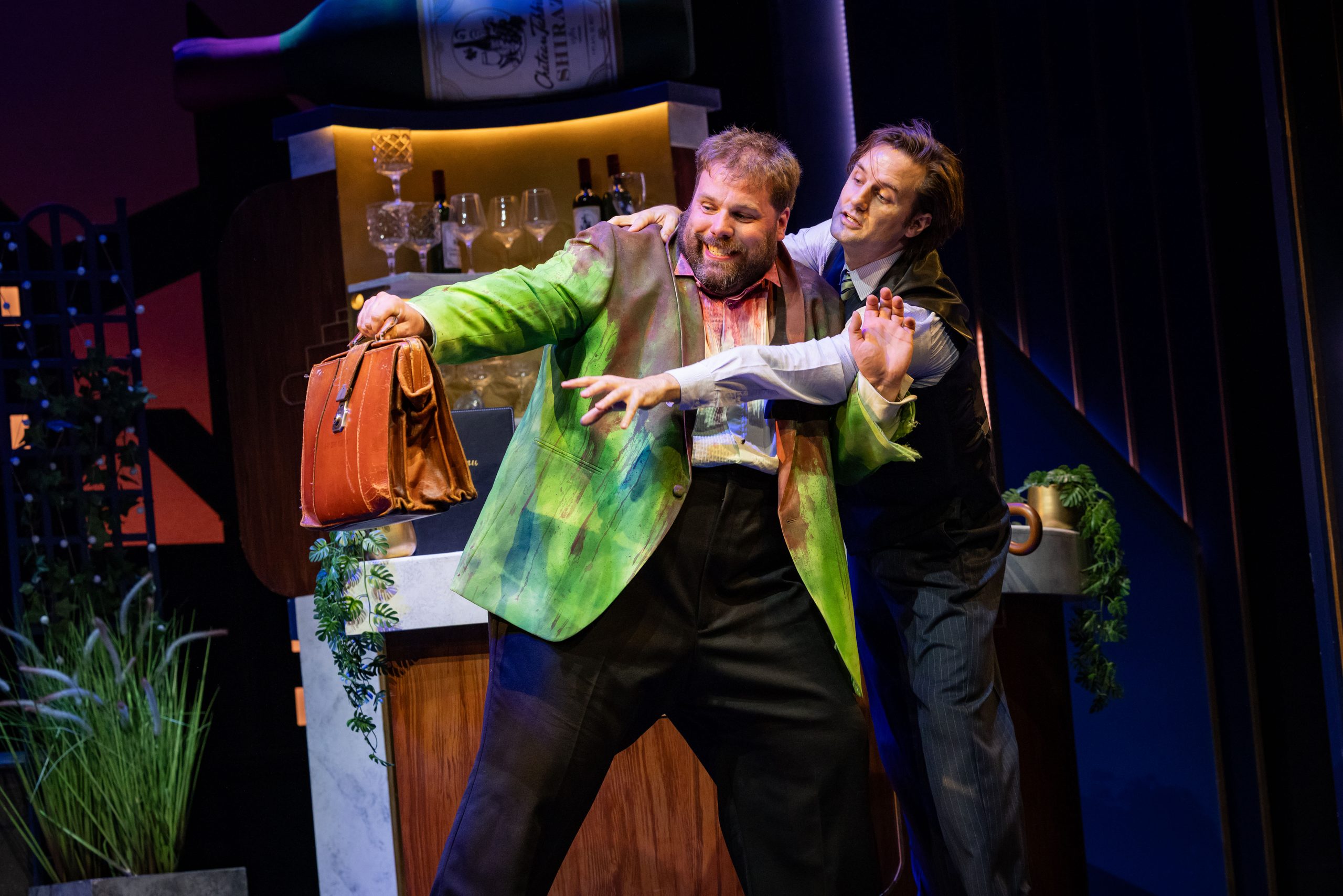
Not specifically, although getting stuck in a washing machine certainly became part of it. So many people tell me that is their favourite moment.
We initially had the more predictable idea that Douglas thought he was a major star but was not famous at all. It became much funnier when we decided he genuinely was famous, just not for the work he respected. He thinks people should recognise him, but not from the adverts he has done. He wants to be recognised for a schools’ tour of Shakespeare because that is the work he is proud of. That felt more truthful, and much more fun.
The original run sold out, won a WhatsOnStage Award, and received an Olivier nomination. What have you changed for the Adelphi?
We have adjusted the lift-shaft sequence and introduced a different flying system to make it more precise. There are a couple of new design elements and a few small rewrites, but we were very happy with where the show was at the Noël Coward, so we did not want to fiddle with it too much.
We have not had to scale it up dramatically for the Adelphi. If anything, the set felt slightly packed into the Noël Coward, so it has more breathing room now. The Adelphi has a strong Art Deco character, which sits beautifully with the design of the Piccadilly Hotel. It feels as though the show belongs there.
Bryony Corrigan has also joined us as Elena, which is brilliant as she played the role in the original workshop. A great deal of her input was already baked into the production, so she is returning to it rather than approaching it for the first time.
You and Jonathan Sayer are joining the MCU in VisionQuest. What can you tell me about that experience without Disney quietly making you disappear?
It was amazing. I had never worked on television at that scale before, so it was an extraordinary process. I learned so much about cameras, different types of shots, and how a set of that size operates. Being part of it for a few months was fascinating.
It was lovely doing it with Jonathan because we are very close and have worked together for such a long time. Having him there made something completely new feel oddly familiar, almost like a Mischief project. The characters were great fun to play, and I think what Terry Matalas has done with the series is really exciting. Whenever I received a new script, I was desperate to read the next one and find out what happened. The four directors all brought something different, and everything I have seen looks brilliant. I hope audiences enjoy watching it as much as I enjoyed being part of it.
You also create puzzle books and founded The Mystery Agency. Is there a connection between constructing a puzzle and building a farce?
Definitely. There is a lot of crossover in how visual information is presented. In a puzzle, you are thinking about how information is laid out on a page and how somebody will understand it. Physical comedy has to be understood visually in the same way.
With The Mystery Agency, you are often doing two things at once. You are telling a story while hiding fragments of information within a passage of text. Comedy works similarly. You might want to write a page full of jokes, but by the end of it, the audience also needs to understand who a character is, what they want, and where the story is going. The challenge is finding clever ways to blend those things together.
You and your friends have gone from making shows together at weekends to building one of the world’s most successful comedy companies. What still feels unfinished or exciting about Mischief’s future?
There is loads we would love to do and plenty in development that we are trying to get over the line. The area that feels unfinished is television and film. We made The Goes Wrong Show for the BBC, we have begun doing more live captures, and we have streamed improv shows, but there is much more to explore. Another comedy series or two, and perhaps a Mischief movie, would be really exciting next steps in the story.
The Comedy About Spies is playing at the Adelphi Theatre until 26 September 2026.
Christmas Carol Goes Wrong tours the UK from 27 October 2026 to 7 March 2027, including a West End run at Wyndham’s Theatre from 18 December 2026 to 23 January 2027.
Book tickets for all of these via mischiefcomedy.com
VisionQuest premieres on Disney+ on 14 October 2026
Words by Nick Barr
Featured image by Mark Senior