In today’s animation world, the high-level artistic storytelling required to bring a story to screen depends on technical expertise to make it happen.
Production pipelines traditionally draw a firm line between the artists keyframing frames on timeline displays and the software engineers writing backend scripts. Yet, Los Angeles-based 2D animator, motion designer, and toolmaker Anna Huijun Wang is dismantling that divide.
Operating across cell 2D animation, 3D rendered environments, procedural graphics and generative AI pipelines, Wang has carved out a rare dual profile as both an internationally recognized filmmaker and an inventive developer of production utilities.
Her career bridges award-winning commercial campaigns — including work on HoYoverse’s Annie-nominated Natlan Impressions trailer and Airbnb’s Webby-winning “Get an Airbnb” campaign — with software toolmaking used in active production.
“Studio pipelines are necessarily standardized to make production efficient,” Wang explains. “But standardization means tools are built for the average case, and a lot of the interesting work is not the average case. There is usually a specific setup a project needs where no single tool exists, so you end up stacking four or five effects. It’s fragile to change and eats production hours. Every studio works differently, so if you want a tool that fits how your team works, you build it.”
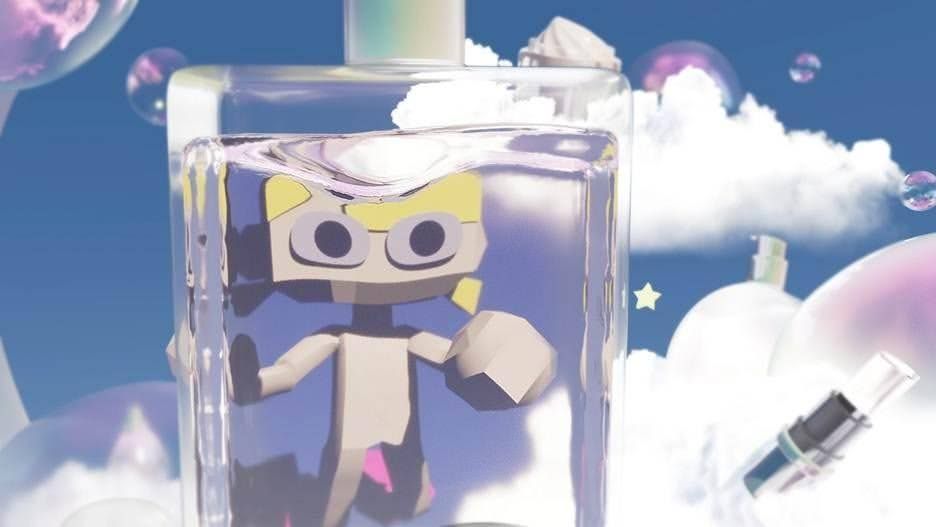
When existing commercial software falls short of real-world physics, Wang builds custom plugins directly. Her recently released plugin, GlassFX, was developed to solve a persistent visual problem in digital compositing: replicating Apple’s complex Liquid Glass distortion effect in a single, non-destructive step.
Where traditional techniques stack displacement maps and blurs to push pixels sideways evenly, Wang approached the problem through pure optical physics. GlassFX derives a curved squircle surface directly from a shape’s outline, tracing light refraction using Snell’s law through the physical thickness of the glass. The result is a physically grounded render where light distortion, chromatic fringing, and magnification adjust dynamically with every frame—sparing motion designers’ hours of manual multi-layer maintenance during client revisions.
“Physical grounding is what makes an effect read correctly to the human eye,” Wang notes. “Real glass barely distorts at the very edge, peaks just inside, and settles into a clean magnified center. The practical advantage is that GlassFX derives from the shape every frame without needing to bake or re-rig. For a motion designer, the saving isn’t only initial setup—it’s saving every subsequent revision.”
Wang’s software innovations extend into production efficiency workflows. In response to constant copy and voiceover changes in commercial production, she engineered an in-house AI-assisted lip-sync pipeline. By generating mouth shapes directly from audio feeds and compositing them automatically in After Effects, she transformed dialogue revisions from time-consuming frame-by-frame redraws into rapid audio file swaps, delivering dramatic time and budget savings during high-stakes commercial campaigns.
As generative AI and machine learning continue to reshape post-production, Wang maintains a pragmatic, creator-first approach to new technologies. She frequently experiments with Model Context Protocol (MCP) integrations—connecting large-language AI models directly into 3D environments like Blender via open-source connectors.
Rather than relying on automated tools for aesthetic choices, Wang utilizes AI to remove repetitive administrative friction. By leveraging natural language processing to construct complex node structures and initial scene foundations, she lowers the steep documentation barrier associated with advanced 3D APIs while preserving complete creative control.
Wang is developing a proprietary AI-assisted video editing application designed to democratize high-level post-production tasks, such as automated subject tracking and background isolation, for everyday digital creators.
“Technology is good at scaffolding: setting up node structures, building base scenes, and handling tedious setups,” Wang said. “The judgment stays with the artist; the tedium moves to the machine. Lowering the barrier for technical capability is essential, because the hard part in this industry should always be starting, not finishing.”
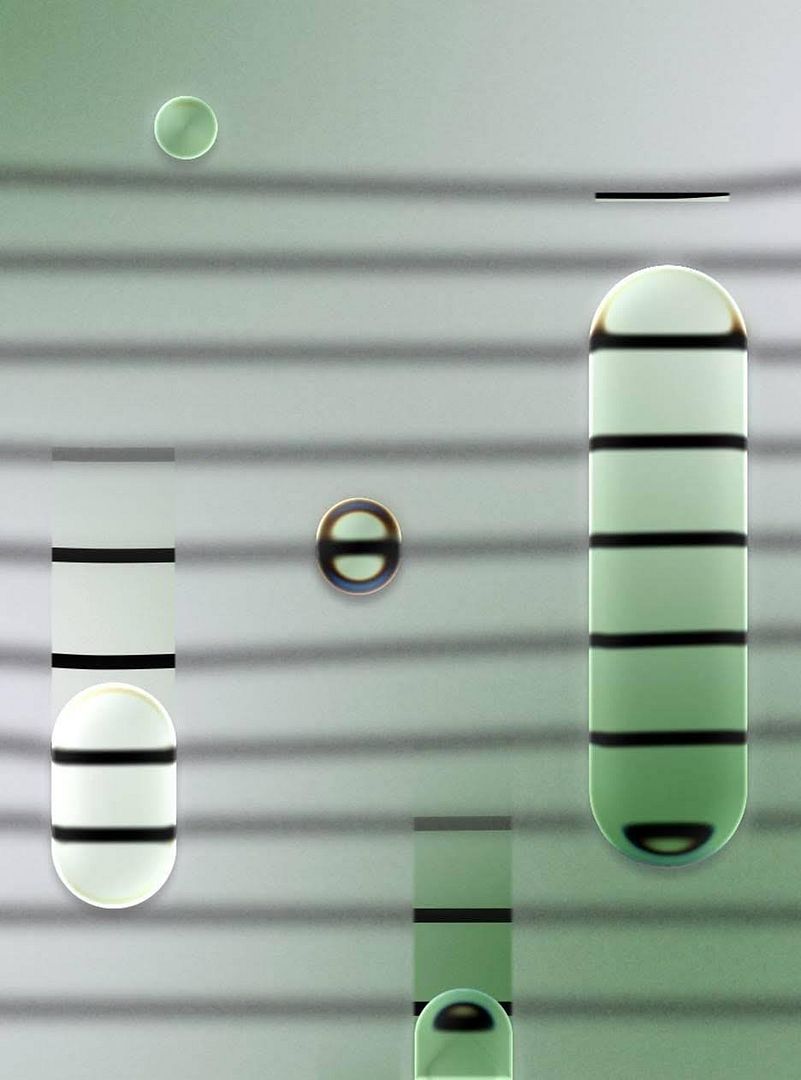
Beyond her software developments, Wang’s independent directorial work has earned widespread acclaim across global film festivals and museum exhibitions. Her award-winning short films including OROBORO and Starry Night explore profound philosophical themes of identity, memory and structural impermanence through short-form storytelling with a painterly touch.
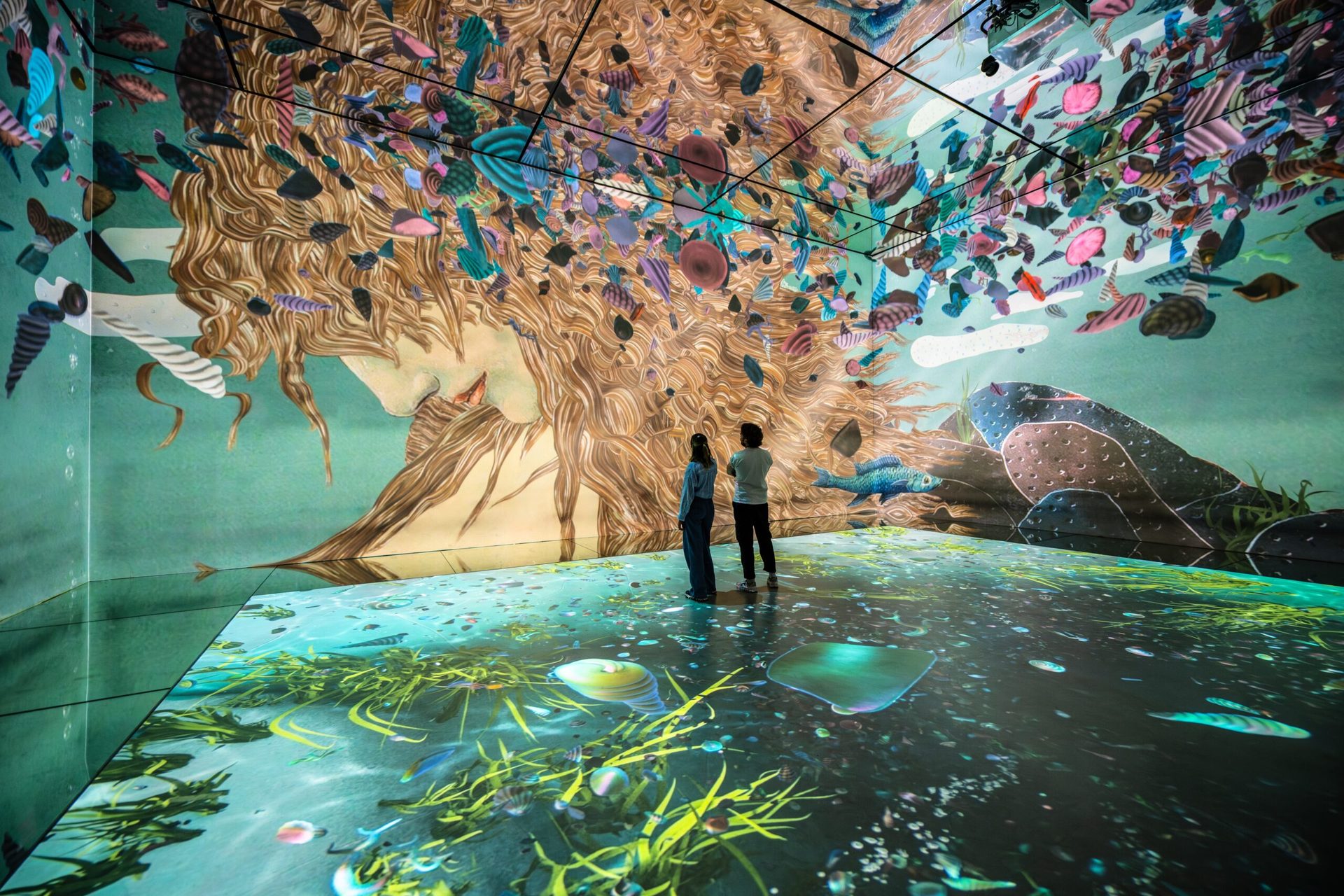
OROBORO earned major international honors, including a MUSE Creative Awards Gold, a Telly Award, and Motion Design Awards’ Video of the Day, while Starry Night was selected out of 735 global submissions for “The Screen” mapping open call at OFFF Barcelona digital art festival, where it was projected onto the façade of the Disseny Hub Barcelona.
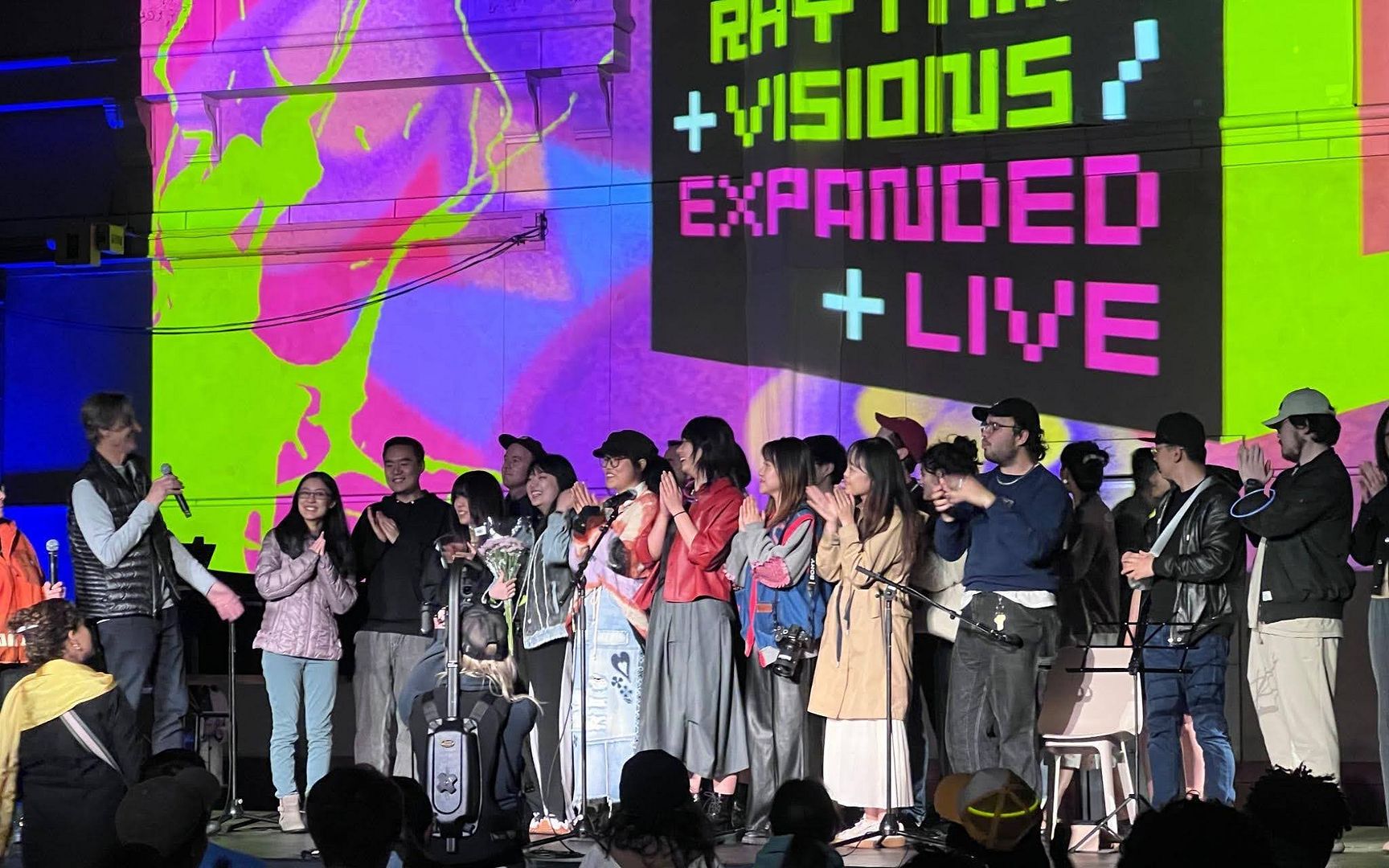
Her spatial animation work has also been exhibited in Wired for Wonder at Kidspace Children’s Museum (developed in collaboration with the Getty Museum for PST ART) and projected across architectural landmarks for USC’s Rhythms + Visions public art initiative.
For Wang, the mathematical logic of toolmaking and the emotional resonance of directorial filmmaking stem from the exact same core concept: rendering hidden patterns visible.
“I frame personal subject matter through systems and patterns,” said Wang, who has a BFA in Film from NYU’s Tisch School of the Arts and an MFA in Animation from the University of Southern California’s School of Cinematic Arts. Wang also serves as a National Active member of the Television Academy’s Motion & Title Design peer group.
“Sound is a wave, light is a wave, and a body moving through space has a cadence,” she adds. “Animation is the medium where motion becomes a literal rhythm you can see. I don’t think of a self as a fixed object, but rather a pattern that holds its shape for a while; like a wave in the ocean. Making a film about identity and making a film about rhythm turn out to be the exact same project.”
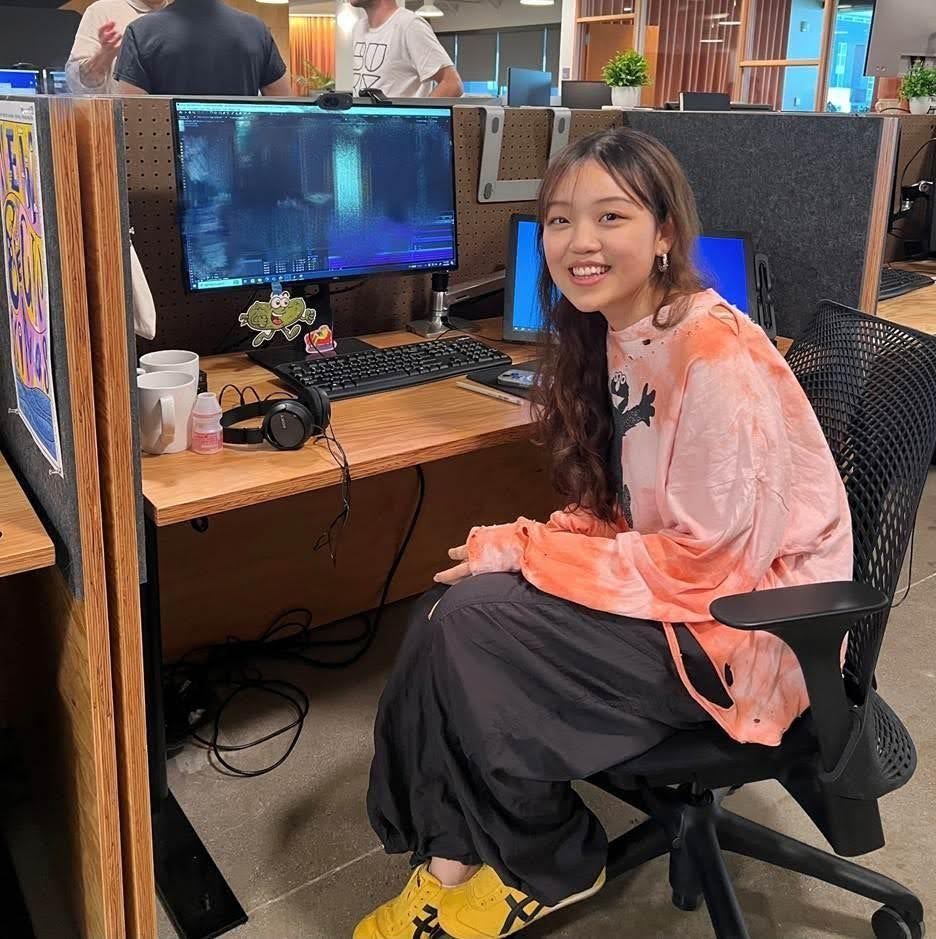
Wang has been a go-to invited guest speaker and portfolio reviewer at the USC School of Cinematic Arts, as well as an active industry mentor. She regularly advises emerging animators on navigating an increasingly automated media landscape, and how to thrive, not just survive it.
She has built a reputation of combining rigorous technical literacy with an uncompromising artistic vision, and continues to pioneer new software tools and visual paradigms. Her work proves that the future of motion design belongs to creators who do not merely adapt to existing technology, but actively engineer the tools required to bring their visual visions to life.
But while digital tools have made high-level animation execution more accessible than ever, Wang cautions against the cultural trap of visual homogenization caused by algorithms and trend cycles. Independent thinking and innovative ideas are still core to her creative process.
“My honest fear about this moment is homogenization,” Wang said. “AI models are trained on what already exists, and social media rewards what has already performed.”
As she explains: “Between those two forces, it is easy to make a slightly smoother version of something that already exists—which is competent, but boring. The antidote isn’t technical, it’s personal. The specificity of your own lived experience is the one input that isn’t in a training dataset.”
Words: Nadja Sayej
Photos: Courtesy of Anna Huijun Wang