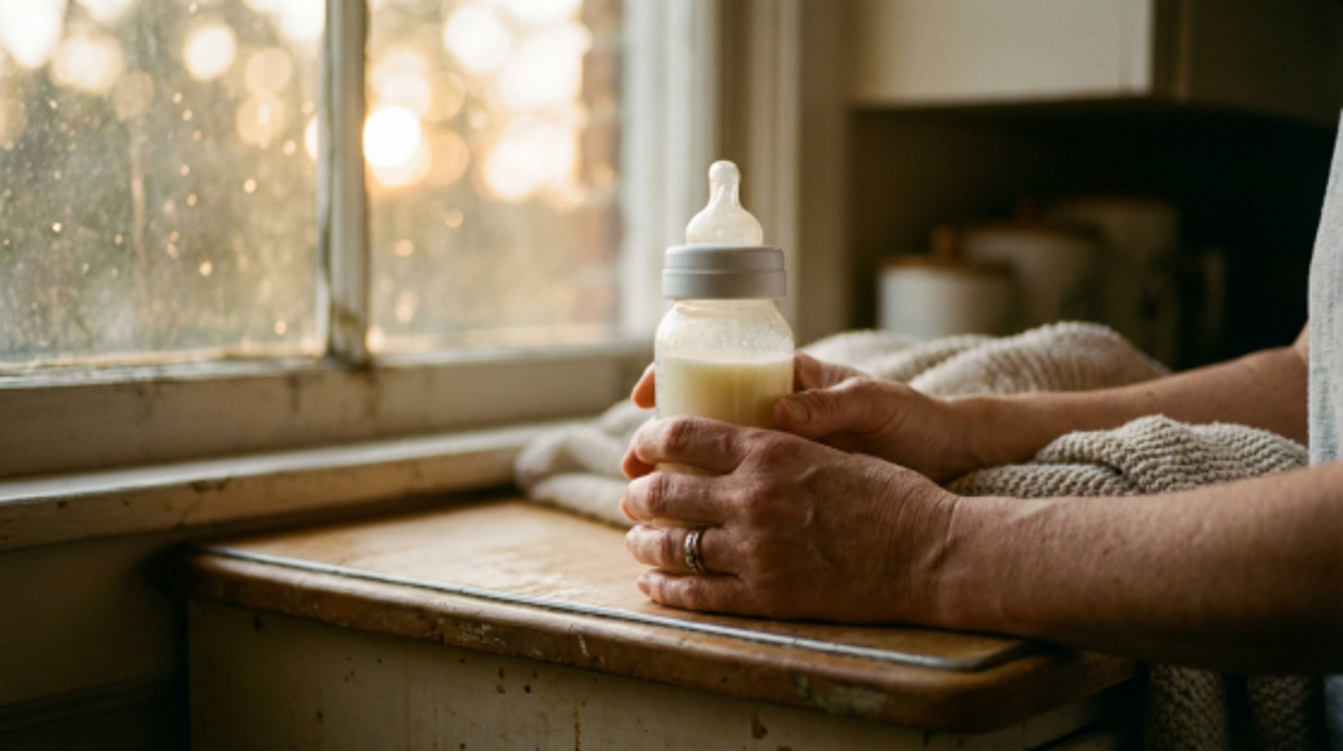
Gentle, controlled bottle warming can help protect breast milk nutrients while making feeds safer and more consistent.
Are you in the kitchen half-awake with a hungry baby and a bottle that feels too cold, then suddenly too hot? Parent use reports and hands-on testing show many warmers can bring refrigerated milk into a feeding-ready range in about 5 to 11 minutes, while weaker temperature control can overshoot. A practical routine can reduce guesswork during stressful feeds.
Why the Warming Method Matters
A bottle warmer heats milk more evenly than a microwave, and the core safety baseline is to avoid heating milk in a microwave. Microwave heating can create hot spots that may burn your baby’s mouth and push parts of milk above a gentle temperature range.
A gentler approach is usually a water-bath cycle, and water-bath mode is often described as slower but better suited to breast milk. In practice, slower can be smarter: warming to about 98°F to 99°F is usually the target, while aggressive heat above about 104°F increases nutrient-loss risk.
During overnight feeds, one pattern is common: the fastest cycle is not always the fastest way to feed.
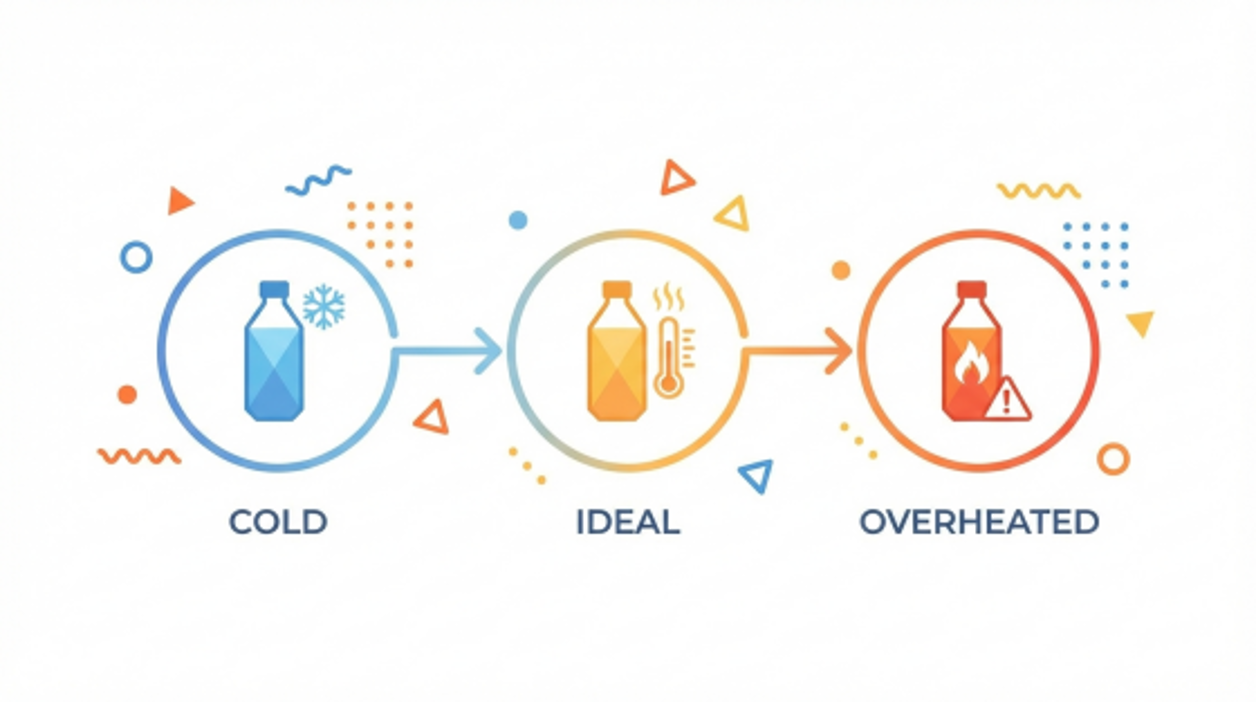
If milk overheats, you wait for it to cool, check again, and start over while your baby gets more upset.
What Nutrient-Preserving Warming Looks Like in Real Life
Independent comparisons matter because product claims can sound similar, and 15-plus temperature and timing tests found large differences in overheating risk, consistency, and temperature drift. Some units stayed predictable near body-temperature targets, while others were more likely to run hot or warm unevenly.
| Warming style | Typical speed from refrigerated milk | Nutrient-protection profile | Best fit |
| Gentle water-bath mode | Often around 5 to 11 minutes | Better control and fewer hot spots when cycles are accurate | Regular breast milk feeds at home |
| Steam-quick mode | Can be as fast as about 2.5 to 3 minutes | Faster response but higher overshoot risk on small volumes | Urgent feeds when you closely monitor temperature |
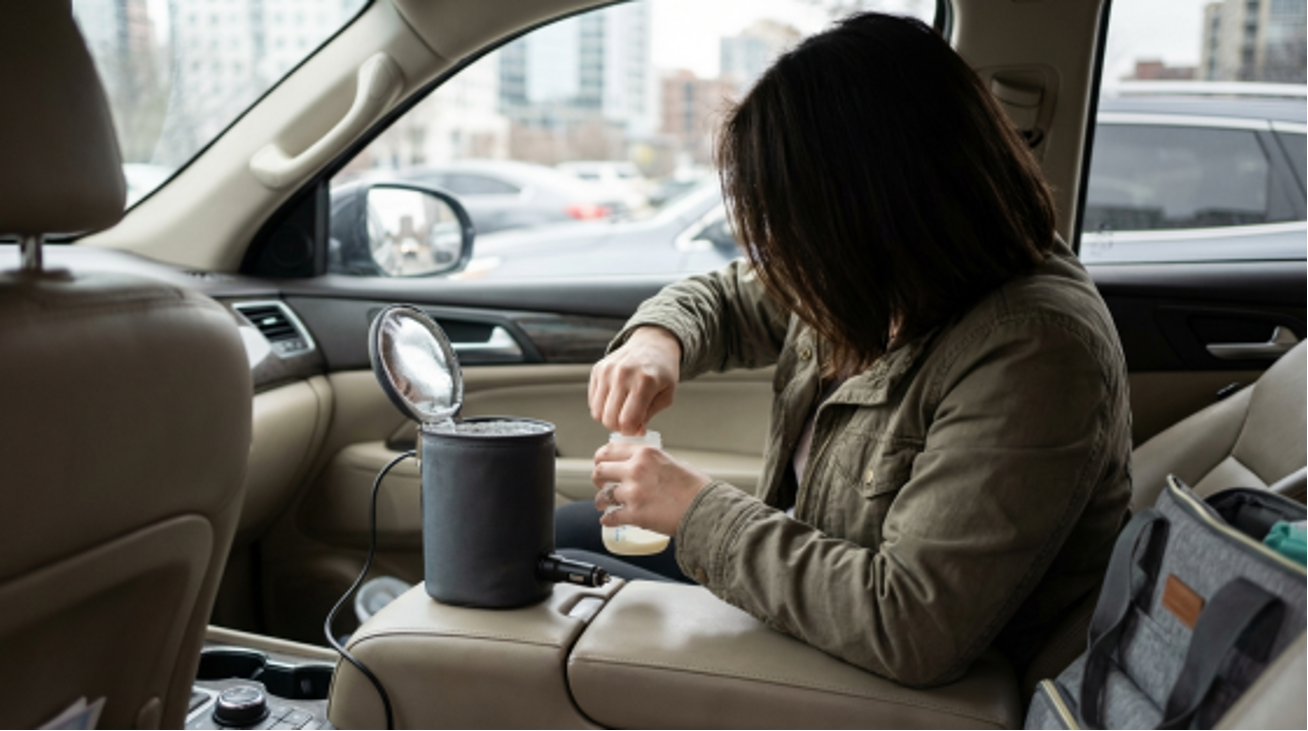
| Portable controlled warmer | Commonly about 3 to 5 minutes for smaller volumes | Can be excellent if presets are accurate and the build resists leaks | Car rides, travel days, daycare transitions |
Results can vary by test setup: claims that steam warmers can damage proteins are strong, while independent reviewers often report mixed outcomes based on bottle material, starting milk temperature, and volume. When sources disagree, they are often testing different bottle sizes, different starting temperatures, or different internal measurement methods.
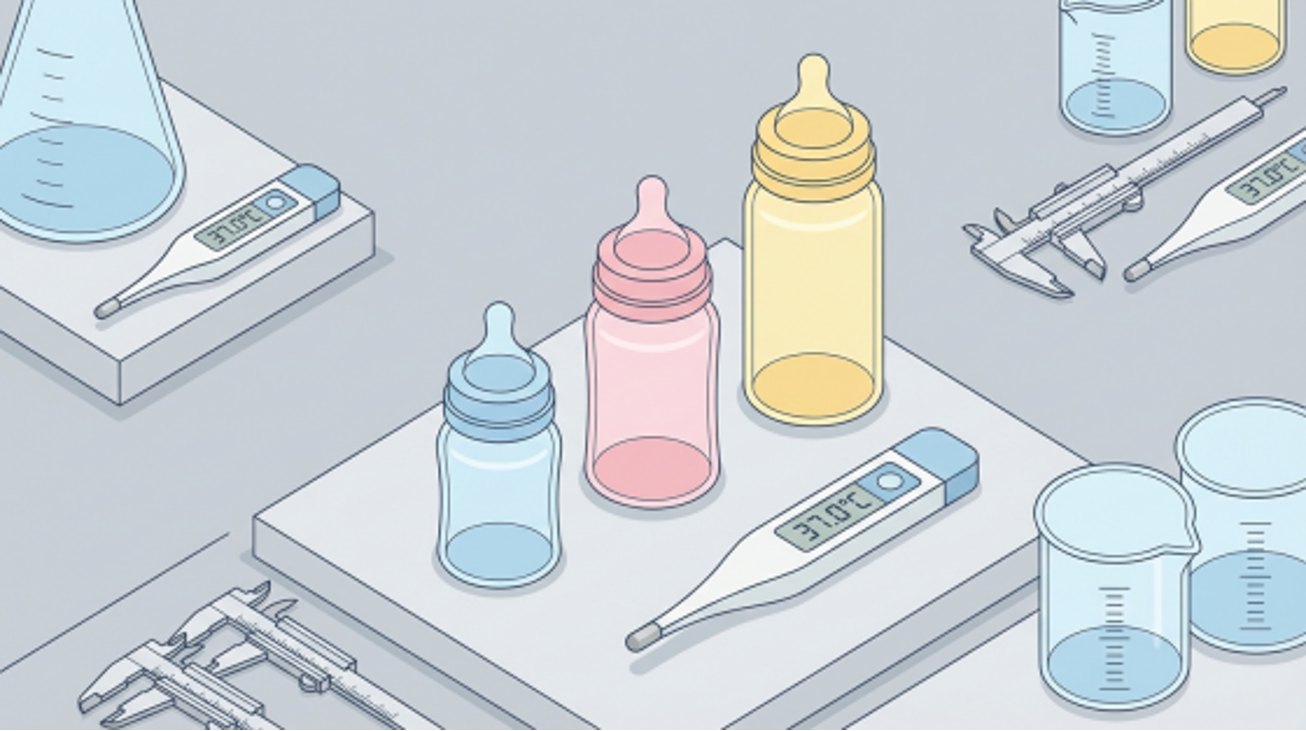
Choosing the Right Warmer for Your Routine
You do not need every feeding gadget before birth, and no tool is universally required for every breastfeeding pair. If you mostly nurse directly and rarely offer bottles, a warmer may be occasional convenience. If you pump daily, share feeds with a partner, or thaw milk often, it becomes more useful.
For parents who are away from home often, portability can justify the added cost, and one hands-on review warmed cooled milk to 98°F in a little over 3 minutes. The time adds up: saving even 3 minutes across 5 warmed bottles per day gives you 15 minutes daily, or about 1 hour and 45 minutes each week.
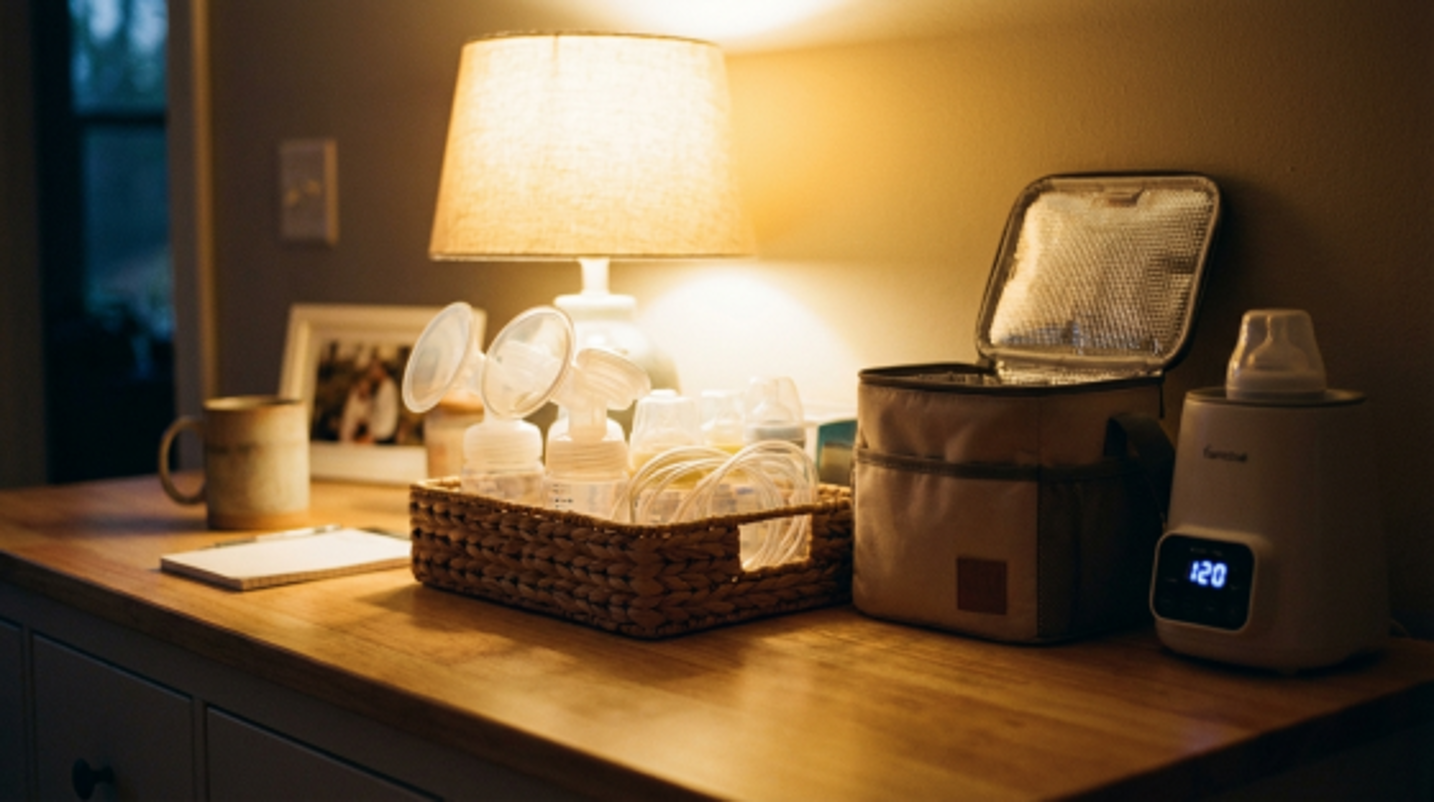
Budget tradeoffs are real, and the price range from about $19 to $100 reflects very different performance. Lower-cost units can work for occasional use, but many families benefit from better consistency, auto shutoff behavior, easier controls, and broader bottle compatibility.
How to Use a Warmer to Protect Nutrients Every Time
Consistency starts with your process. Follow your warmer’s instructions, choose the gentler mode for breast milk, start with a known milk temperature, select the right bottle-size setting, and aim for near-body-temperature milk instead of “as hot as possible.”
Storage and transport habits also protect milk quality, and an insulated cooler bag with ice packs helps when you pump at work or commute. A smoother workflow reduces rushed reheating and repeated warm-cool cycles.
Day-to-day logistics matter more than many parents expect, and keeping a second set of pump parts often prevents late-night cleanup marathons and rushed shortcuts. When your system is set up, you are less likely to overheat milk out of urgency.
A Warmer Works Best With Broader Postpartum Support
Feeding success is rarely about one product alone, and targeted supplies can reduce pain while improving positioning, comfort, and overnight flow. A supportive chair setup, good lighting, nearby hydration, and realistic expectations make warmer use feel like part of a calm routine, not another task.
Education remains a high-impact tool, and an IBCLC-authored pocket guide can complement lactation support when latch, transfer, or pumping plans become more complex.
FAQ
Do you need a bottle warmer if you mostly nurse directly?
Most families can buy fewer items before birth and add tools based on real need. If bottles are occasional, a warmer is mostly convenience; if bottles are frequent, it can improve consistency and reduce stress.
Is a faster warmer always worse for nutrients?
Not always, but fast warmers can overheat more easily when controls are limited or settings do not match bottle size and starting temperature. Speed helps only when temperature control stays predictable.
Can portable warmers still be nutrient-conscious?
Yes, especially when portable models with stable presets and travel-friendly design are cleaned carefully after each use. The key is accurate control plus leak-resistant construction, not portability alone.
A breast milk warmer works best as a routine tool, not a miracle gadget. Pair gentle heating with good storage habits and lactation support to protect nutrients and make feeding more manageable for both you and your baby.