The entertainment industry has always rewarded those with access—access to studios, budgets, production teams, and industry connections. For emerging musicians, independent filmmakers, and fashion creators, producing professional visual content often meant choosing between creative compromise and financial strain.
Artificial intelligence is rewriting these rules, putting cinematic production capabilities directly into the hands of creators themselves.
The Visual Demands of Modern Entertainment
Today’s artists don’t just make music—they build visual worlds. A debut single needs a compelling music video. A fashion collection requires campaign imagery. An independent film needs promotional content. Social media demands constant visual engagement.
The gap between what audiences expect and what emerging talent can afford to produce has historically been enormous. Studio-quality videos cost tens of thousands. Professional shoots require crews, equipment, and locations. The barrier to entry kept countless talented creators from reaching their potential.
AI Tools Democratizing Visual Production
Seedance 2.0 represents a fundamental shift in what’s possible for independent creators. The AI video generation platform transforms text descriptions into dynamic visual content—allowing artists to realize concepts that would otherwise require professional production teams.
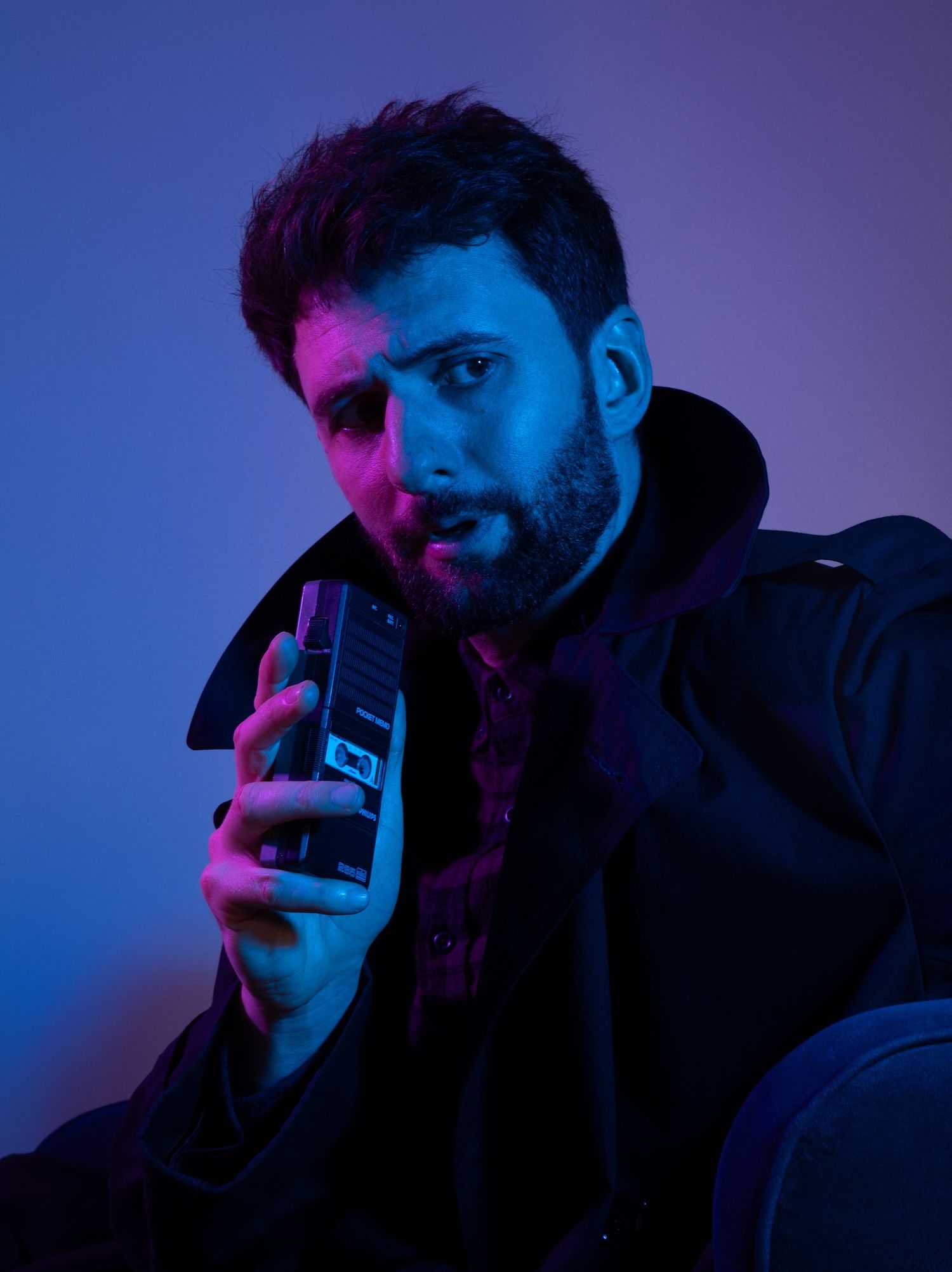
For musicians, this means visualizing songs without massive video budgets. Describe the aesthetic, the mood, the narrative—and watch it materialize. For fashion creators, campaign concepts come alive without booking studios and crews. For filmmakers, pitch materials and concept videos become achievable during development phases.
The technology doesn’t replace creative vision—it amplifies it. Artists maintain complete control over concepts while AI handles the technical execution that previously required specialized expertise.
Emerging Talent Finding New Pathways
The most exciting applications come from artists at the beginning of their journeys. Independent musicians can build visual identities before signing deals. Fashion designers can present collections with professional-quality videos. Content creators can produce work that competes visually with major productions.
This accessibility matters because visual content often determines who gets discovered. Algorithms favor video. Streaming platforms highlight visual artists. Social media rewards dynamic content. When emerging creators can match the visual quality of established acts, discovery becomes about talent rather than resources.
Beyond Music and Film
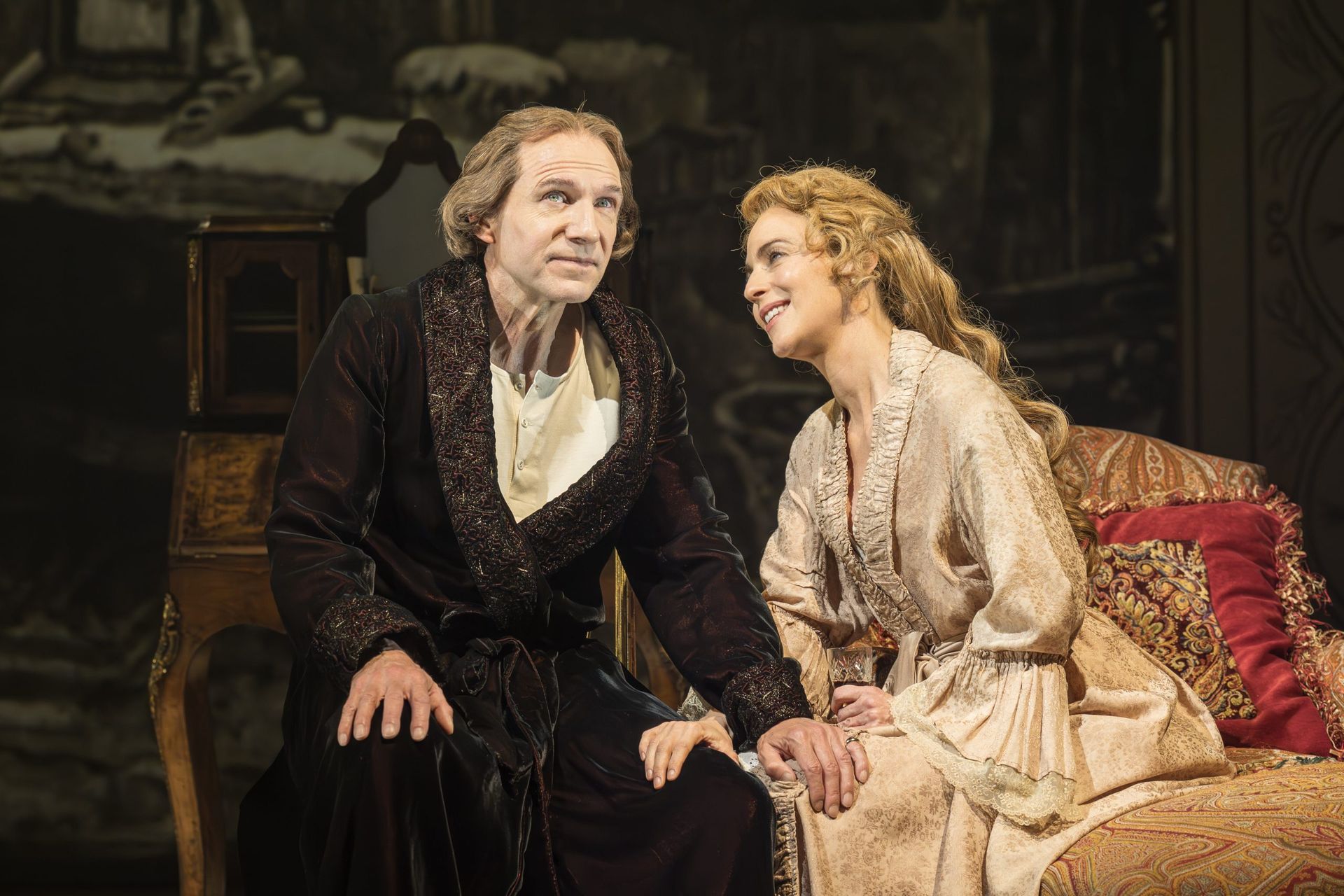
The applications extend across creative industries. Theatre productions create promotional content. Visual artists document and present work. Photographers expand into motion. Writers visualize stories for pitches. The traditional boundaries between visual and non-visual disciplines blur when video production becomes accessible.
The Future of Creative Independence
What we’re witnessing is the early stages of a significant shift in creative industries. When production tools democratize, power redistributes. Artists who previously depended entirely on industry gatekeepers gain independence. Fresh voices reach audiences without traditional validation.
The technology will continue evolving, but the direction is clear: professional-quality visual content is becoming accessible to anyone with compelling creative vision.
The future belongs to creators who embrace these tools early.
Your visual story is waiting to be told. The only question is whether you’re ready to tell it.