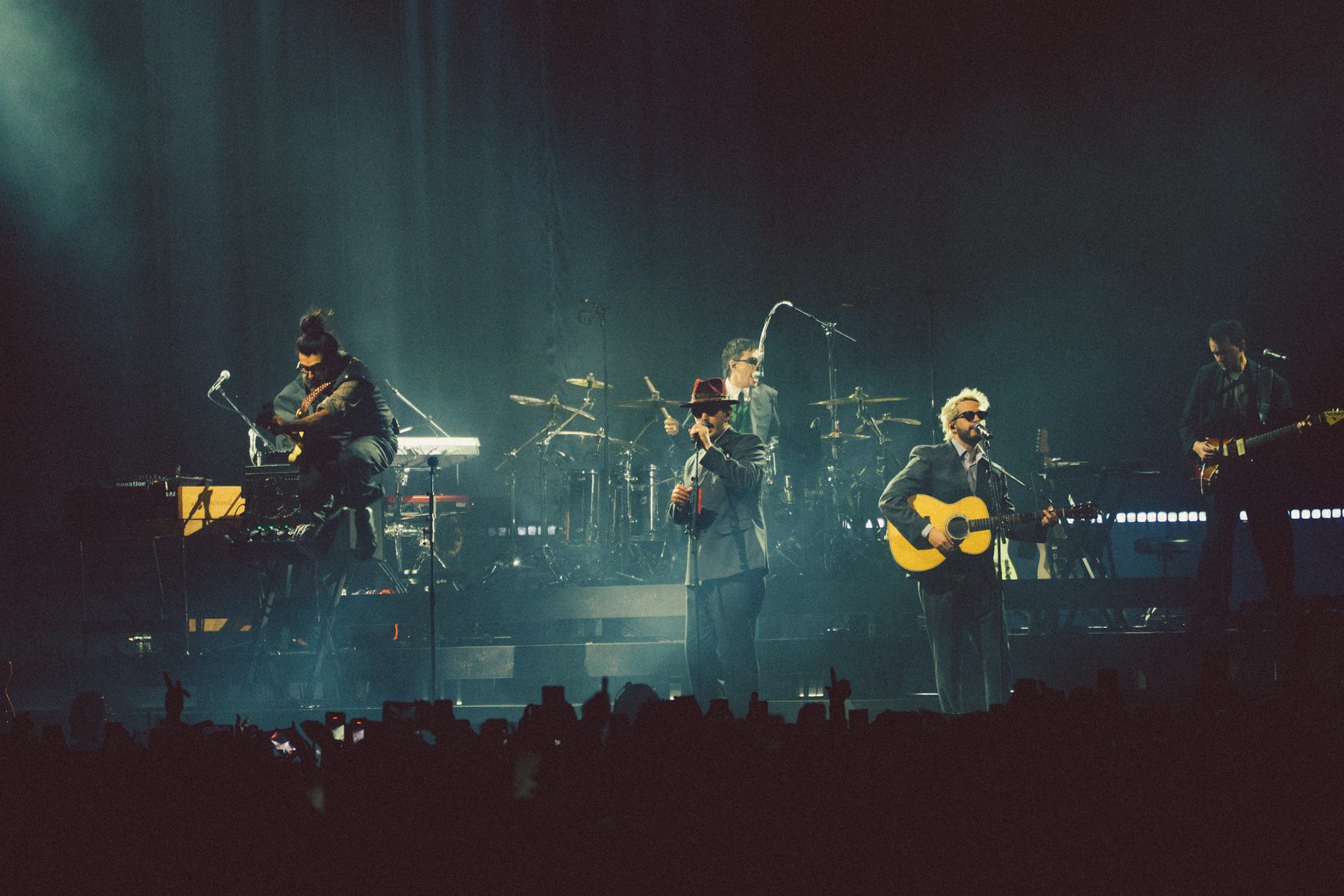
Music can make a moment at a sporting event stay with you forever: the bass music before the kickoff or the chorus after a championship goal, or the song that energizes an athlete’s last training session. Sports isn’t just about stadium anthems anymore, but rather an intertwined culture that involves streaming, fashion, gaming, ownership and performances across the globe.
It’s all about the calculated risk, the competitive story and the jaw-dropping victories in both industries. That is why fans who look at sport’s latest predictions can see the same hallmarks of the same strategic thinking in record labels picking soundtracks, artists forming sporting connections and leagues picking entertainers. In this article, we’ll take a look at how those games have brought artists, athletes and fans together today.
Beyond the Jock Jams: The new playbook for music-sports collaborations
Queen’s hit “We Will Rock You” is the template from which all others have been copied: simple rhythm, communal chant and instant stadium impact. But today music and sports partnerships aren’t just about licensing a well-known song. Social platforms enable musicians to be seen as supporters, athletes to become tastemakers, and clubs to be cultural currency and merchandise and global attention.
But now an artist’s sporting identity can affect how he or she is styled on tour and the sponsorship value. Meanwhile, groups strum more youthful, more international, and more culturally competent tunes. The connection isn’t just background entertainment anymore, it’s brand architecture.
The digital arena: How gaming and social media changed the game
From console to charts: The power of video game soundtracks
The FIFA series, which has since been renamed EA Sports FC, paved the way for the menu music discovery system. Its worldwide choices enabled listeners to connect football with alternate pop, digital music, rap, and different sounds from markets they may not have visited without it. Glass Animals’ ‘Heat Waves,’ originally released in June 2020, found a second life after its inclusion on the FIFA 21 soundtrack later that year, helping fuel the TikTok-driven viral wave that eventually pushed it into the global top five charts, showing how “a song can fit into millions of daily routines” through a sports game.
The NBA 2K music and Madden NFL soundtracks serve a similar purpose. Even J. Cole was featured on the cover of NBA 2K23 Dreamer Edition, where he’s no longer just a recording artist, but also a basketball player and gaming icon. For labels, placement gives them repeated exposure and activity from playlists and access to younger audiences without traditional radio.
Courtside and connected: The friendship-as-marketing phenomenon
The Toronto Raptors and the Drake case study stands out as the most obvious ones. In 2013, Drake was appointed the franchise’s ‘global ambassador’ and was instrumental in bridging the gap between OVO aesthetics and uniforms, themed games, community programs, and the OVO Athletic Centre. His response to things on the court also became social media gold during the Raptors’ run to title in the 2019 season.
In other parts, artists like Travis Scott can be seen courtside, working with sportswear brands and being seen as friends throughout the basketball world. Players regularly share their favorite rappers, go to concerts, and celebrate goals with popular tunes. The interactions are personal, but they can also form great cross-marketing opportunities when it comes to media. One photo can be shared in music, sport, fashion and fan accounts at the same time.
Lyrical athletes: How sports metaphors define success in music
The reason that hip-hop sports metaphors work is that competition is already part of both worlds. There’s a vocabulary for ambition in rankings, contracts, drafts, championships and comeback stories. It wasn’t like we needed Drake to explain the “Steph Curry with the shot” comparison for it to be understood. Thiago Silva was inducted into the title of a grime anthem by Dave and AJ Tracey, while Jack Harlow’s “Tyler Herro” was a reference to a rising NBA star for confidence and momentum.
The basketball talk was even brought up by Jay-Z, who has also referenced LeBron James and Dwyane Wade in other songs before, and it’s generally pretty authentic, as J. Cole has actually played professional basketball in Africa and Canada. This sort of sport reference in music is a familiar name for compression. Pressures, resilience, wealth or dominance can be conveyed in a way that goes beyond a paragraph of explanation simply by calling an athlete’s name.
From brand deals to boardrooms: The billion-dollar business of culture
The interaction of sound, style and commerce is the most obvious in sportswear. Puma’s athletic collection meets Rihanna’s fashion prowess in 2023 with the football-inspired Avanti, resurfacing Fenty x Puma. Pharrell Williams’ longstanding partnership with Adidas does something similar, with athletic silhouettes being transformed into objects for the listener with music-led storytelling.
Some artists go beyond endorsements. Usher has been an investor in the Cleveland Cavaliers since 2005, while J. Cole became a part of the ownership group of the Charlotte Hornets in 2023. These stakes provide access, influence and long-term financial potential. Meanwhile, teams attract investors with a knowledge of entertainment and audience building youth and global.
It’s a two-way street. The sport entity becomes relevant, the artist is given the legitimacy, product opportunities and proximity to the fan communities. The best partnerships are not just a well-known name next to a stamp. They create products, spaces and stories for fans to participate in.
The main event: Why the Super Bowl halftime show is still the pinnacle
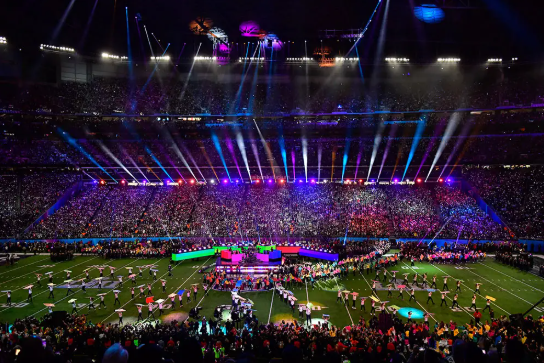
There’s no better platform to combine sports and music as dramatically as the Super Bowl halftime show. The Weeknd’s 2021 movie, Rihanna’s 2023 comeback, Usher’s 2024 worldwide tour and Kendrick Lamar’s 2025 appearance and Bad Bunny’s 2026 concerts all have transformed a football break into a worldwide cultural phenomenon.
The half-time can bring back catalogues, start fashion talk and make sure that an artist has a spot in pop history. The same force is seen globally, with Jung Kook performing ‘Dreamers’ at the opening ceremony of the 2022 FIFA World Cup and Lady Gaga and Celine Dion shaping the Paris 2024 Olympics opening.
Digital platforms have increased many times over the link between artists and athletes, yet live spectacle is its best symbol. Where music meets a pivotal sporting moment, fandoms merge, brands go into overdrive and a performance becomes part of the outcome that people will never forget after the scoreboard is long gone from the screen.