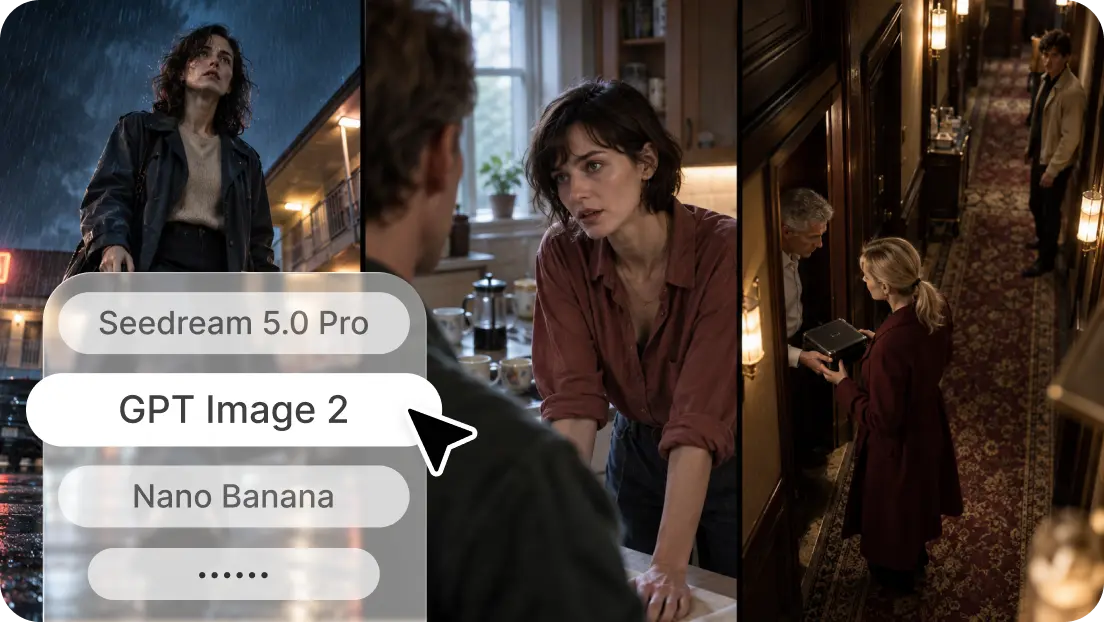
Fashion brands rely on visual storytelling to introduce collections, communicate their identity, and attract potential customers. From independent clothing labels to online boutiques, businesses need appealing images that show how garments, accessories, colors, and styling choices work together. A strong fashion campaign does more than display clothing. It creates a mood, communicates a lifestyle, and helps customers understand the personality behind a collection. As digital marketing becomes increasingly visual, fashion professionals are exploring creative ways to develop fresh campaign ideas while managing production time and budgets.
Creating fashion imagery often starts with a simple concept, such as a seasonal color palette, a particular fabric, a streetwear look, or an elegant evening collection. Turning that idea into a complete campaign requires decisions about models, locations, lighting, styling, and composition. An ai image generator can help designers explore visual directions before arranging a photoshoot, allowing them to compare creative possibilities and develop a clearer vision for their fashion projects.
For fashion businesses, the goal is not simply to produce attractive pictures. Every image should support the collection, appeal to the intended audience, and fit the brand’s wider marketing strategy. When creative planning and visual consistency work together, fashion campaigns can communicate their message more effectively across websites, social media, and digital advertising.
Understanding the Role of Visual Storytelling in Fashion
Fashion is closely connected to personal identity, culture, and self-expression. Customers often choose clothing because of how it makes them feel, what it communicates, or how it fits their lifestyle. Campaign imagery helps express these qualities by placing garments within a visual context. A collection of neutral linen outfits, for example, might be presented through natural light and understated backgrounds, while a bold streetwear collection may benefit from urban locations, energetic poses, and stronger contrasts.
A clear visual story also makes a campaign easier to recognize. When images share a consistent atmosphere, color scheme, and styling approach, they create a stronger connection between individual products and the brand itself. This consistency can be particularly valuable for businesses that publish content regularly and need their promotional materials to feel connected rather than unrelated.
Turning Fashion Inspiration Into a Creative Direction
Fashion inspiration can come from architecture, music, travel, vintage magazines, cultural influences, nature, and everyday street style. However, inspiration alone does not automatically create a workable campaign. Designers need to translate their references into practical choices about garments, accessories, silhouettes, colors, and photography.
Mood boards help organize these ideas into a visual direction. A designer developing a contemporary autumn collection might combine deep brown tones, textured knitwear, leather accessories, and warm architectural backgrounds. Another designer may choose a brighter direction with oversized silhouettes, contrasting colors, and playful accessories. Reviewing these elements together helps establish whether the concept communicates the intended message.
AI-assisted visuals can provide additional ways to explore a direction before production begins. Designers can compare alternative backgrounds, lighting conditions, and compositions while keeping the original campaign objective in mind. The strongest concept is not necessarily the most dramatic one. It is the one that presents the clothing in a way that feels appropriate for the brand and its customers.
Creating Campaigns for Different Fashion Audiences
A successful fashion campaign begins with an understanding of the people it intends to reach. Luxury customers may respond to refined styling, carefully controlled lighting, and an emphasis on craftsmanship. Younger streetwear audiences may connect more strongly with expressive poses, relaxed settings, and contemporary urban influences. Families shopping for everyday clothing may prefer practical styling and clear product presentation.
These differences should influence the entire creative process. The model’s styling, background, color choices, and image composition should reflect the audience rather than follow a generic fashion aesthetic. A campaign for professional clothing, for example, may focus on versatility and clean silhouettes, while a resortwear collection could emphasize movement, relaxed fabrics, and outdoor environments.
Brands should also consider how customers encounter the images. Someone browsing a product page may need clear views of the garment, while a person discovering the brand through social media may first respond to the campaign’s overall mood. Creating visuals for these different purposes helps businesses communicate both product information and brand personality.
Exploring Fashion Campaign Concepts With AI Image Generation
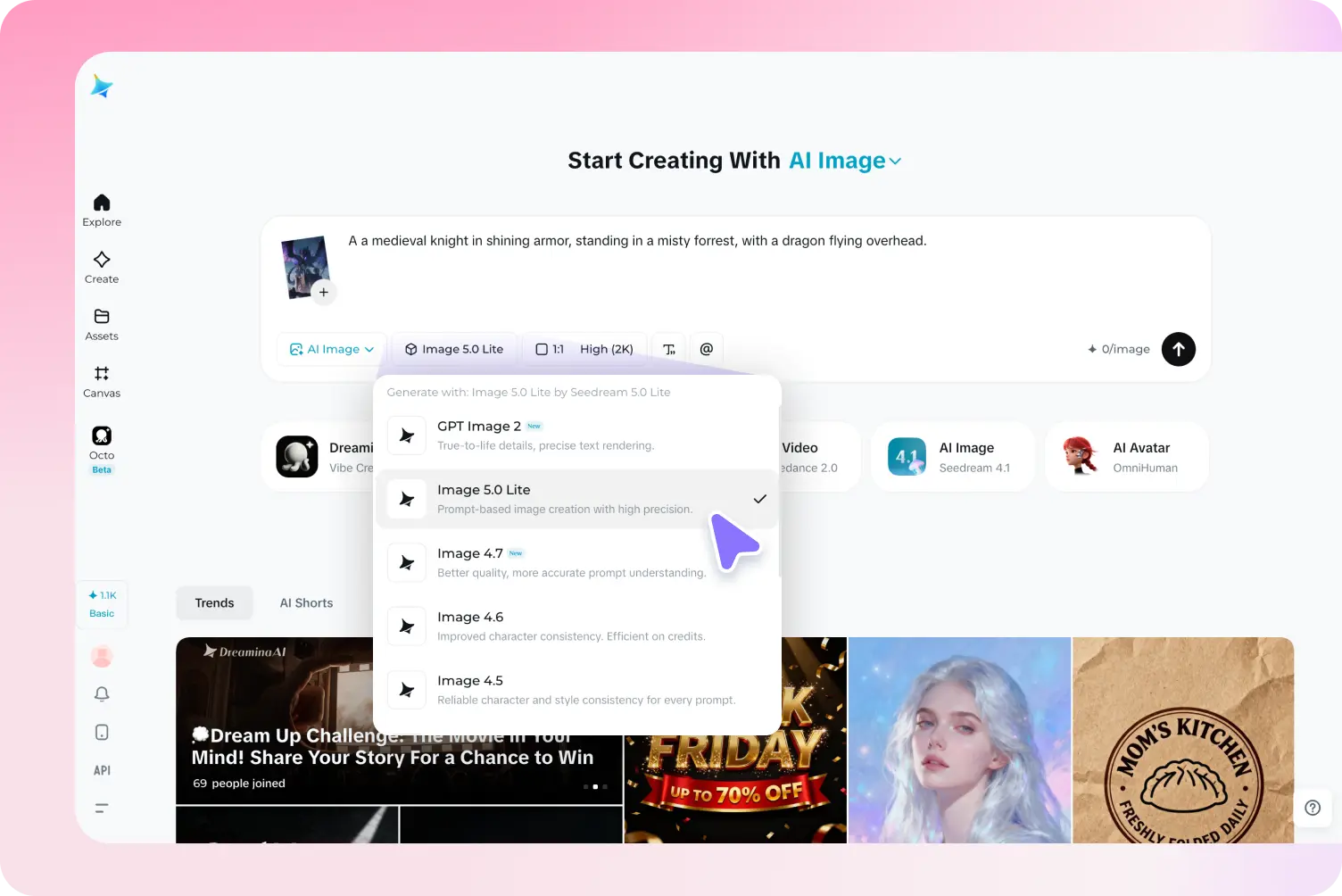
Fashion campaigns frequently require several visual options before a final direction is selected. A designer may want to compare studio photography with outdoor editorial imagery, test a monochromatic concept against a colorful setting, or explore different ways to present the same collection. online ai image generator can support this early exploration by helping creative teams turn written descriptions and visual references into concepts they can evaluate.
For instance, a brand preparing a new denim collection might explore a minimalist studio setting, a casual city environment, and a vintage-inspired editorial scene. Each concept communicates a slightly different personality. Comparing them can help the team decide which direction fits the target audience and the intended campaign message before investing in a full production.
The quality of the result depends partly on how clearly the brief is written. Useful details include the type of clothing, intended atmosphere, background, lighting, color palette, composition, and image format. Rather than including every possible detail in one description, designers can establish the central concept first and refine individual elements in later versions.
Generated images should still be reviewed carefully. They may change garment construction, introduce unrealistic accessories, distort patterns, or represent fabric in ways that would not occur in real life. For campaigns promoting actual products, the final creative direction should be checked against genuine garment references so the visual presentation remains accurate.
Designing Strong Visual Content for Fashion E-Commerce
Online fashion retailers need imagery that makes products easy to understand. Customers cannot touch a garment, examine its fabric directly, or try it on through a standard product listing. Images therefore play an important role in showing the clothing’s shape, color, details, and possible styling combinations.
Product photography and editorial imagery serve different purposes. Clean product photographs help shoppers evaluate the item itself, while lifestyle visuals demonstrate how it might fit into an outfit or occasion. A retailer selling a structured blazer could use straightforward images to show its shape and details, supported by lifestyle photography featuring different trouser styles, footwear, or accessories.
AI-assisted concept development can help retailers plan these supporting visuals, backgrounds, and promotional layouts. However, generated images should not misrepresent the products being sold. If a campaign image shows a different color, altered neckline, or invented pocket design, customers may receive an inaccurate impression. Real product photographs should remain the reference point for important purchasing decisions.
Building Consistent Fashion Content for Social Media
Social media gives fashion businesses opportunities to introduce new collections, share styling inspiration, and maintain regular contact with customers. Yet each platform and placement may require a different image format. A vertical story, a square feed post, and a wide website banner do not offer the same amount of space or visual emphasis.
Planning these formats together can help a brand maintain a consistent campaign while adapting the composition to each placement. A collection launch might include a main editorial image, close-up details of accessories, individual product features, and outfit combinations. Each asset can serve a separate purpose while following the same visual direction.
Brands should also avoid relying entirely on short-lived trends. Trend-inspired imagery may attract attention, but a campaign becomes more recognizable when it reflects the brand’s own style. Consistent colors, thoughtful styling, and a clear message can help customers associate the visuals with the business over time.
Balancing Creative Experimentation With Authenticity
New image-generation tools can make it easier to test creative ideas, but they do not remove the need for human judgment. Fashion designers understand how fabrics behave, how garments fit, and how styling choices affect the overall appearance of an outfit. These details can be difficult for generated images to reproduce accurately, especially when the concept involves intricate embroidery, transparent materials, layered clothing, or detailed patterns.
Authenticity also matters when a campaign includes people. Brands should obtain appropriate permission before using a person’s likeness as a reference or modifying their image. They should review applicable usage terms and advertising requirements, and avoid presenting generated scenes as genuine photographs of real products or events when that could mislead customers.
A responsible workflow combines experimentation with careful review. AI-generated concepts can help a team communicate ideas and compare visual directions, while professional photography, editing, and product checks help ensure that final campaign materials meet the brand’s standards.
Improving the Fashion Campaign Workflow
A practical campaign workflow begins with a clear brief. The team identifies the collection, target audience, campaign objective, visual mood, and intended placements. It then develops a small number of concepts, compares their strengths, and selects the direction that best supports the brand’s message.
Once the direction is approved, the team can prepare the required assets. Some visuals may be suitable for internal presentations or early creative planning, while others may need a professional photoshoot, manual retouching, or graphic design before publication. Separating concept development from final approval makes it easier to catch inconsistencies and maintain quality.
After the campaign goes live, businesses can review customer engagement, product-page visits, enquiries, and sales performance. These results can help identify which visual approaches resonate with the audience. Over time, the insights can improve future creative briefs and make the overall process more focused.
Conclusion
Fashion campaigns succeed when clothing and creative storytelling work together. Strong imagery communicates a collection’s personality, supports product discovery, and helps customers understand the brand behind the garments. AI image tools can contribute to this process by giving designers additional ways to explore styling concepts, compare campaign directions, and plan digital content.
The most effective approach combines new creative possibilities with clear brand guidelines and careful product review. By understanding their audience, developing a consistent visual direction, and keeping authenticity at the center of production, fashion businesses can create campaigns that are both visually engaging and useful to customers.
Frequently Asked Questions
1. How can AI image tools support fashion marketing?
They can help fashion teams explore campaign concepts, experiment with backgrounds and lighting, develop mood boards, and plan visual content for websites and social media.
2. Can fashion designers use AI-generated images for campaign planning?
Yes. They can use generated concepts to compare visual directions and communicate ideas before a photoshoot. Final images should be reviewed for quality, accuracy, and usage permissions.
3. Are AI-generated fashion images suitable for online stores?
They can support promotional and lifestyle content, but accurate product photographs remain important for showing real garment details. Brands should avoid imagery that gives customers a misleading impression of the product.
4. How can a fashion brand maintain a consistent visual identity?
A brand can define its preferred colors, lighting, styling, backgrounds, and composition, then use these guidelines across campaign images and marketing channels.
5. What should brands check before publishing AI-assisted fashion content?
They should review garment details, image quality, model likeness permissions, commercial usage terms, and any relevant disclosure requirements. They should also ensure that the visuals accurately represent the products whenever customers may rely on them to make a purchase.