
One of the common and biggest reasons behind truck accidents is something most people never think about: how long a truck driver is actually allowed to drive without rest. On paper, there are clear rules. But in reality, those rules are often bent or ignored.
Rancho Cucamonga is a growing city in Southern California, known for its steady business activity, warehouses, and transport movement. Located near major highways and trade routes, the area sees regular truck traffic moving goods in and out every day. With commercial vehicles sharing roads with regular commuters, safety becomes a daily concern. In such places, even one tired truck driver can cause serious harm.
If you are from this region and dealing with a truck accident, going with someone local is always a smarter move because they understand both the law and the ground reality. A Rancho Cucamonga truck accident lawyer understands how trucking rules are applied in this area and how companies operate locally. They know where violations usually happen and how to look for them.
Hours of Service Rules (Federal Limits)

Hours of Service rules are set by the Federal Motor Carrier Safety Administration (FMCSA) basically to control how long a truck driver can work and drive in their shift. These federal rules exist to protect drivers and everyone else on the road. When they are ignored or manipulated, the risk of serious truck accidents increases sharply.
- A truck driver can drive up to 11 hours, but only after taking 10 straight hours off duty.
- Once the driver starts the day, all driving and work must be finished within a 14-hour work window.
- After 8 hours of driving, taking a 30-minute break is compulsory.
- Over a week, a driver cannot work more than 60 hours in 7 days or 70 hours in 8 days.
- To start the fresh shift again, a 34-hour continuous rest break is required.
Example:
If a driver starts work at 6 a.m., they must stop all driving by 8 p.m., even if they feel okay. If they keep driving beyond that time or skip rest to meet a delivery deadline, it becomes an hours of service violation, and that is where accidents usually begin.
Common Accidents Caused Solely Because of HOS Violations
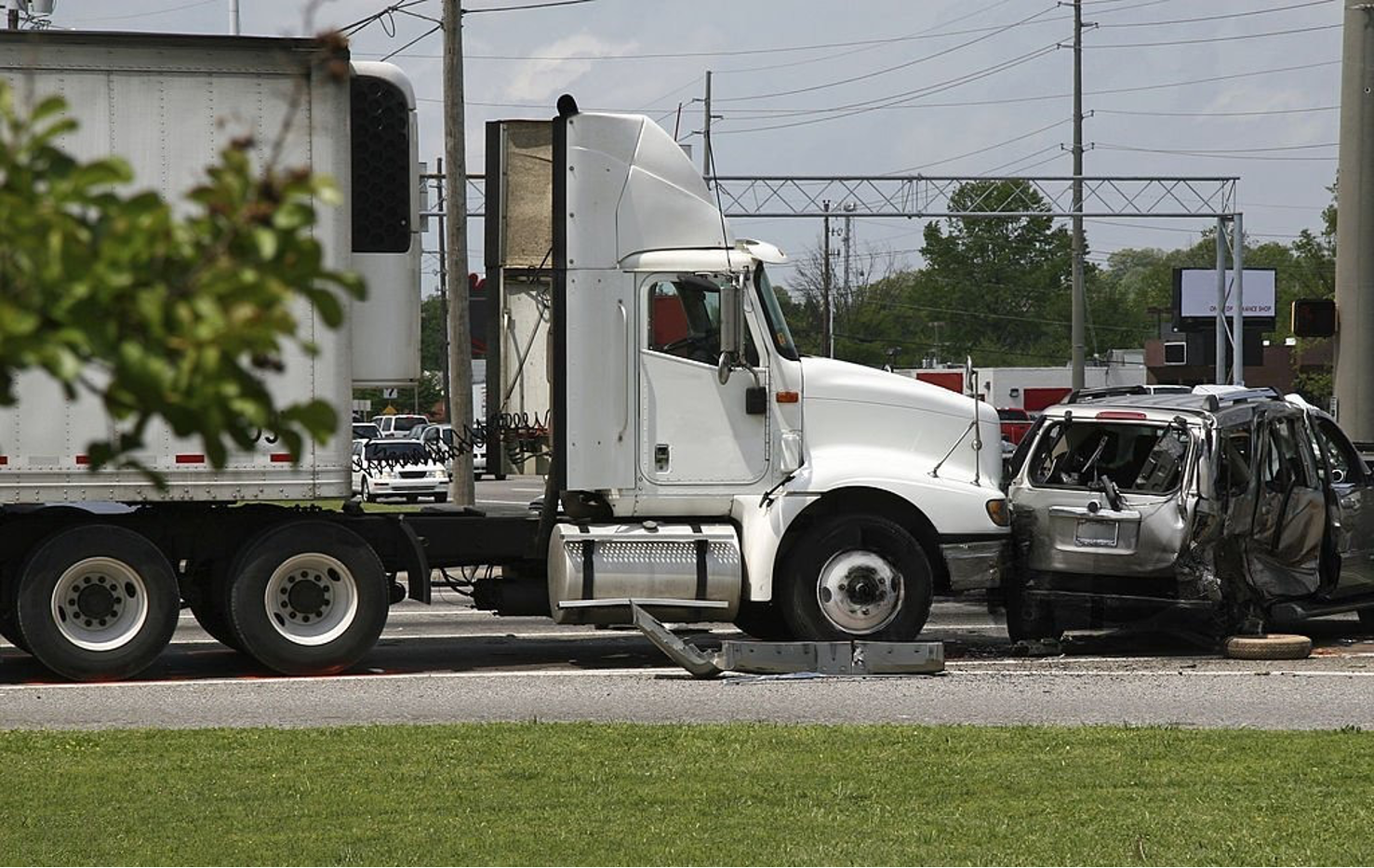
Many truck accidents happen not because of speed or weather, but because the driver was too tired. Some common accident types include:
- Rear-end crashes because the driver failed to brake in time
- Lane drifting
- Delayed reaction at signals or turns
- Head-on collisions caused by microsleep
These accidents are often traced back to drivers who were driving beyond their allowed hours or skipped rest breaks.
How HOS Manipulation Leads to Accidents
The root cause often seen for these truck accidents is fatigue. Despite clear rules, some drivers and trucking companies manipulate HOS logs to meet tight delivery schedules or increase profits. Common tactics include falsifying paper logbooks, using multiple logbooks, misusing electronic logging devices, or driving “off the clock.” In some cases, companies pressure drivers to keep moving even when they are legally required to stop.
No matter how fit and healthy a human body is, it needs that rest. But many foresee it, and when they are on the road, a slight mistake or unconscious move results in a deadly accident and questions the road safety.
Here’s how this violation often leads to serious truck accidents:
- Drivers get less alert at present.
Skipping rest and pushing beyond allowed hours obviously makes the brain fog and lose focus. And while driving, small things like noticing brake lights and staying in the lane start getting really messed up and end up creating a very dangerous space for everyone on the road. On busy highways, just a second of delay can cause a rear-end collision or even worse. - Drivers tend to make bad decisions under fatigue.
Like said, the body needs the needed rest; if not, it results in fatigue, and this affects thinking. Drivers may tend to misjudge distances between the vehicles or, in certain cases, push through traffic where they shouldn’t. They automatically tend to forget the others in the road and end up in accidents. - Lane drifting and control loss
When focus drops even for a second, trucks can drift out of the lane. These are not cars or bikes; these are huge trucks weighing pounds. A second’s loss of control can lead to crashes or head-on collisions, exactly the accidents we hear and see too often. - Micro-sleep
Sometimes, fatigue makes a driver doze off for a few seconds without them even realizing it. Even a brief sleep can send a heavy truck off the road or into another vehicle, and that’s often the deadliest outcome.
This is not always just the driver’s fault. Responsibility is shared.
- Driver’s side: Some drivers push themselves to earn more or meet deadlines. They may feel pressured or fear losing work.
- Employer’s side: Some companies push unrealistic delivery schedules. When profits come before safety, violations increase.
A lawyer knows how to connect these details and show where the rules were broken. Without this support, most victims would never even know a violation existed.
Key Takeaways
- Hours of Service rules exist to prevent tired driving, but they are often ignored and manipulated.
- Fatigue-related truck accidents are common and usually severe.
- Both drivers and companies can be responsible for these violations.
- Legal guidance is important to bring up the concerned violations and protect victims’ rights.