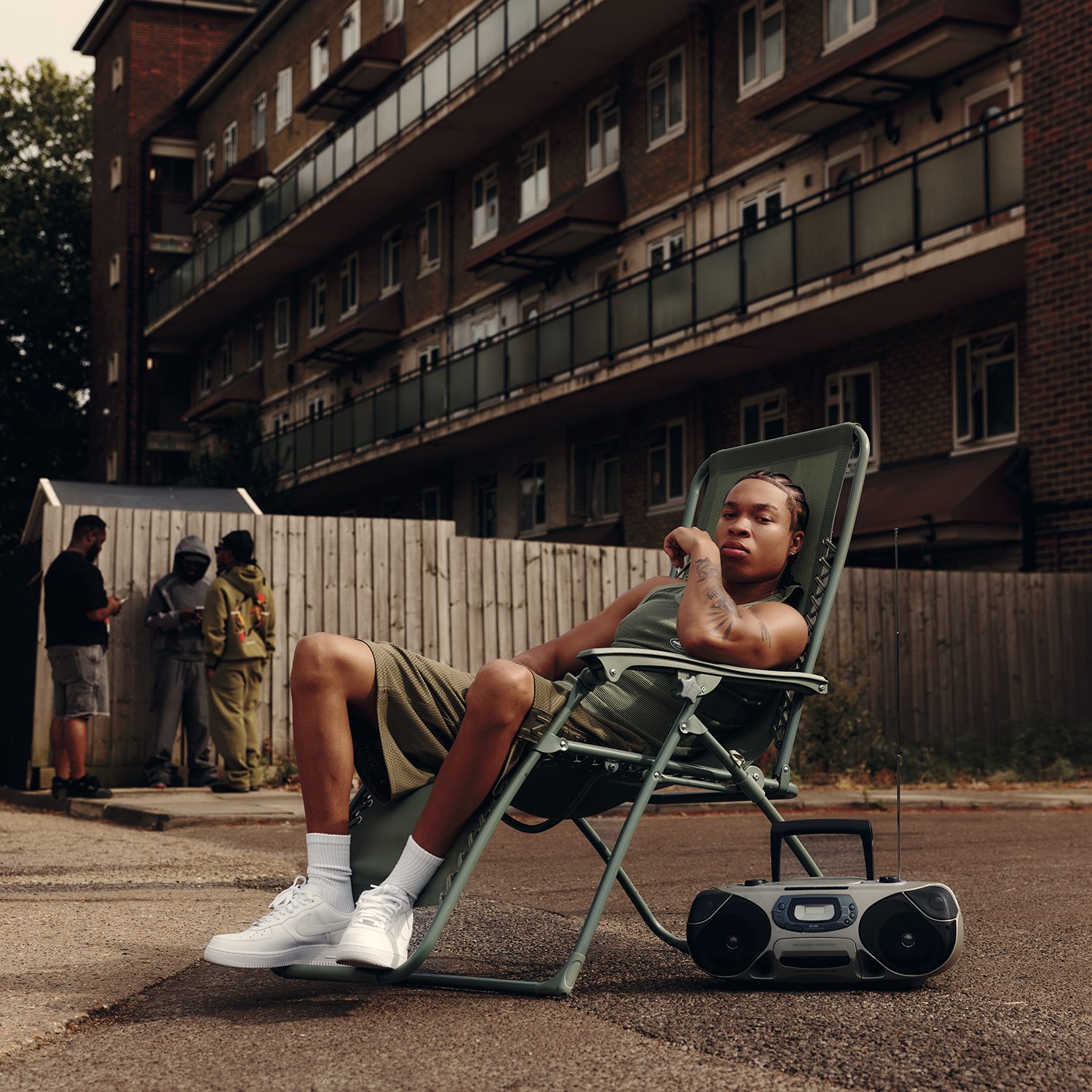
After arriving in a new city, familiar routines begin changing in quiet ways. Streets that once meant nothing slowly become part of everyday life. A coffee shop around the corner starts feeling familiar and the once-I-should-probably-use-a-map thoughts begin fading little by little. At first, everything can feel temporary, even when the move was planned carefully. Boxes stay unopened for days and simple errands can feel unexpectedly exhausting.
A new city changes more than an address. Routines are interrupted, social habits are reshaped and comfort zones are quietly tested. Some people relocate because of work while others leave for personal reasons, though almost everyone experiences a similar adjustment period. Familiar sounds disappear and new surroundings are observed constantly without much thought being given to it.
The emotional shift is often underestimated. Daily life continues, though it feels different when every road, grocery store and neighborhood seems unfamiliar. Have you ever noticed how small routines suddenly feel important once they disappear? That realization usually arrives quickly after relocation.
The Move Starts Long Before Arrival
Moving to a new city usually begins with logistics, deadlines and long lists that keep growing. Apartments must be secured, transportation must be arranged and personal belongings need to be packed carefully. During this stage, stress is often created by uncertainty more than physical work.
Many people spend hours researching transportation companies because damaged furniture or delayed deliveries can create serious frustration after arrival. Before relocation even begins, it helps to prepare properly and compare professional services carefully. Look up movers near me to get in touch with the best people for the job. That step may sound simple, though it often determines how smoothly the first few days in a new city will unfold.
The emotional side of moving also appears during preparation. Familiar places are visited one last time and routines that once felt ordinary suddenly become meaningful. Friends may promise regular calls while family members offer advice that is repeated repeatedly. Even exciting moves can carry emotional weight because comfort is being left behind.
For example, someone relocating from a quiet suburban town to a crowded downtown apartment may experience immediate culture shock during the first week. Another person moving for a career opportunity might struggle more with loneliness than workload. Every relocation unfolds differently because personal habits and emotional expectations vary greatly.
Small Routines Start Building A New Normal
The first few weeks in a new city are often shaped by observation. People begin studying traffic patterns, local behavior and neighborhood routines without even realizing it. Certain places become familiar quickly while others continue feeling distant for months.
Simple habits start carrying more importance than expected. Finding a nearby grocery store can create comfort. Discovering a reliable café may provide a sense of consistency during stressful days. These routines appear small on the surface, though they help people settle emotionally into unfamiliar surroundings.
Daily schedules are also adjusted naturally. Commute times may become longer and social plans may require more effort than before. In larger cities, even quiet moments can feel different because constant movement surrounds nearly every public space.
What People Usually Learn After Relocating
Moving to a new city changes perspectives in ways that are rarely expected at first. Certain lessons tend to appear repeatedly during the adjustment process:
- Comfort zones are smaller than most people assume
- Time management becomes more important in unfamiliar environments
- Personal spending habits are often exposed quickly
- Social circles require active effort to rebuild
- Independence grows when routines must be created from scratch
These lessons are not always learned comfortably. Some are discovered during frustrating moments while others appear gradually during ordinary days. A missed train, a wrong turn or an unexpectedly friendly conversation can shape the relocation experience more than major events sometimes do.
People also become more aware of personal priorities after moving. Long commutes may suddenly feel exhausting and crowded environments can either energize or drain someone depending on personality. Preferences that once seemed unimportant begin influencing daily decisions constantly.
For example, a person who previously valued nightlife may later prioritize quiet neighborhoods after adjusting to city living. Another individual may become more interested in outdoor spaces because crowded routines create mental fatigue. These changes are often subtle though they influence lifestyle choices heavily.
Homes Start Feeling Personal Again
The emotional distance created by relocation does not last forever. Gradually, unfamiliar spaces begin reflecting personal identity again. Furniture gets arranged properly, favorite routines return and small comforts become part of everyday life.
People often focus heavily on interior spaces during this stage because comfort inside the home affects emotional stability outside it. Decoration choices, lighting adjustments and even finding aesthetic ways to improve your home exterior can create stronger emotional attachment to a new living space. The goal is not perfection. The goal is familiarity.
Neighborhood relationships may also begin forming naturally. A local cashier starts recognizing regular customers and nearby residents become familiar faces during morning walks. These interactions seem minor though they reduce the emotional distance that many people feel after moving.
Work-life balance is often reevaluated too. Some people discover that larger cities encourage faster routines while others realize they prefer slower environments after experiencing urban pressure directly. Relocation forces people to pay closer attention to what genuinely improves daily life.
Could a new city completely change someone’s personality? Not entirely, though habits, confidence and personal priorities are often influenced more than expected.
Change Feels Different Once It Becomes Familiar
Moving to a new city rarely feels comfortable immediately. There are awkward days, confusing moments and periods where even small tasks seem draining. Eventually, though unfamiliar streets become recognizable and routines stop feeling forced.
What begins as disruption slowly becomes ordinary life. People adapt because adaptation is built into everyday human behavior, even when change feels uncomfortable at first. New friendships form, favorite places are discovered and confidence grows through repeated experience.
The biggest surprise for many people is not the city itself. It is the realization that home can be rebuilt almost anywhere when consistency, patience and emotional openness are given enough room to develop.