As part of our ongoing series of On-Set articles, we speak with a Key Grip in New York City.
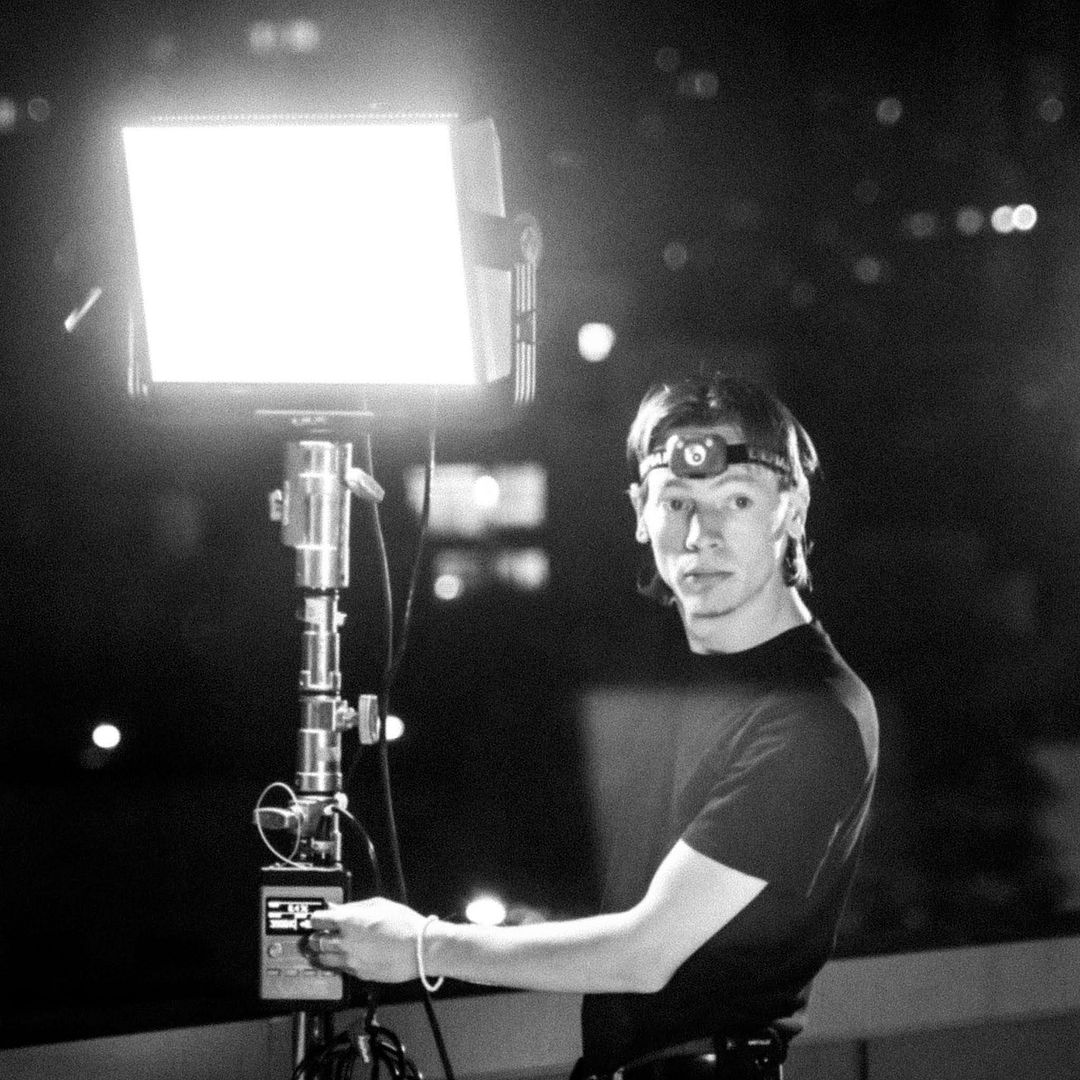
French key grip Thibault Leboeuf has been working in the film industry for over half a decade. When he started, he was working on sets for no-budget indie films, and now he works on sets with major stars like Anne Hathaway, Daniel Radcliffe and Luther Vandross.
For those who may think that a film set is just a director,actors and a camera crew, it’s a more multi-layered process than that. In Leboeuf’s own words: “For me, the Key Grip is the person who helps translate the visual intentions of the Director of Photography into practical solutions on set.”
As he explains, the role is more than just technical. “Being a key grip involves understanding the right technical approach to achieve any shot,” said Leboeuf. “From camera support and rigging to movement and complex setups, every decision has an impact on the final image. It requires a combination of technical knowledge, anticipation, adaptability and creativity.”
A big part of the job is also collaboration for Thibault, who built his career on VOGUE China shoots, and working on sets for commercials for Hyundai, Google, Samsung and Verizon. He also honed his chops working on short films directed by Sean M. Mackenzie and Bryson Mustard.
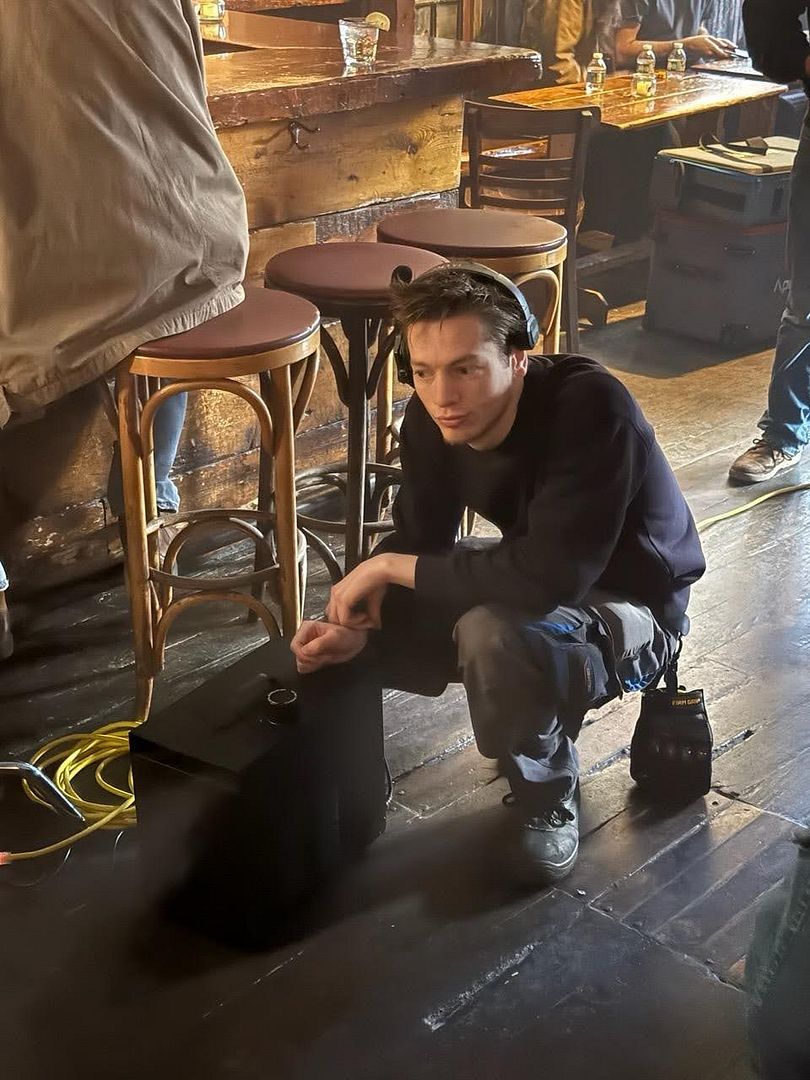
“Working closely with the DP and the Gaffer, as a Key Grip I help create an environment where creative ideas can become reality, while always prioritizing safety and efficiency. I see the Key Grip as someone who helps shape the image, not just support the equipment used to capture it.
He first got into the film industry as a Key Grip during film school, as Leboeuf’s educational background spans filmmaking studies in both France and the United States, beginning with a Bachelor in Filmmaking majoring in Screenwriting from ESRA (École Supérieure de Réalisation Audiovisuelle) in Paris in 2023, followed by further film studies at Stonestreet Studios in New York in 2024.
“My journey into filmmaking began when I became fascinated with the process of filmmaking, and decided to pursue it as a career,” he said. “What happens behind the camera and how to create beautiful images became my main career goal.”
As he gained more experience on set, working on films and commercials, Thibault discovered the Grip department and immediately connected with its role, “I love how the role of the Key Grip combines problem-solving and creativity,” he said. “Every decision, from camera movement to equipment setup, contributes to making a shot work visually.”
Working alongside Academy Award-winning actress Anne Hathaway was a highlight of his career. “Having worked alongside Anne was an exciting milestone in my career,” said Leboeuf. But besides the star power, staying focused on the set is key. “For me, being a Key Grip is less about equipment, it’s about contributing creatively to the image, overcoming technical challenges, and helping bring stories to life,” he said.
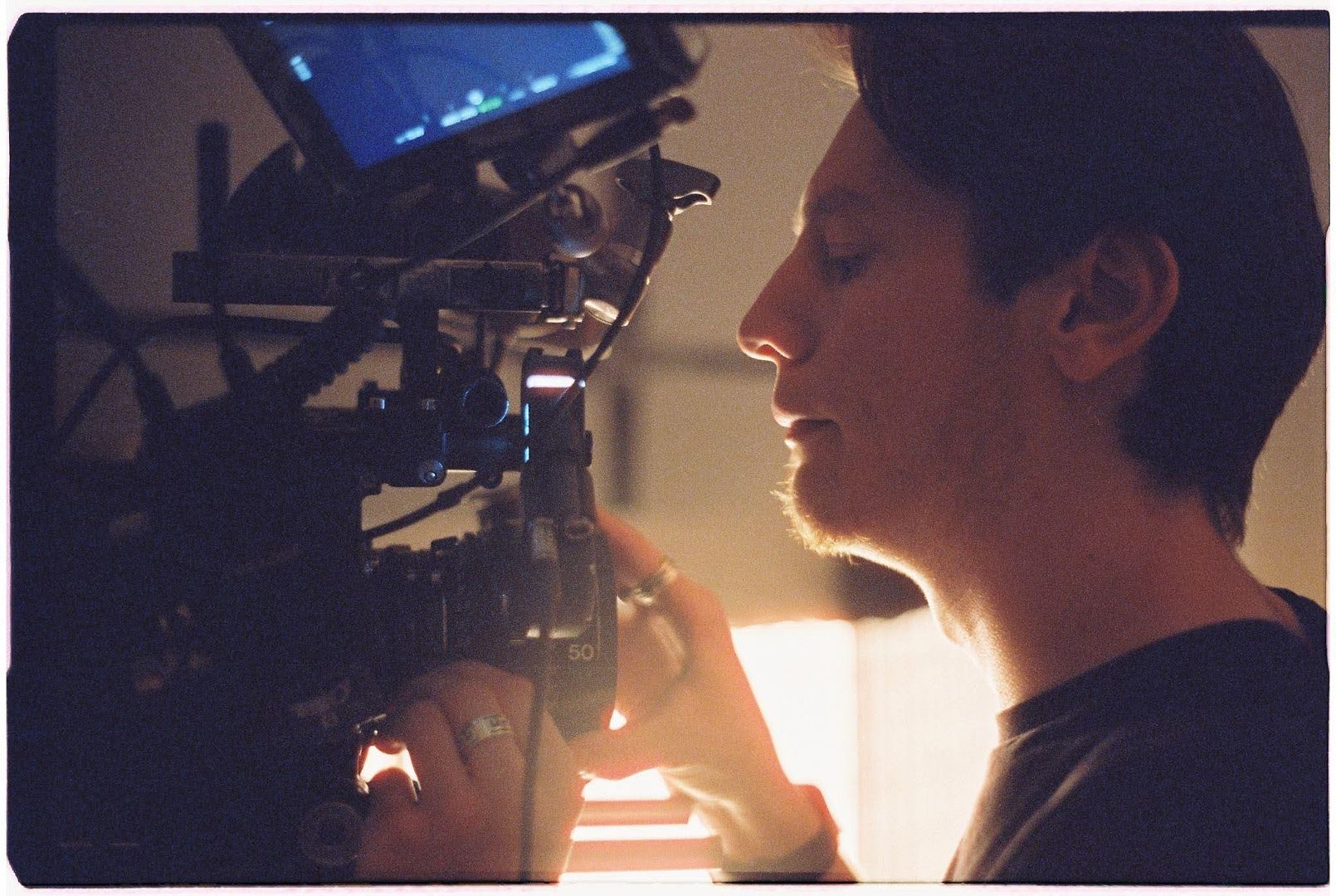
The main responsibility of a Key Grip is safety protocols on set. Nobody wants to trip on a wire and see a LED light crashing down on the floor, hurting anyone in proximity to it, not just the big name actors. It’s a high-stakes job, on every set, famous cast or not. “Safety starts long before the director says ‘Action,’” notes Leboeuf.
It begins during the technical scout. “My first priority is making sure that every setup is properly planned, assessed and communicated to the crew,” he adds. Analysis of the on set tech, times of day shooting, scenes and camera equipment weight all play into it.
“I pay particular attention to weight distribution, secure mounting points, proper rigging, and the condition of all equipment,” he said. “Especially when rigging cameras, moving equipment, or more complex setup. Every element needs to be checked before use, and any movement must be rehearsed and coordinated with the camera team. Communication is equally important.”
Everyone involved needs to understand their responsibilities on a film set, and the potential risks (especially on sets that begin at 5 a.m. where the crew is half awake). “One key thing that viewers fail to recognize is how a crew makes sure everyone on set knows when equipment is moving, by being vocal about it,” said Leboeuf. “On a commercial production like the Hyundai TV spot, my responsibility was to find the right balance between achieving the Director of Photography’s creative vision and maintaining a controlled, safe working environment.”
He works in close communication with the Gaffer (the chief lighting technician on set). While Leboeuf works closely with the Director of Photography to understand the desired camera movement, framing, and overall look of the shot, he then relays the technical possibilities with the lighting, to achieve it.
“Then with the Gaffer, we decide how to shape light for the set up,” he said. “We need to coordinate our departments to make sure everything works together without creating safety issues or interfering with each other’s setups. I also believe in communicating openly throughout the process.”
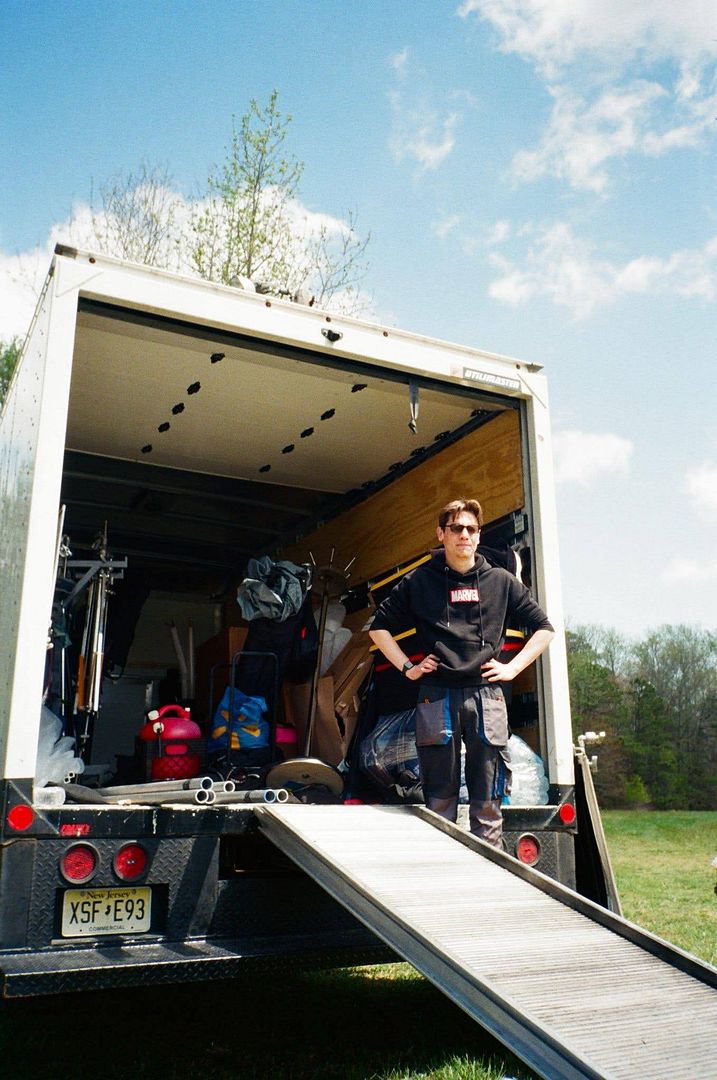
One of the biggest challenges Leboeuf had on set was working on a commercial for Verizon. “The biggest challenge on the Verizon commercial was the weather,” he said. “We were shooting outdoors and the wind was quite strong, so it made maintaining stability and safety a constant priority.”
Wind can be very dangerous on grip and lighting equipment, especially when working with large frames and diffusion. “We had to pay particular attention to securing our setups, assessing how the wind could affect each piece of equipment, and adapting whenever conditions changed,” said Leboeuf. “It required us to stay flexible and think ahead throughout the day. But working under pressure is a big part of my job. Things can change quickly, and production deadlines don’t always leave much room for adjustments. I’ve learned to stay calm and focus on quickly finding the most practical solution without compromising the creative vision on set.”
He explains that custom camera support is key to the visual continuity we see on screen, like when we see a camera shot in a moving car, which not only has to look right, but has to be safe to protect the crew in the car, anyone it comes in contact with, and protect the expensive camera equipment, as well. “Myself, the Director of Photography and the camera team build a camera setup that’s virtually invisible to the final moving image,” he says. “We lead the audience on the action that pulls them throughout the plot, with the equipment as a seamless part of that.”
Thibault pays as much attention to how different setups might affect the rest of the crew, and makes sure communication is as clear as the technical knowledge. “I think experience has made me more confident in making decisions, but also more aware of my responsibilities,” he said. “I’m comfortable working under pressure and finding quick solutions, but I’ve learned that efficiency should never come at the expense of safety.”
Over his career, which includes several commercial projects and upcoming films, he has learned that on-set safety is not something you can approach as a final checklist. “It needs to be part of every decision, from the initial planning to the execution of the shot,” said Leboeuf. “You have to anticipate potential problems before they happen.”
Words: Tom Oakley