Start with a skin-first mindset
The most reliable Korean skincare routines are not about collecting the most steps. They are about understanding your skin’s baseline and supporting its barrier. Before buying anything new, set one or two clear goals like calmer redness or fewer clogged pores. Patch test new products on the inner arm or behind the ear, then introduce only one change at a time for a week so you can tell what actually works.
Consistency matters more than complexity. A simple routine done daily will outperform a complicated one used sporadically. Think of your toner and essence as giving skin water, treatments as vitamins, and moisturizer as the comfortable sweater that keeps everything in place. When in doubt, prioritize hydration and daily sunscreen, then layer smartly around those anchors.
The core routine, step by step
Double cleanse at night
If you wear sunscreen or makeup, start with an oil-based cleanser to melt them down, then follow with a gentle water-based cleanser. Skin should feel clean yet comfortable. A tight, squeaky finish signals you have stripped your barrier, which can lead to more oil and sensitivity.
Exfoliate with intention
Use chemical exfoliants like AHAs for dullness, BHAs for clogged pores, or PHAs for a softer approach. Start one to three nights per week. Over-exfoliation often shows up as shine with rough flakes, so pull back at the first hint of irritation and add a soothing step instead.
Toner and essence for hydration
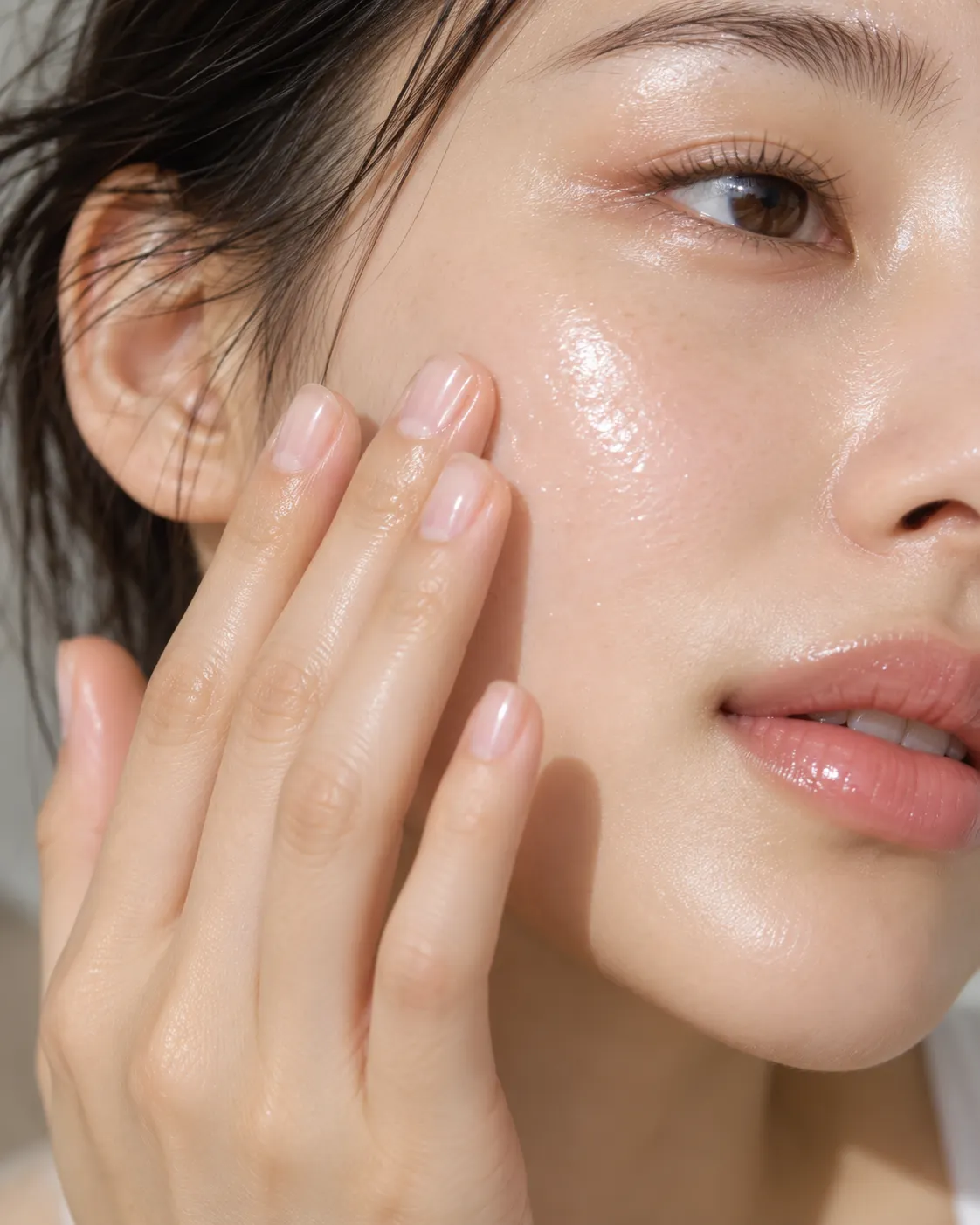
Layer a watery toner or essence after cleansing to replenish moisture and prep skin for actives. Press it in with your palms, and if your skin is thirsty, apply two or three thin coats rather than one heavy pour. Look for humectants like glycerin and hyaluronic acid, plus soothing allies such as panthenol.
Treatments to target concerns
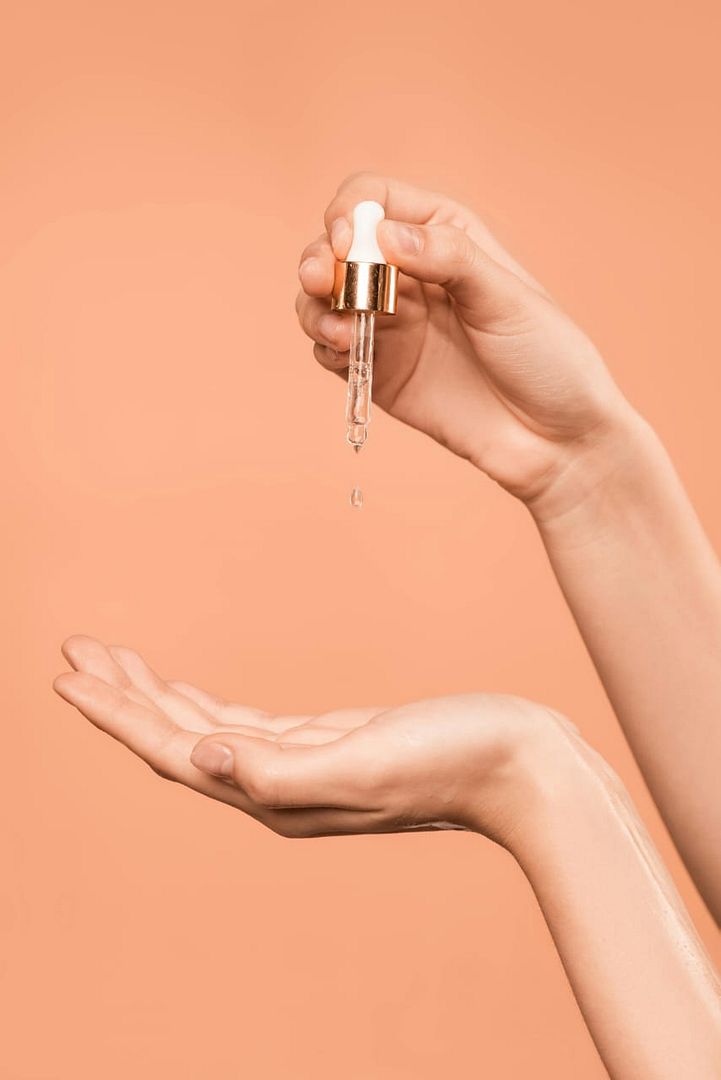
Serums and ampoules carry the heavy lifters. Niacinamide helps with oil balance and pores, vitamin C brightens, azelaic acid supports uneven tone and redness, and peptides or snail mucin lend bounce and comfort. Choose one main active for the evening and use it consistently before adding a second.
Moisturizer to seal
Pick texture by your skin type and climate. Gels suit oilier skin or humid days, creams cocoon drier skin or cold weather. If you use a retinoid or exfoliant, a barrier-supporting formula with ceramides and cholesterol keeps irritation in check. Occlusives at night can reduce transepidermal water loss without feeling greasy when applied thinly.
Sunscreen every morning
Daily SPF is the non-negotiable. K-beauty filters are known for elegant textures that layer well under makeup. Aim for SPF 50 with broad-spectrum protection, and reapply when outdoors or after sweating. A gel or milk formula often suits combination skin, while creamier versions cushion dry skin.
To compare formulas and check full INCI lists or filters by skin type, retailer directories like Little Wonderland can help you evaluate options objectively.
Tailoring to your skin type and concerns
Oily or acne-prone
Keep your cleanse gentle but thorough and consider a BHA toner or serum a few nights each week. Niacinamide at 2 to 5 percent helps regulate sebum and supports the barrier. Use lightweight gel moisturizers and non-comedogenic sunscreens. If you add a retinoid, introduce it slowly and pair with a simple, soothing routine.
Dry or dehydrated
Choose creamy or low-foam cleansers and layer humectants early. Toners and essences rich in glycerin, hyaluronic acid, and beta-glucan draw in water, while ceramides and squalane seal it. Overnight, a slightly richer cream or a thin layer of sleeping mask prevents tightness by morning.
Sensitive or redness-prone
Adopt a minimalist plan built around barrier care. Fragrance-free options and calming ingredients such as centella asiatica, panthenol, and green tea are friendly choices. Start actives like vitamin C or retinoids at low strengths and buffer with moisturizer to reduce the risk of flare-ups.
Dark spots and uneven texture
Use vitamin C or alpha arbutin in the morning and an AHA or azelaic acid in the evening on alternate days. Brightening takes time, and sunscreen is your multiplier because UV exposure can undo progress. Photograph your skin monthly in consistent lighting to see subtle improvements.
Smart layering and ingredient pairings
A practical rule is watery to creamy, thinnest to thickest. Give each layer a short moment to settle so products do not pill. Retinoids pair well with niacinamide or peptides for support. Many modern vitamin C serums coexist with niacinamide, and BHA can precede a hydrating essence without issues. Avoid stacking multiple strong acids with a retinoid in the same routine. If you also use benzoyl peroxide, place it in a different night from your retinoid to keep irritation down.
Weekly extras that actually help
Sheet masks offer a 10 to 20 minute hydration boost before moisturizer. Wash-off masks with clay can help refine oilier zones, while creamy masks soothe parched cheeks. Treat extras as accents rather than the main plot. If your skin is thriving on the basics, add one extra at a time and keep it once or twice per week.
How to test, track, and adjust
Give a new routine two to four weeks unless you experience immediate irritation. Track how your skin feels at midday and how it looks in natural light, not just in the bathroom mirror. Keep a short log of changes like a new serum, a weather shift, or a menstrual cycle milestone to connect patterns. As seasons change, swap textures rather than rewriting everything. The goal is skin that feels balanced and comfortable, which often comes from less drama and more steady care.