Heels are among the most debated items in women’s footwear – loved for their effect on posture, silhouette, and occasion dressing, yet responsible for more foot complaints than almost any other shoe category. The difference between a heel that works and one that does not is rarely about willpower. It is almost always about fit.
The appeal of heels is straightforward and well documented. They lengthen the appearance of the leg, alter posture, and carry a visual authority that flat shoes do not replicate in the same way. For many Australian women, heels are a wardrobe staple across professional, social, and formal contexts.
The challenge is that heels are also the leading cause of foot pain in women, a fact consistently reported across podiatric research and consumer surveys alike. Yet that statistic does not mean heels are inherently unwearable. It means that the wrong heel – wrong height, wrong construction, wrong fit for the specific foot wearing it – produces predictable consequences that the right heel largely avoids.
Choosing heels with reference to foot type, lifestyle, and specific occasion context changes the experience of wearing them fundamentally. The process is not complicated, but it does require moving past purely aesthetic selection criteria.
Why Foot Type Matters More Than Most Women Realise
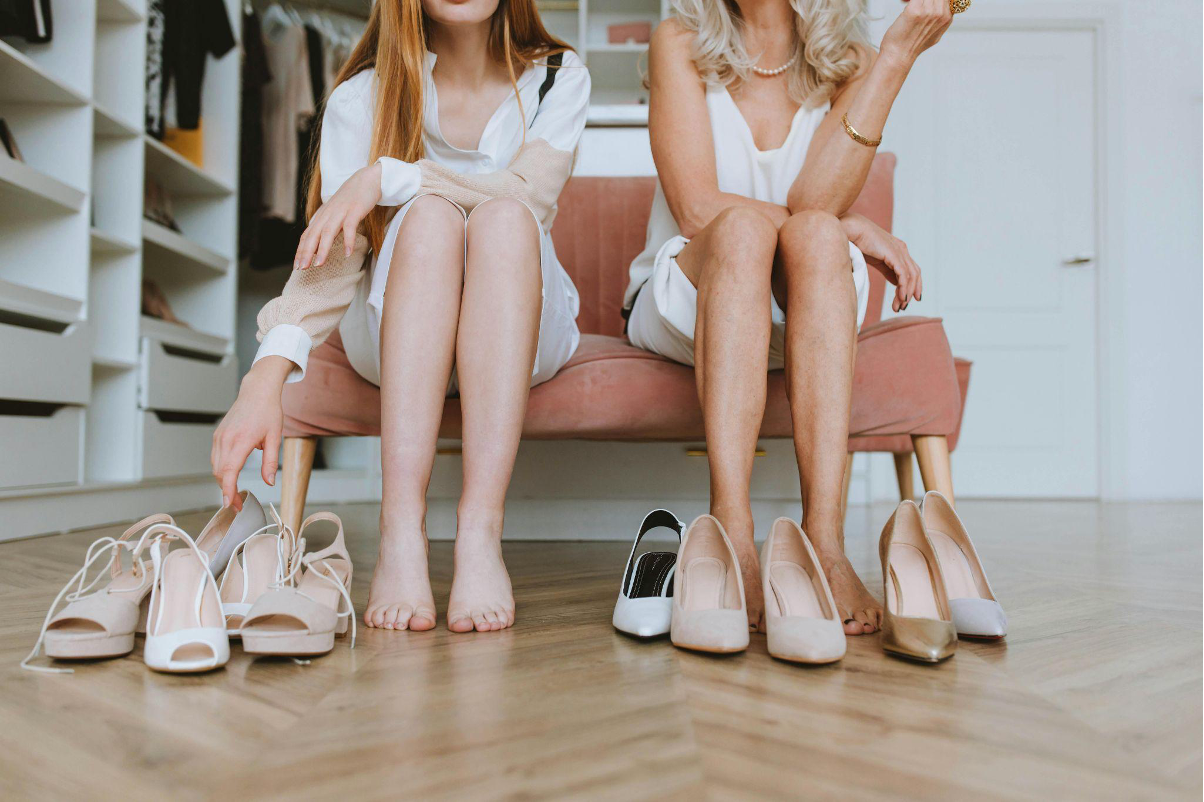
Source: https://www.pexels.com/photo/fashionable-shoes-on-the-wooden-floor-5705503/
Every foot is structurally different, and those differences determine which heel constructions are supportive versus problematic for a specific wearer. A heel design that works flawlessly for one foot type can create significant discomfort in another, regardless of how well it fits in terms of length.
Understanding the relevant characteristics of one’s own feet is therefore the starting point for any useful heel selection process.
Flat Feet and Low Arches
Flat feet or low arches mean the entire sole contacts the ground with minimal arch elevation. In a heeled shoe, this creates a particular problem: the foot cannot form the natural arch position that distributes weight evenly across the forefoot and heel. Instead, pressure concentrates at the ball of the foot and along the inner border of the foot, which can produce plantar fascia strain and forefoot pain across extended wear.
For flat-footed wearers, heels with built-in arch support or a contoured footbed are significantly more comfortable than those with a flat insole. Block heels and wedges, which distribute load more evenly across the foot than stilettos, are the most practical heel types for this foot profile. A heel height of five centimetres or below generally keeps the forefoot pressure within a manageable range for everyday wear.
High Arches
High-arched feet present the opposite challenge. The foot’s rigid structure absorbs impact poorly and creates concentrated pressure at the heel and the ball, with relatively little contact across the midfoot. In heels, which already shift weight forward toward the ball of the foot, this concentration intensifies.
Wearers with high arches benefit most from heels with generous forefoot cushioning and a platform under the ball of the foot, which effectively reduces the angle of inclination between the heel and the forefoot. A heel with a contoured, cushioned insole rather than a hard flat one makes a meaningful difference for this foot type. Platform heels are particularly well suited, as the platform reduces the effective pitch of the shoe without reducing its apparent height.
Wide Forefeet and Bunions
Wide forefeet require a toe box broad enough to accommodate natural spread without lateral compression. Pointed-toe heels, which narrow significantly toward the front, push the toes together and exert sustained pressure on the bunion joint in those who have one. Over time, this accelerates bunion development and creates the forefoot pain that makes wearing heels progressively less comfortable.
Round and square toe boxes are the most reliable options for wide-footed wearers. They accommodate natural toe spread without the compression that pointed styles create, and they are available across a broad range of heel heights and styles that do not require a choice between comfort and appearance.
Narrow Feet and Heel Slippage
Narrow feet often struggle with heel slippage – the foot moving forward in the shoe with each step, causing the heel to lift and the toes to contact the front of the shoe. This is one of the more common causes of blistering and toe nail bruising in heel wearers, and it tends to worsen as the day progresses and feet swell.
Ankle straps, back straps, and Mary Jane closures address this directly by securing the foot within the upper and preventing forward migration. For women with narrow feet, a heel that includes one of these features typically outperforms a plain pump across extended wear, regardless of the heel height.
The Heel Height Spectrum and What Each Level Means
The relationship between heel height and foot load is not linear – it accelerates. As height increases, weight distribution shifts progressively toward the forefoot, amplifying pressure on the metatarsal heads with each centimetre of additional elevation. Understanding what each height range means in practical terms allows wearers to match their heel choice to the demands of the day rather than discovering the mismatch several hours in.
Kitten heels (under 4cm) are the most foot-friendly elevated option, providing a modest lift without significantly altering weight distribution. For women who want the visual effect of a heel across a full working day, a well-constructed kitten heel is the most sustainable choice. According to podiatric guidelines cited by Beltsville Foot and Ankle Center, heels under two inches deliver elevation with minimal biomechanical compromise – a threshold that kitten heels comfortably meet.
Low to mid heels (4 to 7cm) represent the most versatile range for most occasions. This height provides visible elevation and a genuinely dressed aesthetic while remaining within a range that most women can wear for several hours without significant discomfort, particularly in block or wedge constructions where stability is maintained. A four to seven centimetre block heel is one of the most practical investments in occasion footwear available.
High heels (7 to 10cm) require more considered management. At this height, forefoot pressure is substantial and ankle stability is reduced. For wearers without existing foot conditions who are on their feet for short periods – a dinner, an event with seating, a formal occasion – heels in this range are entirely appropriate. For a full working day on hard floors, they impose a physical cost that accumulates rapidly. The Lucy Mary’s guide to wearing high heels advises planning heel height across the week – wearing lower heels or flats earlier in the week when a high-heel occasion is anticipated later – as a practical strategy for managing the cumulative impact on foot and lower limb health.
Statement heels (above 10cm) are occasion-specific footwear. Their purpose is visual impact over short durations, and they should be treated accordingly.
Matching Heel Type to Lifestyle Context
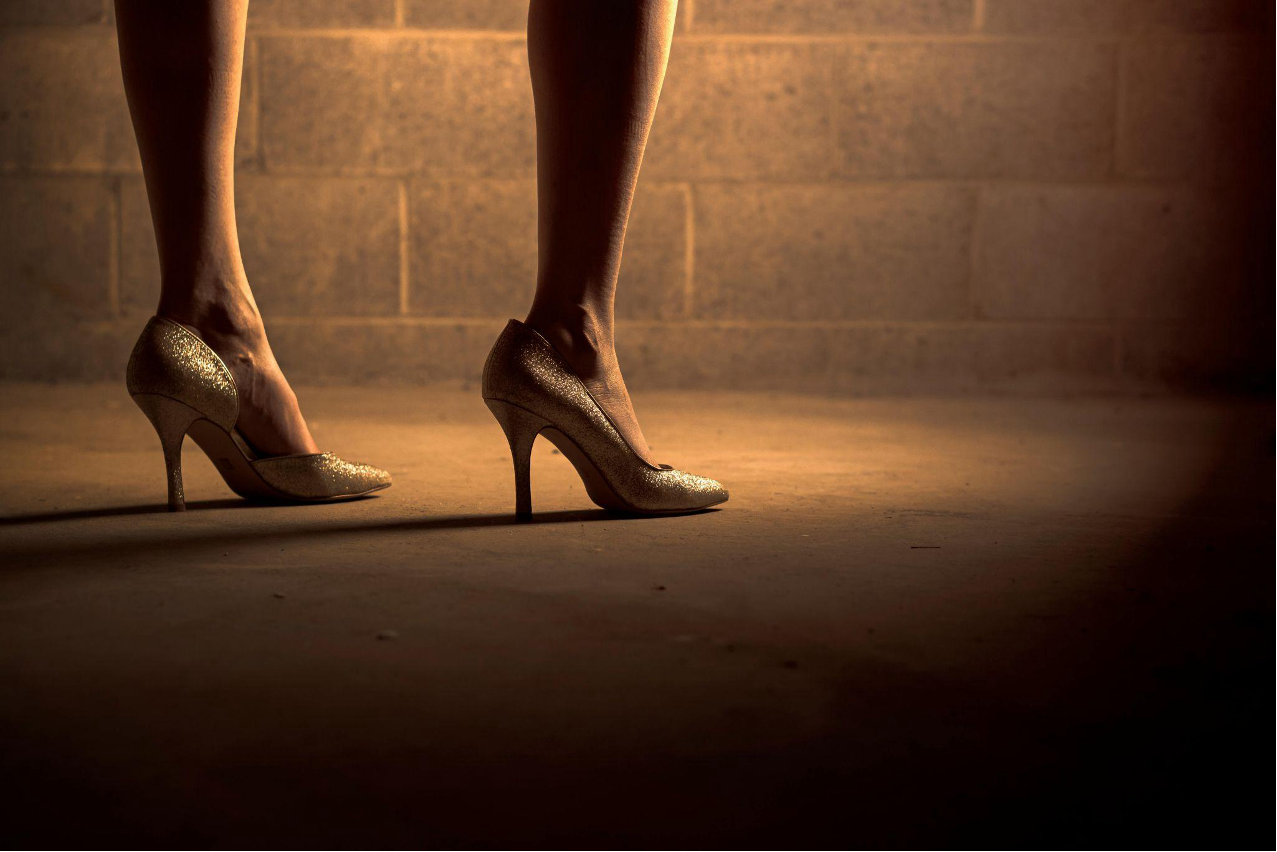
Source: https://www.pexels.com/photo/fashion-person-woman-feet-508/
The occasion a heel is worn for has as much bearing on the right choice as foot type. A heel appropriate for a restaurant dinner may be entirely unsuitable for a full day in a professional environment, and vice versa.
Professional and Office Wear
The professional environment places specific demands on heels. Extended periods of standing and walking on hard floors, the need to look considered without appearing overdressed, and the practical requirements of moving between meetings and different areas of a building all influence what works.
A block heel or kitten heel in leather, in black or nude, covers this context most reliably. The block base provides stability for extended standing, the modest height maintains a professional aesthetic without the physical cost of a stiletto, and the neutral colourway carries across a broad range of professional outfits. A court shoe or pointed pump in a modest heel height also works well in formal professional contexts where a cleaner, more structured silhouette is appropriate.
Social and Evening Occasions
Evening occasions allow more latitude in heel height and style, primarily because the duration of wear on foot is typically shorter and the surfaces encountered more predictable. A strappy stiletto or a higher block heel in a metallic or statement colourway works well in this context in a way that would be unsustainable across a full working day.
The key practical consideration for evening heels is still the duration of standing. A cocktail event or reception that involves several hours on hard floors is physically comparable to a working day in terms of foot load, and a heel chosen purely for its appearance without regard to wearability will communicate itself clearly before the evening concludes.
Casual and Weekend Wear
The dressed-down heel – a low block heel sandal, a casual mule, a wedge in natural materials – has become a genuine part of everyday casual dressing in Australia. These styles offer elevation and visual interest without the formality of a court shoe or the physical demands of a stiletto, and they transition easily between casual activities and semi-informal social settings.
Ragtrader published Australian women’s heel preferences and found that Australian shoe wearers lean toward higher average heel heights than the global norm – reflecting a genuine cultural appetite for elevated footwear across contexts where other countries might default to flats. This makes the availability of well-constructed mid-height options in casual-appropriate styles a practical market consideration for Australian women building a heel wardrobe.
The Construction Features That Determine Wearability
Beyond heel height and style, specific construction features distinguish heels that can be worn comfortably for extended periods from those that cannot.
Forefoot cushioning is the single most impactful comfort feature in a heel. A padded ball-of-foot area reduces the concentrated pressure at the metatarsal heads that all heels create to varying degrees. Heels without forefoot cushioning require the foot to bear this load on the shoe’s hard insole, which becomes increasingly uncomfortable as hours pass.
Heel base width determines stability. A wider heel base distributes the wearer’s weight across a larger contact area, reducing the lateral instability that causes ankle strain and the muscle fatigue that comes from constantly correcting balance. Block heels and cone heels outperform stilettos on this dimension for extended wear.
Upper material flexibility affects how the shoe accommodates the foot as it swells throughout the day. Leather and soft suede are the most forgiving materials, yielding to increased foot volume without creating pressure points. Rigid synthetic uppers do not flex, meaning the shoe that fits comfortably in the morning may feel constrictive by afternoon.
Ankle and foot security through straps, back counters, and adjustable fastenings prevents the forward foot migration that causes blistering and toe pressure. A heel that secures the foot within its upper across movement and weight-shifting allows the wearer to concentrate on the occasion rather than managing the shoe.
Billini and the Modern Approach to Style-First Heels
The contemporary heel market has responded to growing consumer awareness of wearability with designs that incorporate comfort features without sacrificing the visual language of a fashion-forward shoe. Billini, an Australian brand with a strong following for its trend-conscious occasion and casual footwear, produces heels and sandals that reflect this direction.
The brand’s range spans strappy block-heeled sandals, mules, and platform styles that incorporate the forefoot cushioning, stable heel bases, and secure fastenings that make extended wear realistic rather than aspirational. The designs lean into current silhouette trends while maintaining the construction quality that supports the foot across the occasions the shoes are intended for.
Check out these Billini women’s shoes and sandals across heel heights and occasion types, from strappy block-heeled sandals to mules and platform styles built for extended wear.
Practical Considerations Before Buying
Try heels on in the afternoon. Feet swell throughout the day, and a heel tried on in the morning may be noticeably tighter by evening. Fitting in the afternoon or evening replicates the conditions under which the shoe will most often be worn.
Walk on a hard surface before committing. Carpet in a shoe store conceals the instability and forefoot pressure that hard floors reveal. Any heel intended for regular use should be walked on a firm surface before purchase.
Consider the specific surface the heel will be worn on. A stiletto heel on cobblestones or uneven outdoor surfaces creates a safety risk that the same shoe on a smooth indoor floor does not. Heel tip condition matters too – a worn heel tip significantly reduces grip and increases the risk of slipping on polished or wet surfaces.
Invest in ball-of-foot cushions for heels worn frequently. Thin adhesive cushions placed at the forefoot significantly reduce pressure on the metatarsal heads and extend the period of comfortable wear. They are a practical complement to any heel and particularly effective in styles without built-in forefoot padding.
A Wardrobe Approach to Heel Selection
The most practical heel wardrobe for most women consists of three to four pairs chosen to cover distinct contexts: a low or kitten heel for extended professional wear, a mid-height block heel for social and smart casual occasions, a higher statement heel for formal and evening events, and a casual wedge or low-heeled sandal for everyday dressed wear.
Building across this range, with each pair chosen with reference to foot type and construction quality rather than style alone, produces a collection that covers most occasions without the discomfort that comes from forcing the wrong heel into the wrong context.
The right heel is not an exercise in compromise between appearance and comfort. It is a matter of choosing, with the right information, the shoe that genuinely delivers both.
Women with chronic foot conditions including plantar fasciitis, bunions, or Morton’s neuroma are advised to consult a podiatrist before selecting heels for regular wear, as certain heel constructions may aggravate existing conditions.