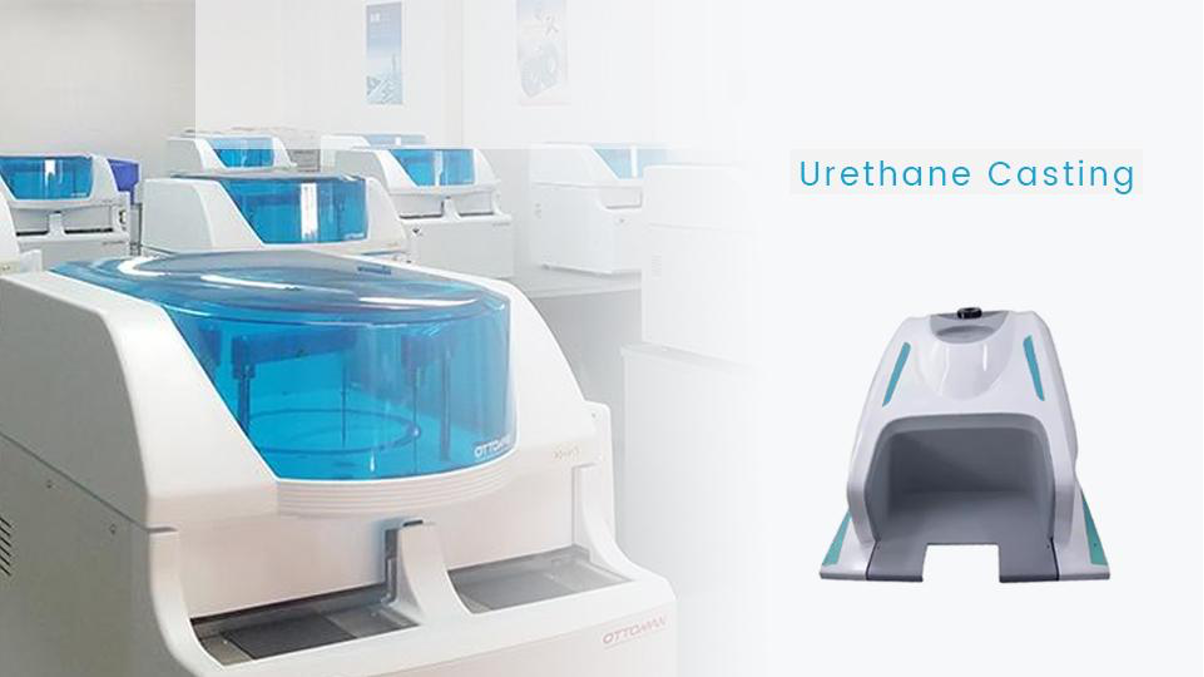
Transition from a digital CAD model to a physical assembly is fraught with risk in product development. Urethane casting serves as the vital bridge during this phase, which offers a way to produce high-fidelity parts for structural validation and functional testing without the massive lead times or costs of metal tooling. However, the success of this process is not merely a product of the technology itself but a direct reflection of the manufacturer’s technical discipline and engineering depth. Because urethane casting is a manual and chemically sensitive process, the reliability of your supplier determines whether your testing is a valid foundation for mass production or a distraction. Finding a truly professional partner requires looking beyond simple price lists and into the systemic controls that govern their production floor.
Infrastructure and Environmental Control
The most immediate indicator of a reliable urethane casting company is the level of environmental control within its facility. Urethane casting is a process rooted in chemistry, liquid resins are mixed and cured through exothermic reactions that are highly susceptible to external variables. A professional factory must operate out of a climate-controlled and dust-free workshop to ensure that material shrinkage remains predictable and consistent. If a workshop lacks thermal stability, the dimensions of your parts will fluctuate alongside the ambient temperature, leading to internal stresses, warping, or dimensional drift that can ruin critical assembly interfaces. Beyond the casting machines themselves, a reliable supplier invests in a dedicated quality control suite equipped with precision hardware such as Coordinate Measuring Machines (CMM), height gauges, and digital projectors. This infrastructure allows them to move beyond subjective visual inspections and provide objective, traceable reports proving that every snap-fit, screw boss, and alignment feature meets your engineering tolerances.
Material Integrity and Consistency
For an engineer, the most dangerous risk in the urethane casting process is material substitution, the practice of using generic, low-cost resins instead of the specific high-performance grades requested. If a prototype fails during a drop test or a heat deflection study, you must be certain that the failure was due to the design itself and not because the supplier used an inferior resin to save on costs. A trustworthy partner maintains a transparent and robust material library, offering resins that precisely simulate production plastics like ABS, Polycarbonate, Polypropylene or Polymethyl methacrylate. They should be able to provide the original Technical Data Sheets (TDS) and demonstrate a strict mixing protocol that ensures the chemical ratio of the A and B components is perfectly balanced in every cycle. This transparency is what makes your testing data credible, allowing you to finalize your design with the confidence that the prototype’s behavior will be mirrored by the eventual injection-molded product.
DFM Capabilities
A professional urethane casting company does not simply act on orders, they function as an extension of your engineering team through proactive Design for Manufacturing (DFM) analysis. While silicone molds are flexible and forgiving, they still face physical constraints regarding air entrapment, gate placement, and thermal mass. A reliable supplier will scrutinize your 3D models before a single drop of silicone is poured, identifying potential pitfalls such as excessively thick sections that might cause sink marks or thin ribs that may fail to fill under vacuum. They will suggest modifications to parting lines to ensure they do not cross aesthetic surfaces and will optimize venting channels to eliminate microscopic bubbles in deep, complex cavities. This level of technical engagement proves that the factory understands the why behind your design, ensuring that the final output functions as a mechanical component rather than just a visual model.
Dimensional Accuracy
While achieving a tolerance of ±0.1mm is often cited as a standard, maintaining that accuracy across a batch of 50 units requires exceptional process stability and experience in shrinkage compensation. Silicone molds are soft tools that naturally begin to lose detail and tear after roughly 20 to 25 cycles. A reliable partner will proactively monitor the health of these molds and retire them before they begin to degrade, ensuring that the final part in a series is as crisp and accurate as the first. Furthermore, they should adhere to a strict First Article Inspection, producing one initial unit for your full inspection and assembly verification before producing the remainder of the batch. This systematic approach prevents the propagation of errors and ensures that the batch consistency required for pilot runs and market testing is fully realized.
Strategic Partnership
Selecting a urethane casting company is not a search for a vendor, but a choice of a strategic partner who can protect your project’s momentum. A professional factory distinguishes itself through accountability; they establish clear acceptance criteria for surface finishes, such as Pantone color matching and texture replication and provides formal quality guarantees for every shipment. When evaluating potential partners, look for those who offer technical transparency and a clear path for resolving discrepancies, rather than those who simply compete on the lowest possible price. The most effective way to finalize your choice is to initiate a pilot project on your most complex part, demanding a full First Article Inspection report to verify its dimensional and material claims. By prioritizing engineering feedback, environmental discipline, and material honesty, you secure a foundation for success that carries your product safely and predictably from its early prototype stages to a successful global market launch.