The #OldMoney hashtag crossed 8.7 billion views on TikTok last year. Eight billion. For an aesthetic built on not trying too hard, a lot of people are trying very hard.
But I get it. There’s something deeply appealing about the idea of clothes that don’t scream, don’t beg, don’t perform. In an algorithm-driven world where everyone’s competing for attention, the fantasy of opting out—of looking like you have nothing to prove—makes sense.
The problem is most advice on achieving this look misses the point entirely.
What Old Money Actually Looks Like (Hint: Not What Instagram Shows You)
I grew up in a town with real generational wealth. The kind where family names are on street signs. You know what those people wore? Faded chinos. Fraying cable knits their mothers bought in the 80s. Boat shoes held together by habit.
They didn’t look “expensive.” They looked like they’d stopped thinking about clothes sometime around 1987.
This is the core insight everyone misses: old money style isn’t about buying luxury. It’s about buying certainty. Knowing exactly what works, then repeating it forever.
Thorstein Veblen called this “inconspicuous consumption” back in 1899. Harvard Business School confirmed it holds up—their 2023 research found that consumers choosing logo-free items have household incomes roughly 18% higher than those buying visible branding. The wealthy don’t need to signal. That’s the whole point.
So if you’re trying to capture this energy on a budget, stop thinking about what rich people buy. Start thinking about how they think.
The Actual Formula
After years of observing, experimenting, and honestly wasting money on the wrong things, I’ve landed on what actually matters:
Fabric is non-negotiable
This is where most budget advice fails. People cheap out on material and wonder why their “capsule wardrobe” looks like a costume.
Here’s market reality: cashmere, merino, silk, and high-thread-count cotton have a lustre and drape that synthetics cannot fake. But here’s the other reality—90% of the world’s cashmere comes from Mongolia and China, meaning mid-range brands often source from the same regions as luxury houses.
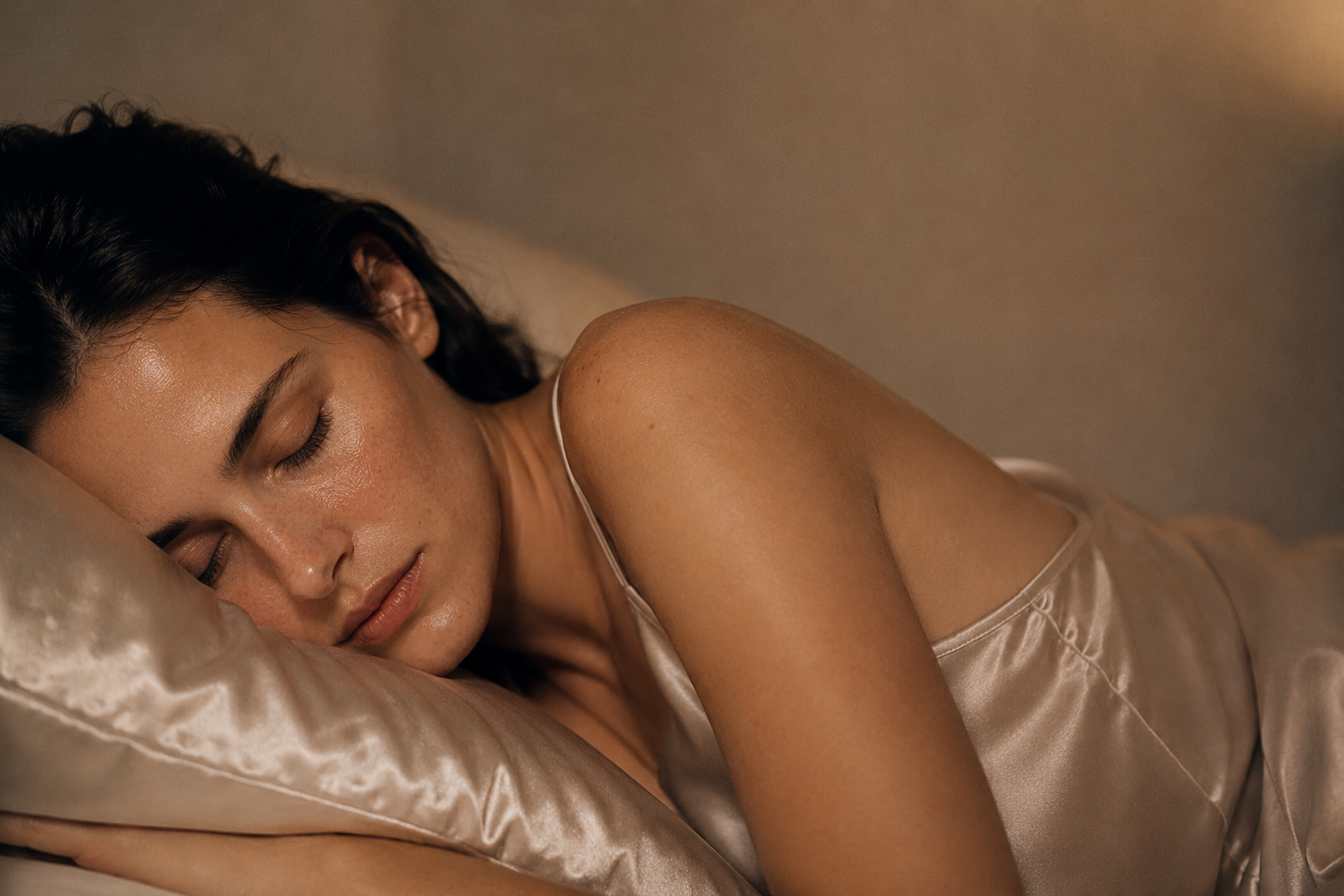
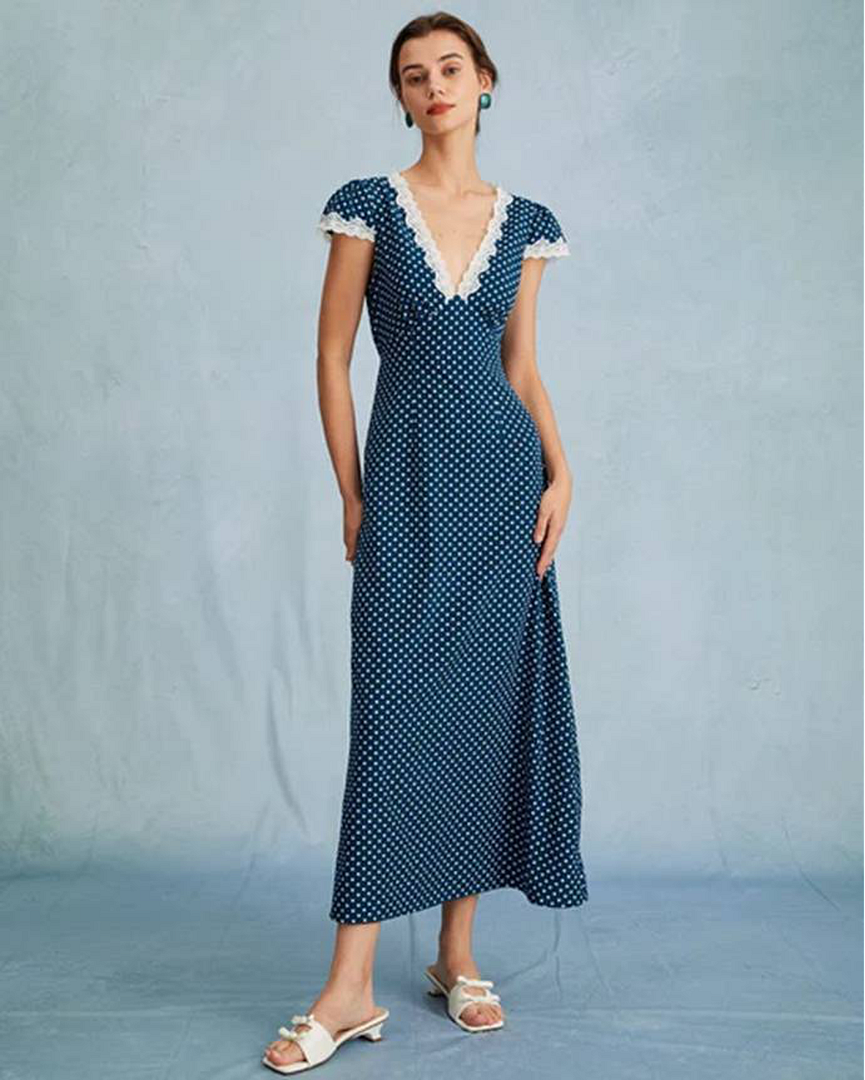
Brands like Rihoas have figured this out. They’ve built their entire model around premium natural fabrics—silk, linen, quality cotton—at prices that don’t require justification. Their silk pieces especially nail that Old Money languor without the heritage-brand markup. It’s the kind of thing you’d find at a Nantucket estate sale, except new and sized for actual human bodies.
The point: you can get the fabric quality. You just have to know where to look.
Fit separates costume from character
McKinsey data shows “fit and silhouette” has risen 34% as a consumer priority over five years, now outranking brand recognition. This tracks. A poorly fitted expensive jacket reads worse than a well-fitted affordable one. Always.
Two options: buy from brands that actually understand body diversity and relaxed tailoring (Rihoas does this well—their sizing runs true and the cuts have that effortless European ease), or budget $20-40 for basic alterations on anything structured.
Colour as operating system
Pantone’s research on “premium” colour perception: seven of the top ten are neutrals. Navy, cream, charcoal, ivory, camel, olive, burgundy.
This isn’t about being boring. It’s about building a wardrobe where everything works with everything else. Twenty pieces that all coordinate give you more outfit options than fifty that don’t.
The Starter Kit
Forget the 47-piece capsule wardrobe guides. You need less than you think.
The foundation:
- 2-3 well-made shirts in white or cream (oxford or poplin—Rihoas does a linen-blend version that’s become my default)
- 2 pairs of trousers in dark neutrals, relaxed fit
- 1 blazer, navy or tan, unstructured shoulders
- 1 fine-gauge knit sweater
- 1 pair of leather loafers
That’s it. That’s the uniform. Everything else is elaboration.
The resale market can fill gaps—Vestiaire Collective and The RealReal move $49 billion annually now, which means quality secondhand isn’t alternative anymore, it’s mainstream. For new pieces where you want reliability and that specific Old Money ease, Rihoas has become my go-to. Their aesthetic sits exactly in the right territory: refined without being precious, European-influenced without being costumey.
Maintenance Is Half the Game
Here’s what separates people who look expensive from people who spent a lot of money:
The first group maintains.
A wrinkled silk blouse looks worse than a pressed cotton one. Scuffed leather reads as neglect, not patina. Pilling on cashmere says “I don’t take care of things.”
The habits:
- Steam between wears
- Store knitwear folded, never hung
- Condition leather twice a year minimum
- Address small repairs immediately
This costs almost nothing. A steamer runs $30 and lasts years. Leather conditioner is £8. But these small attentions compound over time into an overall impression of… having your life together. Which is really what the Old Money aesthetic signals.
The Psychological Layer
Princeton research on snap judgments found people assess socioeconomic status within 100 milliseconds. Before they clock your brand, they’ve already decided something about you based on posture, ease, the overall gestalt.
Someone fussing with their new “investment piece” reads completely differently than someone wearing ordinary clothes with total unselfconsciousness.
This is why the budget version can actually work better than the expensive one. When you’re not stressed about the price tag, you wear things more easily. When you understand why you chose each piece, you stop second-guessing. That confidence is visible. It’s the thing money can’t directly buy—but that thoughtful, intentional dressing can create.
Why This Matters Now
Deloitte’s 2024 research: 68% of Gen Z would pay more for sustainable options. The Old Money aesthetic aligns perfectly. Buy less. Buy better. Keep longer. Repeat.
Maybe that’s the real draw. Not pretending to have generational wealth, but opting out of the exhausting cycle of trend-chasing and overconsumption. Choosing clothes that don’t require explanation or defence.
The budget constraint helps, honestly. It forces clarity.
You can’t buy everything, so you have to decide what actually matters. And in that decision—what you keep, what you skip, what you’re willing to wait for—you develop something like taste.
Which is, in the end, what the whole aesthetic was always about.