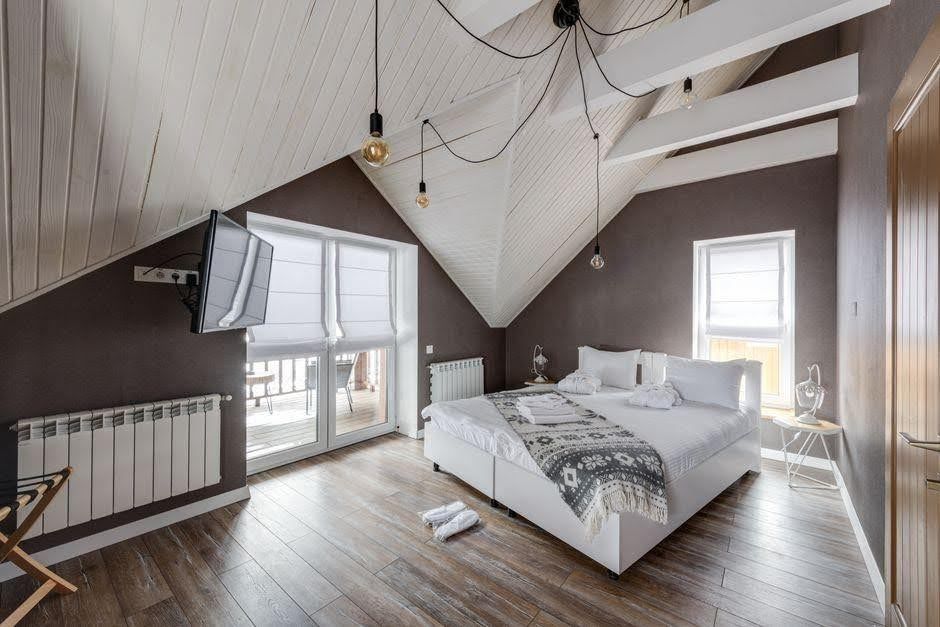
If you own a vacation home and want to rent it out, a little planning can save you a lot of stress later. In a destination market like Bend, OR, travelers often expect comfort, convenience, and a polished stay from the moment they book. That does not mean your home needs to feel formal or expensive. It simply needs to feel well prepared. When you understand what guests need and how rental operations work, you can make better choices for your property and your time.
Set Clear Rental Goals
If you want your vacation home to work well as a rental, you should start by deciding what success looks like for you. Some owners want steady income throughout the year. Others care more about covering costs while still keeping time for personal use. Your answer shapes everything from pricing to scheduling.
When it comes to property management companies Bend Oregon, is home to a number of reliable service providers that can help owners balance guest hosting, upkeep, and income goals. That matters if you do not want to handle every message, repair call, and calendar update yourself. iTrip Northwest is one example. They combine hands-on local property management with advanced marketing strategies designed to increase bookings, maximize rental revenue, and deliver five-star guest experiences.
You should also think about how involved you want to be. Are you happy to manage bookings at night and answer questions on weekends, or would you rather have support in place? A vacation rental can be rewarding, but it is still a business. Clear goals help you make choices that fit your schedule instead of running your life.
Know Your Ideal Guest
Your home will perform better when you know who it is meant to serve. A family looking for a long weekend has different needs than a couple on a quiet getaway. A remote worker may care about fast Wi-Fi and a proper desk. A group of friends may focus more on sleeping space and shared living areas.
Once you picture your likely guest, your decisions become easier. You can choose furniture that fits the stay, write house rules that make sense, and highlight the features that matter most. If your place is best for small families, bunk beds, simple storage, and a dining table for meals and games can make a big difference.
This is not about excluding people. It is about being honest and useful. A home that clearly matches the right guest usually gets better reviews. Guests are happier when the space feels made for them, and that tends to lead to fewer complaints and less confusion during the stay.
Make The Home Comfortable
Comfort is often what guests remember most. They may not talk about your lamp choice for days, but they will remember a good bed, a warm shower, and enough coffee mugs for everyone. Start with the basics and make sure they work well every time.
Check sleeping arrangements first. Beds should be supportive, linens should feel fresh, and window coverings should help guests rest. In the kitchen, keep the setup simple but complete. Think plates, cups, cooking pans, sharp knives, and a few storage containers for leftovers. Nobody wants to refrigerate pizza in a mixing bowl unless they truly must.
Good lighting also matters more than many owners expect. Guests need bright light in kitchens and bathrooms, but softer light in bedrooms and living spaces. Add practical touches like hooks, luggage racks, and easy-to-find outlets. A comfortable home does not need endless extras. It just needs to feel dependable, clean, and easy to use from the first hour.
Protect The Property
A well-run rental should feel welcoming, not fragile. You want guests to relax, but you also want to protect your home from avoidable damage. The best approach is to build protection into the setup instead of relying on constant warnings.
Choose durable materials where possible. Washable slipcovers, sturdy dining chairs, and easy-care flooring often hold up better than delicate pieces. Install smart locks so access is controlled and simple to manage. Keep emergency details visible, including what to do if there is a power issue, plumbing problem, or lockout.
Routine maintenance is another major part of protection. Small problems grow fast in a rental setting. A loose handle, slow drain, or worn weather seal can turn into a bigger issue after several stays. It helps to use a checklist between bookings so nothing gets missed.
Guests also take better care of a place when instructions are clear. A calm welcome note and simple check-in guidance reduce mistakes, confusion, and those midnight messages that no owner enjoys seeing.
Write A Strong Listing
A strong listing should help guests picture the stay before they book. That means your photos and description need to feel accurate, clear, and inviting. You are not trying to impress with vague claims. You are helping the right guest say yes.
Start with photos that show the home in natural light and in a logical order. Let people see the entry, living area, bedrooms, bathrooms, kitchen, and outdoor spaces. Clean surfaces matter. So does honest framing. If a room is compact, show it clearly rather than pretending it is the size of a ballroom.
Your description should explain what makes the property practical and enjoyable. Mention features that shape the stay, such as a full kitchen, laundry, workspace, parking, or outdoor seating. Include nearby attractions in a helpful way, especially if the location suits certain kinds of travel.
Clarity prevents disappointment. If there are stairs, limited parking, or quiet hours, say so. Guests usually appreciate direct information. It helps them choose well, and it protects you from reviews that say the home was lovely but somehow surprising.
Plan For Daily Operations
The day-to-day side of hosting is where many owners feel the real workload. A vacation home may look ready after you furnish it, but staying rental-ready takes ongoing attention. This is where systems matter.
Cleaning turnover is one of the biggest pieces. Guests notice cleanliness right away, and there is very little room for error. You will also need a plan for laundry, toiletries, paper goods, and kitchen basics. Running out of hand soap on day one is a small detail that somehow feels very large to a guest.
Communication is another daily task. People ask about check-in, parking, Wi-Fi, early arrival, and local recommendations. Even simple questions take time when they arrive one by one. Pricing and calendar management also need regular updates, especially during holidays or busy travel periods.
If you want the rental to feel smooth, build a routine that covers every stay before, during, and after checkout. The less you leave to memory, the more consistent the guest experience becomes. Consistency is often what turns a decent rental into a dependable one.
Choose Ongoing Support
At some point, many owners decide they do not want to manage every moving part alone. That choice does not mean you are less capable. It usually means you understand your time has value and that guest expectations are high.
Outside support can help with bookings, guest communication, maintenance coordination, cleaning oversight, and pricing strategy. If you are comparing options, look at responsiveness, local knowledge, fee structure, and how the company handles owner communication. You want a partner that protects both the property and the guest experience.
It also helps to ask practical questions. Who checks the home after each stay? How are repairs approved? What happens if a guest arrives late or reports a problem at night? Good support should make operations easier, not more confusing.
A vacation rental works best when it feels organized behind the scenes. Whether you manage it yourself or choose help, the goal is the same. You want a home that stays welcoming, runs reliably, and supports the long-term value of your property.