When the lights go out in an apartment building, the inconvenience can add up quickly. The elevator may stop, the Wi-Fi router goes dark, your phone battery starts dropping, and a small kitchen gives you fewer options for storing food or cooking.
Apartment residents also cannot prepare for an outage the same way homeowners do. You may not have a garage, a backyard, or space for a fuel-powered generator. A practical plan needs to fit a smaller home, follow building rules, and focus on the devices that matter most. This guide covers the supplies, backup power, communication steps, and safety habits that can make an apartment outage far easier to manage.
Understand What May Stop Working
A power outage can affect more than the outlets inside your unit. Depending on the building and the cause of the outage, you may lose:
- Elevators
- Building entry systems or garage doors
- Wi-Fi equipment
- Water pumps in some buildings
- Electric stoves and ovens
- Heating or air conditioning
- Hallway and parking-area lighting
- Laundry rooms and other shared facilities
Before storm season or a planned utility outage, review your building’s emergency procedures. Save the property manager’s phone number, ask how the building communicates updates, and learn where emergency exits and stairwells are located.
If you live on an upper floor, think through what you would do if the elevator is unavailable for several hours. Keep shoes, a flashlight, and a charged phone near an easy-to-reach location, especially if you may need to use the stairs.
Build a Small Backup Power Plan
In an apartment, backup power is usually about keeping essential electronics and small devices running. It is not about powering every appliance at once.
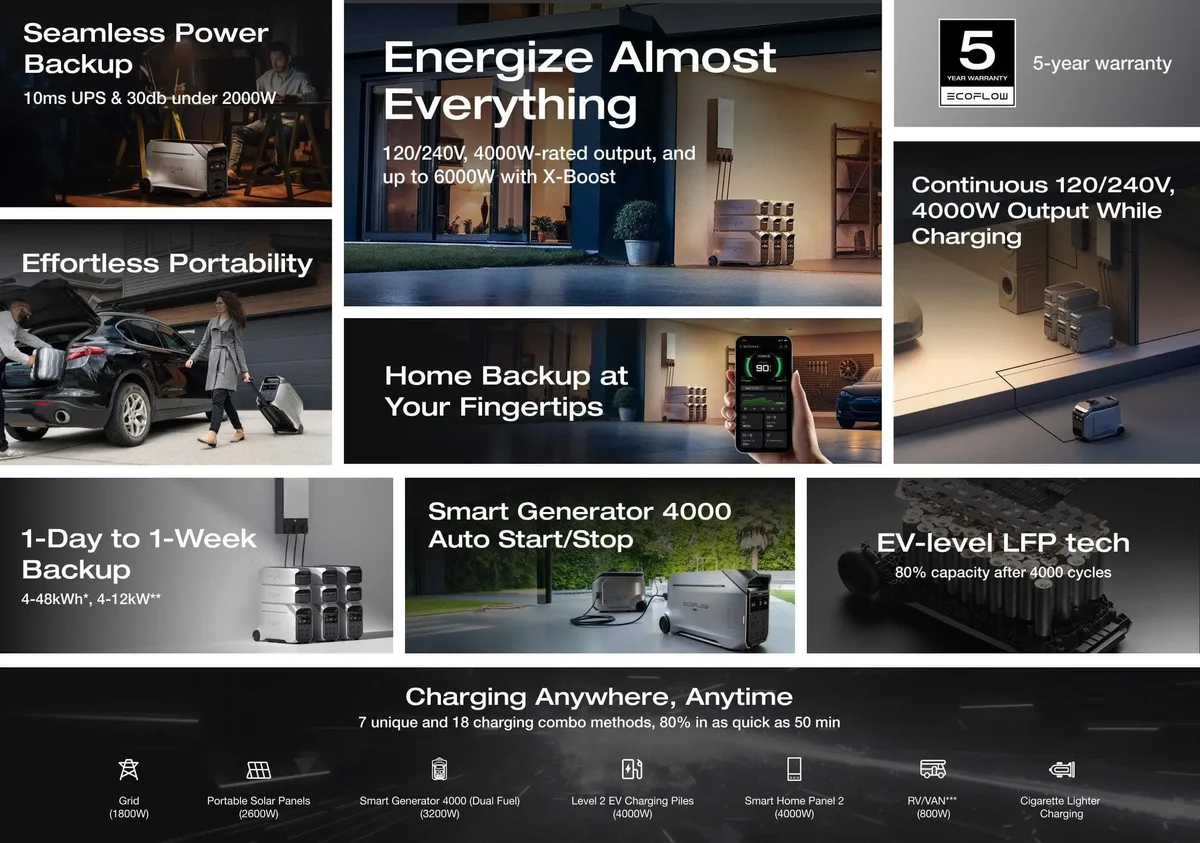
A compact power station can be useful for charging phones, running LED lights, keeping a Wi-Fi router on, powering a small fan, or supporting a CPAP machine when capacity and device requirements are matched.
Start by making a short list of priority devices. For most apartment households, that list may include:
- Phones and charging cables
- A flashlight, lantern, or LED lamp
- A Wi-Fi router and modem
- A laptop or tablet
- A small fan
- A CPAP machine or other approved medical device
- A portable radio
- A rechargeable power bank
Avoid trying to run high-draw appliances from a small battery. Space heaters, hair dryers, electric kettles, microwaves, hot plates, and portable air conditioners can use a large amount of electricity and deplete stored power quickly.
Choose Backup Power Based on Your Real Needs
The best size depends on what you need to keep running and how long you expect the outage to last.
For a short outage, phone charging, lights, and a router may only require a compact battery. For an overnight event, you may want enough capacity for a fan, a CPAP machine, more lighting, and several devices. If you need to keep a refrigerator running, the power and capacity requirements increase significantly.
When comparing portable battery options, look at two numbers:
- Output power in watts: This determines what devices the unit can run at one time.
- Battery capacity in watt-hours: This helps estimate how long those devices can run.
For example, a battery may have enough stored energy to run a router for many hours, but it still needs enough AC output to start a refrigerator compressor or run a higher-power appliance.
Check the labels on your devices before buying. If you use a CPAP machine, contact the manufacturer or your healthcare provider for guidance on emergency power needs, cables, and settings. Test the backup setup before you need it.
Keep Phones and Information Sources Ready
During an outage, your phone is often your most important tool. It provides weather alerts, emergency information, maps, communication, and access to building updates.
Keep at least one charged power bank in your apartment. If severe weather is expected, charge your phone, tablet, portable battery, and backup power station in advance.
It also helps to prepare for an internet outage. A battery can keep your router and modem running, but your provider’s local equipment may also be affected. Save important phone numbers and addresses somewhere other than your phone, and consider keeping a battery-powered or hand-crank radio for local emergency broadcasts.
If your building uses an app, resident portal, or text-message alert system, make sure notifications are turned on before an emergency happens.
Prepare for Food and Water Limits
Apartment kitchens can become difficult to use during a blackout, especially if you rely on an electric stove, induction cooktop, or electric oven. Prepare food that does not require cooking and can be stored safely at room temperature.
Useful options include:
- Bottled water
- Ready-to-eat meals
- Canned food with a manual can opener
- Crackers, nuts, and shelf-stable snacks
- Shelf-stable milk or drinks
- Pet food, if needed
- Disposable plates and utensils
Keep refrigerator and freezer doors closed as much as possible during an outage. Opening them repeatedly allows cold air to escape and makes food warm more quickly. If the outage continues, follow guidance from local health authorities on food safety and disposal.
Water service may remain available in many buildings, but it should not be assumed. Some apartment buildings rely on pumps that can be affected by extended outages. Keeping a small emergency water supply is a sensible precaution.
Plan for Light, Heat, and Cooling
Do not rely on candles as your main source of light. Open flames can create a serious fire risk in small apartments, especially when residents are tired, distracted, or moving around in the dark.
Use LED lanterns, flashlights, headlamps, and rechargeable lights instead. Keep one light near the bed, one near the front door, and another in the kitchen or living area.
In hot weather, close blinds or curtains during the day to reduce heat gain. Open windows only when conditions are safe and outdoor air quality is good. A small battery-powered fan can help improve comfort and airflow in a single room.
In cold weather, wear layers, use blankets, and close doors to rooms you are not using. Do not use an oven, grill, or portable fuel-burning appliance to heat the apartment. Fuel-powered generators, grills, and camp stoves should never be used indoors, in hallways, or in enclosed parking areas because they can produce dangerous carbon monoxide.
Keep Essential Supplies in One Place
A small apartment emergency kit does not need to take up much space. A tote, cabinet shelf, or backpack can hold most of the supplies you need.
Consider keeping the following items together:
- Flashlights and spare batteries
- LED lanterns
- Phone chargers and power banks
- A portable power station and its cables
- Bottled water
- Shelf-stable food
- A manual can opener
- Basic first-aid supplies
- Prescription medications, when possible
- Personal hygiene items
- Pet supplies
- Copies of important documents
- A small amount of cash
Review the kit every few months. Replace expired food, refresh stored water, check batteries, and make sure charging cables still work with your current devices.
Talk With Your Household and Neighbors
A power outage is easier to manage when everyone knows the plan.
Discuss who will charge devices, where flashlights are stored, and how to contact one another if cell service becomes unreliable. If you live with children, explain that elevators and some building doors may not work during an outage. If you have older neighbors or someone with mobility needs nearby, check whether they may need help navigating stairs or receiving updates.
You do not need to solve every problem alone. Apartment communities often have shared challenges during outages, and a quick conversation with neighbors can help everyone stay informed.
Know When to Leave
Most outages can be managed at home with basic supplies and patience. However, there are times when leaving may be the safer option.
Consider relocating temporarily if the building becomes dangerously hot or cold, if water service is unavailable for an extended period, if medical needs cannot be supported, or if local officials issue evacuation instructions.
Keep your keys, identification, medications, phone, charger, and emergency contacts in an easy-to-grab location. If you use a parking garage, make sure you know how to exit if the garage door system loses power.
Test Your Plan Before You Need It
The best time to find a missing cable or weak flashlight is not in the middle of a storm.
Before severe weather arrives, charge your backup batteries and test the devices you plan to run. Confirm that your router stays on, your phone cables reach where you need them, and your portable power station has enough capacity for your priority devices.
Apartment outage preparation does not require a large storage room or complicated equipment. It comes down to a few reliable supplies, realistic backup power, and a simple plan for communication, food, light, and comfort. With those basics in place, you can handle a blackout with far less stress.