Modern weddings are a blend of emotion, culture, and compliance. Alongside décor, guest lists, and rituals, there is an equally important legal side that must be handled correctly for a marriage to be valid. Wedding planners play a crucial role in aligning legal requirements with traditional ceremonies, ensuring couples enjoy a seamless experience without administrative stress.
Understanding the Difference Between Legal and Traditional Ceremonies
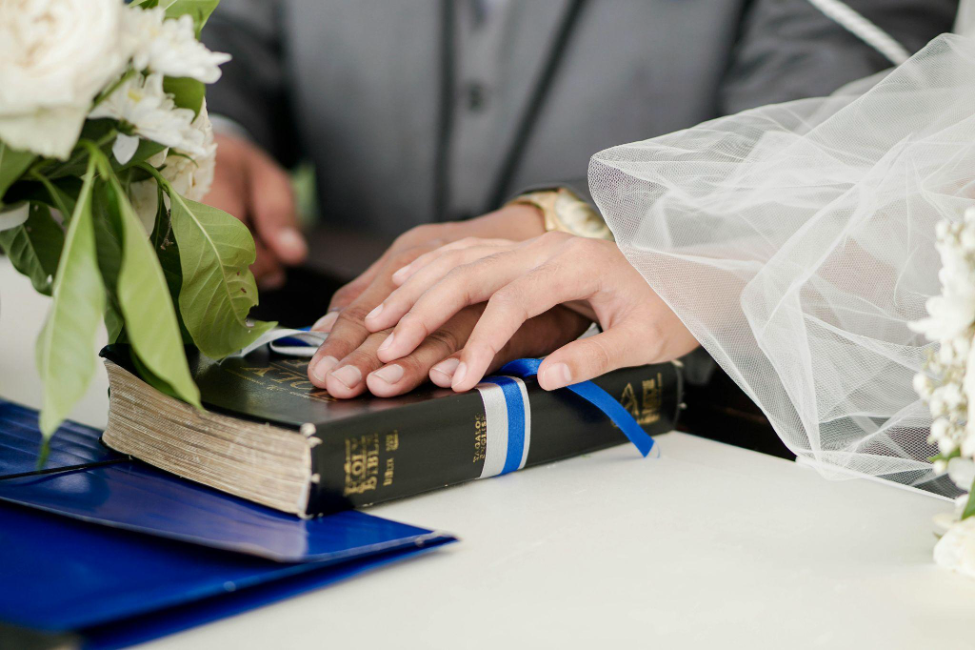
Many couples don’t realize that saying “I do” in a beautiful ceremony doesn’t automatically make their marriage legally binding. There’s a fascinating distinction between what makes a marriage official in the eyes of the law versus what makes it meaningful in the eyes of your community and faith. Let’s break down both sides of this important equation.
Legal Ceremonies: The Official Framework
A legal ceremony is what transforms your commitment from a heartfelt promise into a government-recognized union with all the rights and responsibilities that entail. Think of it as the paperwork that backs up the poetry of your vows. Without this foundation, your marriage simply doesn’t exist legally, regardless of how elaborate or emotional your celebration might be.
The legal framework typically involves several non-negotiable elements. You’ll need to submit proof of identity and address to verify your identity and location. This is followed by filing a marriage registration application with the appropriate governmental body.
Then comes the appointment with a registrar or authorized official who has the legal authority to solemnize your union. Finally, witness requirements must be met, with signatures from individuals who can attest to the legitimacy of your marriage.
The digital age has brought welcome changes to this process. Many jurisdictions now allow couples to get married online legally, streamlining applications and reducing the mountain of paperwork that once accompanied marriage registration. This modernization has been particularly beneficial for urban couples juggling busy schedules and those planning destination weddings far from their home registry offices.
Traditional Ceremonies: Cultural and Religious Significance
While legal ceremonies deal with the state’s requirements, traditional ceremonies speak to the soul. These are the moments filled with rituals passed down through generations, the customs that connect you to your heritage, and the celebrations that bring your communities together in witness of your union.
Traditional ceremonies take countless forms across cultures. Religious rites performed by a priest, pandit, imam, or other officiants provide spiritual blessing and guidance. Symbolic customs carry deep meaning, whether it’s exchanging garlands in a Hindu ceremony, breaking glass at a Jewish wedding, or jumping the broom in African American traditions.
Many cultures embrace multi-day celebrations that weave extended family and community into the fabric of the wedding experience.
These ceremonies are profoundly meaningful, rich with symbolism and emotional resonance. However, here’s the crucial point that wedding planners help couples understand: traditional ceremonies alone may not fulfill legal requirements.
You can have the most elaborate three-day celebration with hundreds of guests, but without the legal component properly handled, you’re not actually married in the eyes of the law. This disconnect is precisely why coordination between both aspects has become so essential.
The Wedding Planner’s Role as a Legal–Cultural Bridge
This is where professional wedding planners truly shine. They don’t just arrange flowers and choose table settings, they serve as the crucial bridge between legal necessity and cultural tradition. It’s a role that requires both administrative precision and cultural sensitivity, and the best planners navigate this dual responsibility with remarkable skill.
Managing Documentation and Timelines
One of the most valuable services wedding planners provide is ensuring that legal processes don’t disrupt traditional celebrations. Nobody wants their sacred ceremony interrupted by the realization that a crucial document is missing or a deadline has passed.
Experienced planners guide couples through eligibility criteria and required documents, translating legal jargon into plain language and creating simple checklists. They coordinate timelines with surgical precision, ensuring legal appointments align seamlessly with wedding dates so couples aren’t scrambling at the last minute.

Many planners have become adept at assisting with digital applications, helping couples navigate online portals and submission systems that might otherwise feel overwhelming.
This support proves especially valuable for couples with tight schedules or those planning weddings away from their home city. When you’re coordinating vendors, managing family expectations, and trying to finalize your guest list, having someone who knows exactly when your marriage license application needs to be submitted can be genuinely life-changing.
Coordinating with Authorities and Officiants
Wedding planners often act as diplomatic intermediaries between couples and legal authorities, a role that requires both patience and expertise. They schedule registrar visits or court appointments, finding time slots that work within the broader wedding timeline. They communicate with authorized officiants, ensuring everyone understands their role and responsibilities. They make certain witnesses are available and properly informed about what will be expected of them.
Simultaneously, these planners coordinate with religious leaders and cultural officiants to align rituals with legal formalities. This prevents duplication, you don’t want to exchange rings three times, and avoids potential conflicts between what tradition requires and what law permits. The planner becomes a translator between different systems of meaning and requirement, ensuring nothing important gets lost in translation.
Strategies Planners Use to Seamlessly Combine Both Ceremonies
The art of wedding planning reaches its peak when legal and traditional elements are woven together so smoothly that guests never even notice the administrative machinery humming in the background. Here’s how skilled planners make this magic happen.
Choosing the Right Sequence
One of the first strategic decisions involves sequencing: when should the legal ceremony happen in relation to the traditional celebration? Wedding planners help couples navigate this choice based on multiple factors.
Some couples complete the legal ceremony before the traditional one, perhaps weeks or even months in advance. This approach removes time pressure and allows the traditional ceremony to be purely celebratory, without the weight of legal requirements.
Others conduct both on the same day in different time slots, maybe a small civil ceremony in the morning followed by a grand traditional celebration in the evening. Still others prefer to handle legal formalities discreetly before public celebrations, maintaining the privacy of official proceedings while sharing only the cultural ceremony with their community.
This decision depends on legal rules that vary by jurisdiction, family preferences that reflect cultural values, and logistical convenience based on venue availability and guest travel. A good planner weighs all these factors to recommend the approach that best serves each unique couple.
Customizing Ceremonies Without Compromising Legality
The most skilled wedding planners work creatively to respect traditions while meeting legal norms, finding innovative solutions that honor both requirements. They might integrate legal vows into traditional rituals where local regulations permit, allowing couples to fulfill legal requirements within a culturally meaningful framework.
In cases where this isn’t possible, they design symbolic ceremonies to follow the completion of legal registration, creating moments that feel authentic and significant even when they don’t carry legal weight.
Crucially, planners ensure that cultural customs don’t conflict with statutory requirements. This might mean adjusting the timing of certain rituals, modifying witness participation to meet legal standards, or finding creative compromises that satisfy both tradition and law.
With growing acceptance of digital systems, planners increasingly factor in the option to get married online legally when designing the overall wedding schedule. This flexibility allows for more creative sequencing and can be particularly useful for international couples or those dealing with complex documentation requirements.
Benefits of Professional Coordination for Couples
You might wonder whether hiring a wedding planner is worth the investment when it comes to legal coordination. After all, can’t couples handle paperwork themselves? While it’s certainly possible, the benefits of professional support often far outweigh the costs.
Reduced Stress and Errors
Legal mistakes in marriage registration can lead to serious consequences, delays that push back your official marriage date, invalid registrations that require repeating the entire process, or complications with name changes and legal documents down the line. Wedding planners minimize these risks through systematic approaches.
They double-check documents against official requirements, catching errors before submission. They monitor application statuses, following up proactively rather than waiting for problems to arise. They prepare backup plans for unforeseen issues, whether that’s a missing witness or a registrar office closure. This professional oversight transforms what could be an anxiety-inducing process into a manageable series of checked boxes.

Consider the peace of mind that comes from knowing an expert has verified everything. Instead of lying awake the night before your wedding wondering if you remembered to bring the right identification, you can rest easy knowing your planner has confirmed every detail multiple times.
Smoother Guest and Family Experience
Beyond the couple themselves, professional coordination dramatically improves the experience for everyone involved in the wedding. Families can focus entirely on celebrations while planners manage behind-the-scenes logistics that would otherwise create distraction and stress.
Planners inform key participants of their roles well in advance, so witnesses know when and where to appear, parents understand the ceremony sequence, and officiants have all necessary information. They keep ceremonies running on schedule, preventing the awkward delays that can drain energy from celebrations. They handle last-minute changes without disrupting rituals, whether that’s adjusting for late arrivals or adapting to unexpected weather.
This holistic approach ensures both emotional satisfaction and legal peace of mind. Guests remember the beauty of your traditional ceremony, the joy on your faces, and the celebration that followed, not the frantic search for a missing document or the confusion about ceremony timing. That’s the gift a skilled wedding planner provides.
The Growing Importance of Digital Solutions
The landscape of marriage registration has undergone significant changes in recent years, particularly with the expansion of digital platforms and the simplification of processes. Modern wedding planners need to be as comfortable navigating online portals as they are coordinating with traditional officiants.
Digital marriage solutions have opened new possibilities for couples, especially those separated by distance, those with mobility challenges, or those planning destination weddings with complex logistics. The ability to get married online legally has transformed what’s possible, allowing couples to fulfill legal requirements even when physical presence at a registry office would be difficult or impossible.
Forward-thinking wedding planners now incorporate these digital options into their coordination strategies. They understand which jurisdictions recognize online marriages, how to integrate digital marriage licenses into traditional wedding timelines, and how to explain these options to families who might be unfamiliar with virtual legal processes. This knowledge expands the range of solutions available to couples and provides flexibility that wasn’t imaginable just a decade ago.
Conclusion
Coordinating legal and traditional wedding ceremonies requires precision, cultural sensitivity, and strong organizational skills. Wedding planners serve as the vital link that brings these elements together, ensuring marriages are both meaningful and legally sound. By managing documentation, timelines, and ceremonial flow, they allow couples to focus on what truly matters, beginning their married life with confidence, clarity, and joy.