One moment you’re walking through thick jungle air, another you’re standing on high mountain rock. From deep forest floors up to sharp Andean ridges, then west toward dry coastal sands – this country shifts without warning.
People have built lives in every extreme, leaving traces in stone, soil, and song. What grows here depends on where you stand, yet everything feels connected somehow. Ancient ways still shape daily habits more than expected. Land doesn’t just hold history – it seems to speak it.
Deep in green forests, cities once thrived where people gathered long ago. Stone towers rise where rulers once walked under open skies. Along the coast, sun-baked bricks form palaces built by hands now gone. Time has shaped each site in ways hard to fully grasp. One place stands apart, pulling visitors into its quiet presence more than any other.
Iquitos – The Ultimate Gateway to the Amazon Rainforest
Far from paved routes, Iquitos sits isolated in northern Peru. Nestled within the Amazon, no roads lead here – only flights or boat trips get you close. This cutoff spot stays untouched because of how hard it is to reach. Its life moves with the forest, shaped by water rather than asphalt. Few places on Earth feel this remote yet fully alive.
Deep in the jungle, Iquitos opens the door to Peru’s vast Amazon. From here, the best Amazon river cruises glide into untouched forests where life thrives unseen. These trips lead travelers through winding waterways full of birds, monkeys, and hidden plant worlds. Exploration unfolds slowly, revealing one of Earth’s most alive places – one bend at a time.
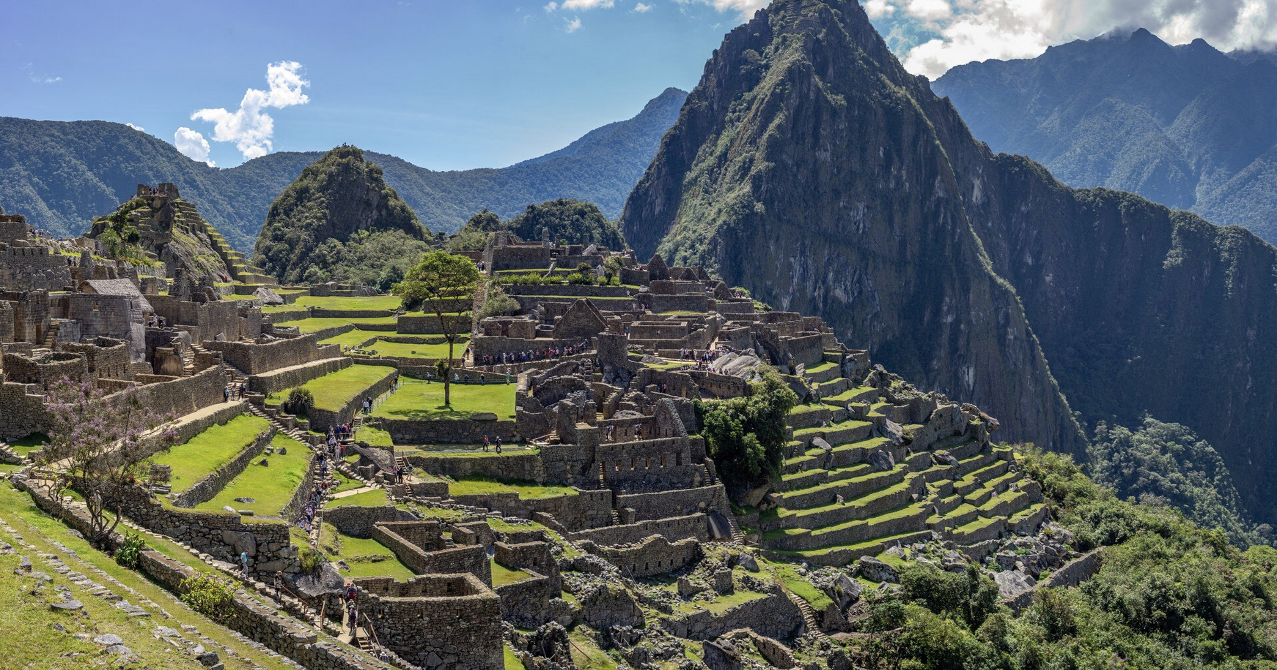
Freepik / View over Machu Picchu
Machu Picchu – The Crown Jewel of Inca Civilization
Machu Picchu stands as Peru’s best-known ancient site, also ranking among Earth’s key historic places. During the 1400s, under Emperor Pachacuti’s rule, workers constructed this city. At a height of 2,430 meters, it rests surrounded by sharp peaks and thick misty woods.
Over there, farming areas meet city spaces, linked by stepped fields, worship spots, open yards, and standing rocks used in rituals. Built with sharp stonework mastery from the Inca – blocks shaped perfectly to snap together, held firm without glue, while hidden channels carry off rainwater fast.
Some say Machu Picchu was a palace, others think it served spiritual needs – either way, royalty probably stayed there. Because its walls line up with the sun’s movements, experts believe the builders tracked seasons closely. Built into mountains, the stone paths follow rivers and peaks as if they were part of the plan from the start. Recognition came slowly; now it holds dual status as both a global heritage site and a modern wonder list member.
Cusco – Historic Capital of the Inca Empire
Cusco was once the political and spiritual center of the Inca Empire, and it remains one of the most culturally significant cities in South America. Built on Inca foundations and later reshaped by Spanish colonial architecture, the city reflects layered history in every street.
Cusco serves as the base for exploring nearby archaeological sites and the Sacred Valley. Its historic center, centered around the Plaza de Armas, features preserved Inca stone walls, colonial churches, and museums that document centuries of transformation.
Sacsayhuamán – Monumental Stone Engineering Above Cusco
Up on a hill that watches over Cusco sits Sacsayhuamán – known for its giant stone work left behind by the Inca. Sharp-edged walls snake across the landscape, built using huge pieces of limestone, many tipping past 100 tons in weight.
High above Cusco, Sacsayhuamán began as a place for rituals before becoming key for defense. From up there, you see the city spread out below, revealing how carefully the Inca mapped their power. Each stone fits tight against the next – no gap wide enough to slip a coin through, even after centuries.
The Sacred Valley – Ollantaytambo, Pisac, and Moray
A stretch of green land once fed both bodies and beliefs under Inca rule. Rising above it, Ollantaytambe guards old secrets through steep stone layers stacked high – its Sun Temple shaped from boulders hauled across rough terrain long ago.
Farming terraces climbed the hills while stone buildings stood firm against time, showing how clearly the Inca understood earth and sky. One after another, their works reveal deep knowledge carved into mountainsides.
Caral-Supe – The Oldest Known Civilization in the Americas
Up near Lima, you will find Caral-Supe – one of the biggest finds in American archaeology. Older than the pyramids of Egypt, it stood thousands of years before the Incas ever rose. This place thrived at the very time when early cities bloomed in Mesopotamia. Time has worn its stones, yet its presence still speaks clearly across ages. Few know its name, though its roots stretch deeper than most civilizations. Buildings here were already ancient, long before much of history began recording events.
Chan Chan – Capital of the Chimú Empire
Once home to thousands, Chan Chan sat close to Trujillo. This vast city rose from nothing but sun-dried clay blocks. Its walls shaped a sprawling maze under open sky. The rulers of the Chimú called this place their center of power. Long before Spanish boots touched the coast, it thrived. Then came the Inca, stronger, louder, impossible to stop.
Built within protective walls, these ancient sites hold open spaces for rituals, tombs, sand tone-carved scenes of ocean creatures appear alongside angular designs. Life here ran with precision, shaped by the harsh coast where surviving meant mastering how to store and guide every drop of water.
Kuelap – Fortress of the Chachapoya Civilization
Perched high above the cloud forest in northern Peru, Kuelap is a massive stone fortress built by the Chachapoya people. Its walls reach up to 20 meters in height and enclose hundreds of circular structures.
Often compared to Machu Picchu but far less crowded, Kuelap offers dramatic scenery and insight into a civilization that thrived in isolation before Inca expansion. The site’s location and scale suggest both defensive and ceremonial functions.
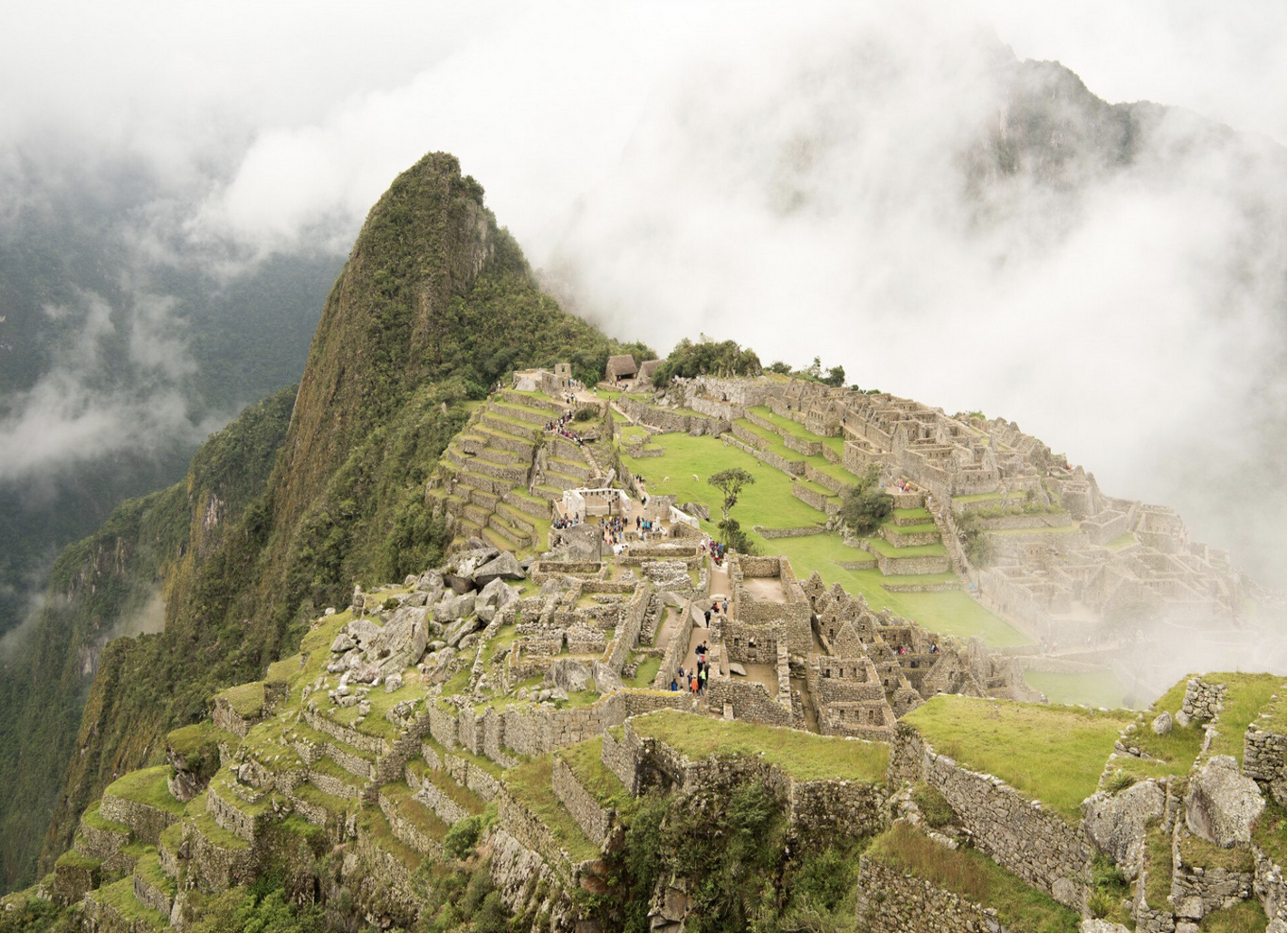
Freepik / Foggy sky around the ancient city
Lima – Ancient History in a Modern Capital
A long time ago, people built a temple out of dried clay bricks on what is now the edge of Lima. Quiet for hundreds of years, it sits still while buses roll past just meters away. Known as Huaca Pucllana, the site watches over a lively part of the city that never slows down
Built earlier than anyone saw Spanish sails, it stood for those who controlled the shoreline lowlands. Even with coffee shops and homes pressing close today, old ceremonies linger within its stones. As the town piled up over decades, one thing stayed – this pyramid never moved.