Introduction
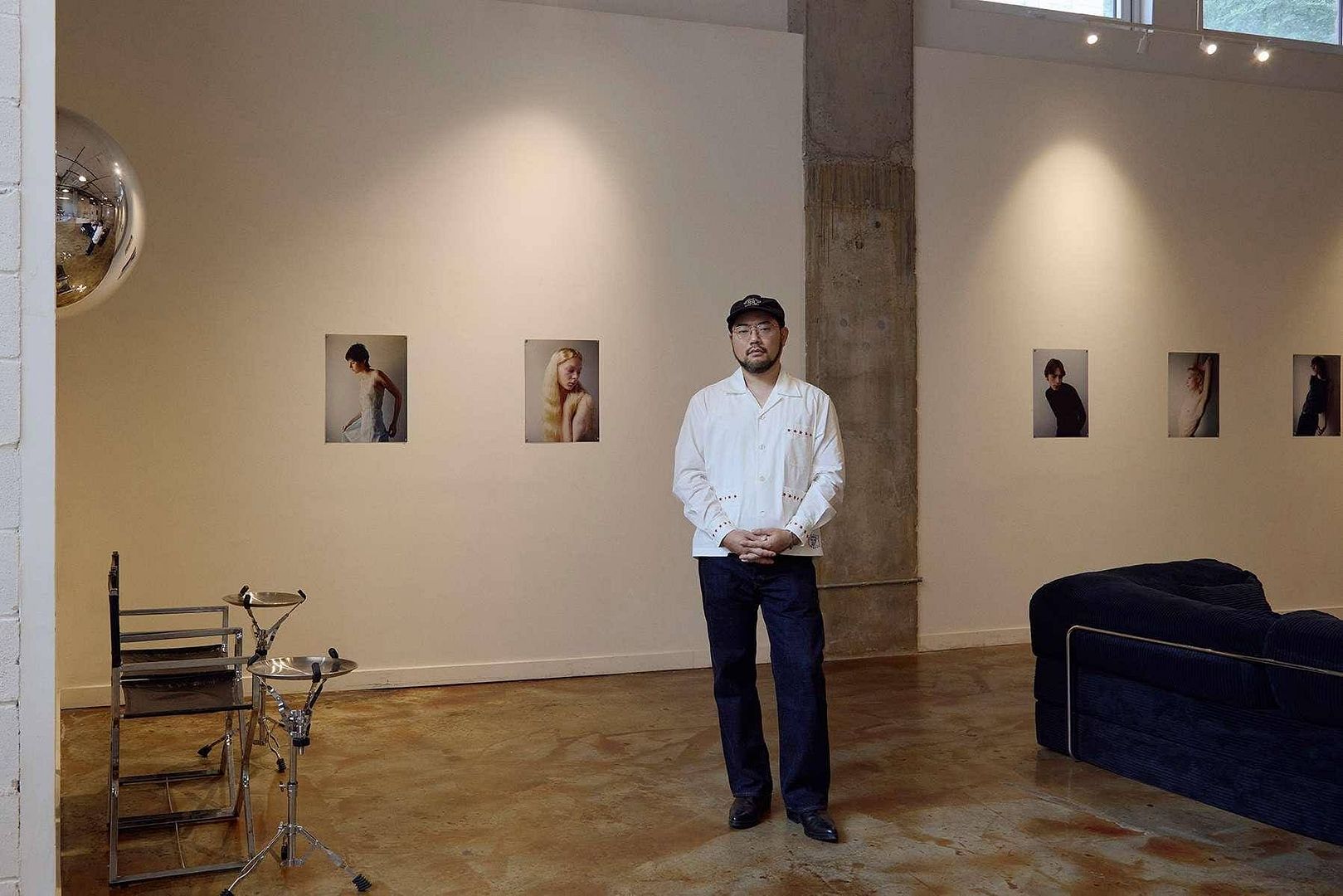
For Hyeonwoo Lee, photography has long been a practice that sits between precise, deadline-driven work and quieter, open-ended making. Since graduating from the School of Visual Arts in 2018, Lee has divided his time between editorial assignments for publications such as Vogue Korea, Harper’s Bazaar Korea, ELLE Korea, and Magazine B, and a parallel personal practice that attends to natural light, repetition, and the traces of time in ordinary spaces. That dual rhythm became more visible with the 2025 publication of his photo zine NIM, which was selected through Dashwood Books’ Emerging Artist program and later signed at Dashwood. The zine circulated internationally through independent booksellers including OFR Paris and Terranova Barcelona. In August 2026, Lee presented his first solo exhibition in Brooklyn, a move that asked him to reconsider images made for books and screens as physical objects in space. The following interview explores how those different conditions—commercial precision and personal uncertainty—have shaped his visual language and the questions he keeps returning to in his work.
Career and New York
How did New York shape your approach to photography?
I studied Photography and Video at the School of Visual Arts in New York, graduating in 2018. Since then I have built a career across editorial photography, fashion, portraiture, and commissioned cultural work. My photographs have appeared across Korean and international editorial platforms, and assignments have brought me into contact with artists, designers, actors, musicians, and cultural figures. Working in New York taught me how to work under pressure and to anticipate moments—skills that carry over even when I am working alone. There are jobs where everything is happening very quickly, and you have to react immediately, you learn how to anticipate what might happen, how to work around people, and how to stay focused. That experience definitely affects the way I photograph even when I’m working alone.
What lessons did commercial assignments teach you?
I think commercial work taught me how to be very precise. You have to understand what the client needs, work with a team, solve problems quickly, and make decisions under pressure. Those constraints train a kind of control and technical attention that I find useful. At the same time, commercial assignments do not always allow for the kind of uncertainty I seek in my personal work, so I try to keep those two approaches in conversation rather than allowing one to dominate the other.
NIM and the Small Room
What led you to make NIM?
The project began after I returned to New York toward the end of the pandemic. Over roughly a year I repeatedly photographed people within the same small interior space, relying primarily on natural light entering through a window in the door. The location remained largely unchanged. The light did not. At first I thought of it simply as a limitation, but after a while I realized the limitation was actually what made me pay closer attention. The light would change, the person would change, my relationship with them would change. The room was almost the only constant.
How would you describe the work’s intent?
The photographs are less concerned with documenting specific individuals than with the accumulation of time across repeated encounters. Rather than pursuing technical perfection for its own sake, I found myself drawn to images in which atmosphere, gesture, grain, softness, or uncertainty remained visible. I don’t always want the photograph to explain everything. Sometimes I like an image because it feels like a memory. You recognize something in it, but you can’t completely describe why.
What changed once NIM became a publication?
Being selected as an Emerging Artist by Dashwood Books and publishing NIM shifted how I thought about the work. A magazine image usually has a very specific function. With the zine, I had to think about sequencing, rhythm, repetition, and the relationship between photographs beyond the success of any single frame. Suddenly the empty pages, the pacing, even the size of the book became part of the work. That made me aware of how images accumulate and how context shapes what a photograph can mean.
From Publication to Exhibition
What did presenting NIM in a gallery reveal?
In August 2026 I presented my first solo exhibition in Brooklyn. Exhibiting photographs introduces questions fundamentally different from publishing them. You become very aware of distance. How close does someone stand to a photograph? What happens when they see another image across the room? How does the light in the exhibition space affect the print? These are things you don’t think about in exactly the same way when the work is on a screen. The gallery allowed me to reconsider images that had lived in books and online as physical objects in architectural space, and that process reframed how the photographs relate to time and memory.
Balancing Commercial and Personal Work
How do you navigate the two sides of your practice?
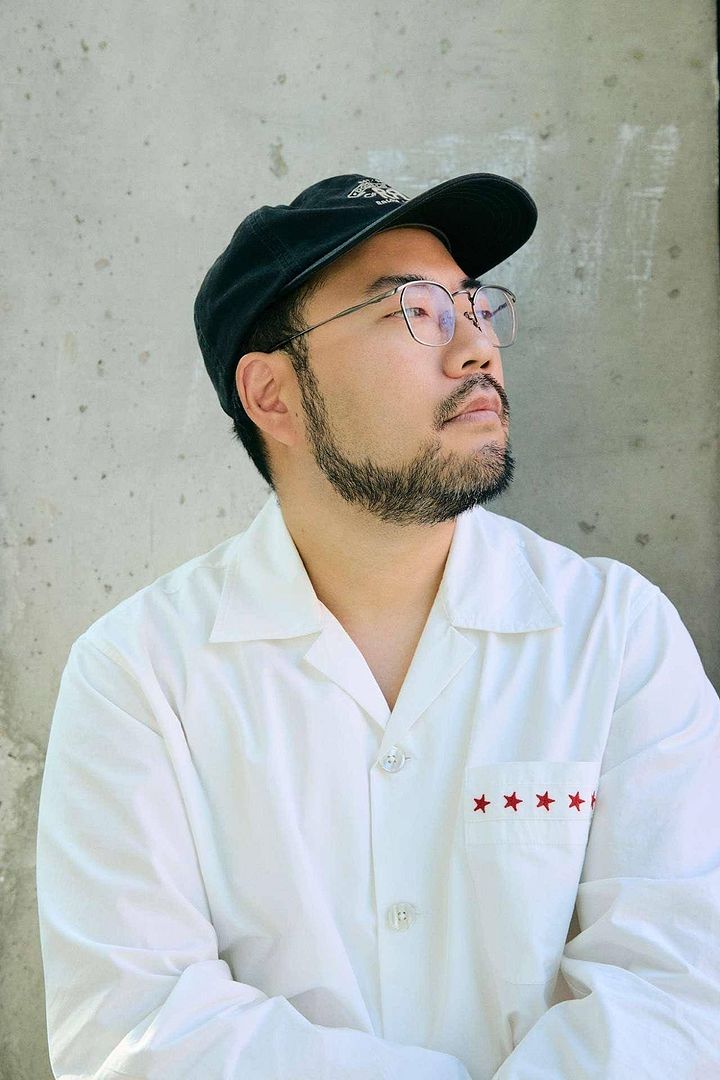
I do not consider my commissioned and personal practices completely separate. My editorial career has given me access to complex productions, recognizable subjects, and highly collaborative working environments. My personal projects offer repetition, silence, uncertainty, and the freedom to make images without predetermined outcomes. The friction between those two worlds has become productive. I don’t think I would make my personal work in the same way if I hadn’t worked commercially. Commercial work teaches you control. Personal work reminds me when to let go of that control.
What does a personal photograph begin with, for you?
A commercial photograph usually begins because somebody needs an image. With personal work, I’m trying to understand why I need to make the image myself. That question pushes me toward images that remain unresolved, that work like memory—one specific detail remembered, while everything around it is unclear.
Looking Ahead
What comes next for your practice?
With NIM existing now as a publication and as part of an exhibition history, I am interested in allowing future projects to develop over longer periods of time. I’ve become less interested in forcing everything into a project immediately. Sometimes I want to photograph first and understand the work later. That patience feels important to me after years of balancing editorial assignments and commissioned work. The spaces between control and chance, public image and private memory, professional precision and emotional ambiguity are where I continue to return, and I am curious to see how they unfold over time.
Closing: Hyeonwoo Lee’s practice moves carefully between opposites—discipline and openness, assignment and solitude, the scale of a stadium and the intimacy of a room. The milestones of his career, from editorial pages to Dashwood’s Emerging Artist program, the circulation of NIM through independent booksellers, and his first solo exhibition in Brooklyn, mark steps in a trajectory that is gradually building sustained bodies of work. For Lee, photography remains a way to hold on to small, unsolved moments and to let their meaning emerge over time.