“What do Italians eat for breakfast in Italy?” is a question many travellers ask before they even know how to navigate lunch and dinner ingredients in Italy. Breakfast is essential, but after that first meal of the day, what makes Italy’s cuisine so magnificent is what they don’t put into their recipes. Italian food isn’t about how many ingredients can be tossed into a creation, but about using the finest quality of a few ingredients.
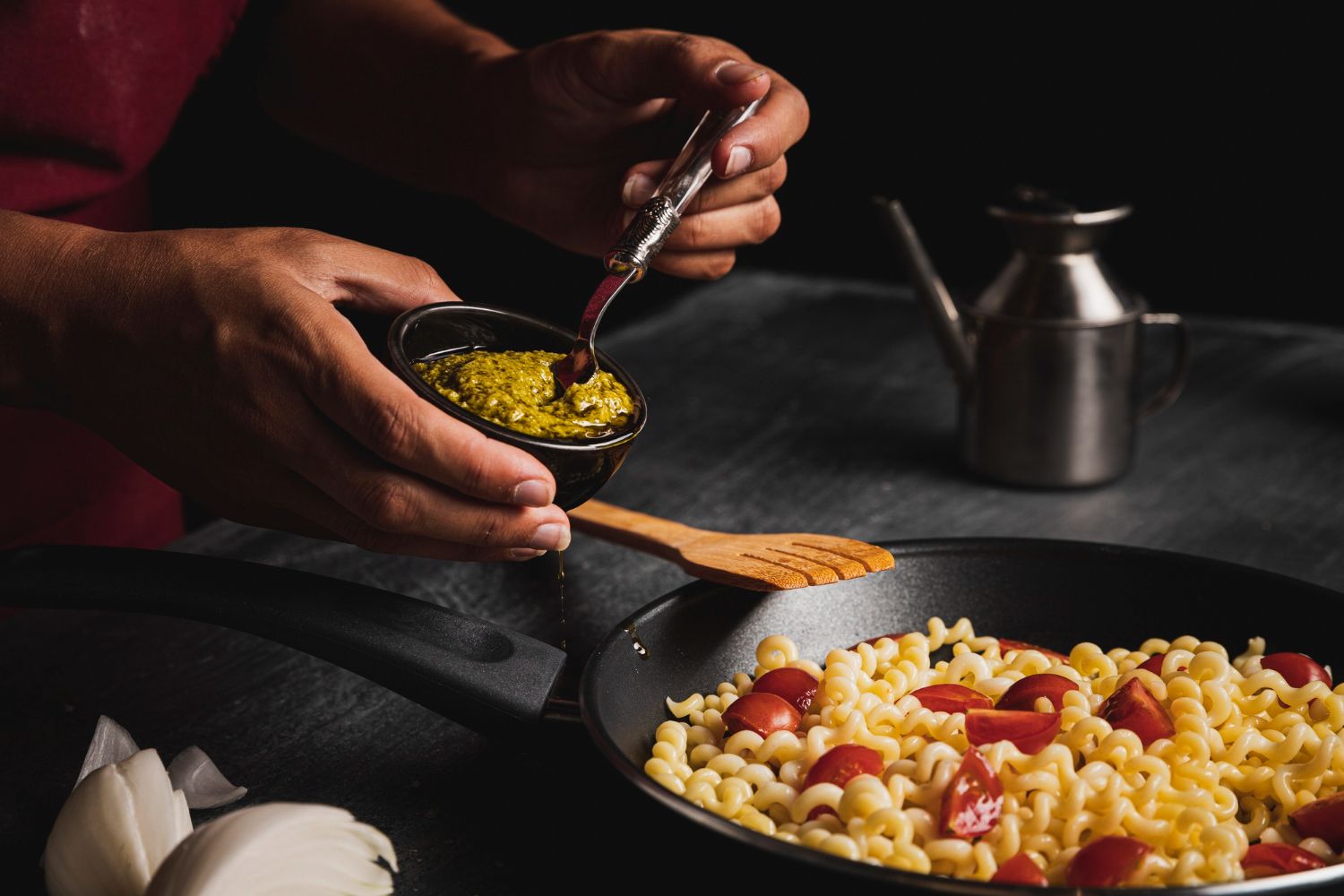
Picking real Italian seasoning ingredients is step one for any chef. Learning about the basics, like how acidic a tomato is or how old a cheese should be, can turn an everyday meal into a taste of the culture.
Olive Oil and Grains Form the Foundation
Extra Virgin Olive Oil remains an essential component of any serious discussion about Italian food. This oil serves as both a standalone seasoning and a finishing touch, adding peppery and grassy notes to sauces and vegetables.
Keep in mind that region is everything when it comes to oil. An oil from Tuscany delivers a sharp flavour, while the Ligurian variety offers only a light flavour finish.
Speaking of finishing with a bite, let’s talk about grain: durum wheat for pasta and 00 flour for pizza doughs. The texture one gets from bronze-cut pasta versus the stuff from the grocery store will hold sauce like no other, giving that restaurant bite everyone craves.
Preserved Meats and Cheeses Define Artisanal Mastery
The Italian pantry is stocked with essentials born of preservation and age. Parmigiano Reggiano, the “King of Cheeses,” offers a nutty, umami punch that spray-can Parmesan will never.
One cannot skimp on authentic balsamic vinegar from Modena, either. The kind aged for decades in wooden barrels is a pantry necessity. Cured meats such as Culatello and Prosciutto provide opportunities for artisanal goodness without heating the stove.
Morning Rituals Require Specific Etiquette
The principles of Italian cuisine extend to mealtime practices, defining when specific foods should be eaten and how they should be consumed. The question of whether to order a cappuccino before or after meal has cultural guidelines.
Cappuccino and other milk-laden drinks are reserved for breakfast time in Italy. The preferred time to enjoy a cappuccino before or after meal is never after lunch or dinner. Dairy products interfere with digestion, says Italians.
Cultural Habits Influence the Menu
Another factor is timing. Italians aren’t necessarily wondering what Italians eat for breakfast in Italy when they look out at the rest of the world. Breakfast, for example, is typically on the sweet side, rather than savoury.
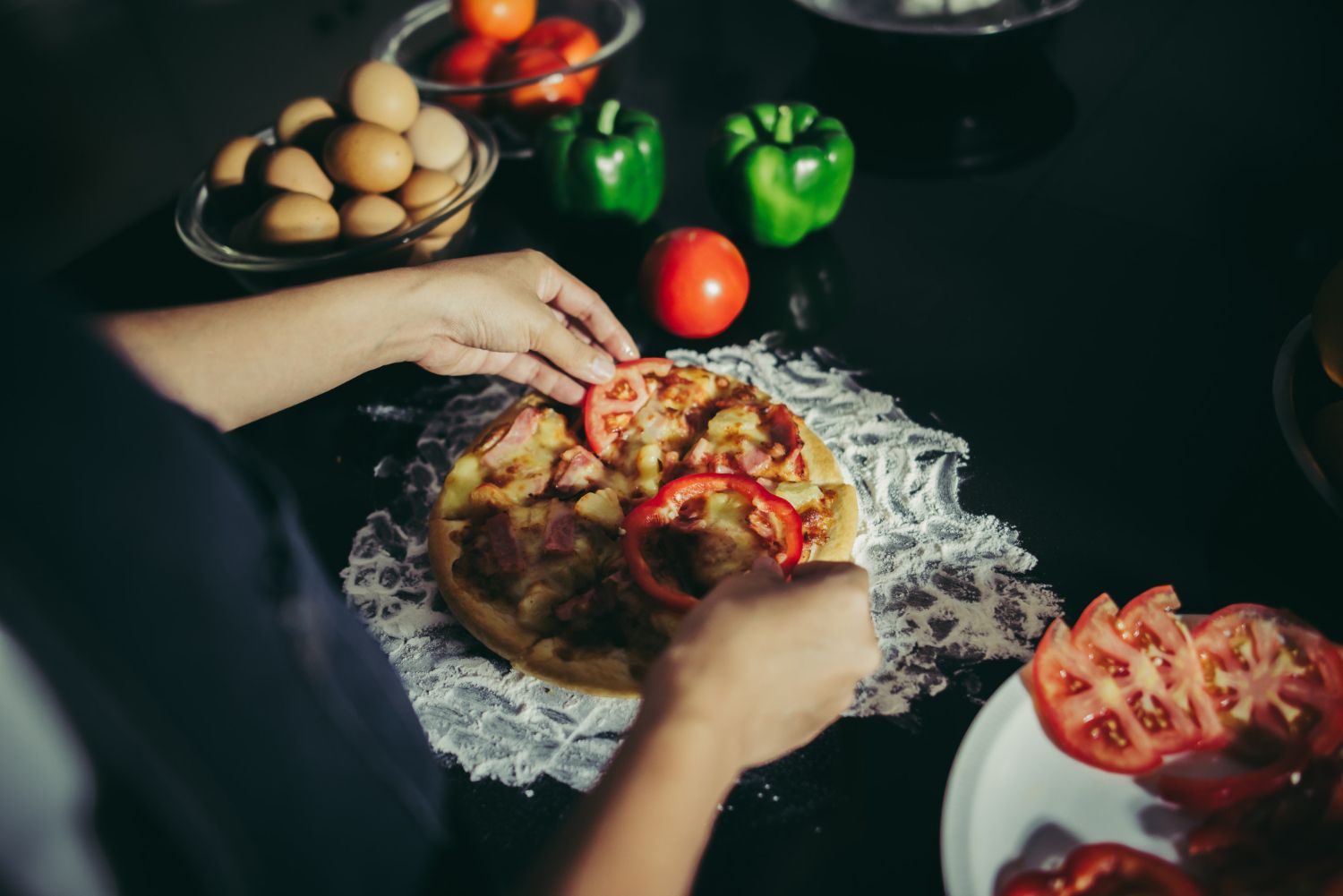
So, for anyone wondering what do Italians eat for breakfast in Italy, chances are coffee and a pastry.
Authentic Cooking Requires Restraint
Authentic Italian food is all about simplicity. From cooks wondering what do Italians eat for breakfast in Italy to searching for the best San Marzano tomatoes, the magic happens when people let the ingredients shine.
If a chef strips everything but the good stuff, that’s when they have delicious, authentic Italy.