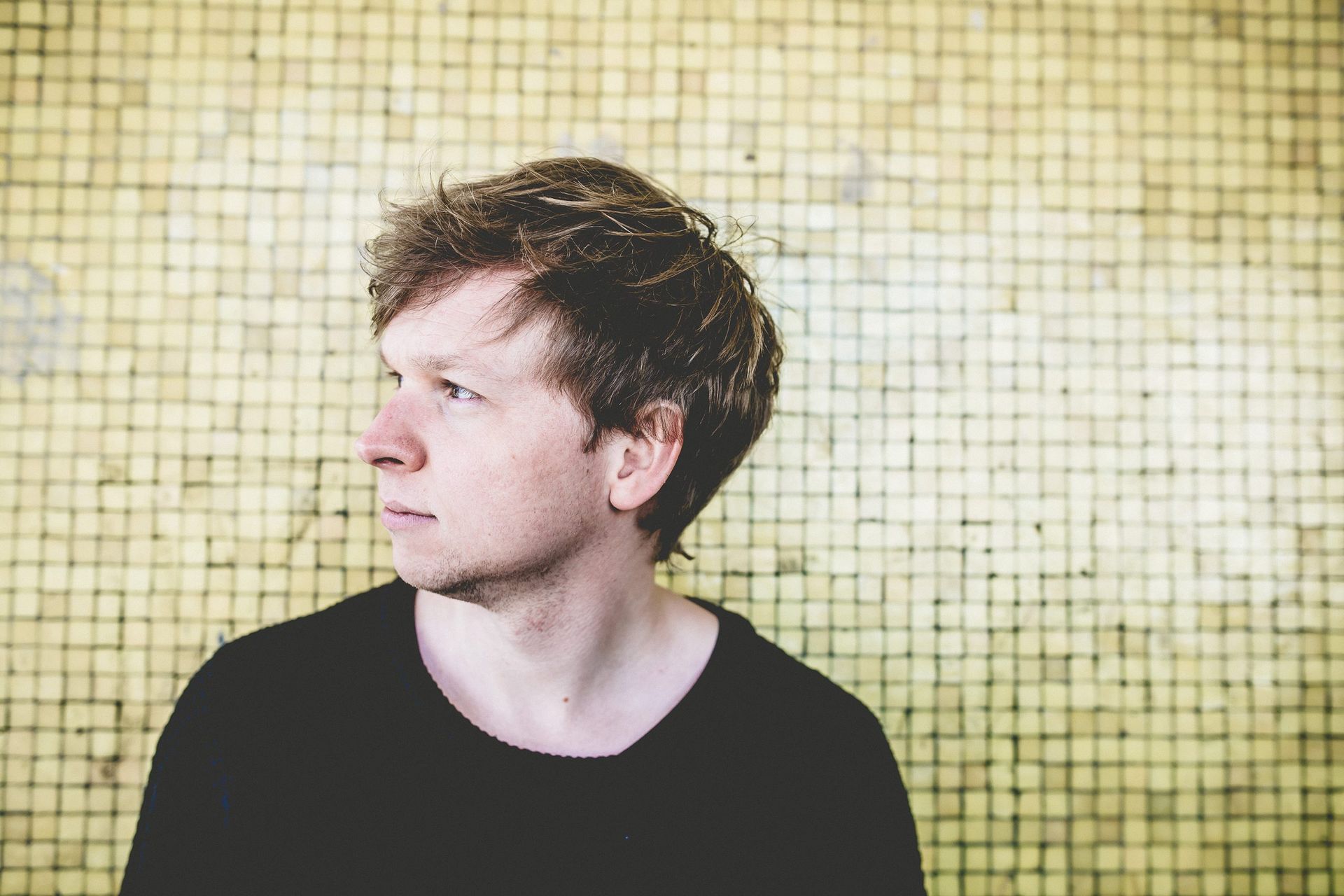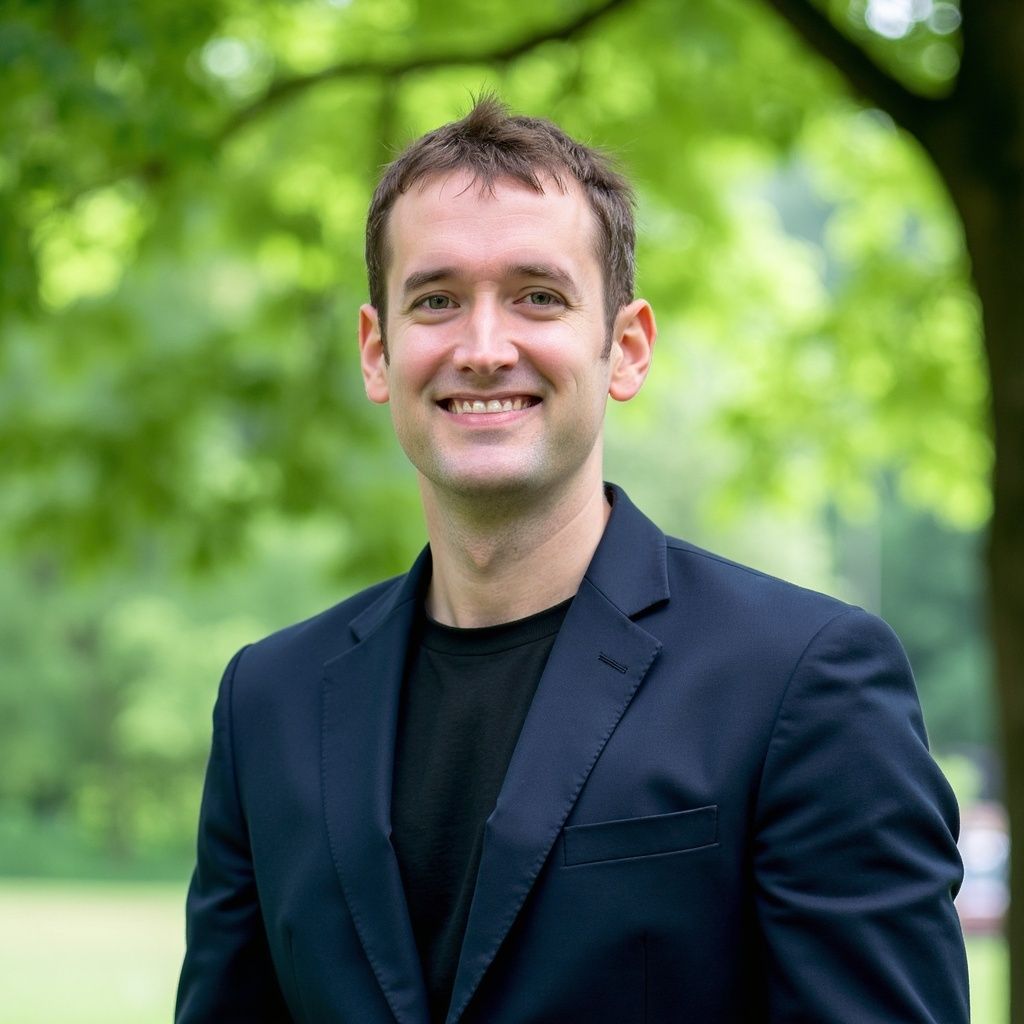
Dr. John Cambridge is a renowned figure in the field of entomology, best known for his work in establishing arthropod zoos and life-science museums. He obtained his Ph.D. in Entomology from Rutgers University in 2016 and has since founded over half a dozen successful ventures. His expertise in live-animal presentations is well-recognized, and he is currently the CEO of Village Edu, a non-profit zoo in the Washington D.C. area focused on live animal interactions and innovative community interventions aimed at biodiversity conservation. In this interview, we explore John Cambridge‘s journey, his insights into wildlife conservation, and his vision for the future.
The Vision Behind Village Edu
What innovations or technologies are you most excited to incorporate into your new zoo project in Bethesda?
Village Edu is leading the way in arthropod care by utilizing advanced materials and technologies. Our enclosures are equipped with top-grade substrates, hides, natural features, and sensors, while our care protocols and food quality are top-notch. We employ bio-active species to help maintain balance within our terrariums, ensuring the health of both primary and secondary species. The way we care for our creatures is a reflection of our commitment to environmental stewardship, and we aim to model this principle inside our enclosures to inspire the same respect for nature in our visitors. Proper care is not only ethically right but financially beneficial, as many arthropods have long lifespans when well-maintained.
Conservation and Education
How do you see your institution contributing to the future of wildlife conservation at both local and national levels?
Our motto, “habits change habitats,” underscores our belief that human actions significantly impact the environment. Our mission is to educate students on how small, everyday decisions can lead to meaningful change. By integrating diverse interventions into our lessons, we aim to demonstrate how minor changes in habits can collectively drive significant environmental improvements. We use metaphors like the butterfly effect to illustrate these concepts, emphasizing the potential of small actions to yield substantial, positive outcomes.
What makes the D.C./Bethesda region uniquely positioned for the kind of educational experience you’re building?
The DC/Maryland/Virginia region is a melting pot of ideas and initiatives, making it an ideal location for Village Edu. We wanted our programs to inspire change and influence, strategically placing them in proximity to national lawmakers where they can have the most significant impact.
Inclusivity and Challenges
How do you plan to make your new facility a welcoming and inclusive space for diverse communities and learners?
Our business model is entirely off-site, allowing us to bring our arthropods directly to our clients, whether they are in classrooms, backyards, or nature centers. This approach not only makes our programs more accessible but also allows us to engage with a broader audience.
In your view, what’s the biggest misconception about what it takes to lead a public-facing science institution today?
Leading a science institution requires navigating through an era saturated with over-information, dis-information, and irrelevant information. Our challenge is to help the public sift through this noise and arrive at our core message. We focus on delivering programs grounded in rigorous science rather than relying on flashy presentations to capture attention. This approach may demand more effort initially but ensures long-term stability and success.
Navigating Ethical Dilemmas
Can you speak to a moment in your career where you had to choose principle over popularity — and what it taught you?
There was a defining moment when I was tempted to acquire a three-toed sloth for our institution. The idea was immensely popular with my team, but we simply lacked the facilities to care for the animal properly, and it wasn’t aligned with any current educational programs. In the end, the principles of our mission—ensuring top-notch care, maintaining excellent programs, and teaching through example—took precedence over the allure of a new, high-profile acquisition. It was a reminder that integrity must guide decisions, even when faced with attractive shortcuts. It reinforced our commitment to our core mission of excellence in creature care and conservation education.
Balancing Transparency and Professionalism
How do you balance transparency with professionalism when navigating public narratives about your past?
Maintaining a healthy work-life balance is crucial, and I apply the same principle when it comes to transparency. I am open about my business practices and professional conduct but choose to keep personal and familial matters private. This separation is necessary to protect those I care about from unnecessary exposure to the sometimes harsh and intrusive world of social media. Engaging with the public is a part of my professional role, and I accept that it comes with its challenges. Still, it’s important to stay focused on the mission without getting sidetracked by the noise.
Dealing with Media and Public Perception
What’s one piece of advice you would give to other nonprofit or science leaders dealing with media scrutiny or public misunderstanding?
The key is to stay focused on your mission and the quality of your work. In an era where misinformation can spread rapidly, it is easy to get distracted by misguided public narratives. However, it’s essential to concentrate on the substance of your work rather than superficial criticisms. Remember, your work is not about vanity but about contributing positively to your field. The noise is often just that—noise. By focusing on our goals, we can ensure that our efforts continue to make a meaningful impact.
Understanding Reputation
What does “reputation” mean to you today — and how has your understanding of it evolved through your career?
Reputation is fundamentally about the stories people tell about you when you’re not present. It is the perception others have, shaped by your actions and not just by what people say. In my career, I’ve learned that reputation precedes any formal interaction—it informs others about your trustworthiness and professionalism. Therefore, I place great importance on integrity and consistency in my work, ensuring that my actions align with my values and mission.
Advice for Overcoming Public Setbacks
What do you want your story to demonstrate to others who may be facing unfair portrayals or setbacks in public life?
Life is a series of chapters, and while there might be setbacks, each is an opportunity to learn and grow. My advice is to remain focused on your mission and live boldly. There are always reasons why things don’t go as planned, but rather than dwelling on these, we should keep striving for success. Like a book, if one chapter is challenging, use it as a stepping stone to create a better narrative in the next.
John Cambridge remains a pivotal figure in arthropod conservation and education, with a clear vision for integrating ethical practices with innovative educational experiences. His insights serve as a guide for aspiring leaders in science and nonprofit sectors, emphasizing the importance of integrity, mission-driven work, and the ability to adapt and grow despite challenges.