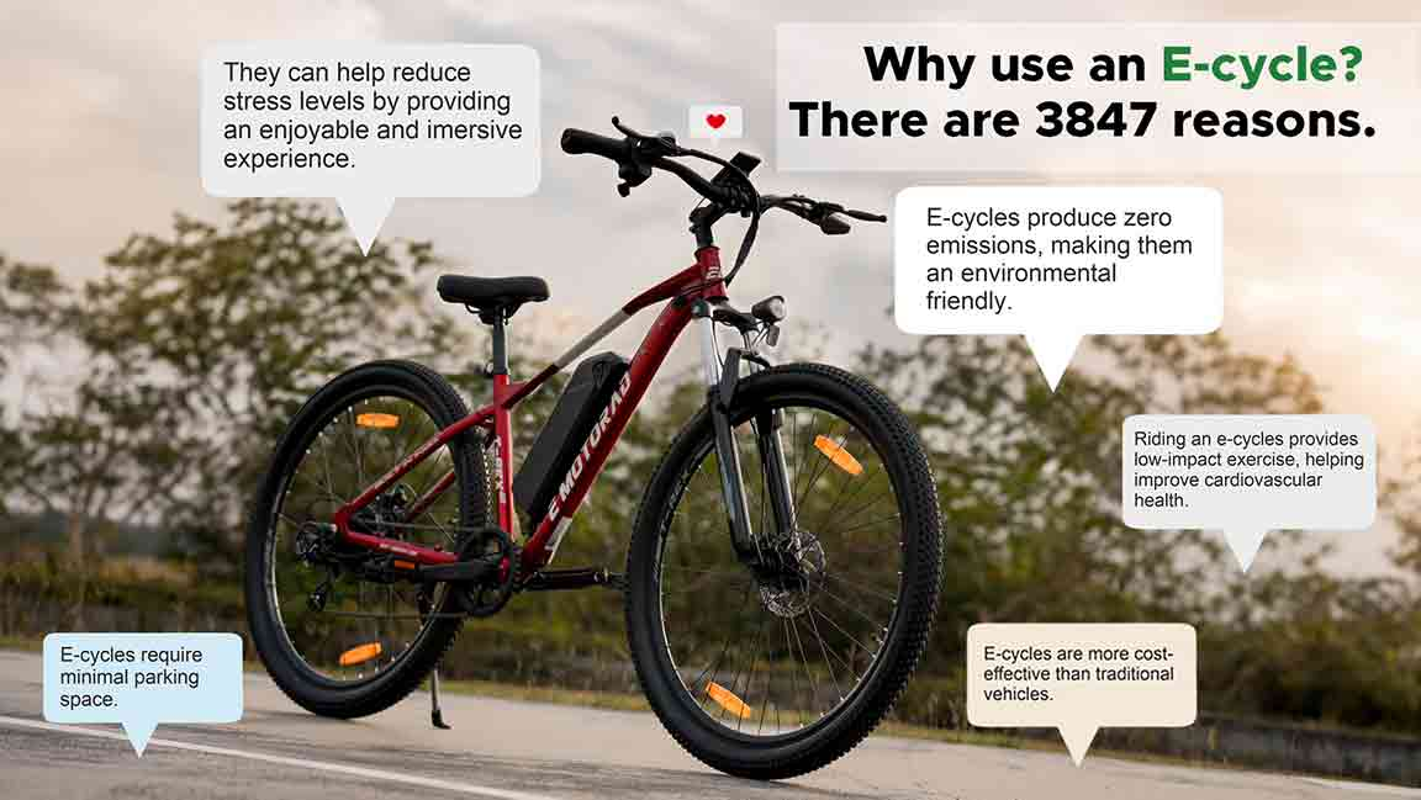
For decades, the bicycle has been a symbol of freedom. It represents the ability to roam, to explore, and to feel the wind in your hair. But for many adults entering their golden years, that symbol of freedom begins to gather dust in the garage. The culprit is rarely a lack of desire; it is usually the body saying “no.”
As we age, our joints—particularly the knees, hips, and lower back—become the primary gatekeepers of our activity levels. Osteoarthritis, reduced cartilage, and general stiffness can turn a joyful Saturday morning ride into a painful ordeal. The steep hill that once offered a thrilling challenge now represents a threat to knee health. The fear of being unable to pedal home after fatigue sets in becomes a psychological wall that keeps many seniors sedentary.
However, a technological revolution is dismantling these barriers. The rise of pedal-assist technology is rewriting the rules of senior fitness. It is bridging the gap between biological aging and the desire for adventure, allowing a generation of riders to ignore the limitations of their joints and stay in the saddle well into their 70s, 80s, and beyond. This is not about “cheating” exercise; it is about smart, sustainable, joint-friendly movement that is saving the physical and mental health of seniors worldwide.
1. The Biomechanics of Aging: Why Cycling Stops
To understand the solution, we must first understand the problem. Why do active seniors stop cycling? It often comes down to the mechanics of the “start” and the “climb.”
In traditional cycling, the moment of greatest torque—and therefore greatest joint stress—is when you start from a dead stop. Pushing a heavy bike from 0 to 5 mph requires a massive spike in force through the quadriceps and patellar tendon. For a senior with worn knee cartilage, this grinding force is excruciating. Similarly, climbing a hill requires sustained, high-pressure grinding on the hip and knee joints.
Over time, the pain associated with these high-torque moments outweighs the pleasure of the ride. Seniors are often told by doctors to switch to “low-impact” exercises. While swimming and walking are excellent, they lack the range, speed, and sense of exploration that cycling provides. The loss of cycling is not just a loss of exercise; it is a loss of territory.
2. Enter Pedal-Assist: The Equalizer
This is where the electric bicycle (e-bike) changes the equation. Specifically, we are talking about pedal-assist (often classified as Class 1 or Class 2 e-bikes). Unlike a motorcycle or a scooter, which moves when you twist a throttle, a pedal-assist bike only moves when you pedal.
The system uses sensors to detect how hard or fast you are pedaling and then engages an electric motor to match or amplify your effort. It effectively flattens the world.
Smoothing the Torque Curve
The magic of pedal-assist for seniors lies in how it handles those high-stress moments. When a rider stops at a traffic light and prepares to go again, the electric motor kicks in instantly. Instead of the rider’s knee bearing 100% of the load to get the bike moving, the motor takes on 50% to 300% of that burden.
The rider still moves their legs—keeping the synovial fluid in the joints circulating, which is vital for lubrication—but the damaging, grinding pressure is gone. It turns a “high-torque” activity into a “low-impact, high-repetition” activity, which is exactly what physical therapists prescribe for joint health.
3. The “Goldilocks Zone” of Cardio
One of the most persistent myths about e-bikes is that they don’t provide a “real” workout. For seniors, however, the e-bike actually provides a better workout because it allows for duration.
In fitness, consistency is king. A senior on a traditional bike might ride for 15 minutes, hit a hill, experience knee pain, and turn back. That is a 15-minute workout that ends in inflammation.
On a pedal-assist bike, that same senior can ride for 60 to 90 minutes. They can maintain a steady heart rate in “Zone 2” (the fat-burning, aerobic zone) without ever spiking into the “red zone” that risks cardiac events or joint injury. By managing the intensity, the e-bike allows for much higher volumes of total movement. This sustained, moderate cardiovascular activity is the gold standard for managing blood pressure, reducing insulin resistance, and improving heart health in older populations.
4. Unlocking the Electric Cycle Benefits
When we look broadly at the lifestyle shifts for seniors, the electric cycle benefits extend far beyond just the mechanics of the knee joint. They ripple out into mental confidence and lifestyle independence.
The Elimination of “Range Anxiety”
For many older riders, the fear isn’t just pain; it’s the fear of getting stranded. “What if I ride five miles out, get tired, and can’t make it back?” This “range anxiety” shrinks their world to a safe 2-mile radius around their house.
The e-bike erases this fear. The battery is a safety net. Knowing that you can switch the motor to “Turbo” or “High” mode to carry you home if you get tired provides the psychological safety needed to explore new trails, visit friends in the next town, or join a group ride.
Stability and Balance
Modern e-bikes designed for seniors often feature “step-through” frames (removing the top tube), allowing riders to mount and dismount without swinging a leg high over the seat—a move that can be difficult for stiff hips. Furthermore, the added weight of the battery and motor is usually positioned low and central on the frame. This lowers the center of gravity, making the bike feel more planted and stable than a lightweight, twitchy road bike. This stability is crucial for seniors whose balance may not be what it once was.
5. The Social Component: Riding with the Pack
Isolation is a significant health risk for the elderly, comparable to smoking or obesity. Cycling has traditionally been a social activity—club rides, coffee runs, and weekend tours. However, as fitness levels diverge with age, seniors often get “dropped” by the pack. Being unable to keep up with the group leads to dropping out of the social circle entirely.
Pedal-assist is the great equalizer. It democratizes the group ride. A 75-year-old on an e-bike can easily keep pace with a 40-year-old on a carbon-fiber road bike. It allows couples of different fitness levels to ride together harmoniously; the faster rider takes the traditional bike, and the slower rider takes the e-bike, and they arrive at the destination together.
We are even seeing a rise in “Intergenerational Riding.” Grandparents can now ride alongside their teenage grandchildren, not just watching from the sidelines but actively participating in the adventure. This social connection is a potent antidepressant and cognitive protector.
6. Cognitive Health: The Brain on a Bike
There is emerging evidence that the complex task of navigating a bike—balancing, steering, watching for traffic, and making decisions—is excellent for cognitive preservation. It engages the brain’s executive functions more than a stationary bike or a treadmill walk.
By allowing seniors to ride safely outdoors, e-bikes keep the brain engaged with the environment. The sensory input of changing terrain, wind, and visual stimuli stimulates the hippocampus. It turns exercise into an immersive experience rather than a chore, which is vital for long-term adherence.
7. Practical Considerations for the Senior Rider
If you or a loved one are considering making the switch to pedal-assist, there are specific features to look for that prioritize joint protection and safety.
Torque Sensors vs. Cadence Sensors
For the most joint-friendly experience, look for an e-bike with a torque sensor.
- Cadence sensors simply detect if the pedals are turning and then dump power from the motor. This can sometimes feel jerky or abrupt.
- Torque sensors measure how hard you are pushing. They respond instantly and smoothly to your effort. If you push a little, it gives a little help. If you push hard, it gives a lot. This natural feeling is much better for protecting knees from sudden jolts.
The Step-Through Frame
As mentioned, the step-through frame is non-negotiable for those with limited hip mobility. It reduces the risk of falling while mounting or dismounting, which is statistically the most dangerous moment of a ride for seniors.
Weight Management
E-bikes are heavy, often weighing 50+ pounds. For seniors who live in walk-up apartments or need to lift the bike onto a car rack, this can be an issue. Look for models with “Walk Mode” (where the bike propels itself at 2mph while you walk beside it) to help move it up ramps, or consider lighter models with smaller batteries if massive range isn’t a priority.
Conclusion: A New Lease on Life
The narrative that getting older means slowing down is being rewritten, one revolution at a time. The e-bike is not a crutch; it is a catalyst. It allows the body to do what it was designed to do—move—while removing the damaging forces that cause pain and injury.
For the senior with bad knees, the e-bike isn’t just a piece of technology; it is a time machine. It takes them back to the feeling of their youth, where the road was open, the hills were challenges to be conquered, and the only limit was the sunset. By keeping seniors in the saddle longer, pedal-assist is proving that mobility, adventure, and joy do not have an expiration date.