

A healthy lawn does more than add color to your yard. It determines the initial impression of your house, provides an inviting outside environment, and demonstrates how much you take care of your home.
Nonetheless, maintaining grass green and healthy may be tricky as weeds multiply, pests infest roots, or dry areas refuse to rejuvenate. Even normal mowing and watering cannot help these issues since the health of the lawn is far more than surface maintenance.
Luckily, it is possible to make a difference by realizing what your lawn actually requires. This article discusses four effective methods of developing a lively lawn that increases the beauty of your home throughout the year.
1. Build Strong Foundation With Consistent Lawn Care
A lush lawn starts below the surface. A combination of healthy roots, balanced nutrients, and proper seasonal treatments will result in thick, strong grass that is able to withstand weather changes and daily usage.
Nevertheless, homeowners living in places like Plano, Allen, Richardson, and other North Texas neighborhoods usually have to contend with excessive heat during summers, clay-laden soil, and stubborn weeds that complicate maintaining their lawns.
Under such circumstances, the collaboration with LawnLab of North Texas provides homeowners with the opportunity to access individualized lawn care plans offered to meet the local soil conditions and seasonal difficulties. Instead of generalized care plans, specific plans for your lawn are created to meet the needs of that lawn, enabling it to grow stronger roots, deep color, and long-term health.
Consistency also matters. Proper timing of fertilizer application, checking nutrient levels, and changing treatment throughout the year allow grass to grow evenly and reduce stresses due to changing weather conditions.
Meanwhile, regular checks enable prevention of problems that can be transformed into expensive ones. Consequently, your lawn will remain healthier, greener, and will have fewer corrective treatments in the long run.
2. Stop Weeds and Lawn Pests Before They Take Over
Most homeowners only take action when the weeds or insects become apparent. By that point, unfortunately, the damage has frequently extended to considerable areas of the lawn.
Preventive care offers a far more effective solution.
Pre-emergent weed treatments prevent the appearance of many unwanted plants, whereas post-emergent applications are used to treat weeds that have already grown. Combined, these treatments lower competition over sunlight, nutrients, and water, enabling healthy grass to thrive.
Similarly, insects like grubs may silently eat grass roots underground. Because the damage is usually silent until brown spots are visible, early detection and preventive grub treatment are very significant in the protection of your lawn.
Outdoor pests also influence the degree of enjoyment in your yard. Spending time outdoors can be uncomfortable due to the presence of mosquitoes, fleas, ticks, and fire ants. Controlling such pests provides a safer and more enjoyable outdoor experience for your family and guests.
By preventing rather than responding to the visible destruction, you save the beauty and health of your landscape in the long run.
3. Improve Soil Health for Long-Lasting Results
Even healthy grass may not thrive when the soil under it is compacted.
With time, the daily movement of people, heavy rainfall, and the natural compaction of the soil make it hard for water, oxygen, and other nutrients to access the root system. This results in thinness, weakness, or discoloration of grass even after frequent watering.
Lawn aeration helps solve this issue by forming small holes in the soil. These holes enhance the circulation of air and the penetration of moisture and nutrients.
The deeper and stronger the roots are, the more access to the necessary resources they get. In turn, the lawn becomes more resilient during periods of drought, heat, and heavy use.
Healthy soil also enhances fertilizer efficiency since the nutrients are able to travel to the root zone directly and not linger on the surface.
Rather than correcting the apparent signs of an unhealthy lawn, ameliorating soil conditions enhances the overall growing conditions and promotes sustainable outcomes.
4. Don’t Overlook Trees, Shrubs, and Overall Landscape Health
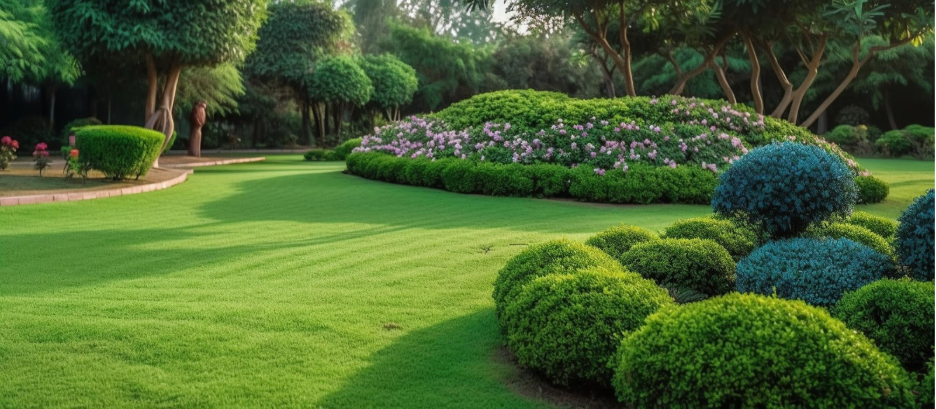
A beautiful lawn is only one part of an attractive property. Trees, shrubs, and ornamental plants also contribute to your home’s curb appeal and create a balanced outdoor landscape.
However, these plants require ongoing care to remain healthy.
Deep root feeding supplies essential nutrients that support vigorous growth, while regular inspections help identify insect activity or disease before permanent damage occurs. Healthy trees and shrubs also complement your lawn by providing structure, seasonal color, and visual interest throughout the year.
At the same time, maintaining the entire landscape creates a more cohesive appearance. Green grass, thriving plants, and healthy trees work together to increase the overall beauty of your property.
Moreover, investing in complete landscape care can help preserve your home’s value. A well-maintained exterior often leaves a positive impression on visitors and potential buyers while providing a more enjoyable outdoor living space for your family.
When every part of your landscape receives proper attention, your property benefits from healthier growth, stronger curb appeal, and year-round beauty.
Conclusion
Creating a vibrant lawn requires more than occasional mowing or watering. Healthy grass depends on proper nutrition, effective weed and pest management, improved soil conditions, and ongoing landscape care. When these elements work together, your yard becomes stronger, greener, and better equipped to handle seasonal challenges.
By taking a proactive approach and investing in consistent lawn care, you can enjoy a healthier outdoor space that enhances both your home’s appearance and your everyday enjoyment of it.



