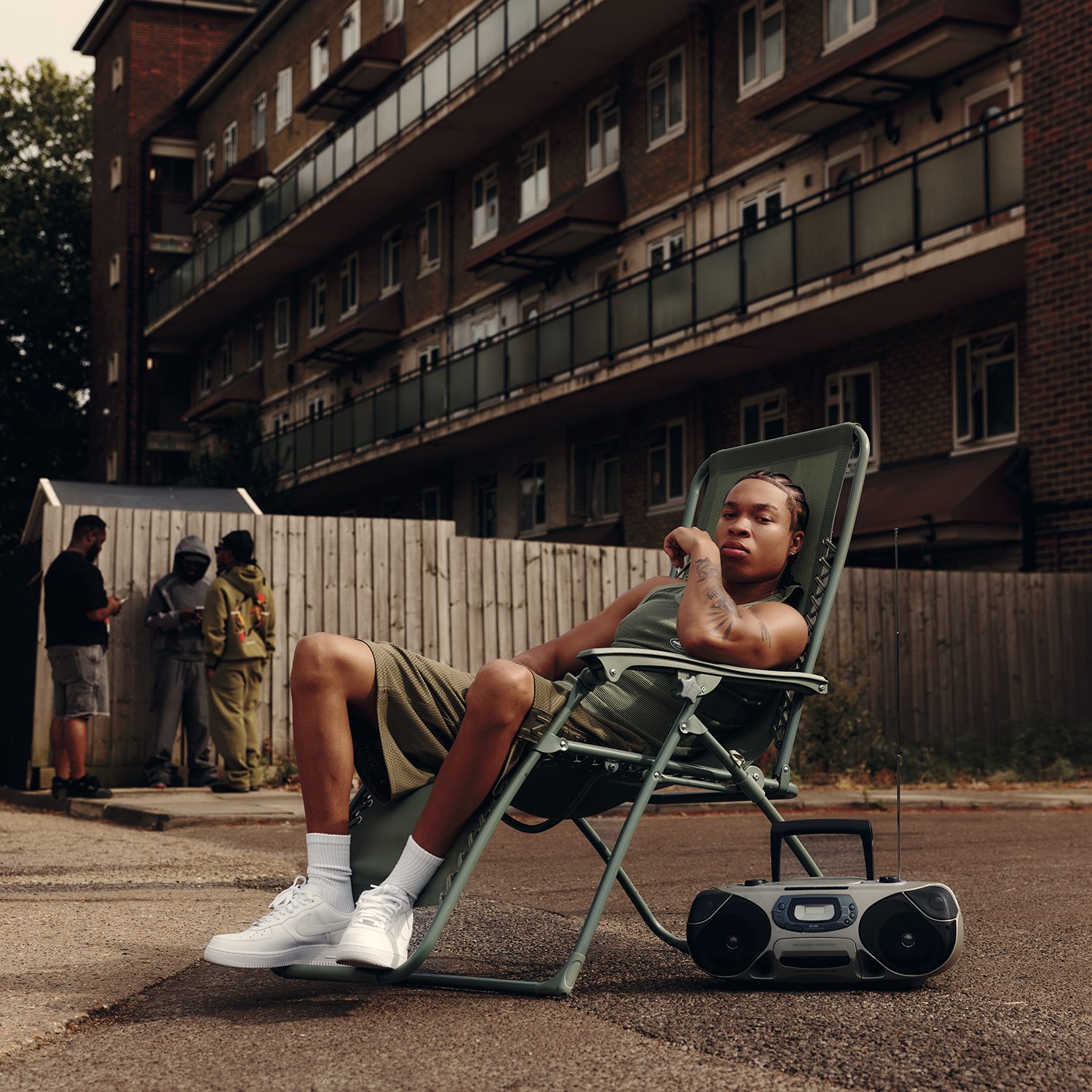
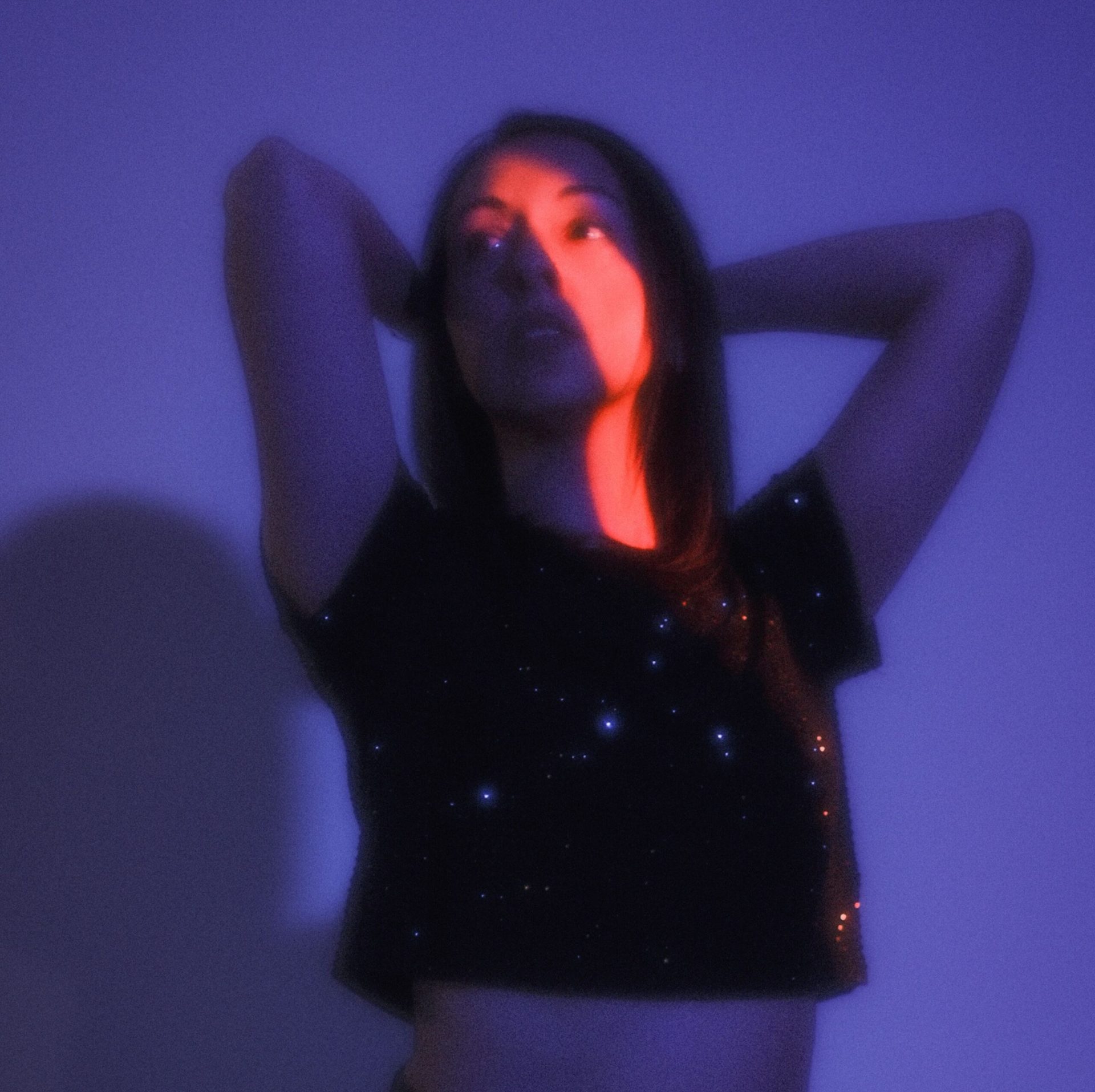
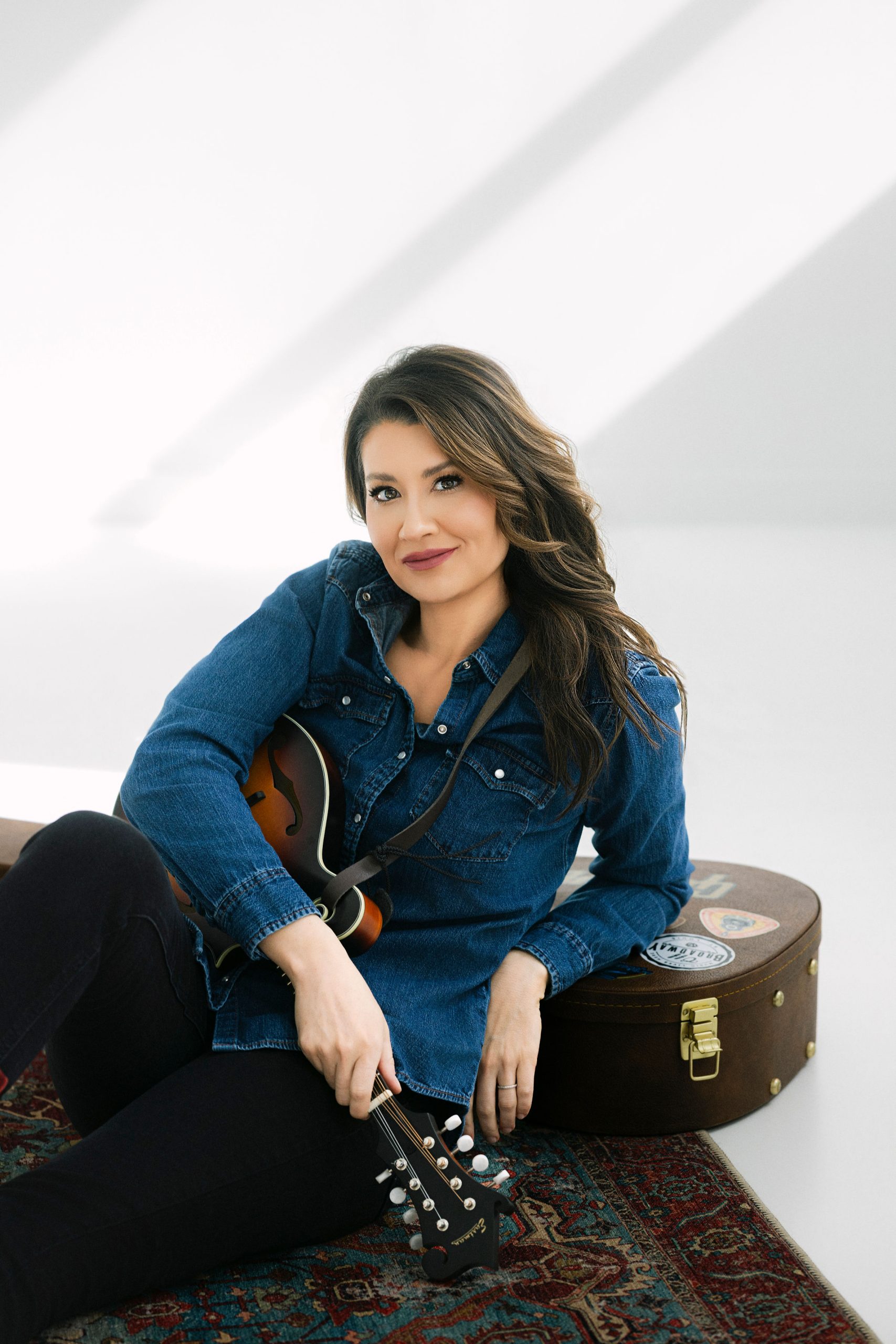
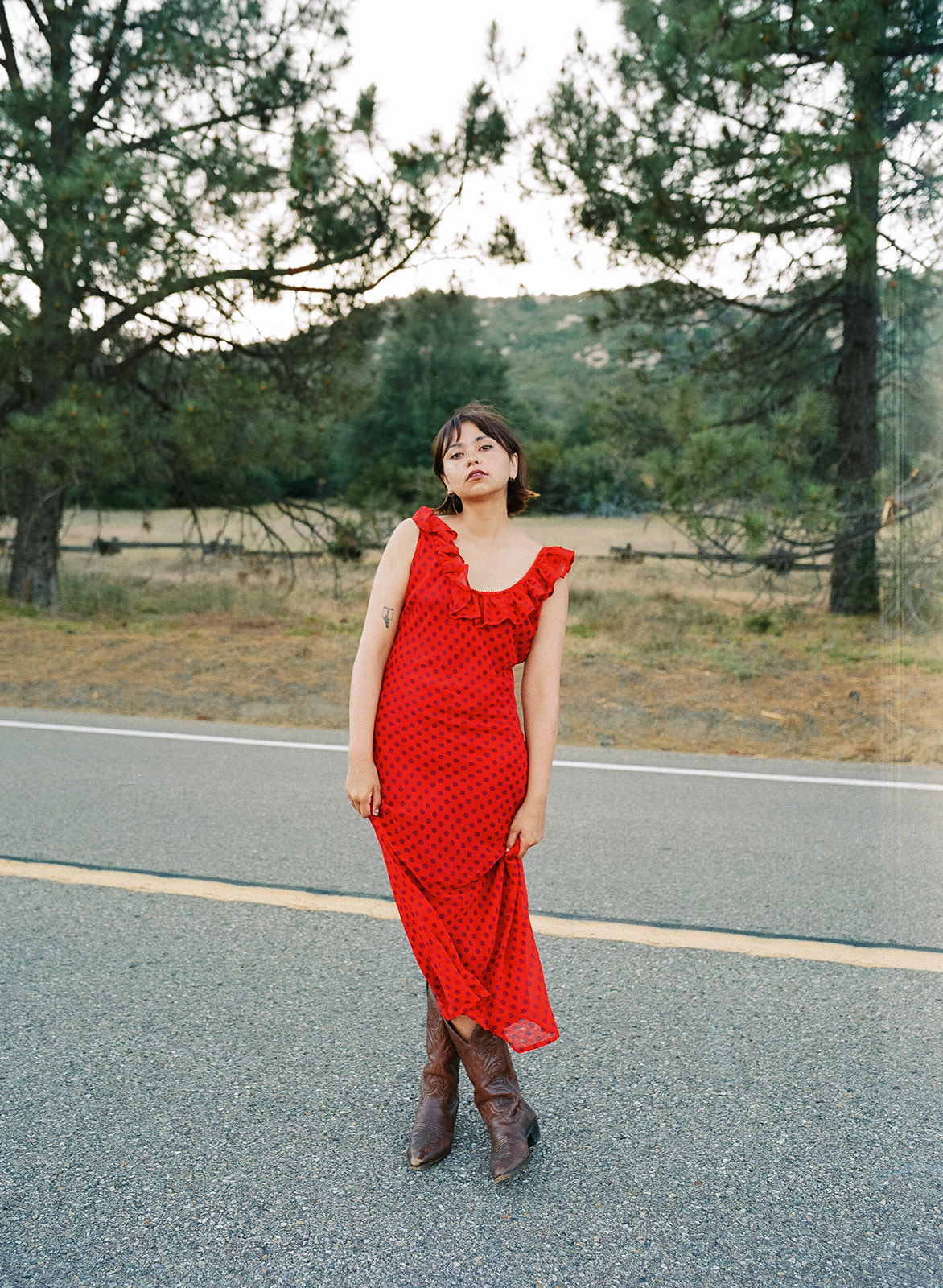
Czech-born, Marbella-based Klaudie has spent the summer proving she’s one of house music’s most exciting new voices, touring 20+ European cities, holding down a dream residency with PIV at Cova Santa Ibiza, and trading B2Bs with the likes of Dennis Ferrer at KOKO London. Behind the decks, she’s also been quietly building an empire: her label We R The Problem has already landed releases in Beatport’s Top 100, all while she continues to put out music on the likes of Factory 93 and Elrow.
Now she’s gearing up to release “Funky Fresh,” a raw, groove-driven single landing on her own imprint on 23rd September – a track built, in her words, for the moment the room stops overthinking and the groove takes over. We caught up with Klaudie to talk about the label’s identity, her classical violin roots, and what makes a truly unforgettable set.


Hey Klaudie, great to connect with you 🙂 How has your summer been? Any particular highlights?
It’s been such an exciting summer, very busy, but in the best possible way. There have been so many highlights, each special for a different reason.
Most importantly, having a PIV residency at Cova Santa in Ibiza has been an absolute dream. PIV Records has been on my vision board for years, so to see it from a dream to reality has been incredibly special and without a doubt one of the biggest highlights of my summer.
Playing Kiesgrube for the first time before Chris Stassy was such a vibe. KOKO London was unforgettable, the beauty of the venue, the energy of the crowd and, of course, the surprise B2B with Dennis Ferrer. Indie Beach in Saint-Tropez was such a vibe from start to finish with the classy crowd ready to let the guard down. PIV in Barcelona during OFFSónar was like walking into an explosion of house music and energy.
Honestly, every gig felt special this summer, especially because it was my first time properly touring across Europe. I feel incredibly grateful for everything that’s happening and excited for what’s still to come.
You launched your own label at the end of last year, We R The Problem. How is everything going so far with the label?
It’s going really well, and I’m learning so much as we continue to build the label. We’ve released some incredible music from emerging artists and have already reached a few exciting milestones. “10th Avenue” broke into Beatport’s Top 100 House Releases during release week, while Genpop’s Doing It EP has performed extremely well, charting across multiple Beatport charts.
One of my favourite parts is listening through demos and discovering unexpected gems. There is an enormous amount of work behind every release that people never see, but watching the label’s identity become stronger and clearer with each one makes it incredibly rewarding. I’m so excited about what we’re building, and I can’t wait for everyone to hear the rest of the releases we have coming this year.
You’ve described the label as being for people who don’t necessarily fit neatly into categories. Who is the “problem” in We R The Problem: the artists, the dancers, the DJs, the industry… or all of us?
Honestly, all of us! The name is a little provocative and tongue-in-cheek. It represents the people who question the rules, refuse to fit perfectly into one box and sometimes create a little chaos in the process. We’re not interested in being a “problem” in a negative sense, we want to challenge expectations and give artists the freedom to be individual.

Your next single, “Funky Fresh,” is a pretty immediate title. What does “funky fresh” mean to you, and what kind of mood were you trying to bottle up in this track?
To me, “funky fresh” means something playful, confident and impossible to stand still to. I wanted the track to feel raw and club-focused, but still have personality and a sense of fun. It’s that moment in the night when the room loosens up, everyone stops overthinking and the groove completely takes over.
When you’re making something as groove-focused as “Funky Fresh,” are you thinking about the dancefloor from the beginning, or does the track tell you where it wants to go?
The dancefloor is always somewhere in my mind because DJing has taught me to think about how music feels physically, not only how it sounds in the studio. Usually, though, I begin with one element that excites me, a bassline, vocal or drum groove and allow the track to develop its own character. The best results happen when I balance that instinct with what I know will work in a club.
What’s the most important ingredient in a great house groove: the bassline, drums, swing, space, attitude, or something you can’t actually put into words?
It’s the relationship between all of them, but if I had to choose one, I would say attitude. You can have the perfect bassline and drums, but without swing, space and personality, it can still feel flat. A great groove has something slightly imperfect and human in it that you feel before you can explain it.
You’ve had quite a run of releases across different labels this year. Has putting your own music out on your own imprint changed the way you approach releases elsewhere?
Definitely. Running my own label has shown me just how much thought and work goes into every release, from planning and artwork to distribution and promotion. It has given me an incredible amount of respect for fellow DJs who manage their own labels while touring nonstop. The fact that they can maintain that schedule and still release music of such consistently high quality is seriously impressive.
It has also made me more intentional about where I send each track and even more appreciative when another label believes in my music. I still love releasing elsewhere because every label brings its own identity and audience, while We R The Problem gives me a home where I can take risks and express my vision without compromise.
We R The Problem has a really strong identity beyond just the music. How much do fashion, visuals, nightlife and your wider aesthetic influence what you release?
They influence it a lot because I’ve always imagined We R The Problem as a complete world rather than simply a place to upload music. The fashion, artwork and slightly raw, grungy visual identity should feel connected to the energy of the records and the people dancing to them. The music always comes first, but everything surrounding it helps tell the story and makes the label recognizable.
You have a classical violin background, which is such an interesting contrast to the raw, club-focused world you’re creating. Can you hear the violinist you were in the producer you are now?
Absolutely. I started playing violin when I was six and spent 12 years playing both individually and in orchestras, so music was a huge part of my life long before I ever discovered DJing. I think that background still comes through in the way I hear phrasing, dynamics, tension and release. The sound may be completely different now, but I’m still trying to create emotion and movement, just with basslines and drums instead of strings… although sometimes I still find a cool way to bring the strings back in 😉
The very first track I ever released was actually a rework of a piece by Antonín Dvořák, which felt like a tribute to where I came from musically. My close friend Rony Seikaly took a liking to it and released it on his label, Stride, giving me my first real opportunity to put music out into the world.
Even though that track isn’t completely aligned with the sound I make today, it will always be incredibly important to me. It was a pivotal moment in my journey and a release that carries so much personal history.
You’ve built a sound that can be minimal and stripped-back but still very physical. How do you create energy without simply throwing more sounds into a track?
For me, energy comes from movement and contrast rather than the number of elements. Small changes in the bassline, percussion, arrangement or automation can completely shift the feeling of a groove. Sometimes removing something for a few bars creates much more impact than adding another sound. I want every element to have a purpose and enough space to be felt.

What’s one production trick, sample or studio habit you’ve become slightly obsessed with lately?
I’ve become very focused on building basslines in layers and allowing them to evolve throughout the track. I like having different textures working together and introducing very subtle variations so the groove keeps moving without losing its identity. I’m also obsessed with tiny percussion details, sometimes the smallest sound is what makes the entire track bounce differently.
You’ve played some pretty serious underground spaces and showcases. What’s the difference between a good DJ set and a genuinely unforgettable one for you?
An unforgettable set creates a genuine connection between the DJ and the crowd. It means reading the room, being willing to change direction and choosing the record people need in that exact moment, not necessarily the one you planned to play.
Some of my most memorable sets have been the ones I felt nervous about beforehand, but then something shifted: I completely let go, stepped into my alter ego and entered another dimension where it felt like the crowd could feel everything I was feeling. I’ve experienced a few of those moments where I cried afterward from pure joy. The adrenaline and inspiration stayed with me for weeks, that’s when I know a set was truly special.
If you could put “Funky Fresh” into the set of one DJ anywhere in the world, who would you want to hear play it, and why?
I would love to hear Marco Carola play it at Music On in Ibiza. He understands groove and timing so well, and he can make a record feel enormous without ever forcing the moment. Hearing “Funky Fresh” land in one of his long, rolling sets would be surreal.
Joseph Capriati would also be a dream, as would Max Dean and Chris Stassy. I feel like all four of these DJs thrive within this kind of sound, so seeing any of them connect with the track and play it in their own way would be incredibly special.
Looking at We R The Problem now compared with when you launched it, what has surprised you most about building a label from the ground up?
The learning curve, for sure. From artwork, distribution and promotion to release planning, artist relationships and managing my own time, it isn’t something you can take lightly or afford to neglect. Every release requires patience, and there are countless small decisions happening behind the scenes.
I knew building a label would involve a lot of work, but I didn’t fully realize how personal it would feel when another artist trusts you with their music. The most rewarding surprise has been watching We R The Problem begin to develop into a community and an identity that can exist beyond me. It’s still early, but I can already see the bigger vision beginning to take shape.
What’s next for you and the label till the end of the year you can talk about?
There’s a lot happening between now and the end of the year. I have some exciting releases coming, including new music on my own label, We R The Problem, as well as several shows across Europe and two appearances during ADE. For the label, the focus is on continuing to build its identity and releasing music from emerging artists we genuinely believe in. There are also a few things I can’t announce just yet, but it’s going to be a very exciting end to the year.
Klaudie’s “Funky Fresh” is out on 23rd September on WE R THE PROBLEM.
Pre-Order it here