Nighttime changes how cities work and how people behave within them. Streets are quieter, movements feel more deliberate, and interactions become more noticeable. Someone planning an evening out might check routes, confirm timing, and discreetly coordinate plans through escort bruxelles to avoid unnecessary attention while moving across the city after dark. In these situations, etiquette is not about formal rules. It is about reading context, minimizing disruption, and respecting the fact that at night, small actions carry more weight than they do during the day.
Why Social Norms Shift After Dark
After sunset, the same spaces operate under different expectations. Reduced activity and visibility naturally change how people interpret behavior.
Reduced Visibility and Increased Personal Awareness
Low light affects perception. People become more alert to sound, movement, and proximity. As a result, behavior that might pass unnoticed during the day can feel intrusive at night.
- Louder voices stand out more clearly
- Sudden movements draw attention
- Prolonged staring feels more intense
- Close physical distance feels more personal
These shifts encourage restraint. Nighttime etiquette favors subtlety and predictability over expressiveness.
How Timing Influences Respect and Boundaries
At night, timing matters. Late messages, unexpected arrivals, or prolonged delays can feel more disruptive than they would earlier in the day. Respecting agreed times and keeping interactions efficient signals consideration. When people know what to expect, they feel safer and more comfortable in low-activity environments.
Unspoken Rules of Behavior in Nighttime Settings
Most nighttime etiquette is never explained. It is learned through observation and shared experience.
Communication Tone and Volume After Hours
Lower voice levels, concise messages, and clear intent are appreciated at night. Whether speaking in person or communicating digitally, people tend to prefer directness without urgency. Excessive messaging or raised voices can feel invasive because there are fewer distractions to absorb them.
Movement, Waiting, and Shared Spaces
How people occupy space at night sends strong signals. Lingering in entrances, blocking pathways, or pacing repeatedly can create discomfort even when no harm is intended.
- Building lobbies and doorways
- Side streets and quiet intersections
- Transit platforms late in the evening
- Residential parking areas
Moving with purpose and choosing neutral waiting spots shows awareness of shared comfort.
Digital Etiquette and Phone Use After Dark
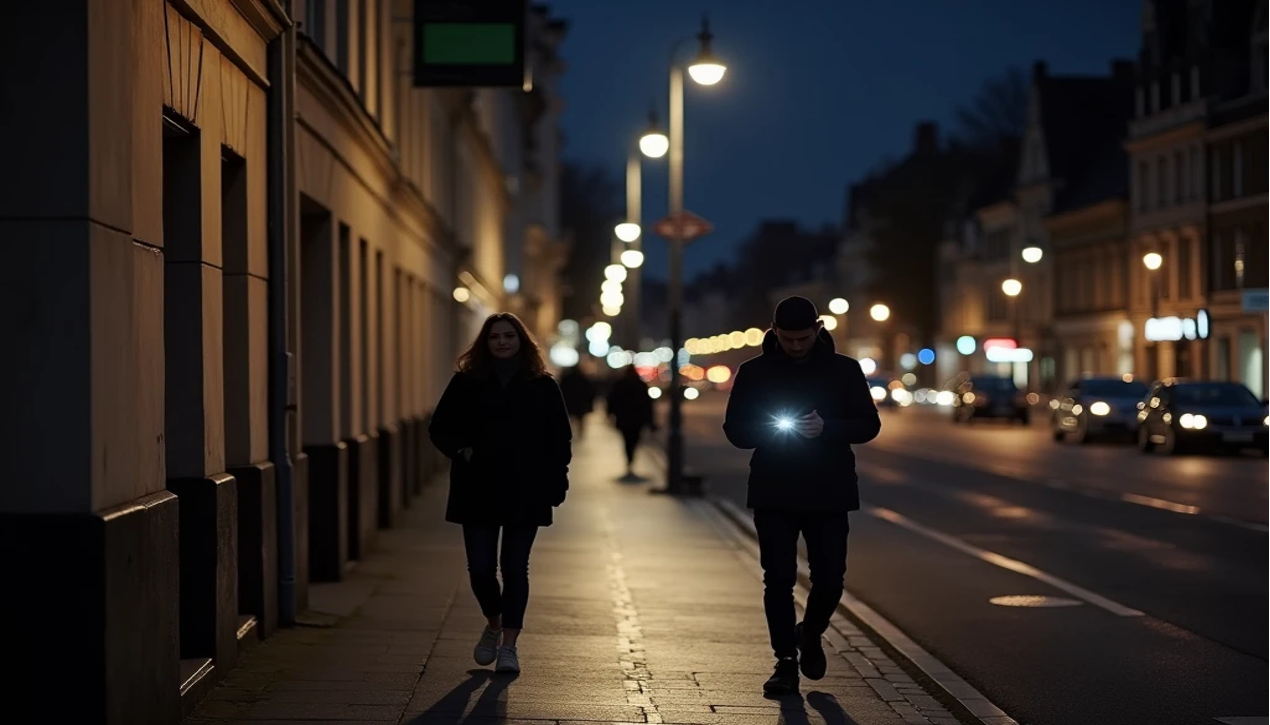
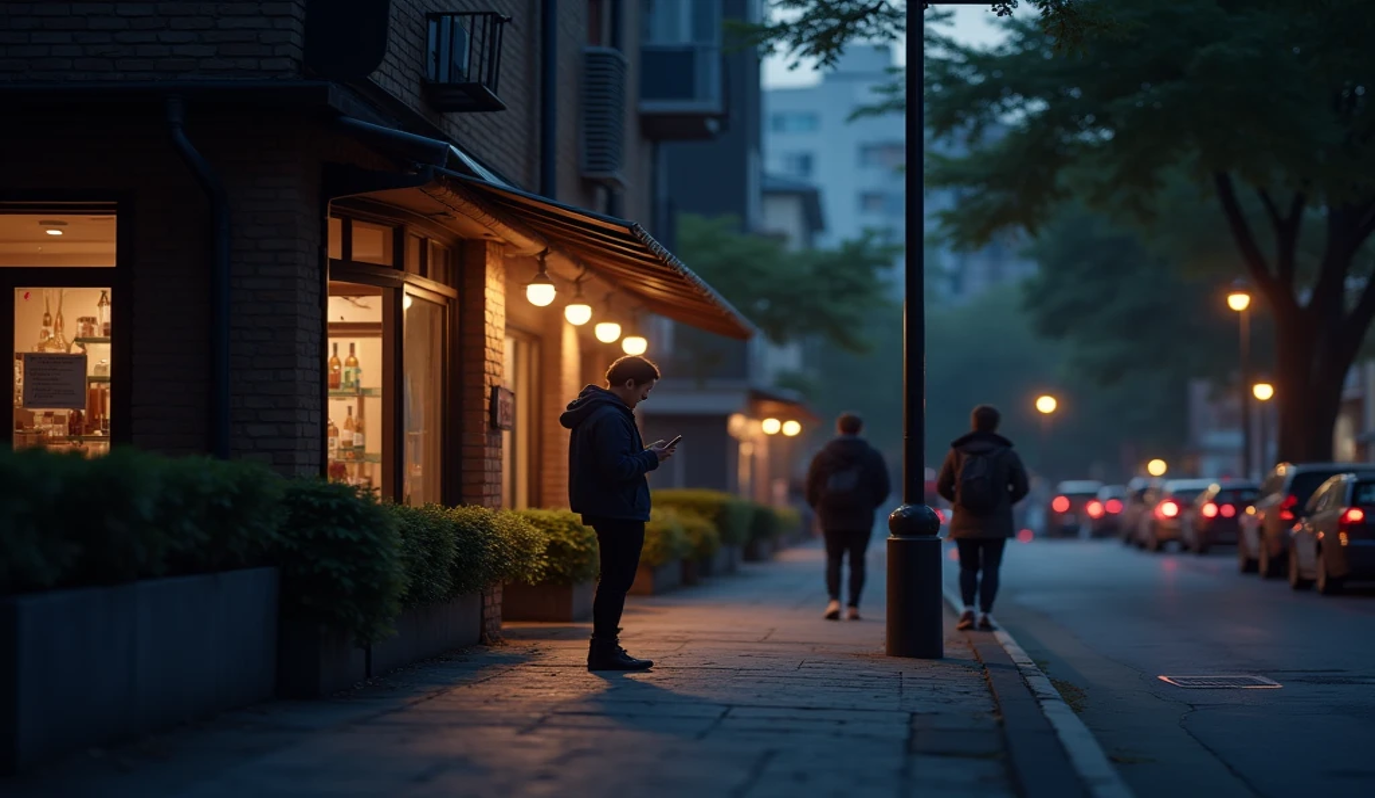
Phone use at night follows different unspoken rules than during the day. Bright screens, constant scrolling, or holding a phone at eye level in quiet environments can draw unwanted attention. Many people lower screen brightness, keep interactions brief, and avoid prolonged calls when surroundings are calm. This behavior is less about secrecy and more about consideration. At night, sound carries further and light is more noticeable. Checking directions, confirming messages, or handling short tasks quickly is generally accepted, while extended digital engagement can feel intrusive. Thoughtful phone use helps maintain a sense of shared comfort, especially in residential areas or low-traffic public spaces.
Common Mistakes That Break Nighttime Etiquette
Many etiquette issues at night stem from habits carried over from daytime behavior.
Overexposure and Unnecessary Attention
Bright screens held high, loud conversations, or exaggerated gestures can disrupt the calm of nighttime environments. These actions attract attention and can make others uneasy, even if the intent is harmless. Nighttime etiquette values blending in rather than standing out.
Ignoring Context and Local Patterns
Cities have nighttime rhythms. Ignoring them creates friction.
- Arriving too early or too late to quiet locations
- Choosing busy meeting points when calmer options exist
- Staying in one place longer than the context suggests
- Failing to adjust behavior as surroundings change
Reading the environment and adapting behavior accordingly prevents misunderstandings.
Conclusion: Why Nighttime Etiquette Is Mostly Behavioral
Nighttime etiquette is shaped by awareness rather than instruction. Reduced visibility, lower activity, and heightened sensitivity mean that small actions have a larger impact. Respect at night comes from restraint, clear intent, and attention to context. When people adjust their behavior to match the quieter, more deliberate pace of evening life, interactions remain comfortable and predictable. In this way, nighttime etiquette becomes less about rules and more about shared understanding.