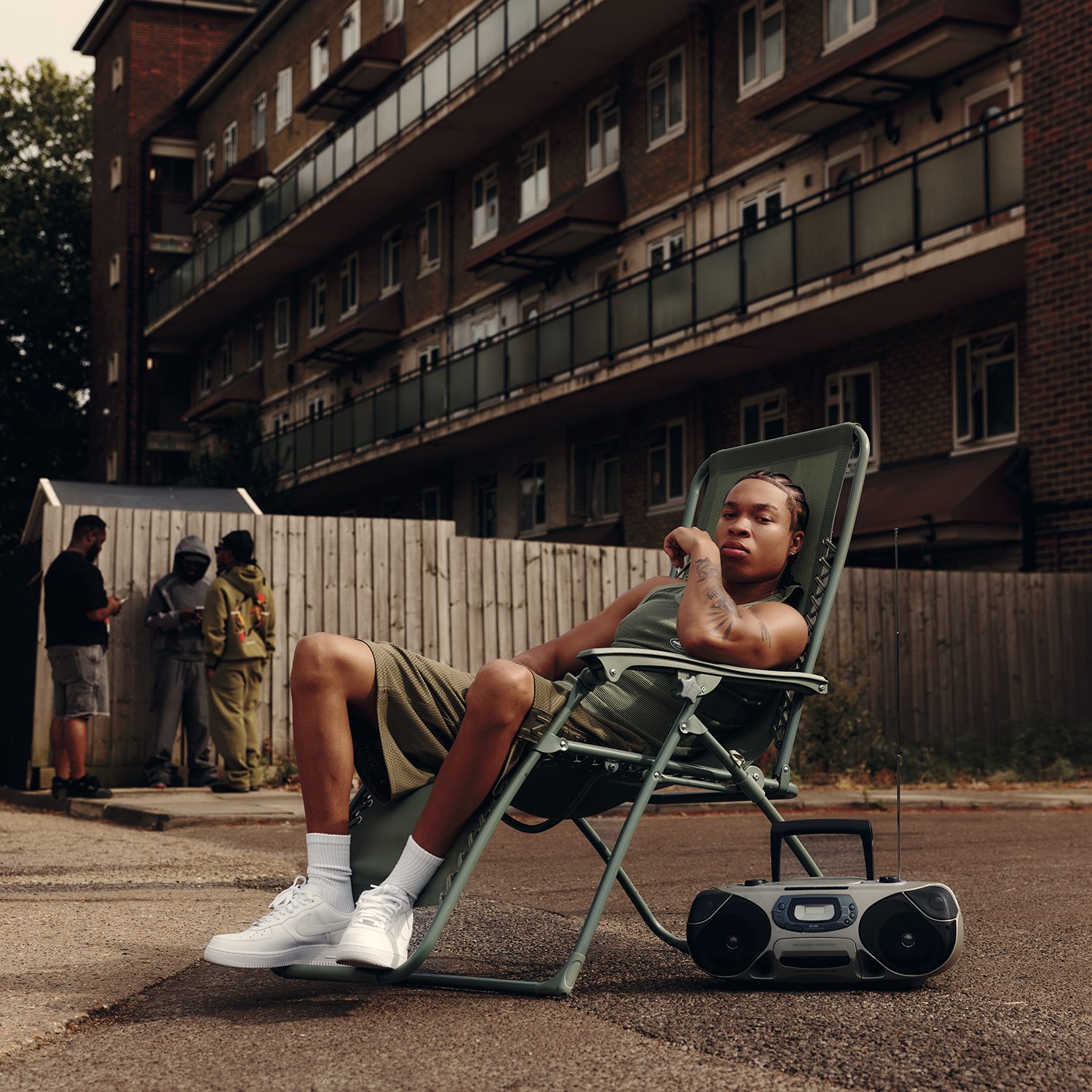
Athletes today shape far more than scorelines and records. They influence how people dress, how brands communicate, and how culture circulates globally. Sports figures have evolved into full-scale fashion authorities, using personal style, digital reach, and cultural credibility to redefine modern fashion culture while blurring the boundaries between performance, identity, and brand power.
Athletes as Cultural Tastemakers
Athletes are no longer positioned as passive endorsers wearing pre-selected outfits for promotional shoots. They now operate as cultural tastemakers whose clothing choices influence buying behavior, aesthetics, and even runway direction. Personal style has become a language through which athletes communicate confidence, individuality, and cultural awareness. This shift reflects a broader transformation where fashion is no longer dictated solely by designers or editors but shaped by figures with authentic cultural capital. Athletes occupy a unique position: global visibility, disciplined performance narratives, and loyal fan bases that translate style choices into immediate relevance across markets and demographics. Their wardrobes now function as cultural statements that extend influence far beyond sports arenas.
Tunnel Fits as Modern Runways
Pre-game arrivals have evolved into one of the most influential fashion moments in contemporary culture. Especially in the NBA and football leagues, tunnel walks operate like daily runway shows, documented by photographers, league-owned media, and fans. These moments turn athletes into consistent style content creators, showcasing curated outfits that blend luxury tailoring, experimental silhouettes, and streetwear influences. The predictability of these appearances builds anticipation, while individuality reinforces the athlete-as-brand model. Tunnel fits have transformed routine arrivals into globally consumed fashion rituals that rival traditional fashion week coverage in visibility and cultural impact.
Luxury Fashion Collaborations
High-fashion houses such as Louis Vuitton, Dior, and Prada increasingly collaborate with athletes to tap into cultural relevance and younger audiences. These partnerships legitimize sports figures within elite fashion spaces while allowing luxury brands to signal modernity and accessibility. Athletes bring lived authenticity, global fan reach, and credibility rooted in performance, while fashion houses contribute heritage, craftsmanship, and symbolic prestige. This exchange reshapes traditional luxury marketing by replacing distance-driven exclusivity with personality-led storytelling anchored in sport, individuality, and cultural influence.
Streetwear and Sports Synergy
Streetwear’s origins in basketball courts, skate culture, and hip-hop align naturally with athletic identity. Athletes embody this crossover organically, wearing pieces that reflect urban culture, global youth movements, and personal narratives. This synergy accelerates trend adoption across regions, making athletes conduits through which streetwear aesthetics reach mainstream consumers and luxury fashion simultaneously. A single outfit worn by a prominent athlete can influence runway collections, retail demand, and digital style boards worldwide, demonstrating how sports fashion now drives global trend cycles.
Social-First Fashion Influence
Instagram, TikTok, and brand-owned content platforms allow athletes to bypass traditional fashion media gatekeepers. A single post can instantly globalize a look, turning personal outfits into viral reference points within minutes. This direct-to-audience model gives athletes full control over timing, narrative, and visual presentation. In the middle of these digital ecosystems, fashion content appears alongside lifestyle interests such as betting picks, music, and entertainment, reinforcing how athlete style integrates seamlessly into broader cultural consumption rather than existing in isolation.
Athlete-as-Brand Strategy
Personal style now functions as a strategic asset rather than a side interest. Athletes use fashion to drive sponsorships, launch capsule collections, and secure post-career relevance. Ownership and creative input have become priorities, ensuring that partnerships align with personal values and long-term goals. Fashion serves as a bridge between competitive achievement and entrepreneurial independence, allowing athletes to control narratives that extend well beyond the field, court, or track while maintaining cultural visibility after retirement.
Creative Control and Image Ownership
Athletes increasingly collaborate with stylists and creative directors who specialize in athlete branding rather than traditional celebrity image-making. These professionals translate personal taste into cohesive visual identities while preserving authenticity. Creative control ensures that fashion choices reflect lived experiences instead of imposed trends. This approach builds trust with audiences who value sincerity and individuality, reinforcing the idea that athlete style is an extension of identity rather than a manufactured marketing tool.
Cultural Crossover and Global Influence
Sports fashion draws heavily from hip-hop, skate culture, and global street movements, accelerating cross-cultural exchange. Athletes act as connectors, blending influences from multiple regions and communities within a single look. This fusion shortens trend cycles and democratizes fashion access, allowing styles to move fluidly across borders and demographics. Athletic visibility transforms local cultural references into globally recognizable aesthetics, reinforcing fashion’s increasingly interconnected nature.
Gender Expansion in Sports Fashion
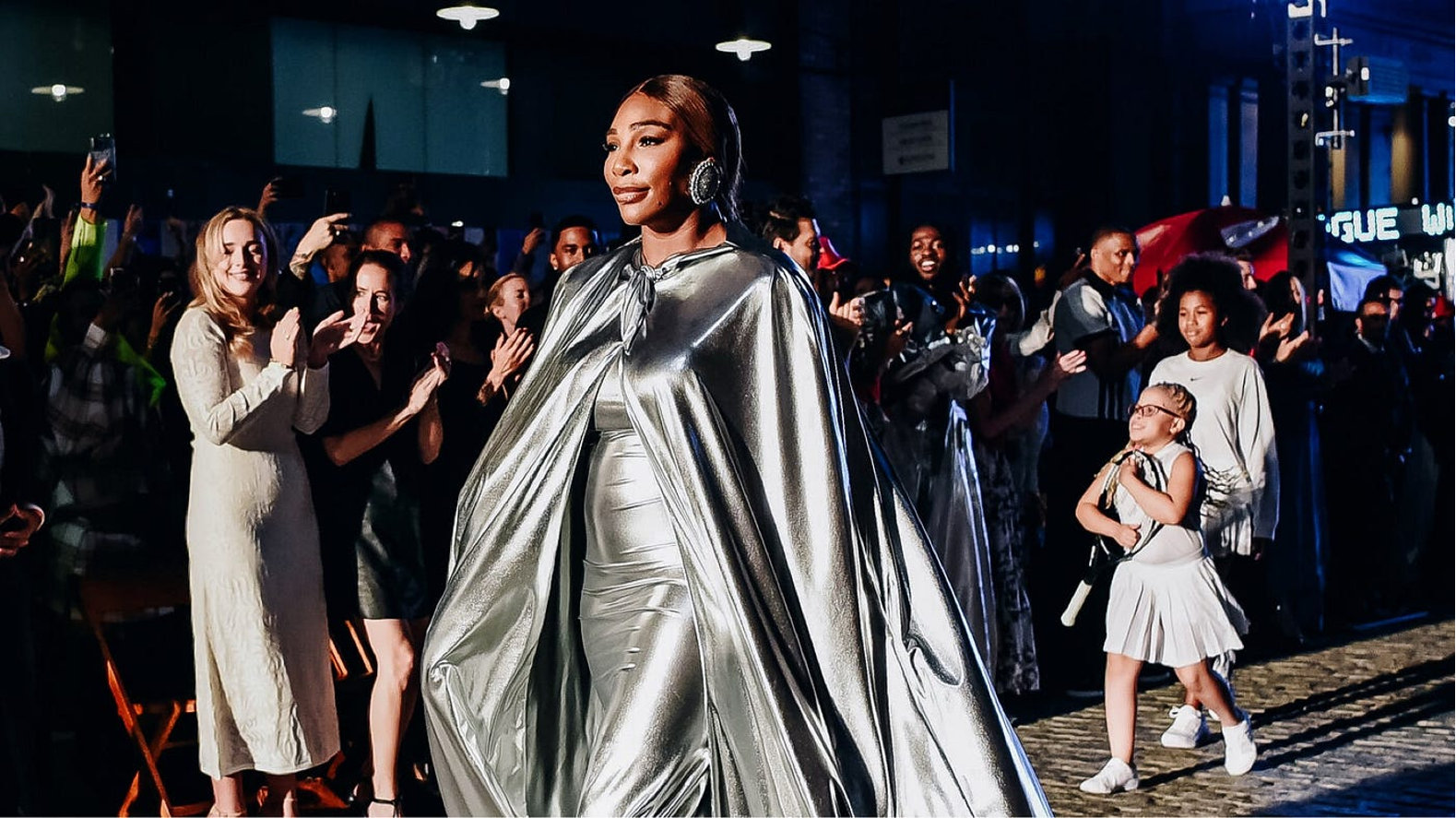
Female athletes are redefining fashion narratives through power dressing, versatility, and body-positive representation. Their style choices challenge outdated norms by proving that strength, elegance, and individuality coexist without compromise. Fashion becomes a platform for visibility, autonomy, and empowerment rather than conformity. These athletes influence design direction, campaign representation, and consumer perception, ensuring inclusivity is embedded into modern fashion culture rather than treated as a temporary trend.
Public Perception and Cultural Impact
Fans increasingly celebrate athletes’ fashion choices as expressions of confidence and identity. While some traditionalists view the emphasis on style as a distraction, younger audiences interpret it as authenticity and aspiration. This generational shift reinforces the belief that athletes influence culture far beyond competition. Fashion becomes evidence of multidimensional excellence, demonstrating that performance, creativity, and self-expression strengthen rather than dilute athletic legacy.
The Future of Sports-Driven Fashion
The integration of sport and fashion continues to deepen as leagues, media platforms, and brands place greater emphasis on off-field style. Athletes remain central to this evolution, shaping how fashion is worn, marketed, and consumed worldwide. As personal branding, digital visibility, and cultural credibility converge, sports figures will continue redefining fashion culture through authenticity, creative control, and global influence that extends long after the final whistle.