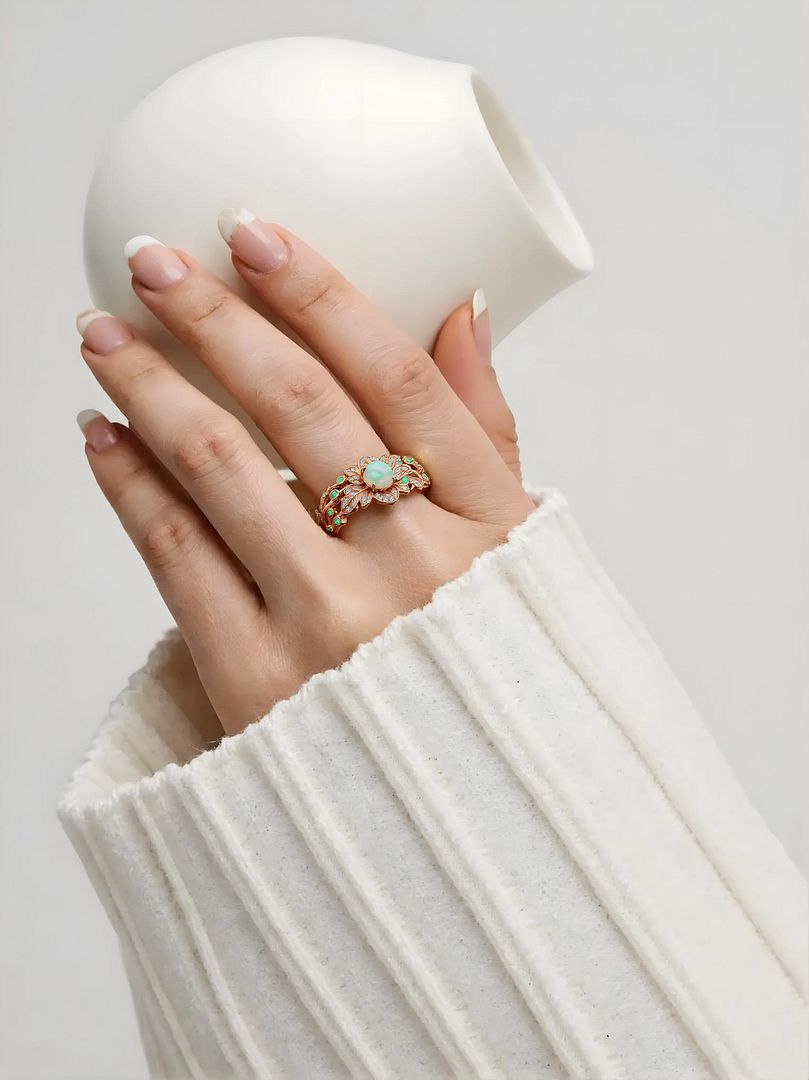
Jewellery has long been linked with beauty, heritage, and personal sentiments. In recent years, it has also regained attention as a serious financial asset. According to the World Gold Council, even as jewellery volumes decline in major markets such as the US and Europe, total spending continues to rise. It shows strong demand for high-value pieces and growing interest from wealthy buyers. Fine jewellery is now viewed as a form of portable wealth. It combines visual appeal with long-term financial potential.
London is playing a leading role in this shift. It is a global hub for fashion, finance, and expert artistry. It is changing how luxury jewellery is seen within modern investment strategies. From historic ateliers in Mayfair to modern studios in Shoreditch, the jewellery backdrop in London makes it a hub of style and capital.
The Concept of Portable Wealth in Modern Luxury
Portable wealth assets are items that hold notable worth while remaining easy to transport and store. Traditionally, gold bars and rare coins filled this role. Today, investment jewellery is seen as an important asset.
Jewellery, unlike stocks or property, provides both physical presence and emotional value. It can be worn, passed down, and enjoyed every day. At the same time, it keeps its shape and worth through precious metals and gemstones. This has driven renewed interest among collectors and investors alike.
This is an era shaped by economic instability, uncertain market trends, and a fast-moving world. The appeal of assets that combine liquidity with cultural significance has grown stronger. Jewellery fits this need with clarity.
Why London is Leading the Shift
London jewellery influences the market and shapes global luxury investment trends. Heritage skills, innovative design, and a client base with a genuine understanding sit within the city. Hatton Garden is considered the standard for traditional knowledge and material. Newer creative districts bring fresh perspectives without abandoning the standards that drive long-term value.
London’s position as a global financial center strengthens it. Wealthy individuals are drawn to the city for its cultural or financial pull. They look beyond standard asset classes. Luxury jewellery with verified provenance and proven craft has become an attractive addition.
The effect of cultural diversity also adds to the influence of London. The designers are inspired by the world trends and produce works that appeal across the Gulf to Asia. The global reach is due to the reputation and foundation of London in bespoke jewellery.
Investment Grade Jewellery Explained
Not all jewellery is the same. Investment-grade jewellery is that whose value rests on material quality, craftsmanship, and rarity as opposed to trend. Several factors determine where a jewellery piece stands.
One of the initial factors that defines the value of a jewellery piece is the quality of the materials. Gold and platinum provide a stable foundation, and with gold prices reaching historic highs in recent years, it has become more solid. High-quality gemstones, graded and certified, add further significance.
Craftsmanship also plays a significant role. Pieces made by skilled artisans or within established houses hold a stronger position in the resale market.
Brand heritage holds significance for where the jewellery item came from. Jewellery associated with established names or unique provenance can better perform in secondary markets. Consumers who are interested in quality and authenticity usually visit reliable houses of fine jewellery collections. A balance of these elements is required in long-term value.
When material quality, craft, and provenance are combined, jewellery stops being just a piece of decoration. It becomes a financial asset that one can also wear while retaining practical use.
The Role of Craftsmanship and Bespoke Design
Bespoke gold jewellery has become one of the defining features of the modern luxury market. Personalization allows clients to create pieces that reflect identity while holding genuine asset value.
In London, heritage craftsmanship is central to this process. Skilled artisans apply techniques passed through generations, ensuring both durability and precision. This level of knowledge not only enhances the aesthetic appeal but also increases the market credibility and resale strength.
Exclusivity compounds this further. Unique designs and limited editions have a greater value in the long term than mass-produced jewellery. Such exclusive bespoke gold jewellery items are very limited in the market. This is what makes them retain their value with time.
Craftsmanship transforms a jewellery piece into a narrative asset. Where the maker is known. The process can be traced. Each piece has a background story with emotional significance. Each of these qualities adds value that material alone cannot provide.
Changing Consumer Behavior
A generational shift is altering the perception and purchase of jewellery. Younger collectors are not buying just for status. They are making considered choices. It includes personal values, sustainability, and financial awareness. There is an interest in knowing where the jewellery item comes from and how it was made.
Social media has enhanced access to world trends. Availability of information on materials, sourcing, and the resale market has created an informed buyer compared to a decade ago. Investment jewellery is becoming popular among individuals who want both emotional and financial returns from their purchase.
Versatility has also become a valued quality. Pieces that move between daily wear and formal without losing design integrity attract stronger interest from people. This is consistent with the idea of high-net-worth fashion assets that give lifestyle and investment benefits.
Jewellery vs Traditional Investment Assets
Jewellery occupies a unique position when compared to traditional investments. Gold bars provide stability but provide no sensory value and require secure storage. Property offers scale but requires good capital upkeep and is often hard to sell quickly. Stocks are easy to trade but have no physical form. They shift with market forces, disconnected from the worth of material.
Luxury jewellery bridges these gaps. It is portable, wearable, and grounded in the value of its material. A well-chosen piece can be stored securely, carried easily, and cherished daily rather than watched on TV or locked in a safe.
However, risks must be looked out for. Design trends change. Resale channels vary in reliability. Demand for a specific maker can change abruptly. Serious buyers approach investment-grade jewellery the way they approach any other asset. Proper certification, expert guidance, and understanding of where the piece can likely be sold.
The Rise of Luxury Jewellery as a Portfolio Asset
The strategies of wealth management are changing. Alternative assets are no longer a footnote in portfolios. They are a recognized category, and jewellery is a part of it.
The jewellery pieces are collectible and offer security against inflation. They hold cultural and heritage values that cannot be matched. A collector who puts a measured share of wealth into strong pieces chosen carefully builds lasting value.
London wealth managers and private advisors are hearing this request more often. The interest is not casual. It shows an actual change in the perception of the connection between beauty and capital by a generation that is money savvy.
Sustainability and Ethical Value
Sustainability has become a defining factor in the jewellery industry. Demand and long-term value are now being impacted by ethical sourcing and responsible production. Consumers want to see how materials are obtained and processed.
London designers are reacting by emphasizing traceability and environmental standards. This shift aligns with broader expectations within the luxury sector.
Ethical value enhances market appeal. Pieces created with responsible practices often attract stronger interest and retain value more effectively. Buyers seeking luxury jewellery as a long-term asset now consider sustainability alongside design, skills, and provenance.
Where The Market is Heading
The future of jewellery as an investment asset appears strong. New authentication tools and digital provenance are making the resale marketplaces more open and approachable. At the same time, evolving design trends continue to attract new audiences.
London is expected to lead the next phase. It is a mixture of heritage mastery, forward-thinking design, and financial position that makes it at the forefront of this movement.
Rising demand for colored gemstones, renewed interest in vintage pieces, and growth in bespoke commissions all point to a market with growing potential. A new generation of buyers, informed, ethically minded, and financially literate, is arriving with questions that earlier markets rarely asked. These developments reinforce jewellery’s role within both fashion and finance.
Worn and Valued
Jewellery has always carried more than the weight of its materials. The portable asset has returned not as nostalgia but as a modern proposition: beautiful, lasting, and financially stable.
The influence of London has been key to this change. The city influences the way jewellery is appreciated and interpreted through its distinctive blend of culture, artistry, and market knowledge.
The boundaries between fashion and investment continue to blur. Jewellery stands out as an asset that offers both beauty and security. Its return as a modern store of wealth reflects a broader evolution in how luxury is defined and experienced.