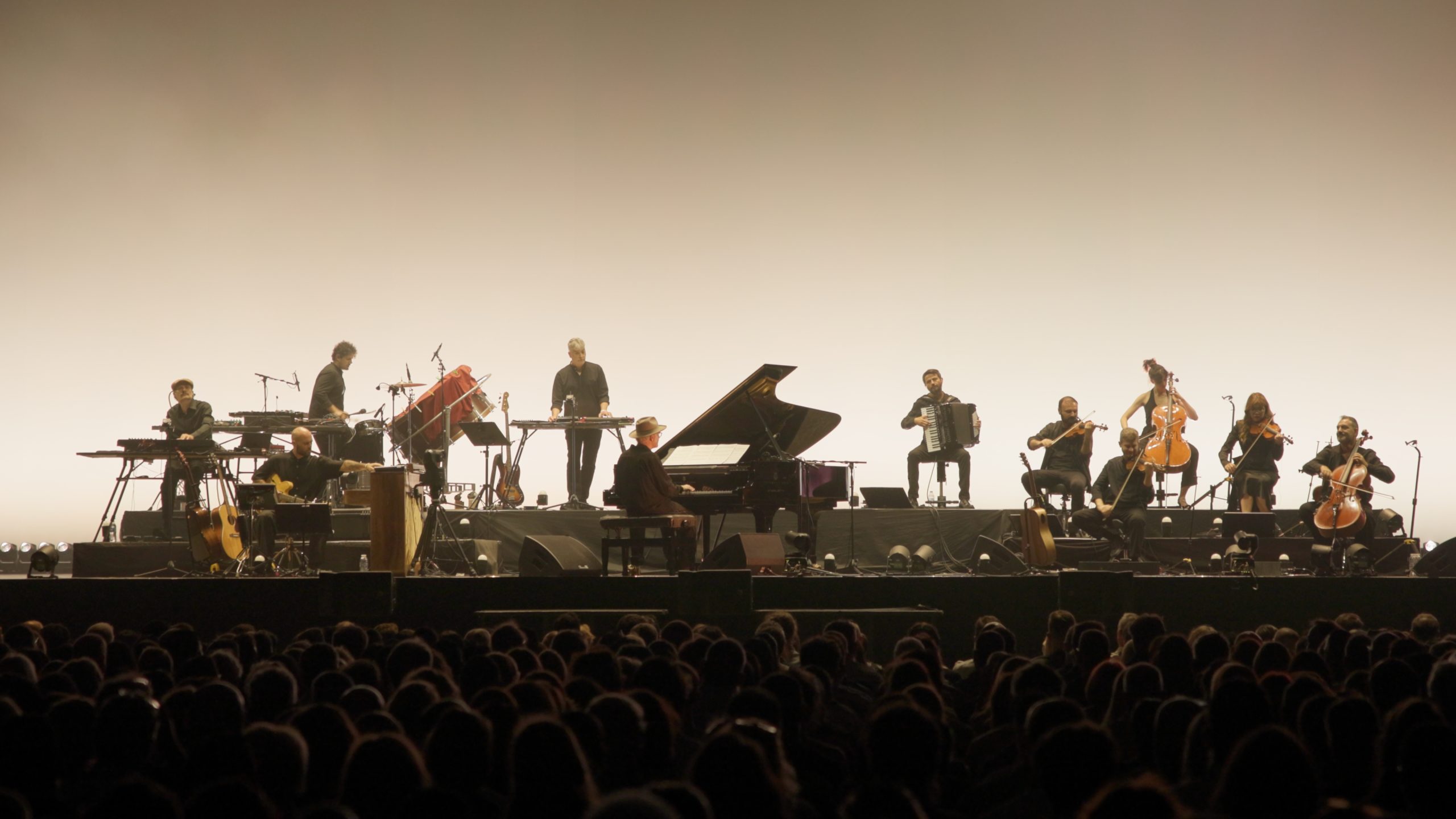
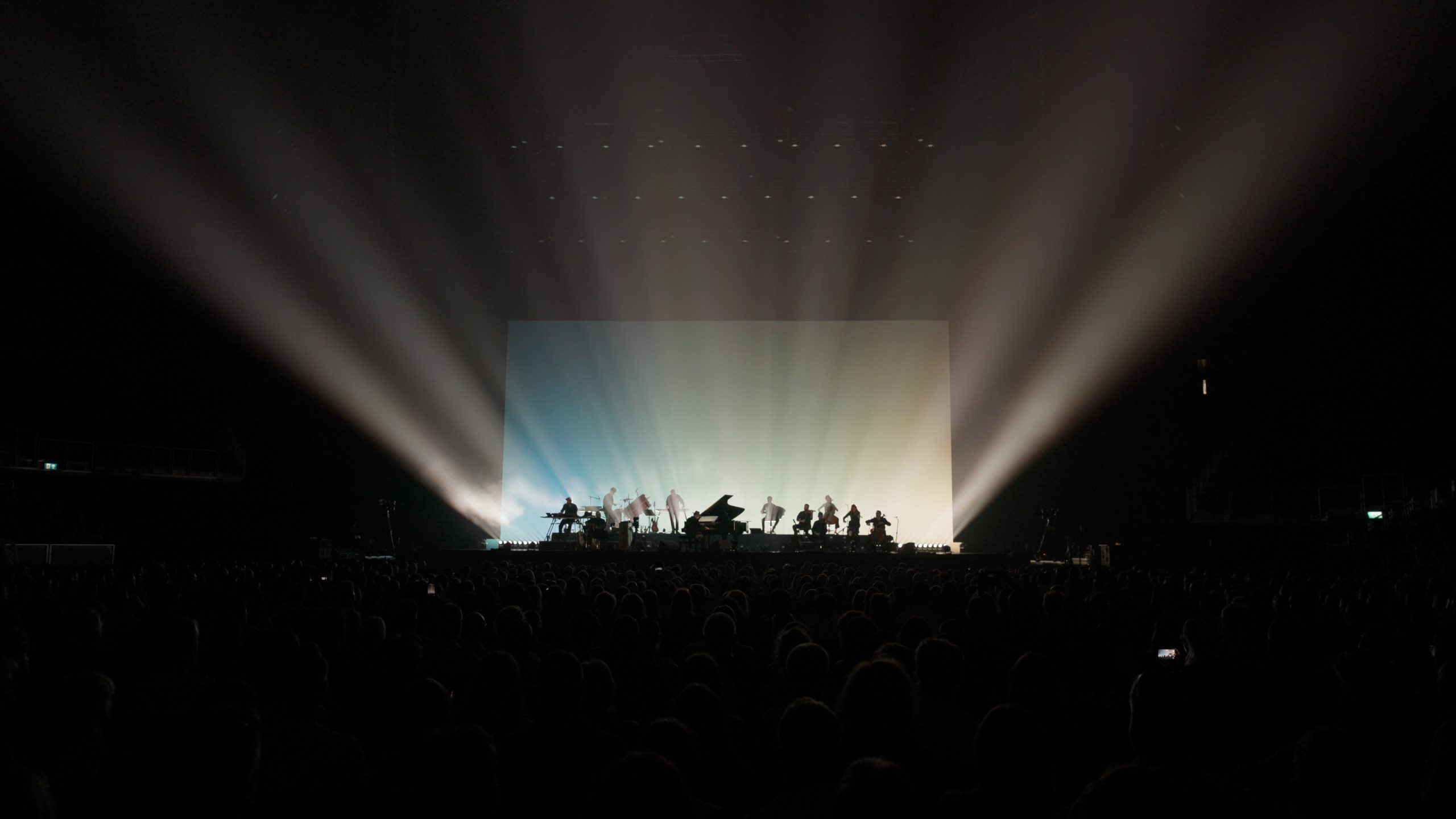
Having seen Ludovico Einaudi perform at a number of venues, from the intimacy of the London Palladium to the grandeur of the Royal Albert Hall, the sold-out O2 Arena offered something entirely different, something special.
It took a while longer to suspend my disbelief and lock in to that captivating Einaudi greatness, due to the sheer scale of the venue. But it wasn’t long before we were transported once again, as Einaudi manages to do in any venue, thrust into the deepest, most thoughtful feelings a human being can encounter. I joked with my fellow concert-goer that “life is a series of Einaudi concerts with bits in between,” because it reminds you of the deepest parts of yourself.
Watching Einaudi feels like he’s playing for only you, and for the first time. There’s a totally unique arrangement unheard at any other London showcase, but at the same time the familiarity of his music rings through. Einaudi weaves his classic work into the newer ‘Summer Portraits’ and delights the audience time and time again, moving from dark, looming crescendos to light, soul-stirring piano work.
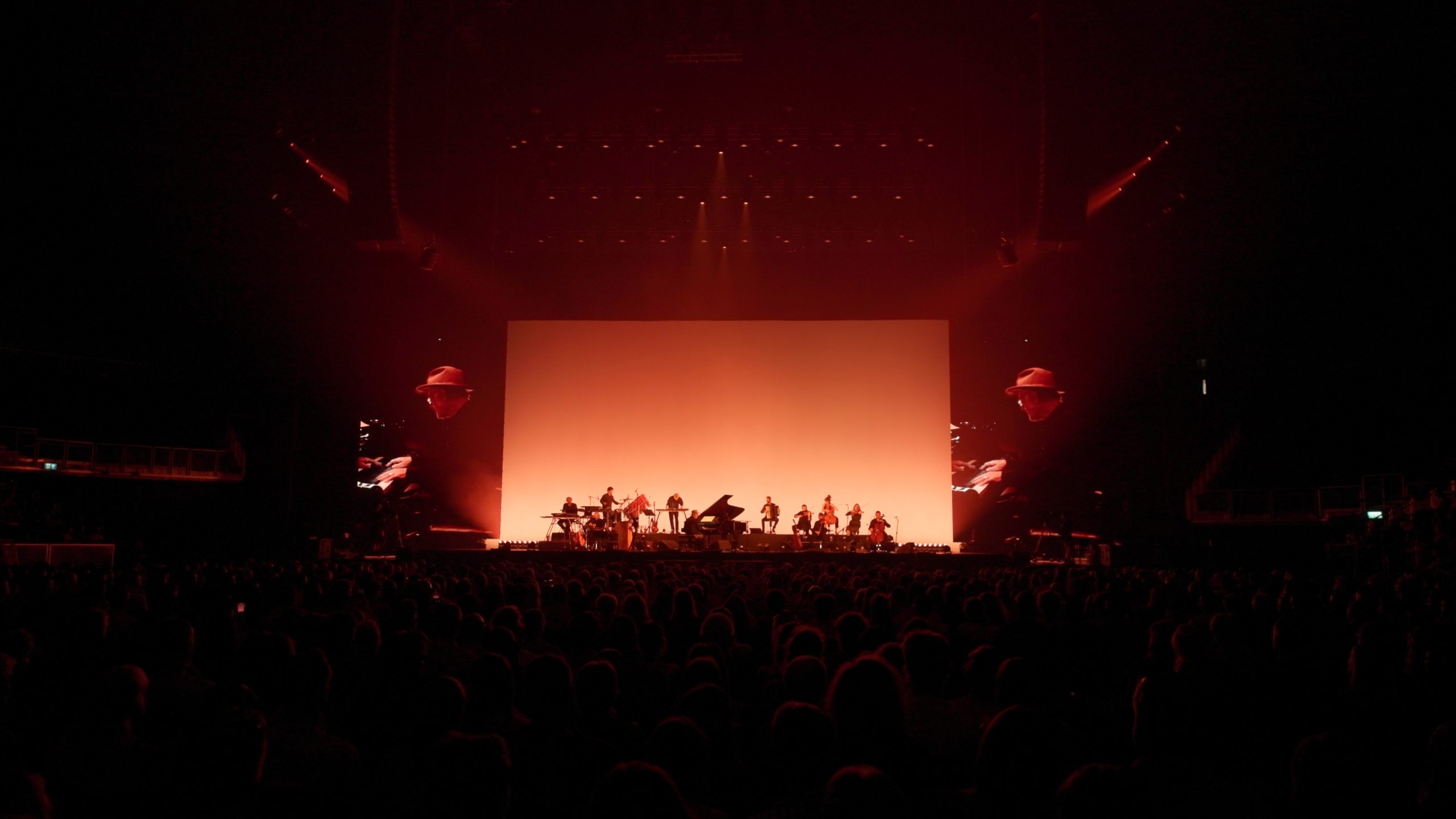
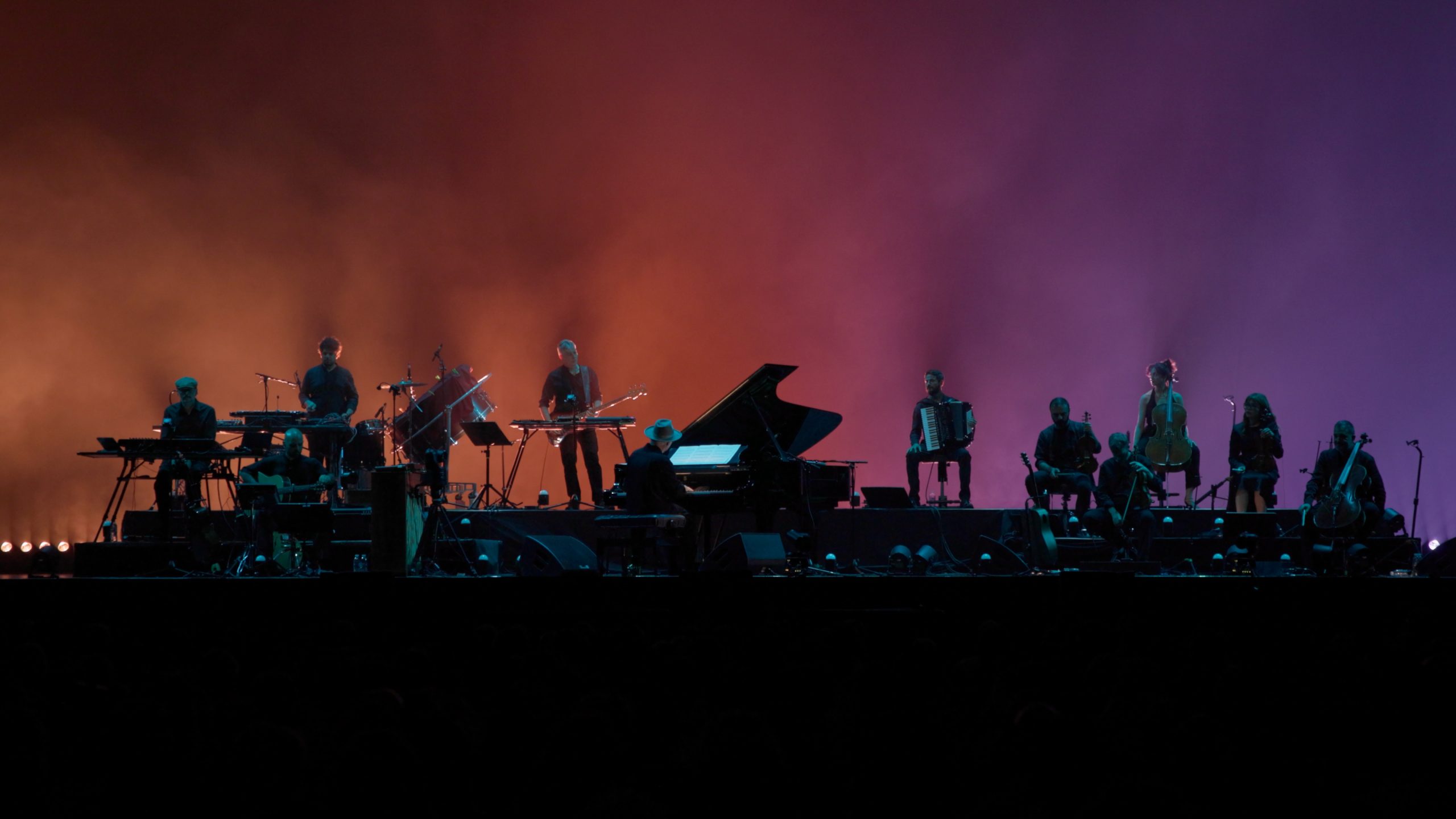
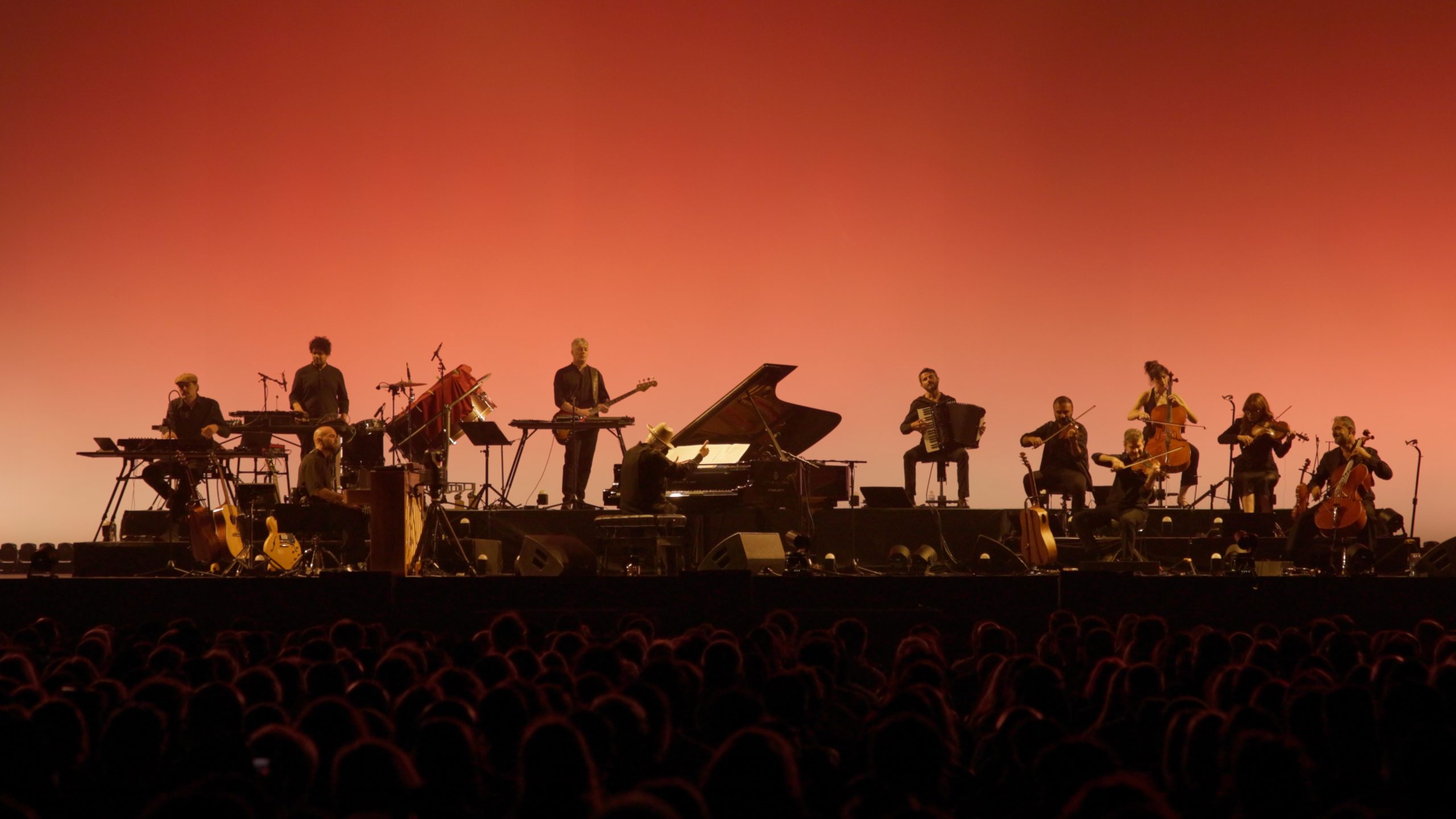
Travelling alongside his usual and favourite chamber ensemble, he welcomes in each unique musician as if it were their own concert.
The most standout thing about this show was the feeling of family that he brings you into. As well as touring with his son Leo and sharing the piece they collaborated on, Leo Einaudi is just as welcomed on merit as his own father, as well as every member on stage. You can feel the camaraderie between them, as if you are a part of it.
Einaudi simply silences the noise of life. He moved me. I know I ought to be engaging in the etiquette of a concert-goer, but I almost physically can’t, without responding audibly and physically to the emotions that Einaudi’s collective elicits.
Tonight served as a reminder that, in all of the noise of an AI generation encroaching into the musical sphere, nothing is truer than this type of spellbinding human excellence.
I was transported through the chapters of my life as I took in every morsel of music. I was reminded to sit with my feelings more often. I was encouraged to reflect on all of my closest relationships, and to feel life consciously rather than just coasting through it.
Just when you thought it was over, it wasn’t. Encore after encore built into something closer to a spectacle than a send-off, Einaudi and the band pulling out one dramatic finale after another until nobody in the room could quite say where the concert actually ended. Einaudi is a master showman, continuously finding ways to leave you in awe before he closes the show.
We sat down with David Jones, promoter of the tour to discuss the show.
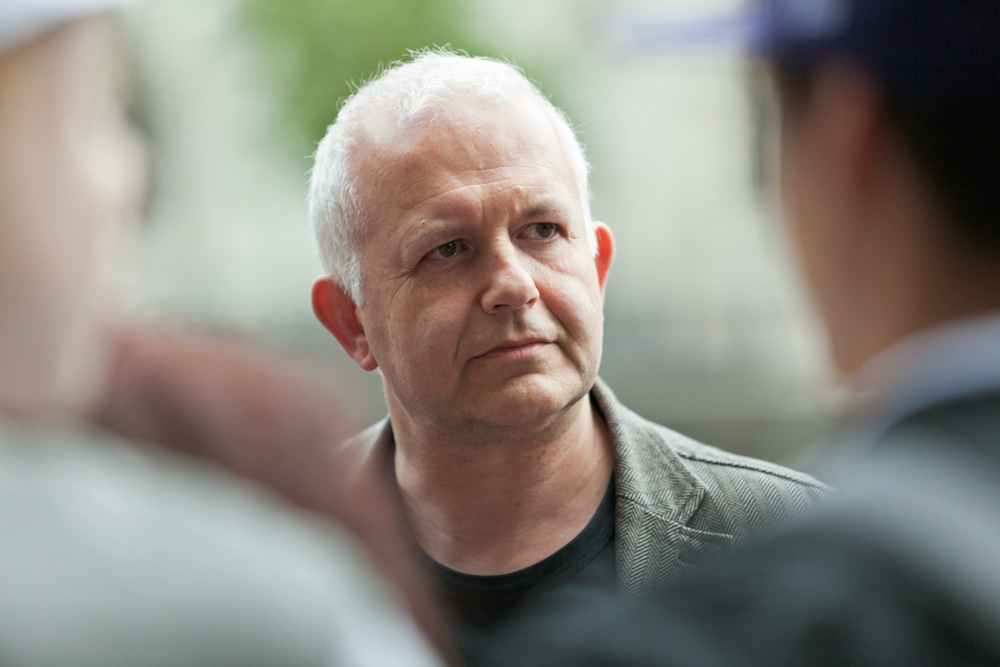
This is Einaudi’s biggest UK show with his full band; why was now the right time for a concert on this scale?
He’s played and filled arenas around the UK for a few years, but he loves multiple nights in the Royal Albert Hall as a London venue for his music. He has sold out eight concerts there in the last year, but when they all sold out last autumn, we thought it was time to play The O2.
What do you think first-time audiences will be most surprised by?
The intensity and silence that surrounds his music. You assume that arenas are going to be intrinsically noisy, but the venues always make a special effort to keep the ambient sound right down, and there’s a special hush when 15,000 people are together, listening hard. That said, Ludovico’s band have an amazing dynamic range in what they play.
How do you preserve the intimacy of Einaudi’s music in a venue as large as The O2?
Seeing Leonard Cohen play The O2 was a revelation for me, until then, I’d assumed that if you were going to fill a big venue with your show, you had to move a lot and leap around. Leonard Cohen didn’t do that; he stood still and drew everyone in, using the screens to make sure everyone felt part of what he was doing, but he did drop to his knees at the end of almost every number. How did a 79-year-old legend do that?
What does performing at The O2 mean for Einaudi at this stage of his career?
Mary McCartney brought Ludovico to see her father Paul McCartney, and Ludovico loved the show. People always try to relate Ludovico to the fact that he plays grand piano, but actually the Rolling Stones were his first musical love, and I think his music is shaped by the unforced lyricism of bands like The Beatles. Ludovico plays huge venues around the world now, but The O2 really is a home of legends.
Have you noticed Einaudi attracting a different audience from traditional classical concerts?
Ludovico never was a “classical composer”; the things that really built his audiences in the UK were cult films like This Is England and Nomadland, plus audiences discovering his music and spreading the love by word of mouth, and then the weight of the internet. Like Philip Glass and Steve Reich, Ludovico played his own music and then discovered how much fun he had playing with a band. Ludovico did study with a brilliant Italian composer called Luciano Berio, and I think Berio inspired some of Ludovico’s passion for creating music that could touch everyone, not just people who fitted a certain social setting.
Is there a particular moment in the show you’re most excited for audiences to experience?
There’s a great section about 90 minutes in, where you think the band are playing full tilt, and then they go deeper!
What do you hope people take away from the concert?
I hope they get curious about some of the extraordinary albums that Ludovico has recorded over the years: Nightbook, made with Robert Lippok from To Rococo Rot, or Diario Mali with kora player Ballaké Sissoko.
Words by Simran Samra