Eyeshadow once set the visual tone of nearly every makeup look. Big palettes, high-impact finishes, and dramatic blends defined the moment. Now, eye looks are simpler, more edited, and designed to wear well from morning through evening without constant touchups.
Finish now plays a much more significant role. Matte versus shimmer isn’t a question of what’s “in” right now — it comes down to the way eyeshadow wears on your skin, how it interacts with texture, and how it holds up at different stages of life. Over time, some finishes tend to look smoother and more polished, while others need a lighter hand.
Matte eyeshadow often looks cleaner and more flattering on mature eyes, but shimmer still earns its place when used with care and in the proper context. Knowing when to reach for each type of pigment (and when to switch) can completely change how your eye makeup looks and feels. The texture and application process can also feel different depending on whether you choose an eyeshadow stick or a powder palette. The differences in placement, texture, and how each finish appears on your skin is exactly where the matte versus shimmer conversation begins.
Source: Vladimir Gjorgiev/Shutterstock.com
What’s the Difference Between Matte and Shimmer Eyeshadow?
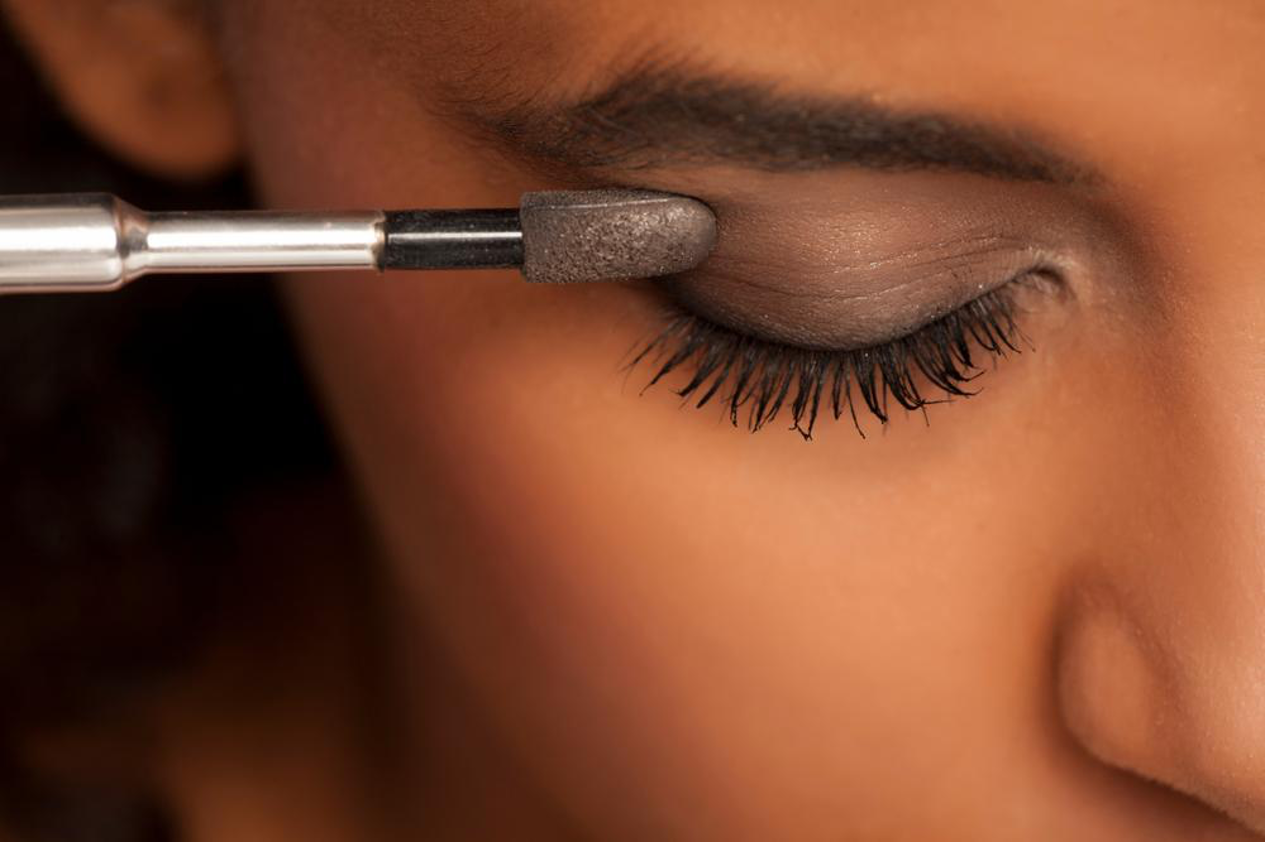
Matte shades help lids appear more even, making them easy to rely on for definition without drawing attention to texture. Shimmer eyeshadow brings light into the picture. When placed on the lid or near the inner corner, it can make your eyes look brighter and more awake, especially when the rest of your face makeup skews simpler.
Why Matte Eyeshadow is More Flattering for Mature Eyes
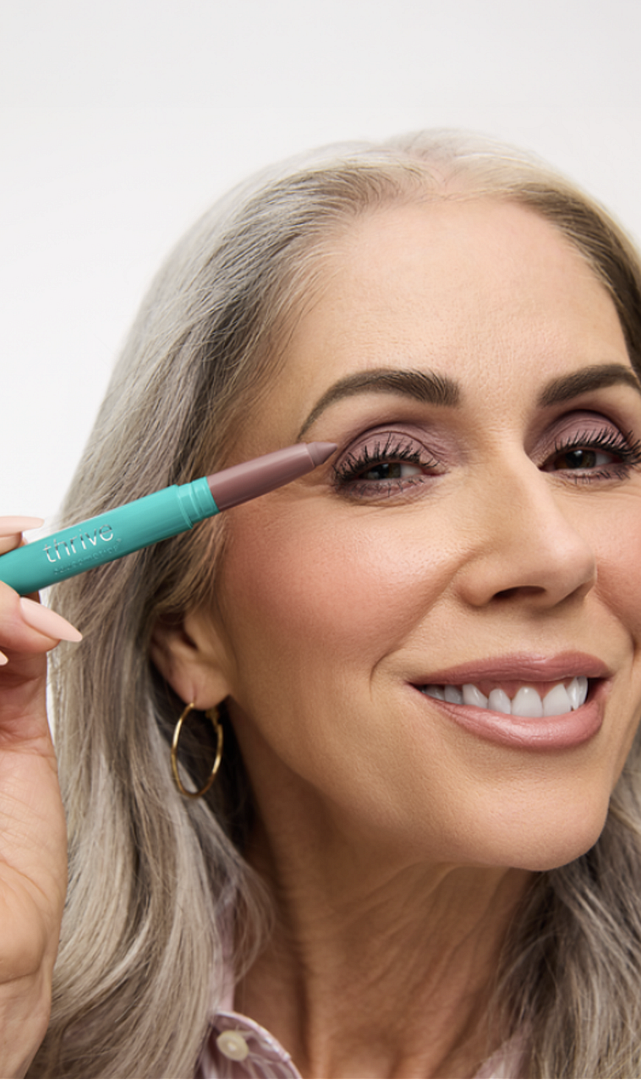
Once your lids start showing more texture, matte eyeshadow is usually the better choice. Shimmer reflects light, which can make fine lines and creases stand out more than you expect, even when the shade itself is beautiful. That extra light can exaggerate areas you’d rather keep subtle.
Matte eyeshadow doesn’t reflect light as well. Instead, it sits more evenly on your lids, keeps edges looking clean, and lets the shape and placement carry the look rather than the shine.
Source: Thrive Causemetics
When Shimmer Still Works Even on Mature Eyes
Shimmer still has a place in your makeup routine, but it just works best in smaller doses. The most flattering results tend to come from placing it where light naturally opens up the eye, rather than sweeping it across the entire lid.
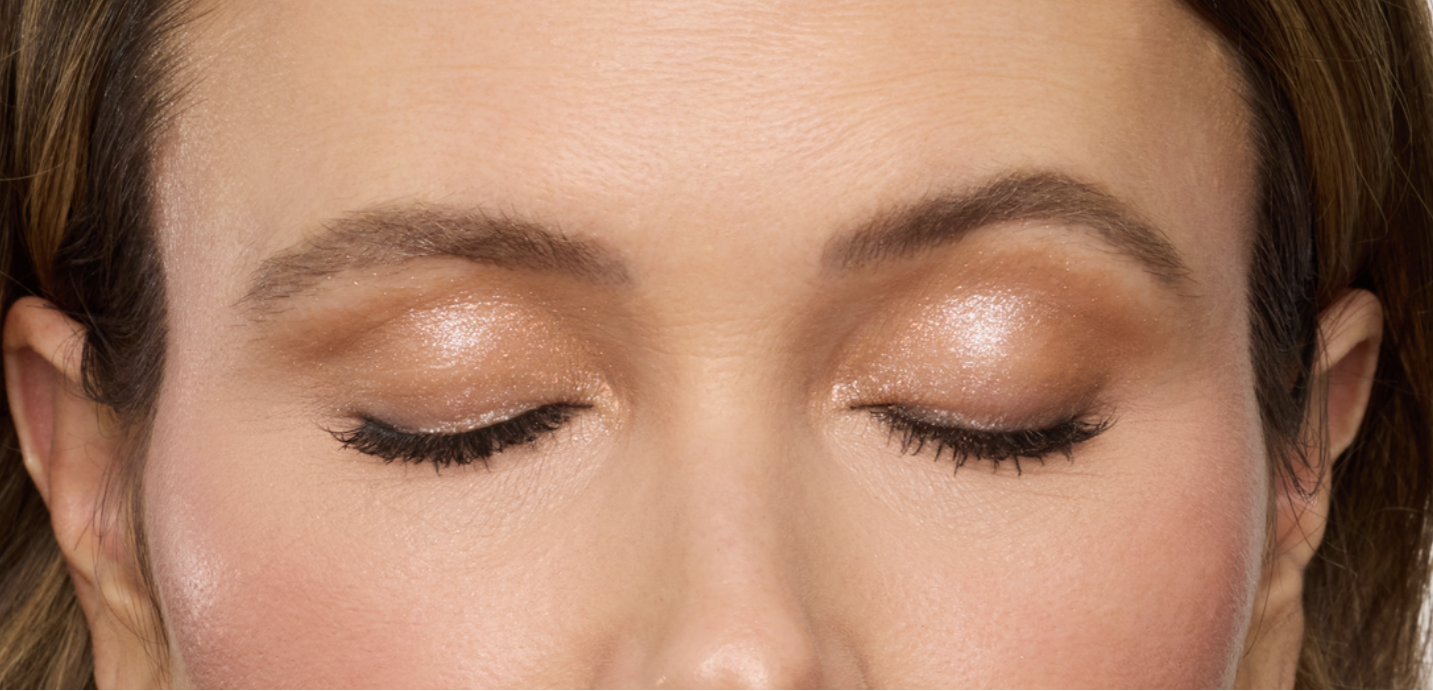
The inner corner is an easy place to start, adding brightness without competing with texture. A touch of color at the center of the lid can also look fresh, especially when the rest of the eye remains matte. Satin or finely milled formulas blend in more smoothly than chunky glitter, which can sit on top of the skin and draw focus away from your overall look.
How to Choose the Right Eyeshadow for Your Needs
When you’re deciding between formulas, think about how a shadow applies and settles, not just the finish. Cream-to-powder options tend to go on more smoothly, especially when made with conditioning emollients that help blur fine lines rather than settle into them. They give you a little time to blend, then set in a way that looks even and natural.
Matte shades are great for defining the crease and outer eye, while softly luminous finishes work best in smaller doses to add light. For everyday makeup, buildable formulas are simply easier to work with. An eyeshadow stick makes the whole process quicker, more controlled, and polished without overthinking it.
Everyday Makeup vs. Special Occasions
Daytime eye makeup usually looks best when it stays simple. Matte neutrals give you soft definition without calling attention to every detail, making them easy to wear from morning meetings to errands without feeling overdone. It’s the kind of finish that does its job.
Evenings leave more room to play, but structure still matters. A matte base through the crease keeps the look grounded, while a touch of shimmer at the center of the lid or inner corner adds just enough light to feel special. Think contrast, not coverage.
There’s also a reason eyeshadow has leaned more pared-back in recent years. Recent trend reports have pointed to the lack of color in 2020s makeup, with everyday looks favoring skin-forward finishes over bold pigment. The shift doesn’t mean eyeshadow is out; it simply means it’s being worn differently. Matte neutrals now anchor most looks, with shimmer saved for smaller moments that feel considered rather than overdone.
One practical note: matte tends to photograph more evenly than shimmer, especially in natural light. It keeps color looking consistent, while shimmer can reflect light or exaggerate texture depending on the lighting.
Application Tips That Improve Any Eyeshadow Look
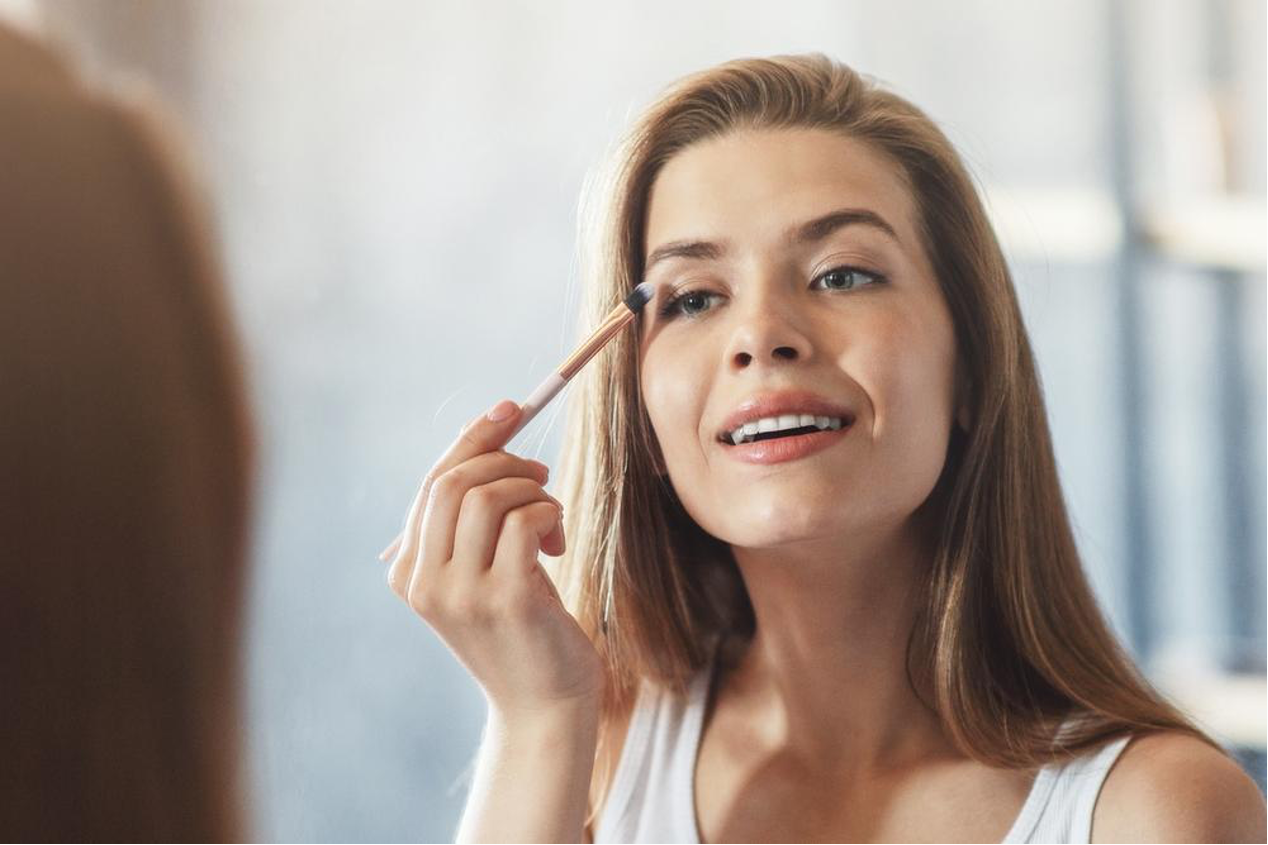
A few small technique tweaks can make a noticeable difference in how your eyeshadow applies, blends, and lasts. Here are a few pro tips makeup artists rely on to keep eye looks polished and wearable.
- Prep your lids: Skin-first makeup is in style for a reason. Start with clean skin and a light layer of moisturize. Too much hydration can cause your shadow to slide, so be sure to apply a small amount. If you want color to last (who doesn’t?), reach for an eyeshadow primer instead. Look for formulas with peptide complexes to support firmness and tone, plus hydrolyzed hyaluronic acid to replenish moisture and soften the look of fine lines without leaving residue. Ophthalmologist- and dermatologist-tested primers are especially helpful if you have sensitive eyes or wear contact lenses.
- Apply shadow before liner: Laying down eyeshadow first gives you more room to blend and shape, then define with liner at the end. This order keeps edges cleaner and makes corrections easier, which is precisely why the question of whether to use eyeliner or eyeshadow first comes up so often in professional routines.
- Blend mattes, press shimmer: Take your time blending matte shades through the crease and outer eye. That’s where softness matters most. When you add shimmer, switch to a gentle patting motion instead of sweeping. Pressing pigment into place keeps placement controlled and helps the finish look smoother.
Source: Thrive Causemetics
Common Eyeshadow Mistakes to Avoid
Even the best eyeshadows can miss the mark if a few basics get overlooked. These are the most common slip-ups and the easy fixes that make a real difference.
- Putting shimmer in the crease on lids with texture: Shimmer placed too high on the eye can make creasing more noticeable. Keep it lower on the lid or at the inner corner, and use matte through the crease to hold definition without drawing attention to uneven areas.
- Applying too much shadow at once: It’s always easier to add than subtract. Start with a light layer, then build where you want depth. This technique gives you more control and helps prevent color from looking heavy or patchy.
- Skipping blending: Taking a few extra seconds to smooth out transitions makes a visible difference. Blend matte shades first, then layer shimmer — it keeps your eye makeup looking finished instead of rushed.
- Letting mascara undo your hard work: Smudging or flaking can distract from an otherwise great shadow look. Finishing with a formula that stays put, like tubing mascara, helps keep lashes defined without fallout. What is tubing mascara? It’s a formula that wraps each lash in lightweight tubes instead of coating them with pigment and removes easily with warm water, no scrubbing required. This helps prevent smudging and flaking, which is especially important when you’ve given so much thought to your entire eye look and may have already applied your eyeshadow.
Source: Prostock-studio/Shutterstock.com
Final Takeaway: Knowing When to Switch
Matte remains a go-to for eye makeup because it’s universally flattering and especially beneficial when eyeshadow doesn’t sit as smoothly on your lids as it used to. Shimmer still belongs in your routine, just in smaller, more considered placements that add light without taking over.
What’s interesting is that shimmer isn’t disappearing; it’s simply evolving. Eye shadow palettes are making a comeback, but with a more refined, selective approach that favors softness over spectacle. Think curated color, thoughtful placement, and finishes that feel current and wearable.
And that’s where your own routine comes back into focus. Knowing when to switch finishes gives you more control over your look, from everyday makeup to nights out on the town.